


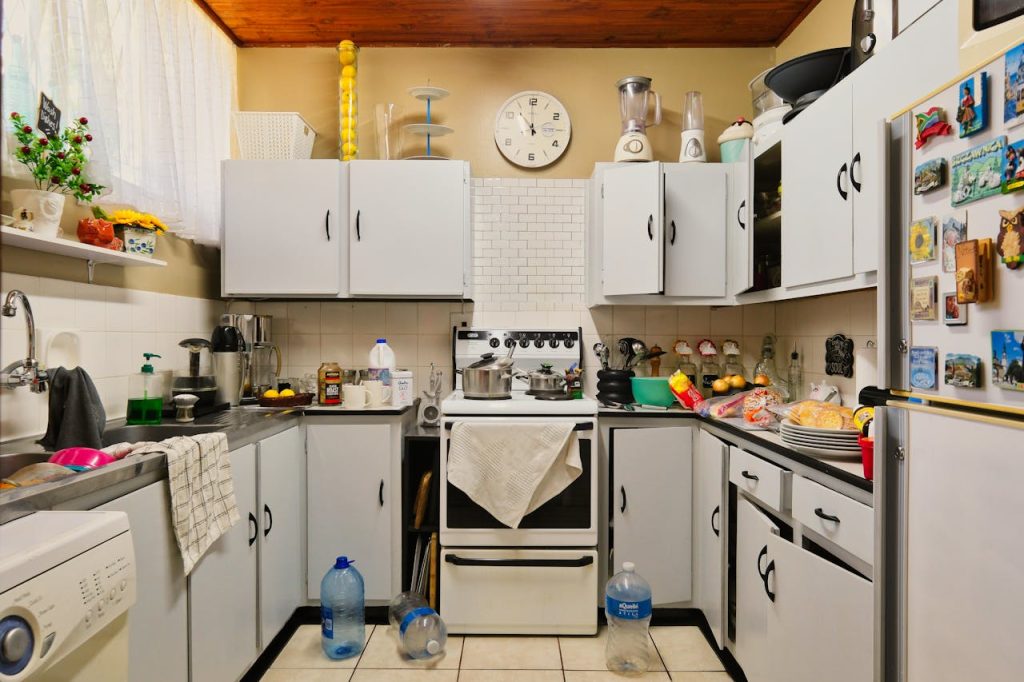
Decluttering can feel overwhelming, especially when you don’t know where to start. Focusing on specific areas can help you see quick and meaningful progress, making the whole process more manageable and satisfying.
You’ll get the most noticeable results by targeting the right spaces first, which saves time and effort while creating a more open and inviting environment. This approach helps you stay motivated as you work through your home.
Kitchen counters and pantry


Start by clearing everything off your kitchen counters. Keeping only essential items out helps reduce daily clutter and makes cooking easier.
Next, look through your pantry. Toss expired foods and duplicates, so you only keep what you actually use.
Regularly purging these areas prevents buildup. Try setting a schedule to check them every few months to maintain a clean, organized space.
Entryway: shoes, bags, and mail


Your entryway sets the tone for your whole home. Keeping shoes organized with a rack or bench helps reduce clutter on the floor.
Use hooks or baskets for bags and keys. This makes it easier to grab what you need and keeps things tidy.
Sort mail regularly to avoid piles. Designate a spot for important papers and recycle junk mail quickly.
Living room surfaces and shelves


Start by clearing off your tabletops, coffee tables, and end tables. These spots tend to collect mail, magazines, and random items that make the room feel cluttered.
Next, organize your shelves by grouping similar items together. Remove anything you no longer use or love.
Keeping these surfaces clear helps you enjoy a more open and relaxing living space. Try a simple routine to tidy them daily so clutter doesn’t build up.
Bedroom nightstands and dressers

Your nightstand and dresser often collect small items that clutter your space. Clearing these surfaces can help create a more peaceful atmosphere for sleep.
Keep only essentials on your nightstand, like a lamp, clock, or a book. Store other items inside drawers to reduce visual clutter.
Organize your dresser by sorting clothes and accessories regularly. Use drawer dividers to keep things neat and easy to find.
Bathroom countertops and cabinets

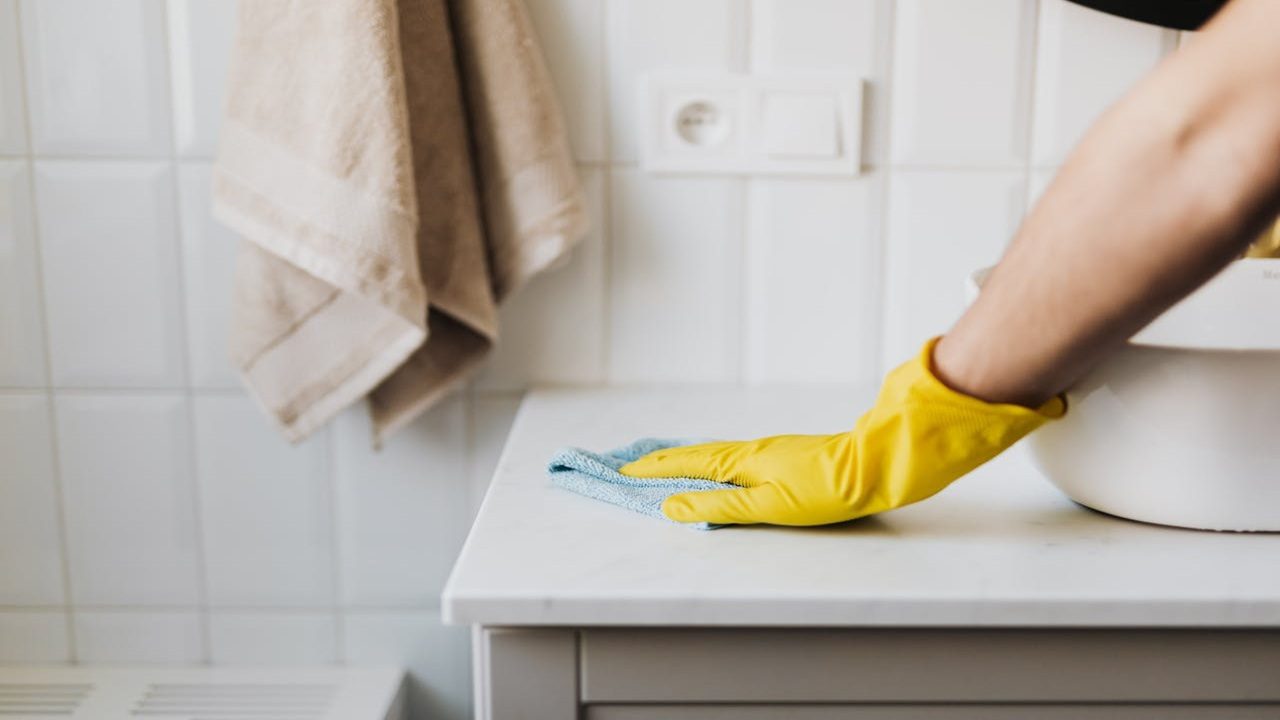
Start by clearing off your bathroom countertops. Remove personal items like toothbrushes and cosmetics to create a clean, open surface. Keep only a few essentials, such as a soap dispenser or a fresh towel, for a simple, tidy look.
Next, tackle your cabinets and drawers. Group similar items and toss duplicates or expired products. Organizing these spaces makes your daily routine smoother and keeps clutter from piling up.
Home office desk and drawers
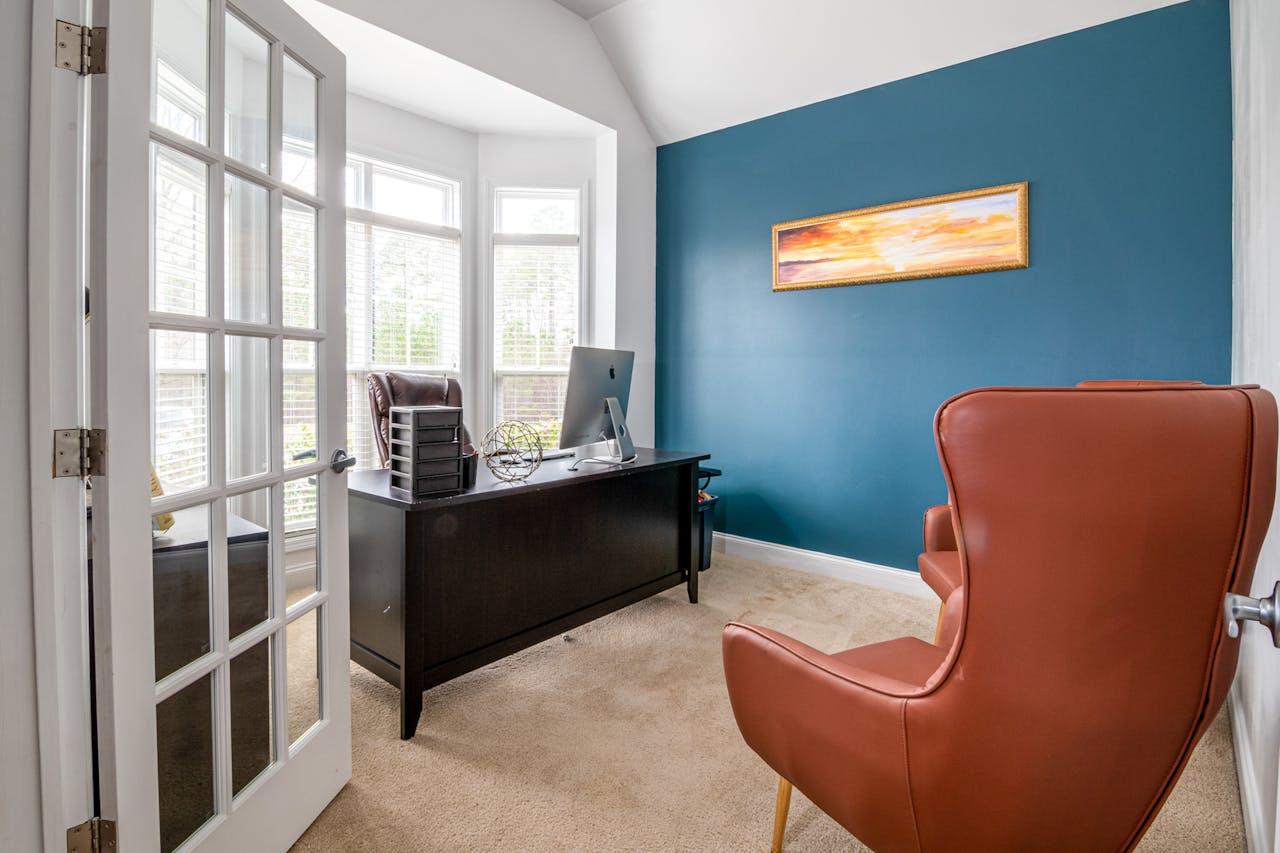
Start by clearing everything off your desk. Only keep items you use daily within reach to avoid unnecessary clutter.
Next, go through your desk drawers. Toss out or donate things you no longer need, like old receipts or broken pens.
Use organizers or small containers to separate supplies. This helps you find what you need quickly and keeps your space tidy.
Linen closet and towels


Start by removing everything from your linen closet. Sort your towels, sheets, and blankets by type.
Next, purge any old, worn-out, or unused items. Keeping only what you actually use helps prevent clutter.
Limit how many towels and linens you store. Consider baskets or organizers to keep things tidy and accessible.
Regularly decluttering your linen closet makes it easier to find what you need and keeps your space feeling fresh.
Dining table and buffet


Start by clearing your dining table completely. This flat surface tends to attract random items, which can make your space feel cluttered quickly.
Next, focus on your buffet. Keep only essentials and swap decorative pieces seasonally to maintain a fresh look.
Consider adding storage solutions like baskets or trays. These help keep things organized and make tidying up easier.
Kids’ playroom toys and storage

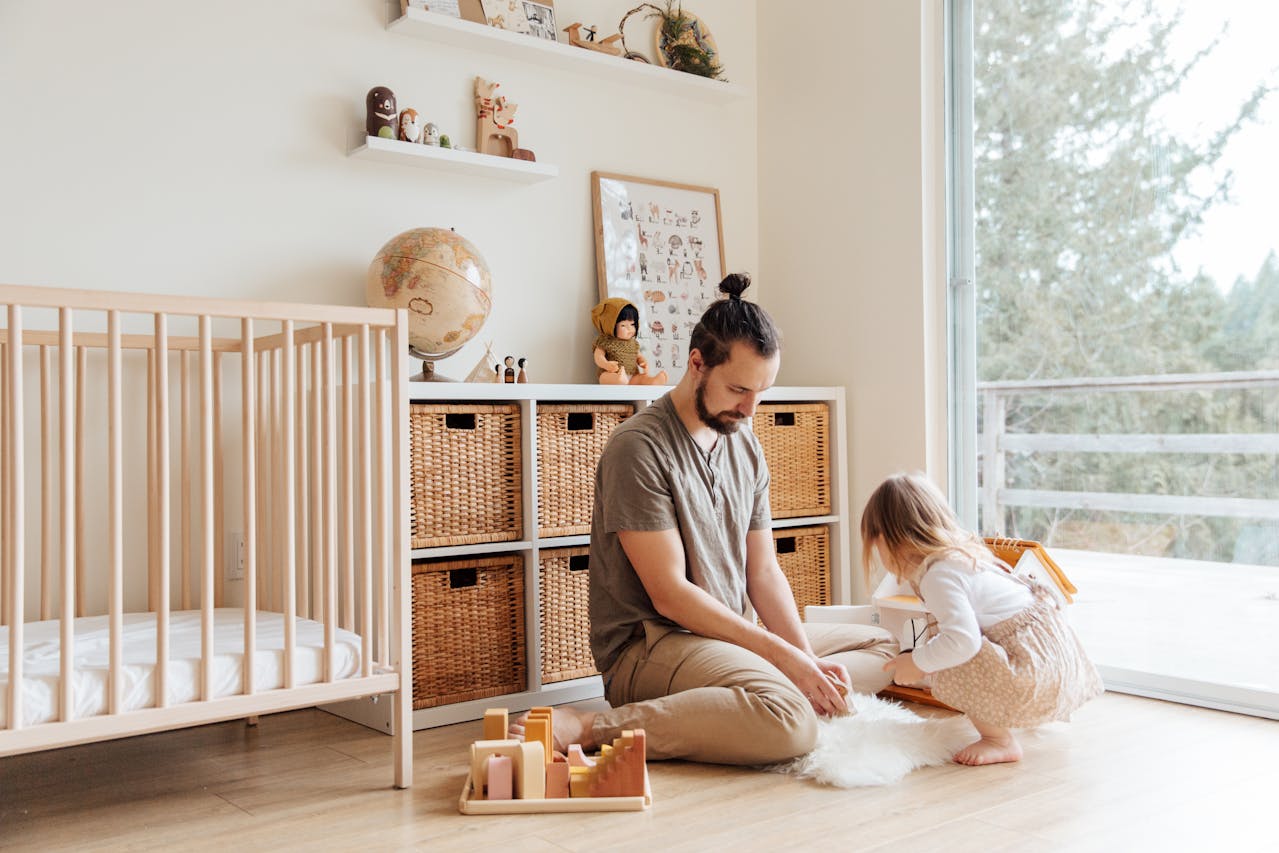
Start by sorting through toys to decide what your kids actually use and what can be donated or tossed.
Use shelves and bins to create clear storage zones, keeping frequently used toys within easy reach.
Consider crate shelving or a designated toy closet to keep things neat and prevent clutter from piling up again.
Regularly revisiting this process helps maintain order and makes cleanup easier for everyone.
Garage workbench and shelves
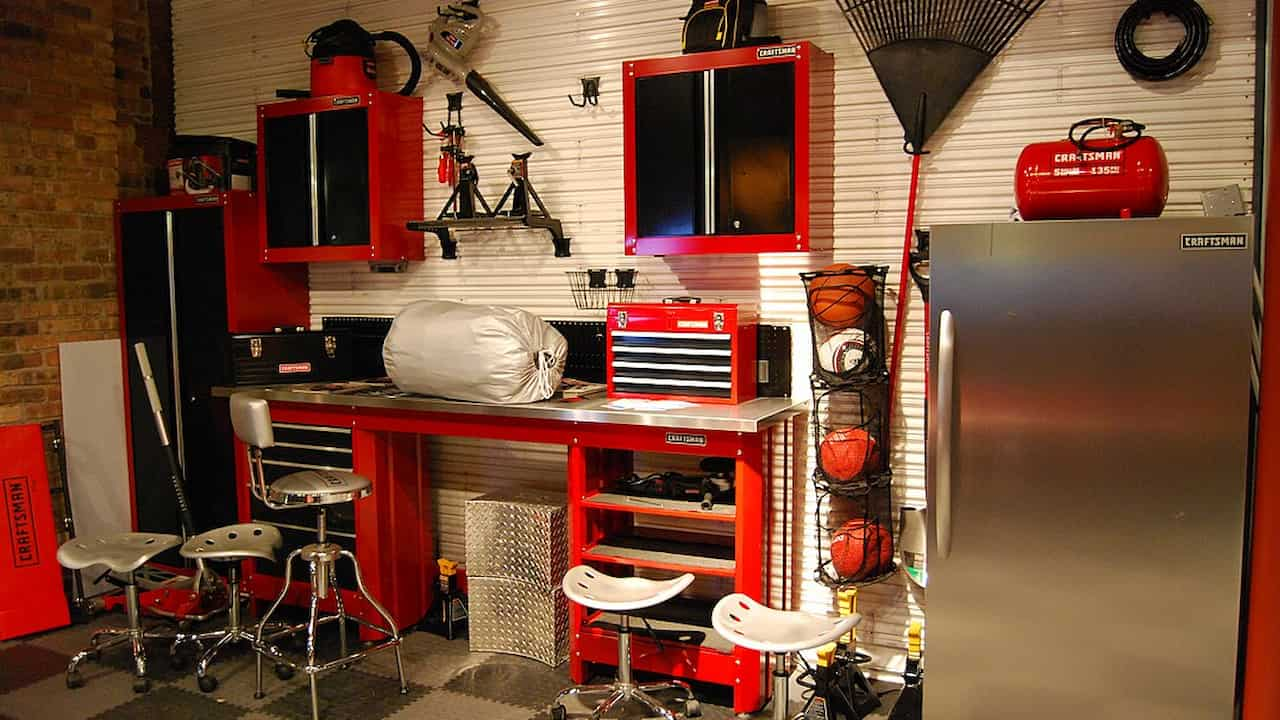
Start by clearing off your workbench to create a clean, functional space for projects. Remove items that don’t belong or that you rarely use.
Next, focus on your shelves. Use wall-mounted shelving to free up floor space and keep tools organized. Adjustable shelves help you store different-sized items easily.
Consider adding corner shelving units to use awkward spaces efficiently. This small change can make a big difference in your garage’s organization.
Closet shoe racks and hangers


If your shoe collection is taking over, shoe racks and hangers can make a big difference. Over-the-door organizers save floor space and keep shoes visible.
Freestanding racks fit easily in closets and can hold multiple pairs without crowding. For tighter spaces, hanging shoe organizers keep shoes off the floor and neatly stored.
Try cubbies or stackable shelves if you want each pair separated for easy access. These small changes can help you keep your closet tidy and your shoes in good shape.
Refrigerator exterior and magnets

Start by clearing everything off your fridge’s exterior. Magnets, notes, and photos can create visual clutter quickly.
Sort through the papers stuck on your fridge and remove anything outdated or unnecessary.
Keep only what you need visible, so your kitchen feels tidier and less chaotic.
Remember, too many magnets can encourage more clutter. Use them sparingly to keep your fridge looking neat.