



Learning practical home skills can make a big difference in how much money you keep over time. Instead of relying on professionals for every little fix, you can handle many tasks yourself, saving both labor costs and time.
These skills add up to thousands of dollars saved across your lifetime by helping you avoid costly repairs and unnecessary expenses. Building your confidence in simple home projects not only cuts spending but also gives you more control over your living space.
Fixing Leaky Faucets


You can save money by fixing leaky faucets yourself. Start by turning off the water supply under the sink to avoid a mess.
Next, remove the handle to access the cartridge or stem inside. Replacing worn-out washers or seals usually stops the drip.
Fixing leaks early helps you save water and avoid higher bills. Plus, it’s a simple task that doesn’t need special tools or skills.
Installing a Programmable Thermostat


You can save 10-15% on heating and cooling costs by installing a programmable thermostat. It lets you set temperatures based on your schedule, so your system works less when you’re not home.
Many models connect to your smartphone, making it easy to adjust settings remotely. Installation is usually straightforward and can be done with basic tools. Learning this skill helps you control energy use and cut utility bills over time.
Changing HVAC Filters Regularly


Changing your HVAC filters every one to three months helps your system run more efficiently. Clean filters reduce strain on your unit, which can lower energy bills and extend its lifespan.
You’ll also improve your home’s air quality by trapping dust and allergens. This simple task saves you money on potential repairs and keeps your space comfortable year-round.
Basic Electrical Repairs

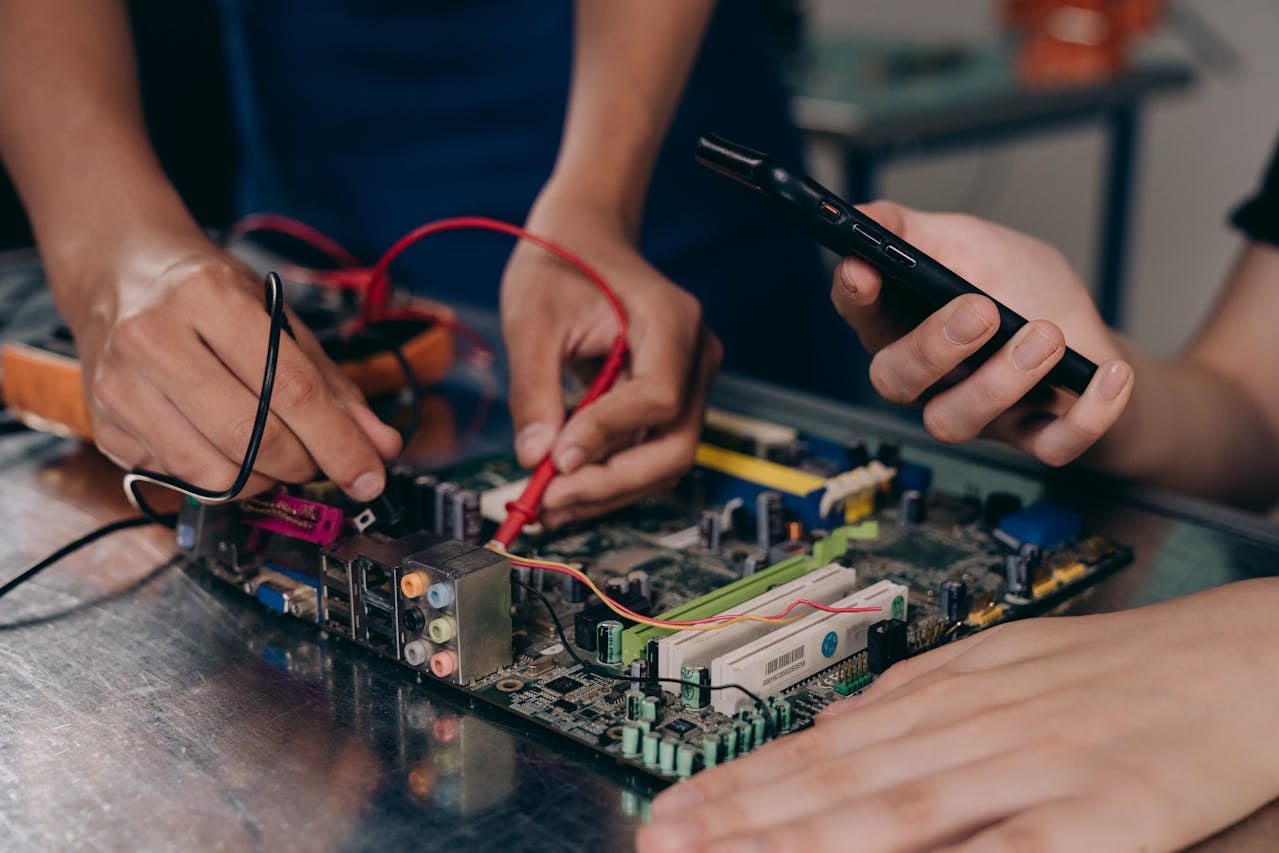
You can save money by learning simple electrical tasks like replacing switches or outlets. These repairs often require just a few tools and basic safety knowledge.
Turning off power before starting is essential for your safety. If you follow instructions carefully, many small fixes become manageable.
Knowing how to troubleshoot and fix minor wiring issues can prevent costly electrician visits. It’s a useful skill that builds confidence and saves you money over time.
DIY Painting Walls

Painting your walls yourself can save you money on labor costs. You don’t need to be a pro; just take your time and prepare the space well.
Use painter’s tape to protect edges like baseboards. Start by rolling paint upward to apply it evenly without splatters.
Choose quality paint for better coverage and easier cleaning later. With a little patience, you can refresh any room without spending much.
Gardening for Homegrown Veggies


Growing your own vegetables can save you money by cutting down grocery trips. You can start with easy-to-grow crops like tomatoes, lettuce, or herbs.
Many plants are affordable, and some can even be propagated from cuttings, reducing costs further.
With a small garden space, you’ll enjoy fresher produce while gaining useful skills in gardening and food preservation.
Sewing Simple Clothes Repairs

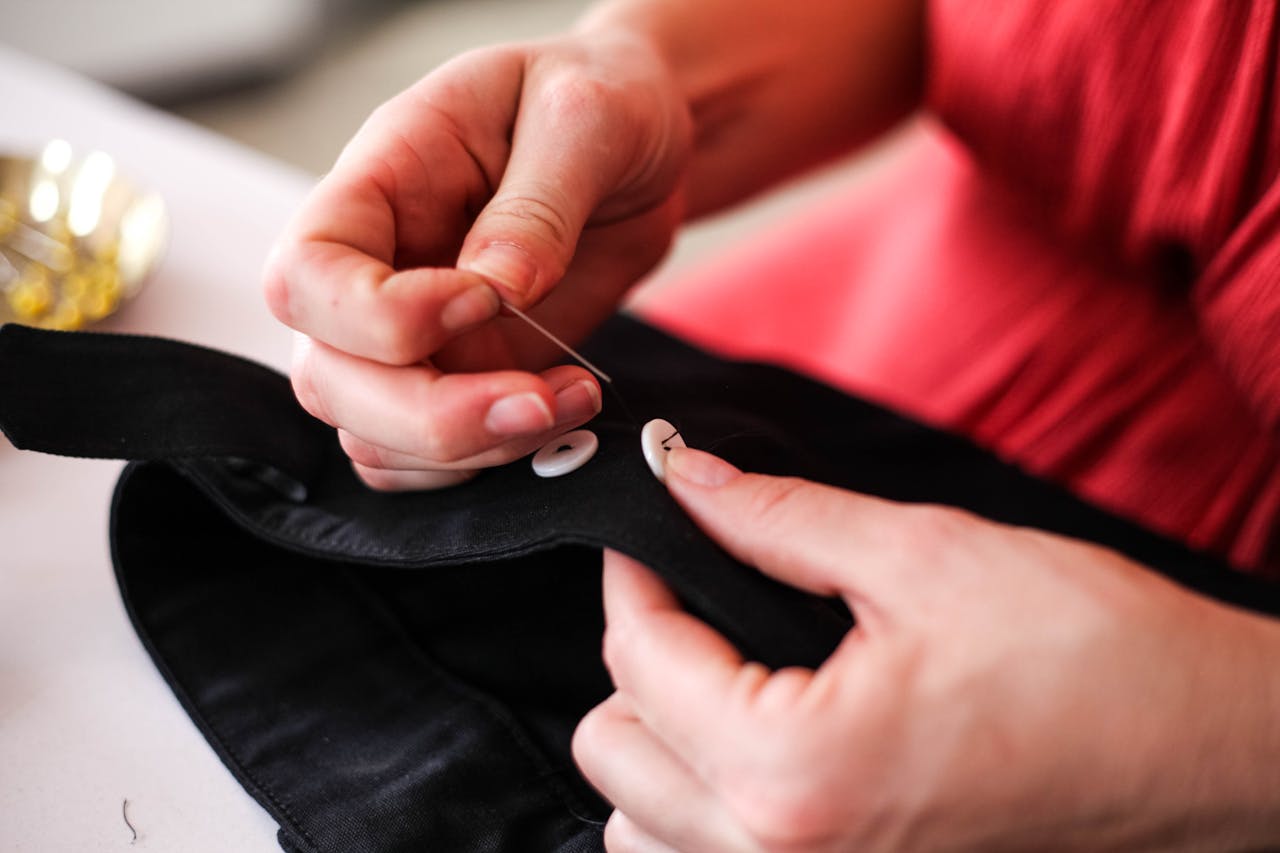
You can save money by fixing small clothing problems yourself. Learning to sew on a button or mend a tear means you avoid costly replacements or tailor visits.
Basic skills like hemming pants or patching worn spots extend your clothes’ life. All you need is a needle, thread, and a little practice to keep your wardrobe in good shape.
Changing Your Car’s Oil
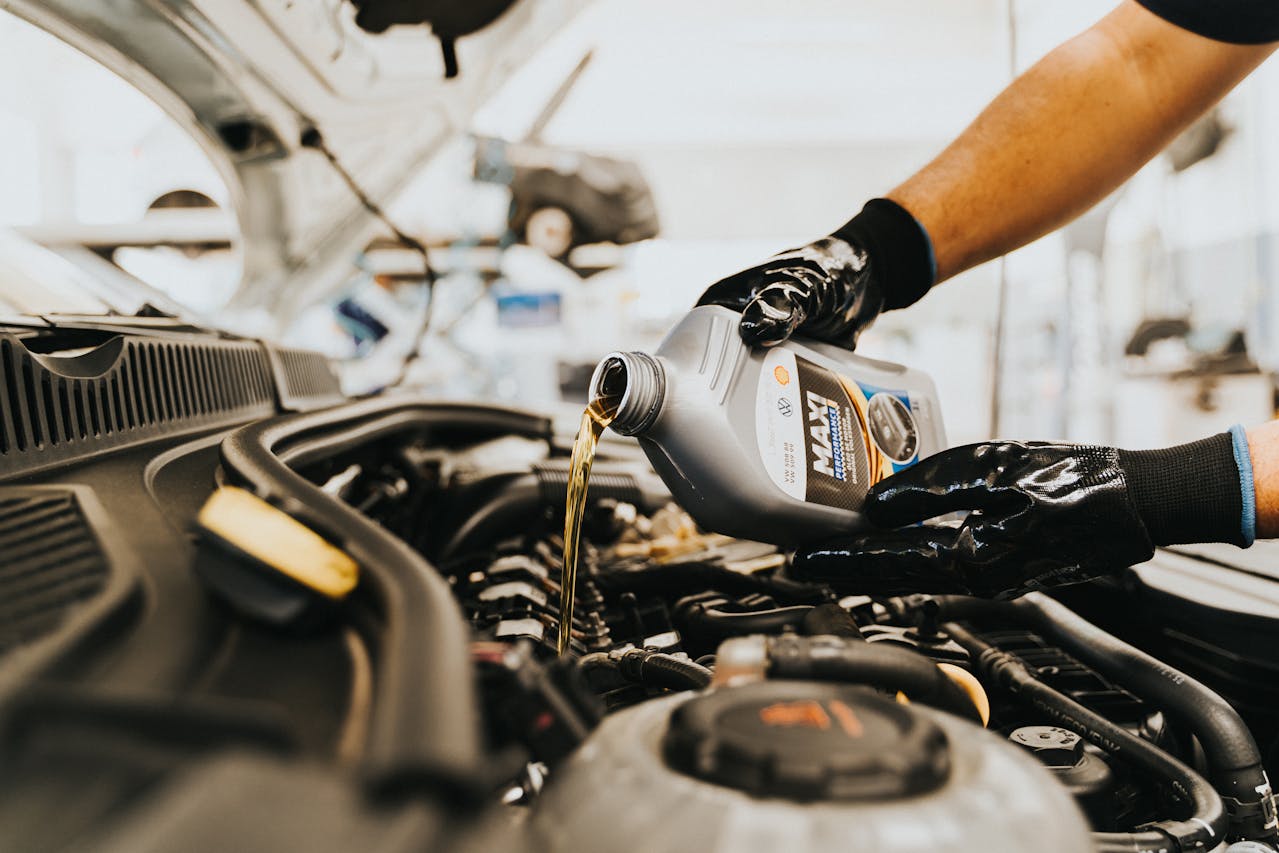
Changing your car’s oil yourself can save you a good amount of money over time. By buying oil and filters cheaply, you cut out the labor costs shops charge.
It’s a simple skill to learn and keeps your engine running smoothly. You just need basic tools and a safe spot to work on your car.
Doing this regularly helps maintain your vehicle’s health and can save you hundreds or even thousands over the years.
Using a Water Heater Timer

You can save money on your energy bills by installing a timer on your water heater. It ensures the heater runs only when you need hot water, cutting down on wasted energy.
Setting a timer is simple and can start reducing costs from your first month. If your heater is outside or has a recirculation system, a timer might be especially useful for saving energy.
Renting Tools Instead of Buying
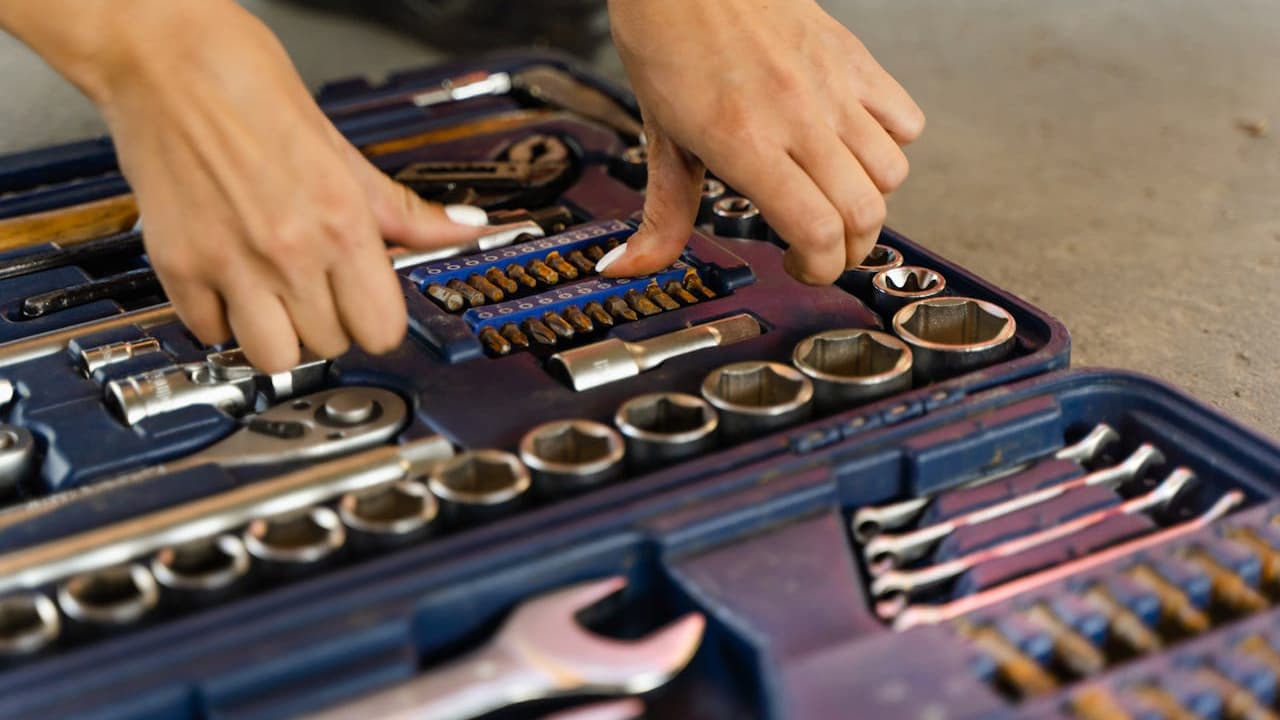
You don’t need to buy every tool for occasional projects. Renting can save you money, especially for expensive or rarely used equipment.
When you rent, you pay only for the time you need the tool. This helps you avoid spending on storage and maintenance.
Plus, renting lets you try different tools before deciding to buy one. It’s a smart way to keep your projects affordable and efficient.
Cooking Meals from Scratch

Cooking meals from scratch helps you control both costs and ingredients. When you prepare food at home, you avoid paying extra for convenience or takeout fees.
You can save money by buying raw ingredients and turning them into homemade meals. This also lets you customize recipes to fit your taste and health needs.
Learning simple recipes and planning your meals ahead makes cooking easier and reduces food waste. Over time, these habits add up to significant savings.
Haggling on Home Service Prices

You can often negotiate prices for many home services like repairs, cleaning, or maintenance. Don’t hesitate to ask for discounts or better deals before agreeing.
Some providers may add a “haggle fee” if you push too hard, so it’s good to be polite and reasonable. Knowing the average cost helps you negotiate confidently.
Remember, small savings on regular services add up over time, helping you save money without major effort.