


When it comes to decorating, some choices can unintentionally make your home feel cramped or smaller than it really is. It’s not always about the size of the room but how things are placed and what items you bring in.
Knowing which items tend to shrink your space visually can help you avoid that closed-in feeling and create a more open atmosphere in your home. With a few changes, you can make your living area feel more comfortable and inviting without a major renovation.
Clutter piling up everywhere

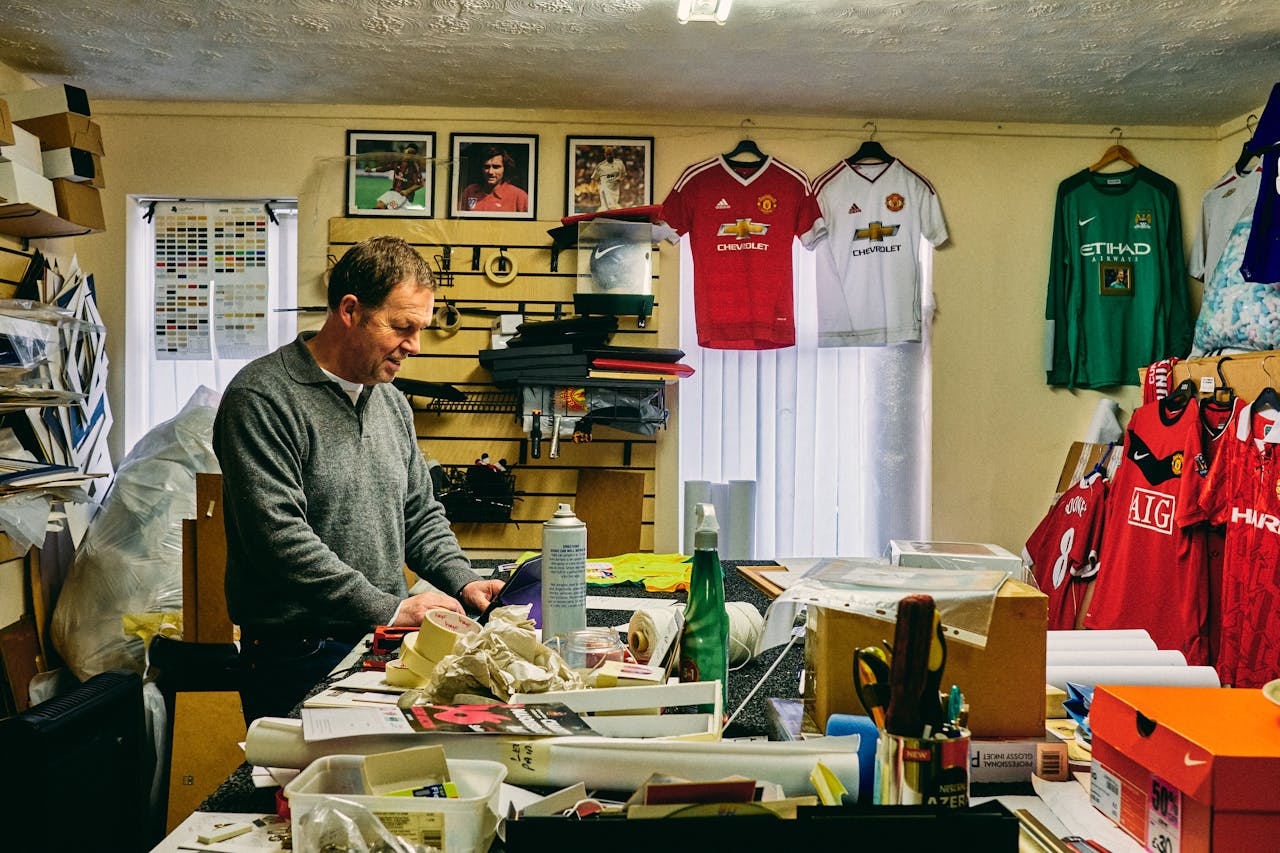
When stuff piles up all over your home, it instantly makes the space feel smaller. You might not realize how much visual noise those random items add until you clear them away.
Even small things like mail, keys, or toiletries left out can crowd surfaces and make rooms look busy. Keeping your surfaces clear helps your space breathe and feel bigger.
Overuse of bold patterns


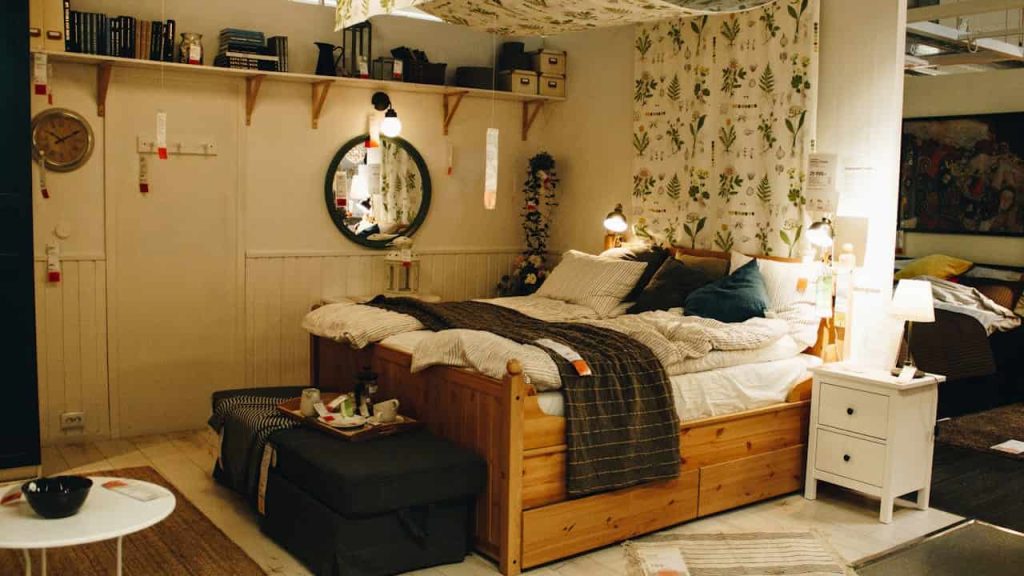
When you use bold patterns everywhere, your space can feel busy and cramped. It can be hard for your eyes to find a place to rest.
Try to limit strong prints to one or two areas, like a pillow or a rug. This way, your room feels lively without overwhelming you. Mixing too many bold patterns can make your whole room look smaller than it really is. Keep it simple to help your space breathe.
Low ceilings without vertical accents


If your ceiling is low and you don’t use vertical accents, the space can feel cramped. Without things like tall bookshelves or vertical stripes, your eyes have nowhere to travel upward.
You can add height by using curtains hung close to the ceiling or slim, tall furniture. These help draw attention up and make the room feel less closed in.
Ignoring vertical elements leaves your low ceilings feeling even more noticeable and can unintentionally shrink your room’s vibe.
Dark paint colors on walls

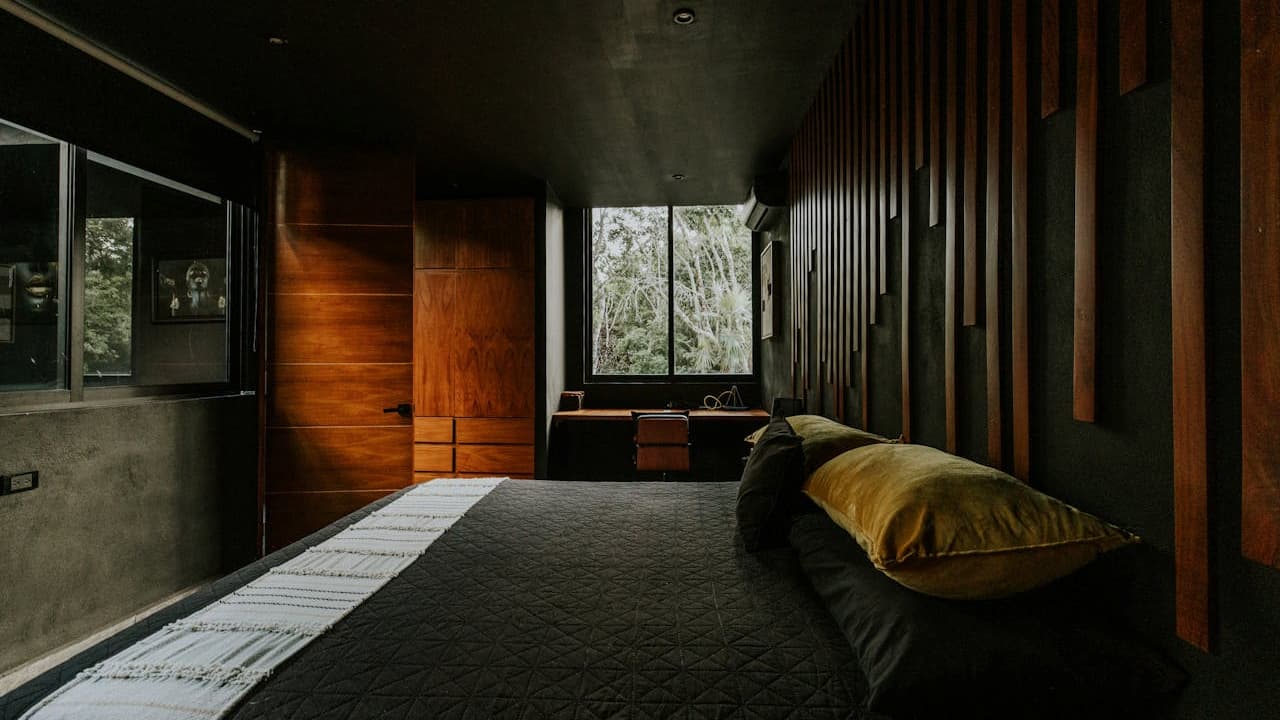
Using dark paint on your walls can sometimes make a room feel smaller, especially if it lacks natural light.
But it’s not always the case. Dark colors can actually create a cozy vibe and, in some rooms, even make the space feel more expansive.
If you want to try dark paint, consider how much light your room gets and test a small area first. This way, you’ll know if the color works without shrinking your space.
Too many small furniture pieces

Having a lot of small furniture can actually make your space feel more crowded. Instead of giving your room room to breathe, these pieces tend to create visual clutter.
Try to focus on fewer, larger pieces that serve multiple purposes. This helps open up the floor and gives your home a more balanced, spacious feel.
Busy, multicolored rugs

If you want your space to feel bigger, avoid rugs with busy, multicolored patterns. These designs can break up the room visually and make it look cluttered.
Instead, choose lighter, solid-colored rugs or those with subtle patterns. They create a sense of flow and openness.
Bright or light hues help reflect light, which can also make your room seem larger. Busy rugs tend to do the opposite by drawing too much attention to the floor.
Poorly placed lighting fixtures

If your lighting is too harsh or focused in one spot, it can create unwanted shadows that shrink your space. Avoid fixtures that point downward only, as they make ceilings feel lower.
Try to spread light evenly around the room. Using just one overhead light won’t cut it—layer your lighting with lamps or wall sconces to brighten dark corners.
Good lighting helps your room feel open, so think about where your lights go before you settle on fixtures.
Overcrowded shelves and surfaces

If your shelves and surfaces are packed with too many items, it can make your space feel cramped. When everything is vying for attention, your room looks cluttered and smaller than it really is.
Try to clear off surfaces and only display a few favorite pieces. Keeping shelves organized and less crowded helps open up the room and gives your eyes a place to rest.
Too many personal items on display

You might love showing off your favorite things, but having too many personal items out can make your space feel crowded. When surfaces are cluttered, your home loses its open, airy vibe.
Try picking a few special pieces to display and store the rest. This keeps your space feeling cozy without overwhelming it. Fewer items help highlight what really matters to you.
Furniture that’s too big for the space
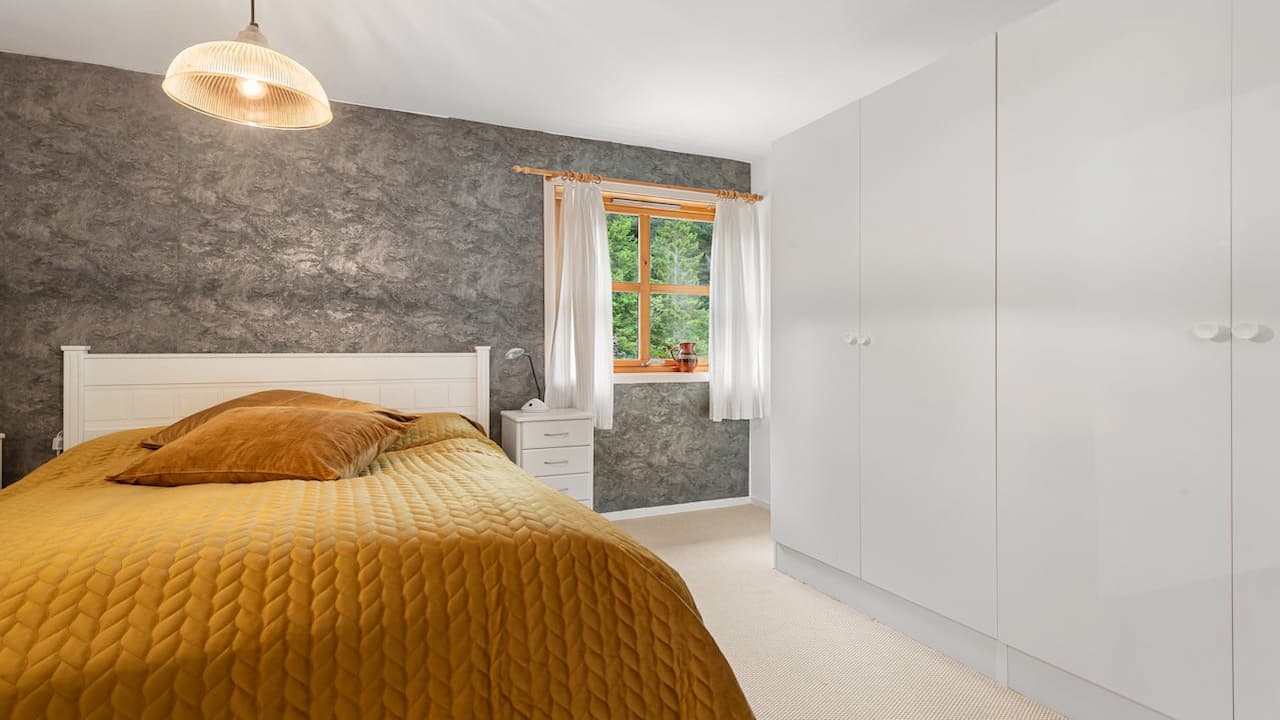
When you fill your room with oversized furniture, it can quickly make your space feel cramped. Big couches or bulky tables take up too much floor area, leaving little room to move around.
Choose pieces that fit the scale of your room. Sleeker, more streamlined furniture opens up the space and helps it feel airier.
Multifunctional furniture can also save space while still giving you what you need. This way, you avoid overcrowding without losing comfort.
No ground-level elements like rugs or plants
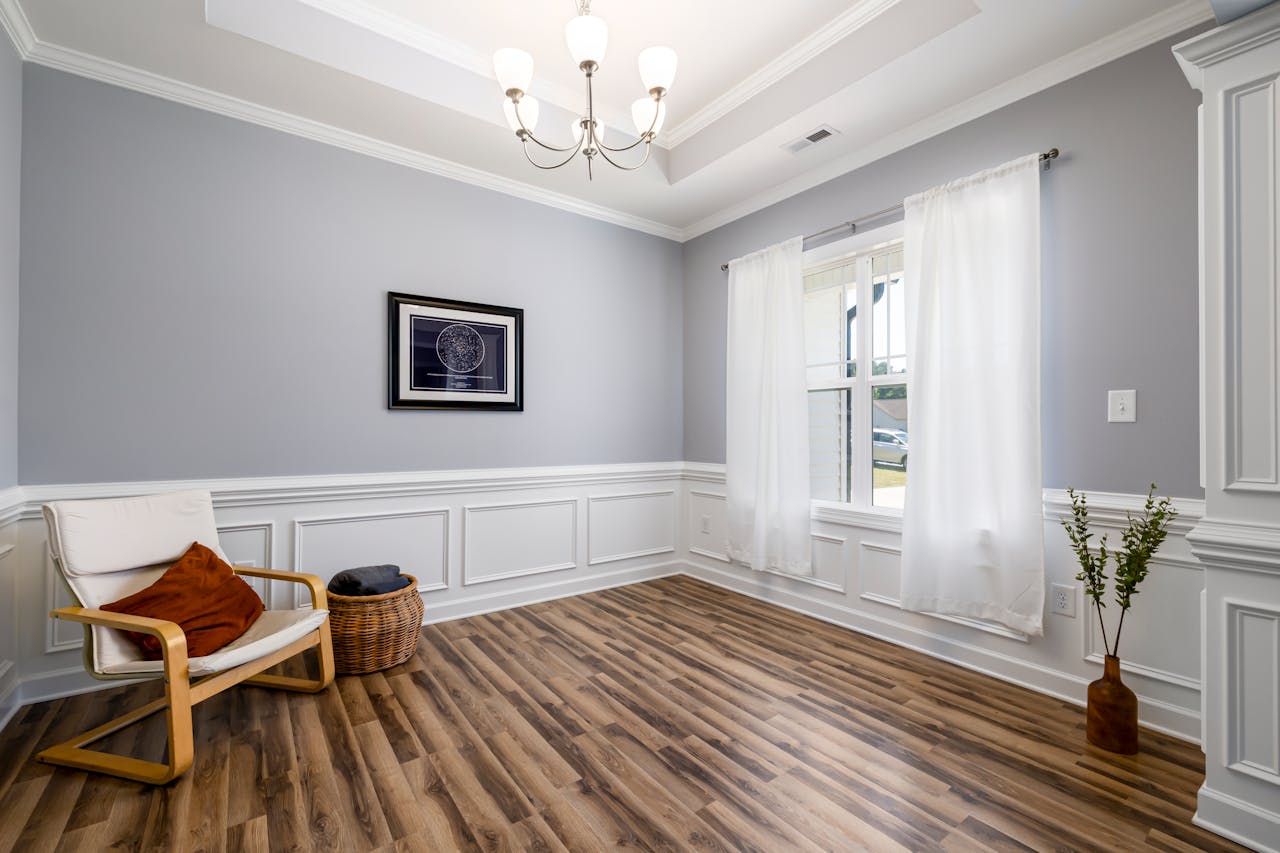
Skipping rugs or plants on the floor might seem like it opens up space, but it can actually make your room feel unfinished and smaller. Rugs help define areas and add warmth, while plants bring life and height variation.
Without these elements, your floor can look bare and the room may lack depth. Try adding a simple neutral rug or a small plant to create more visual interest without crowding the space.
Excessive use of accessories


When you pile on too many accessories, your space can quickly feel cramped. Small decor items may seem harmless, but together they create visual clutter.
Try to pick a few key pieces instead of filling every surface. This helps keep the room feeling open and more inviting.
Remember, less is often more. Too many decorations compete for attention and make your home look smaller than it really is.