


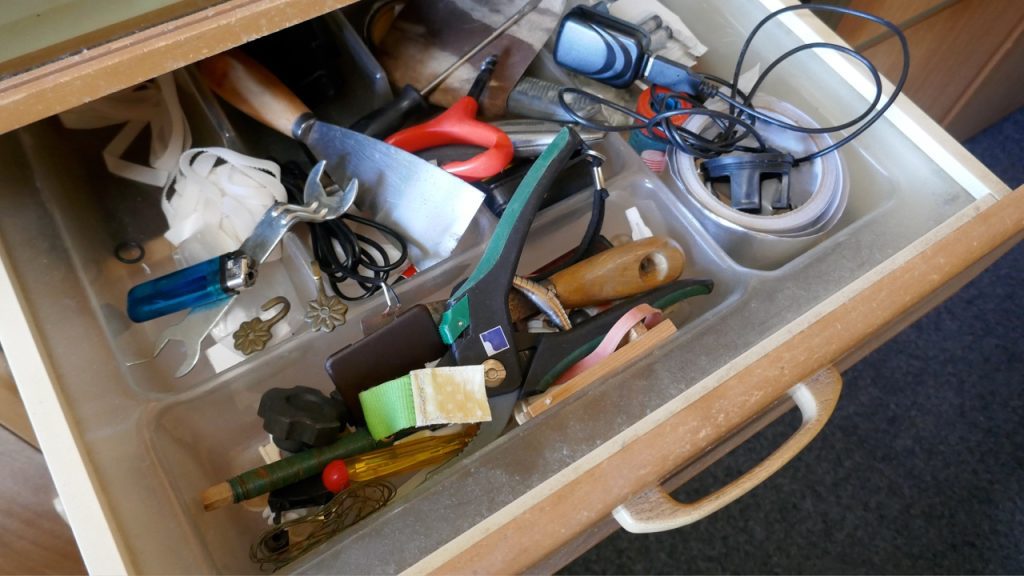
Many of us hold onto items thinking they might be useful someday, but often, these things just create clutter and take up valuable space. Identifying what truly needs to stay and what is just collecting dust can be challenging.
You can create a more organized and peaceful living space by letting go of items experts consider junk. This article will help you recognize common objects that are often unnecessary, making it easier for you to declutter effectively without second-guessing yourself.
Expired canned goods


You might find expired canned goods tucked away in your pantry. While many are still safe to eat, their quality and nutrition often decline over time.
High-acid foods like tomatoes or citrus deteriorate faster and may develop off flavors.
If the can is bulging, rusted, or severely dented, it’s best to throw it away. Otherwise, you can usually use older cans for cooking but expect less taste and nutrients.
Old phone chargers


You probably have a drawer full of old phone chargers that don’t match any of your current devices. Most of these cables are outdated or incompatible with new models.
Holding onto them “just in case” rarely pays off. Instead, you can donate chargers that still work to local charities or recycle them through e-waste programs.
If you keep some, organize them in bags or boxes by type to avoid clutter. Otherwise, letting go of unused chargers frees up space and reduces electronic waste.
Worn-out sneakers


You might be holding onto old sneakers that have seen better days. Once they have holes or no longer support your feet, they become less useful for walking or exercise.
Instead of tossing them in the trash, consider recycling programs. Some companies accept worn shoes to turn them into playground surfaces or new products, helping reduce landfill waste.
If recycling isn’t an option, try giving them away online for free. Someone else might find a use for them before you decide to recycle or discard.
Broken kitchen utensils


If you have cracked, chipped, or warped kitchen utensils, it’s time to let them go. These items can be unsafe to use and may harbor bacteria.
Broken spatulas or spoons won’t perform well and can make cooking frustrating.
Keeping damaged tools adds clutter and takes up space you could use for better utensils. Replacing them will make your kitchen more efficient and safer.
Empty jars and containers

You might think empty jars and containers are useful to keep. But often, they just take up space and add to clutter.
If you don’t have a specific plan to reuse them soon, it’s best to recycle or donate them. Holding onto too many can make your storage areas messy.
Sort through your collection and keep only what you truly use regularly. This way, you free up space and keep your home more organized.
Newspapers older than a month


You might feel you need to keep old newspapers just in case. But newspapers older than a month usually lose their value quickly. The news is outdated, and most articles won’t be useful anymore.
If you want to recycle or repurpose them, that’s great. You can also fold them into small pots for starting plants. Otherwise, it’s best to let them go to free up space and reduce clutter.
Torn or stained clothes

You might hold onto clothes with tears or stains, hoping to fix them someday. But experts say these items usually add clutter and can’t be donated.
Don’t donate torn or dirty clothes because they don’t respect the people receiving them. It’s better to recycle or repurpose damaged clothes if possible.
Keeping only clothes in good condition helps you declutter and supports responsible donation efforts.
Unused exercise equipment


You might have exercise machines gathering dust at home. Many people buy fitness gear with good intentions but rarely use it.
Holding onto this equipment takes up space and adds clutter. Instead, consider donating or selling it if it’s still in good shape.
If it’s broken, check with your local recycling center to dispose of it properly. Repurposing parts is another option to give your gear a second life.
Old makeup and skincare products

You might be tempted to hold on to old makeup and skincare, but many experts say these items can harbor bacteria over time. Foundation typically lasts about a year, while some products like eyeshadow can be sanitized if you want to keep them a bit longer.
Using expired skincare or makeup can cause irritation or breakouts. It’s best to toss products that have changed smell, texture, or color. Regularly clearing out your beauty stash helps keep your skin healthy and your routine fresh.
Single socks with no pairs


You probably have a few socks missing their match. Keeping single socks can take up space and clutter your drawer.
Instead of tossing them, consider using them as cleaning rags or stuffing for boxes when moving.
If you don’t want to keep them, it’s okay to let them go. They don’t serve much purpose without their partner.
Old receipts and bills

You probably keep old receipts and bills longer than needed. Most receipts can be tossed once you’ve confirmed your purchase or returned the item.
For bills, keep utility bills only until you get the next month’s statement showing payment. Credit card and tax-related receipts should be saved for up to seven years.
Holding on to every slip can clutter your space without offering much benefit. Sort and shred regularly to stay organized.
Outdated electronics like MP3 players


You might still have an old MP3 player tucked away, but these devices have mostly been replaced by smartphones. They often hold limited storage and lack modern features like streaming.
If you keep one, make sure to recycle it properly. MP3 players contain metals that can harm the environment if thrown in the trash.
Holding onto them usually doesn’t add value, so consider letting them go to make space for newer tech.