


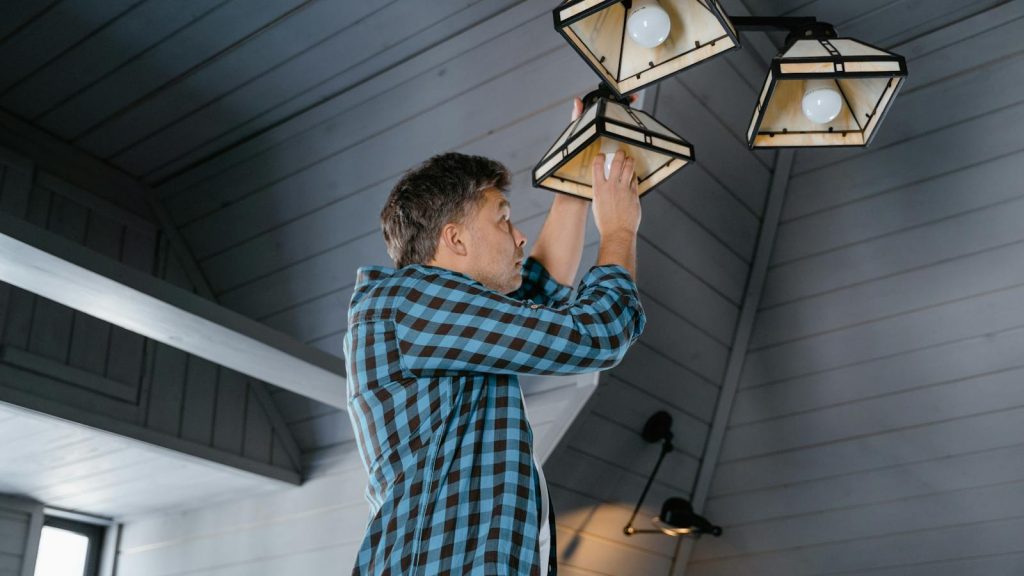
While lighting can dramatically influence the atmosphere and functionality of our living spaces, some trends have simply outstayed their welcome. As a design enthusiast, I’ve spent countless hours learning from experts and observing trends in the industry. It’s clear that many lighting practices, once considered chic and innovative, no longer serve the modern home. Below are twelve lighting trends that have lost their appeal, according to seasoned designers. It’s time we bid them farewell to make way for more effective and appealing lighting solutions.
1. Overuse of Recessed Lighting


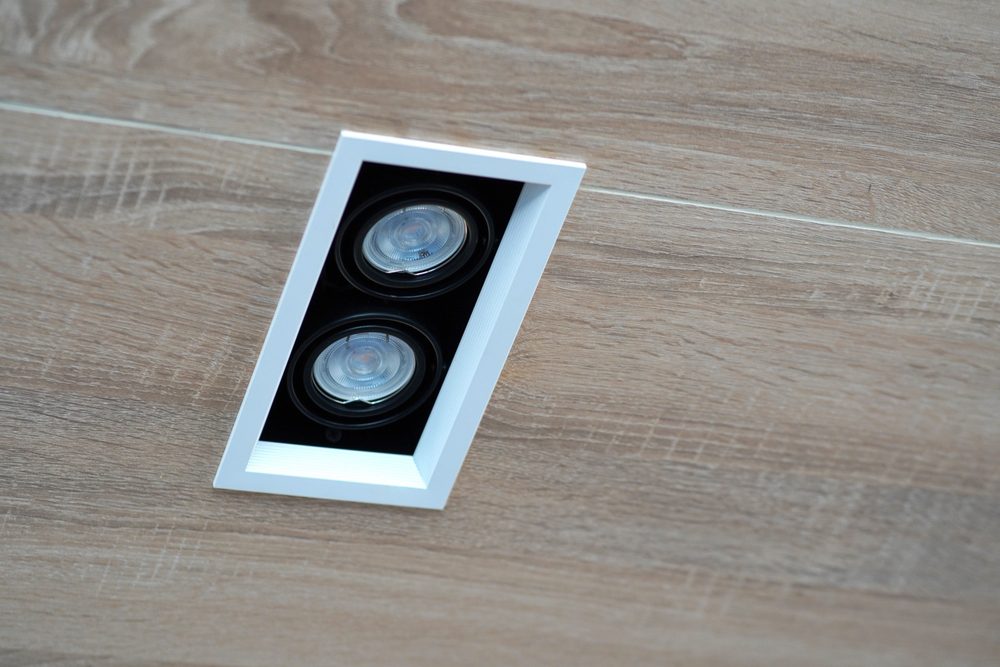
Recessed lighting, particularly “pot lights”, became incredibly popular in the early 2000s. Unfortunately, this trend has resulted in many homes resembling a runway at an airport. Not only is this overuse inefficient, but it also fails to provide the warmth and ambiance that lighting can offer. Designers are now leaning towards a more balanced and layered approach to lighting.
2. Excessive Industrial Lighting
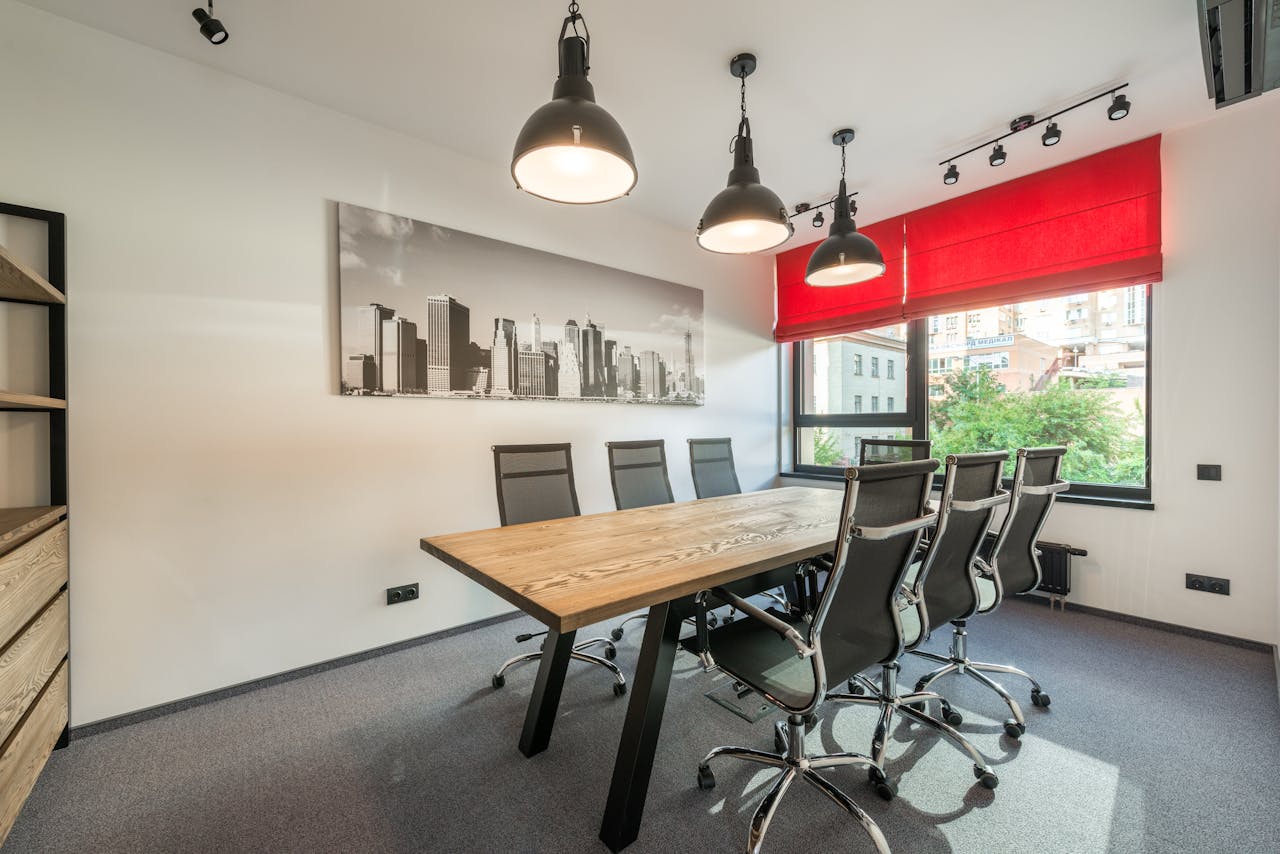
While industrial lighting can add a unique touch to a space, it’s been overdone in recent years. Overwhelmingly large and metallic fixtures can make a room feel cold and uninviting. Designers are encouraging a move towards softer, more adaptable lighting options that can complement a variety of decor styles.
3. Outdated Fluorescent Tube Lights

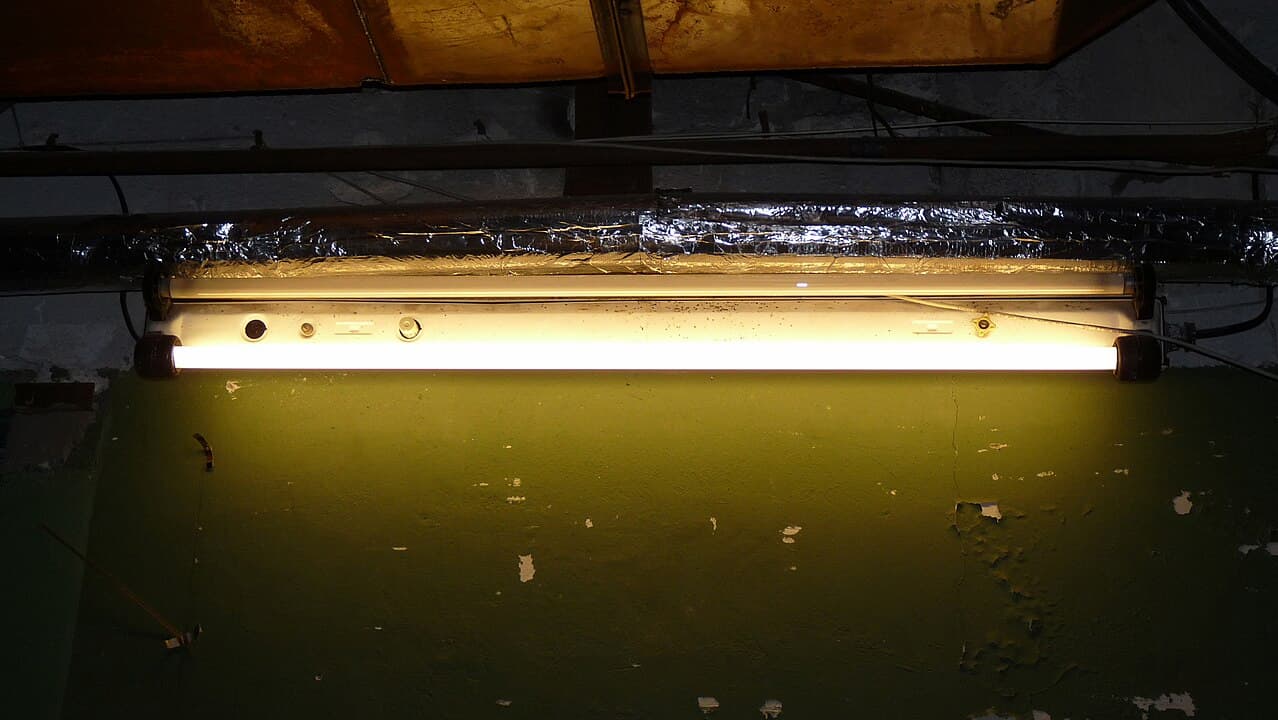
Fluorescent tube lights were once a staple in offices and commercial spaces. However, they’ve made their way into homes, often resulting in harsh and unflattering lighting. Their outdated appearance and lack of energy efficiency make them a trend to retire. Modern alternatives like LED panels provide similar levels of brightness but with significantly better energy efficiency and design.
For more insights into timeless design trends, check out this article on Martha Stewart.
4. Over-Decorative Crystal Chandeliers


Crystal chandeliers can certainly make a statement. However, overly decorative and large chandeliers can easily overpower a room and make it feel dated. Designers now prefer simpler, more modern chandeliers that provide a touch of elegance without overwhelming the space.
5. Mismatched Color Temperatures


Color temperature plays a critical role in setting the mood of a space. However, mixing different color temperatures can create a disorienting and unattractive lighting scenario. Consistency is key, and designers recommend choosing one color temperature per room for the most pleasing effect.
6. Overdone Track Lighting

Track lighting can be a great solution for highlighting specific areas or artwork in your home. However, when overdone, it can lead to a cluttered and chaotic appearance. Designers are advocating for a more restrained use of track lighting, supplemented by other lighting sources for a balanced look.
7. Neglected Outdoor Lighting


Outdoor lighting often gets overlooked, but it’s just as important as indoor lighting. A poorly lit exterior can detract from your home’s curb appeal and even pose safety risks. Designers suggest making the most of outdoor lighting by considering both functional and aesthetic aspects.
For more information on home trends, visit AOL.
8. Uninspired Ceiling Fans with Lights
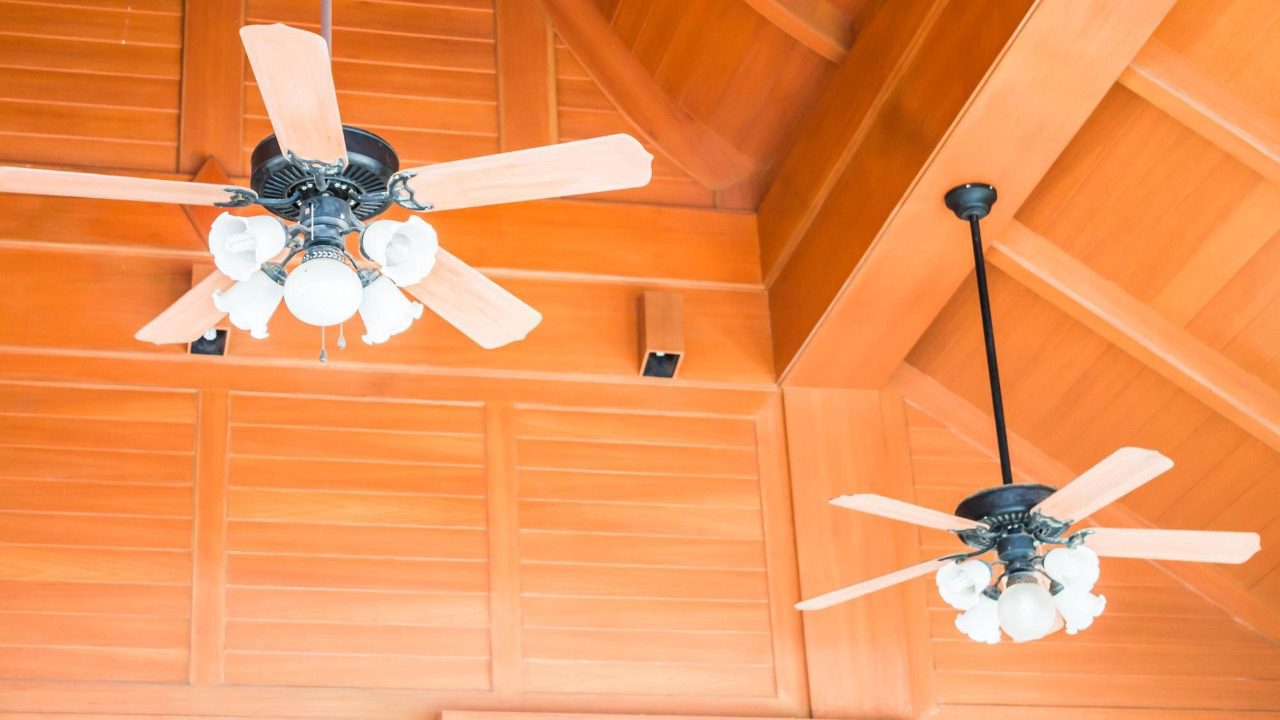
Ceiling fans with attached lights can serve a dual purpose, but many of the designs we see today are uninspired and dated. Designers recommend choosing modern ceiling fans that match your decor and investing in separate lighting fixtures for better light distribution.
9. Excessive Use of Pendant Lights


Pendant lights are a wonderful way to add a focal point to a room. However, too many pendant lights can make a space look cluttered and disorganized. Designers suggest using pendant lights sparingly and strategically for the best effect.
10. Outdated Bathroom Vanity Lights

Outdated vanity lights can make your bathroom feel like a relic from the past. The trend of large, globe-style bulbs is on the way out, replaced by sleek and functional lighting solutions that flatter rather than overpower.
For more insights into the changing trends, check out this informative article on Business Insider.
11. Misuse of Task Lighting

Task lighting is important, but it should be used correctly. Placing task lights in improper areas can lead to glare and shadows, making it more difficult to perform tasks. Designers recommend carefully considering the placement of task lights to ensure they are truly helpful.
12. Ignoring the Importance of Natural Light

Natural light can do wonders for a space, yet it’s often underestimated or ignored. Relying solely on artificial lighting can result in a space that feels artificial and unwelcoming. Designers stress the importance of maximizing natural light alongside artificial sources for a balanced, inviting atmosphere.