



As a lover of all things home design, I’ve noticed a few common mistakes people tend to make when it comes to setting up their living rooms. We all have our own unique style, and that’s what makes our homes so special. However, there are some universal design principles that, when ignored, can make a living room feel less than inviting. Designers often see these habits cropping up again and again. So, I thought I’d put together a handy guide to help you avoid these common pitfalls. Let’s dive in and explore some of the living room habits you might want to reconsider.
1. Ignoring the Importance of a Focal Point

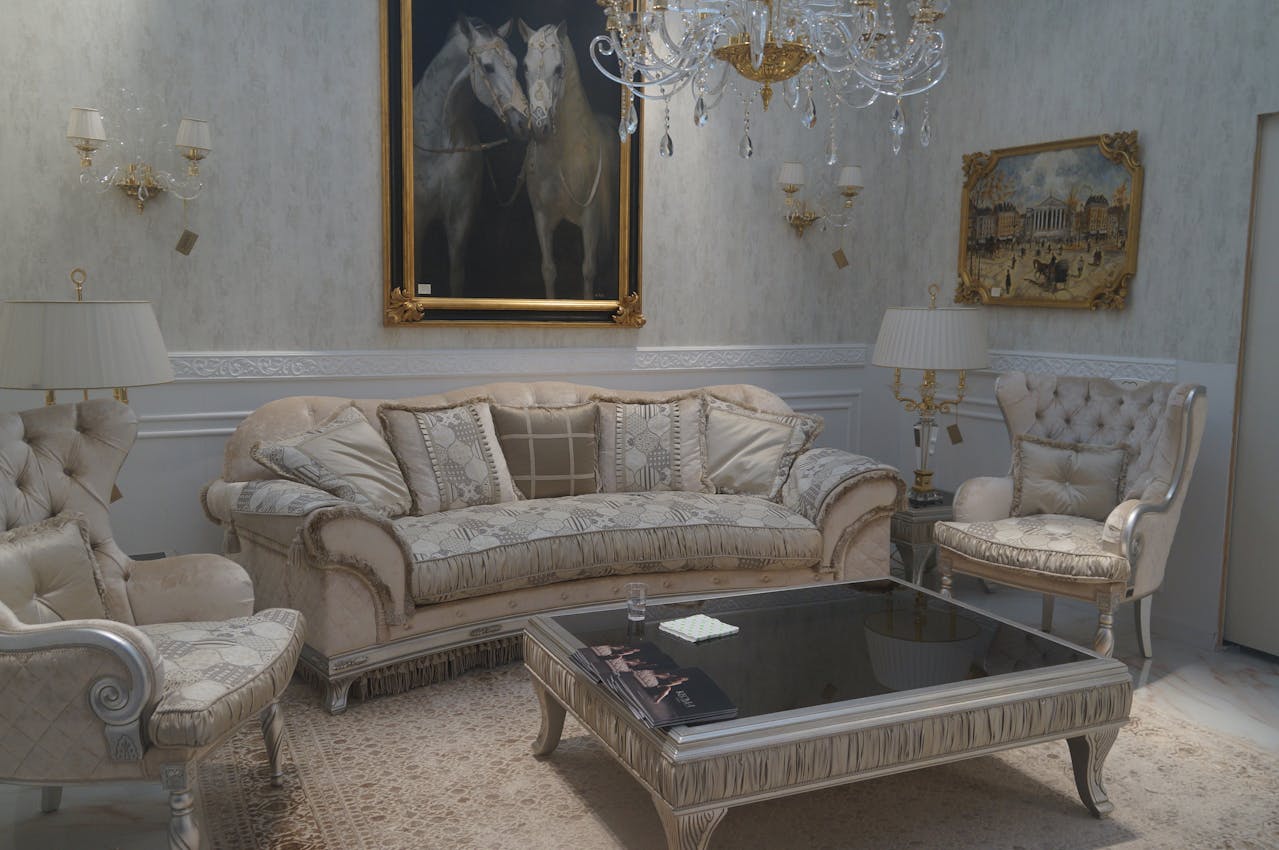
Every room needs a focal point – it’s a design fundamental. This is the spot where your eye is naturally drawn when you first enter the room. It could be a fireplace, a piece of artwork, or even a large window with a beautiful view. Ignoring this principle can lead to a room that feels disjointed and lacking in structure. So, before you start arranging your furniture, take a moment to identify your room’s natural focal point and design around it.
2. Neglecting the Room’s Traffic Flow


Have you ever visited a friend’s house and found yourself weaving around furniture or tripping over a poorly placed coffee table? This is what happens when the room’s traffic flow is ignored. When planning your space, think about how people will move around. You want to create clear and easy paths for movement. This can be achieved by properly positioning your furniture and keeping walkways unobstructed.
3. Overcrowding with Too Much Furniture


It can be tempting to fill your room with lots of beautiful furniture. But too much of a good thing can actually make a room feel cramped and cluttered. A room needs space to breathe. So, before you buy that extra side table or bookcase, consider how it will impact the overall feel of your room. Remember, less can often be more when it comes to furniture.
4. Underutilizing Lighting Options

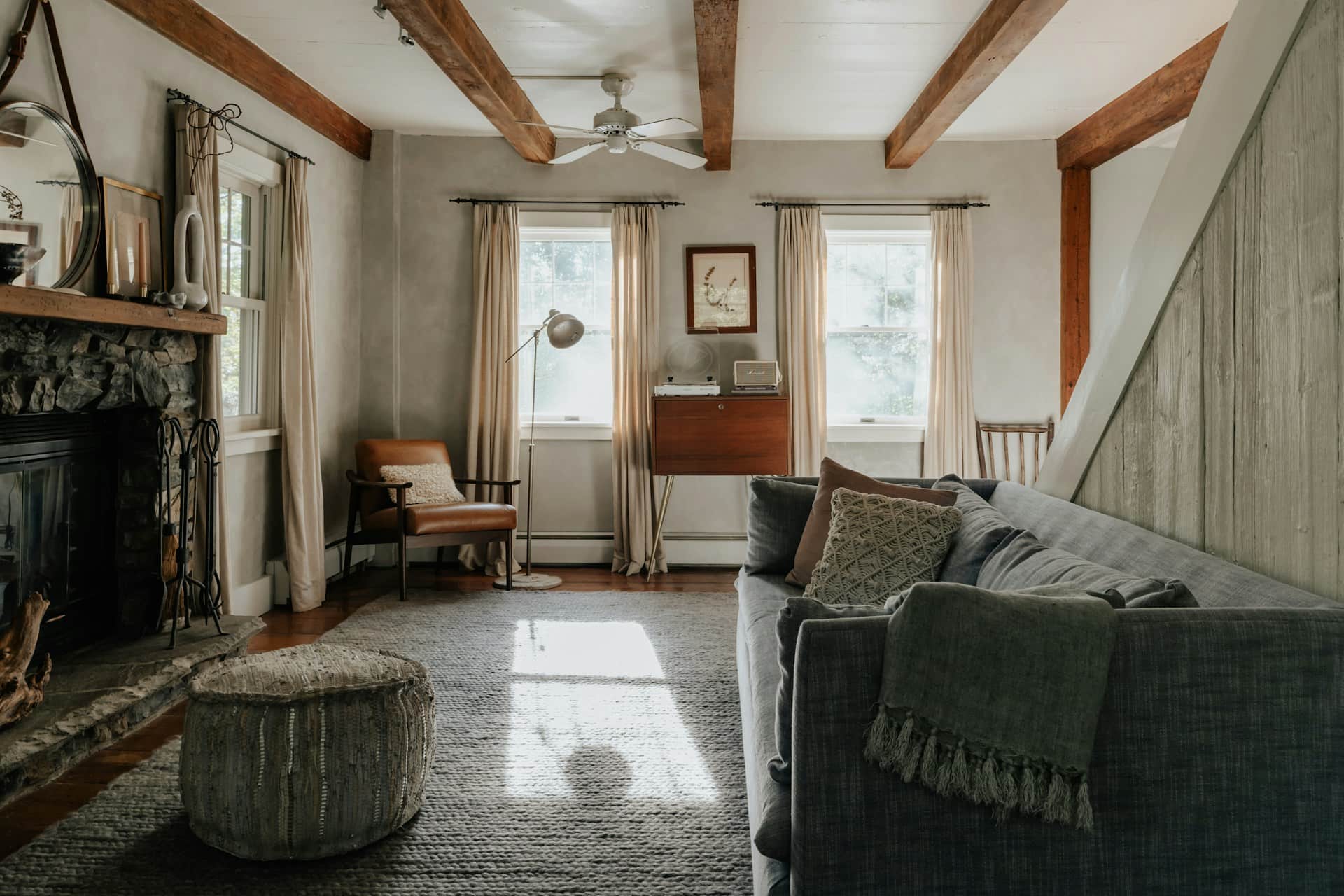
Lighting plays a key role in creating mood and atmosphere. Relying solely on overhead lighting can create harsh shadows and leave portions of your room looking dull. Try to incorporate a mix of lighting sources such as table lamps, floor lamps, and even candles. This can create a more inviting and cozy atmosphere. Check out this guide for more lighting tips.
5. Overlooking the Impact of Scale and Proportion
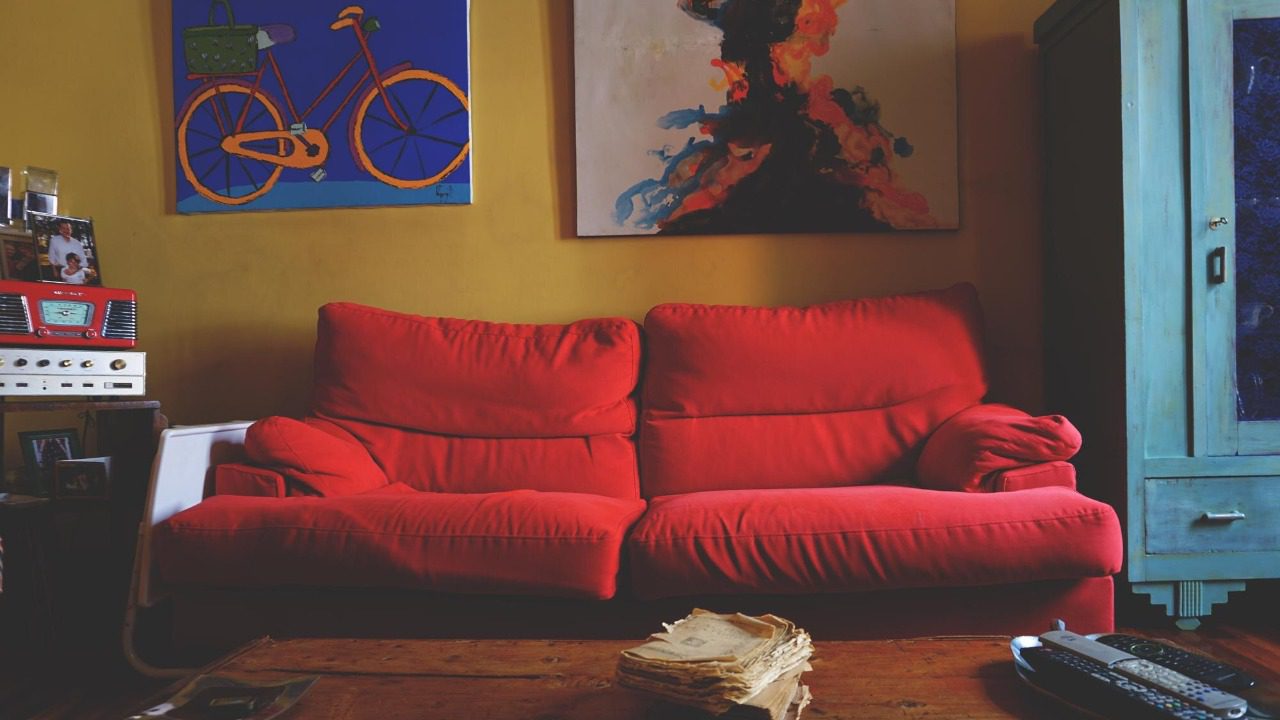
When choosing furniture and decor, it’s important to consider scale and proportion. A large, bulky sofa might look great in the store, but if it overwhelms your room, it can throw everything off balance. Similarly, a tiny coffee table might get lost in a large, open space. Always consider the size of your room and the other items in it when making purchases.
6. Relying Solely on Overhead Lighting
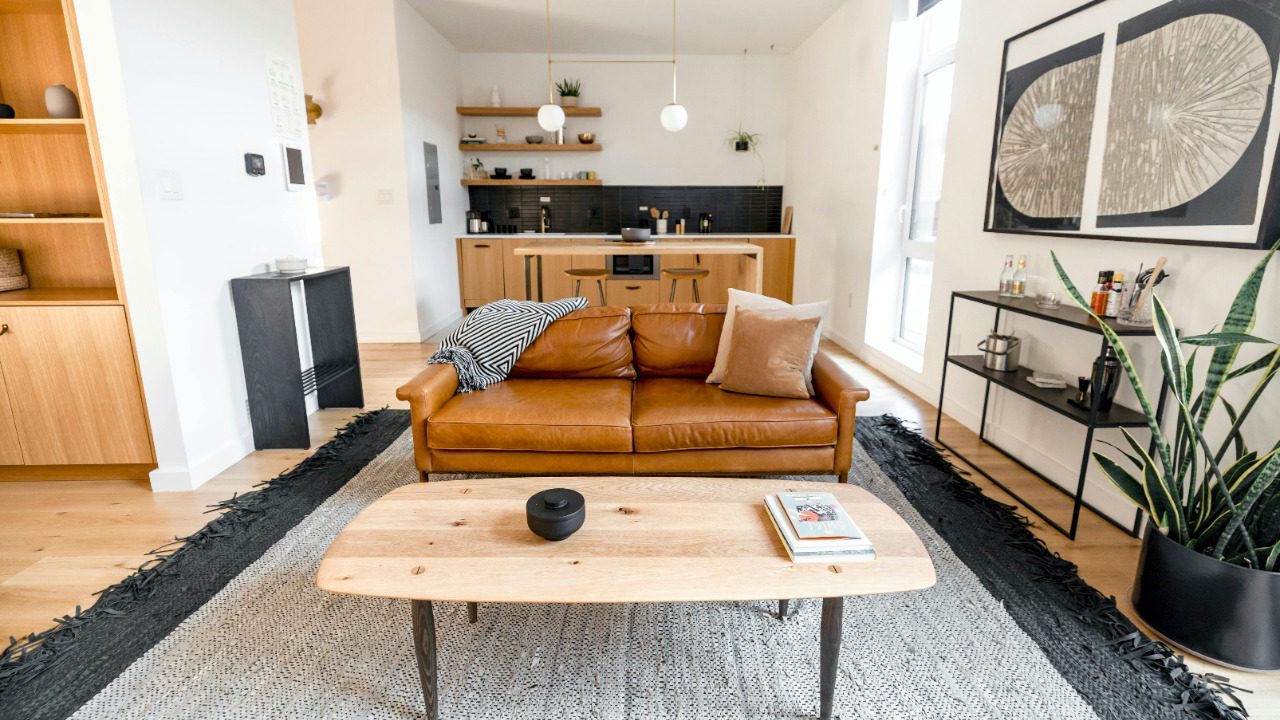
As mentioned earlier, lighting is crucial in any living room. But relying solely on overhead lighting can result in a flat, uninviting atmosphere. Try to create a layered lighting scheme. This could include a mix of ambient, task, and accent lighting. Ambient light provides the overall illumination, task lighting targets specific tasks like reading, while accent lighting highlights certain features like artwork.
7. Clinging to Outdated Design Trends
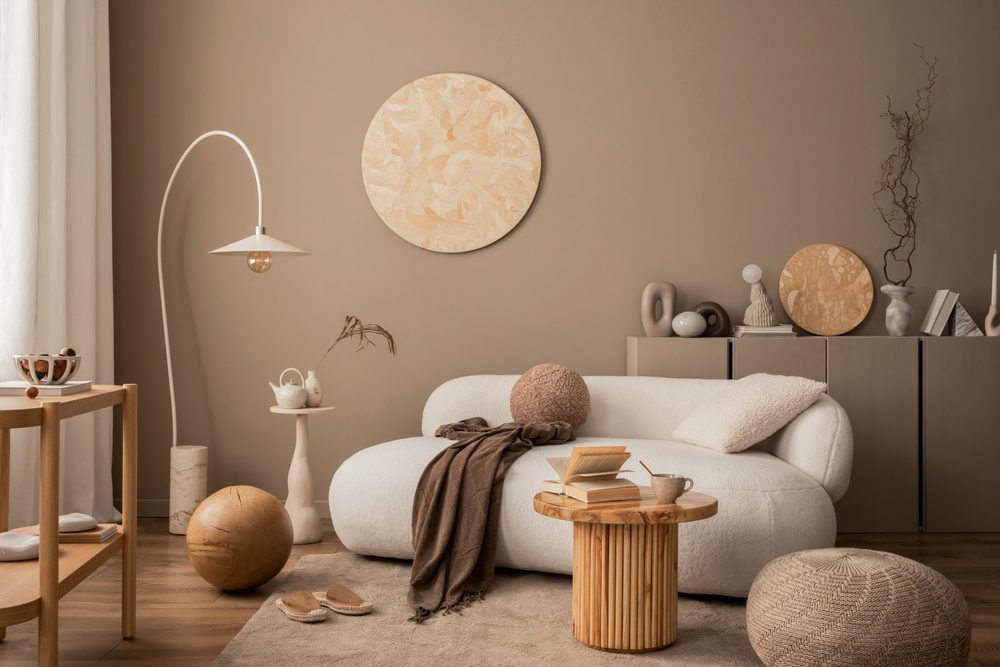
While it’s great to have a unique style, clinging to outdated design trends can make your living room look dated. Trends come and go, so it’s best to stick with timeless designs that you love and then add a few trendy elements to keep things fresh. You can get some great insights from this book on interior design principles.
8. Displaying All Collectibles at Once
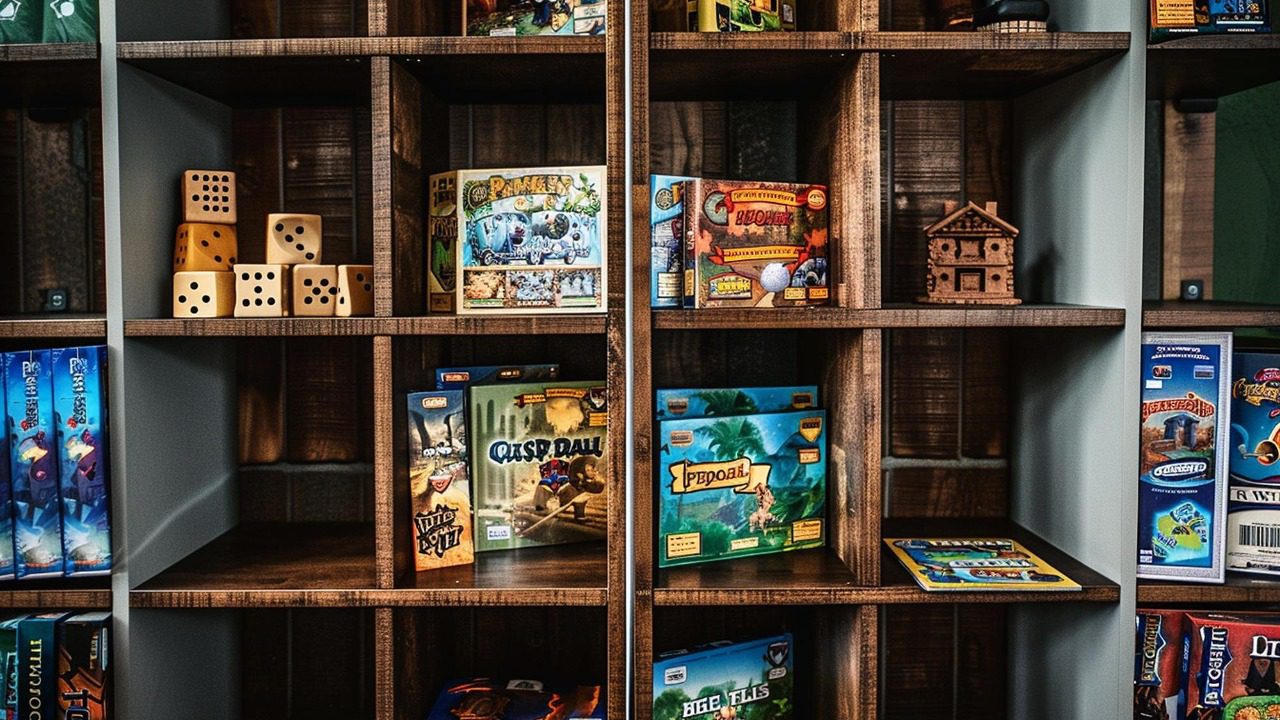
If you’re a collector, it’s natural to want to display your prized possessions. However, displaying all your collectibles at once can lead to visual clutter. Instead, consider rotating your collections. This not only keeps your display fresh but also gives each item its moment in the spotlight.
9. Choosing Furniture Without Considering Material Durability
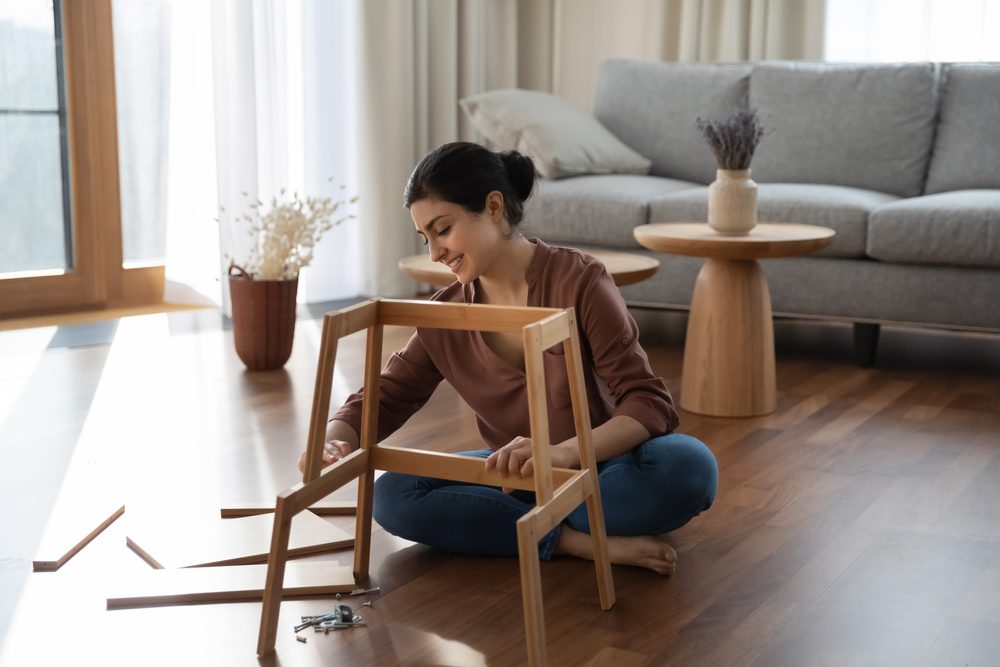
When purchasing furniture, it’s easy to be swayed by aesthetics. But it’s equally important to consider material durability. Will the fabric hold up to pets or kids? Will the table top resist scratches and stains? Remember, your living room is a space for living, not just looking at.
10. Hanging Artwork at Incorrect Heights

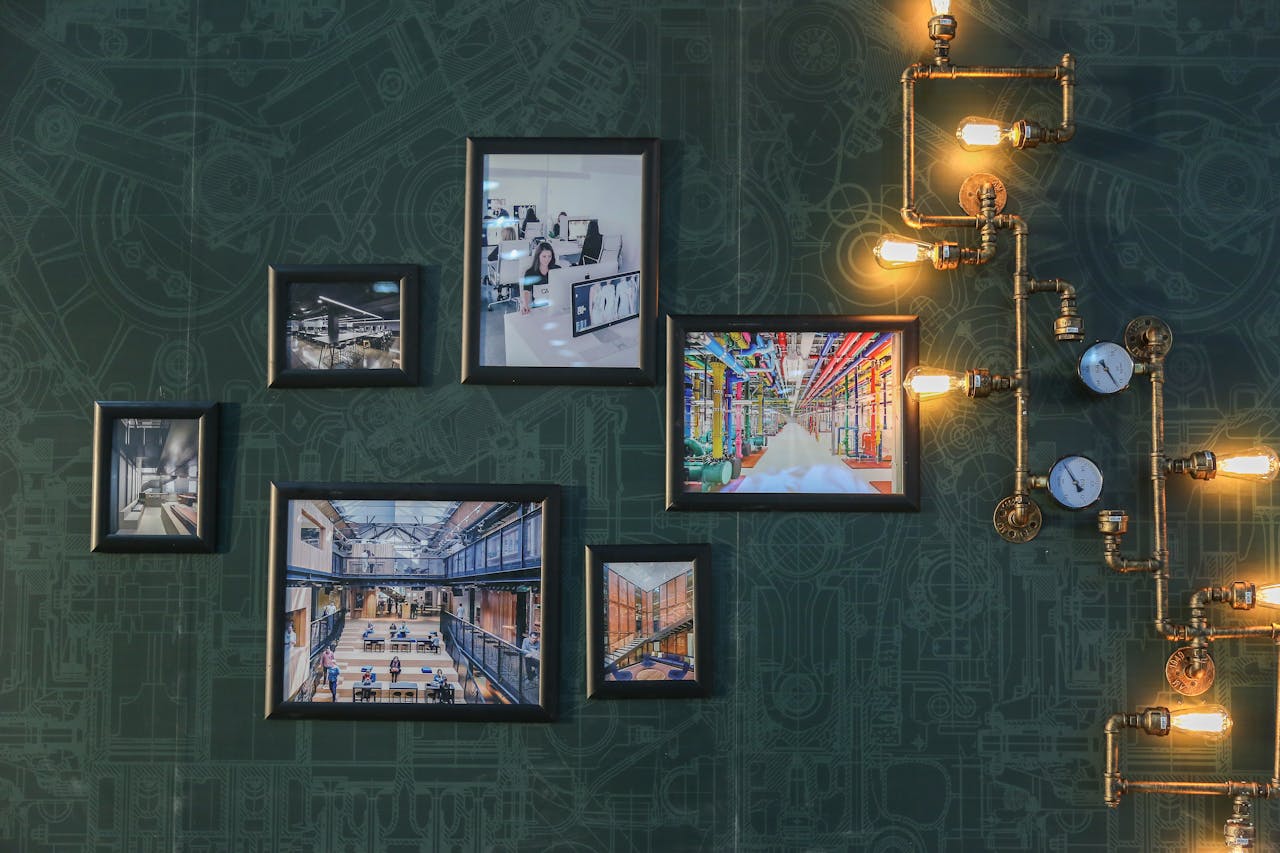
Artwork can instantly elevate a living room. But hanging it at the wrong height can throw off the balance of your room. As a general rule, the center of your artwork should be at eye level. This might vary slightly depending on the height of your ceilings and furniture, but it’s a good starting point.
11. Not Regularly Cleaning and Maintaining Furniture

Maintaining your furniture is key to keeping your living room looking its best. Regular cleaning can prevent build-up of dust and grime. And if you have upholstered furniture, consider having it professionally cleaned once a year. This will help to prolong its life and keep it looking fresh. Here’s a good guide to cleaning habits you might want to adopt.
12. Neglecting the Importance of Personal Style and Comfort

Lastly, never forget that your living room is your space. It should reflect your personal style and be a place where you feel comfortable. While it’s good to keep design principles in mind, don’t let them overshadow your own taste. After all, you’re the one who will be spending time in this room, so make it a place you love.