


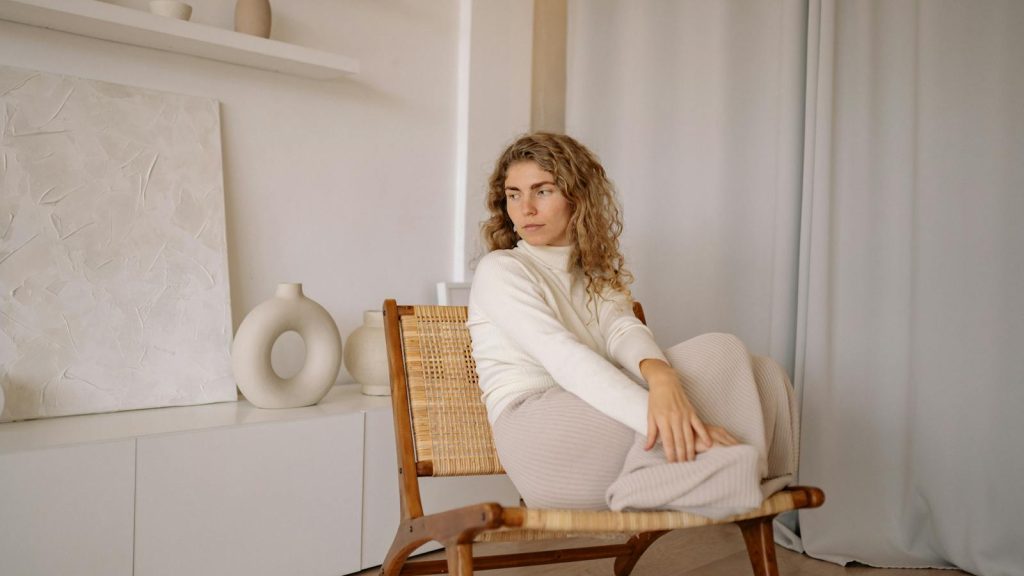
Minimalist decor is all about simplicity, functionality, and the beauty of less-is-more. However, when not done right, it can make your home feel cold and empty. It’s like walking into a room and sensing that something’s missing, but you can’t quite put your finger on what it is. The key is to strike a balance between minimalism and warmth, creating a space that feels both clean and cozy. Whether you’re a minimalist enthusiast or just starting to explore this decor style, here are 12 common mistakes to avoid.
1. Overdoing the White Space

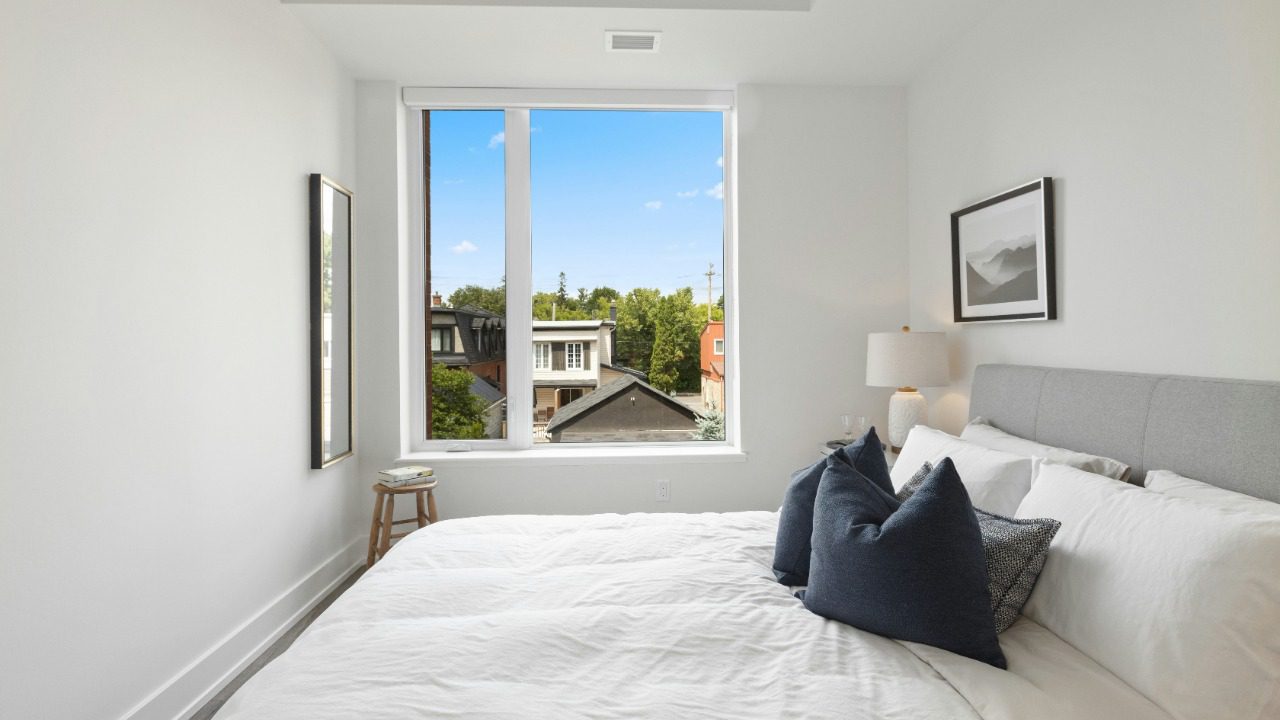
While white spaces are a key component of minimalist design, too much of it can leave a room feeling empty and uninviting. It’s essential to maintain a balance. A well-placed piece of art or a colorful rug can break the monotony of white space and create visual interest.
Try using different shades of white or incorporating subtle patterns into your decor to create depth and warmth. Remember, minimalism doesn’t mean you have to eliminate everything – it’s about intentional and mindful decorating.
2. Neglecting Texture and Patterns

Texture and patterns are essential to add depth and interest to a minimalist space. Think fluffy rugs, knitted throws, or textured pillows. They can create a sense of coziness without adding visual clutter. You can also play with different patterns to create a dynamic and visually appealing space. A patterned rug or a set of patterned pillows can be just what your room needs to feel more complete.
3. Forgetting to Add Warmth with Natural Materials

Natural materials like wood and stone can add warmth to a minimalist space. A wooden coffee table or a stone fireplace can bring a sense of organic beauty and comfort to your home. They can also help soften the sleek lines and cool tones often associated with minimalism.
Additionally, incorporating plants can add life and color to your space without overpowering it. A large fiddle leaf fig tree or a collection of succulents can be the perfect addition to a minimalist room.
4. Skipping Out on Personal Touches
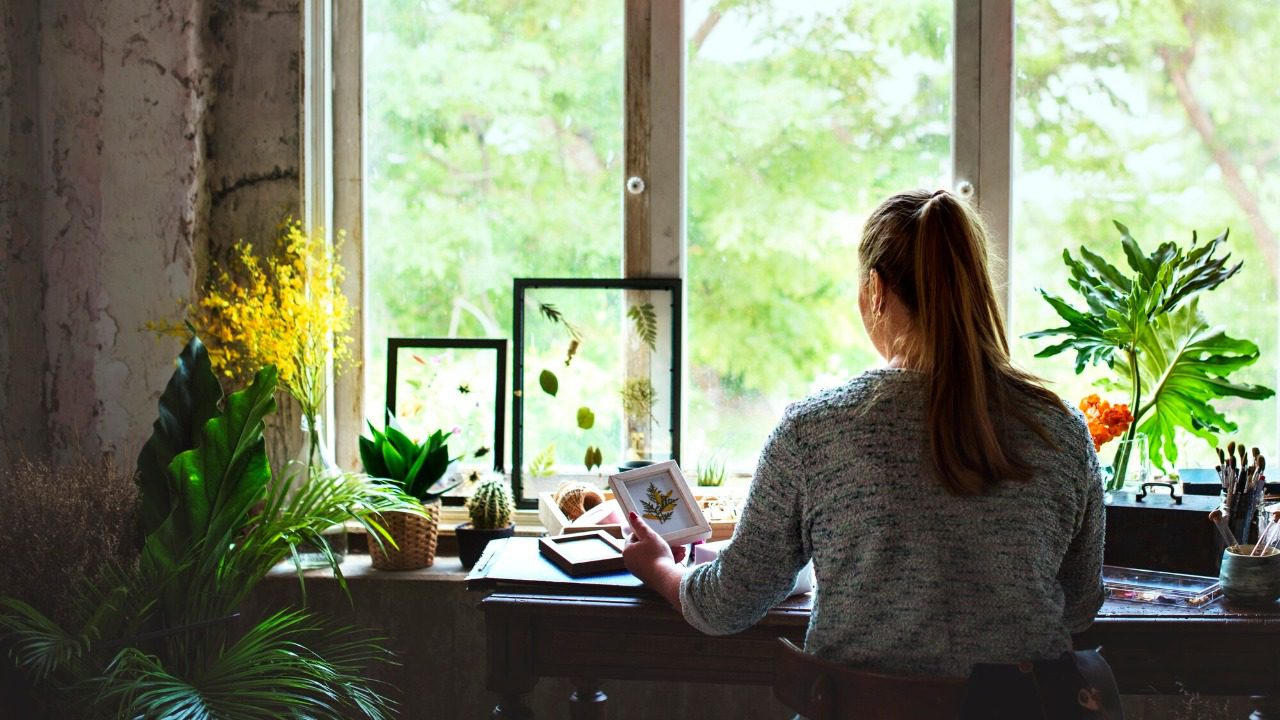
Adding personal touches to your decor can make your home feel more inviting and lived-in. Displaying family photos, cherished mementos, or pieces of art that you love can give your home a unique character. Remember, minimalism doesn’t mean depersonalizing your space – it’s about curating items that truly matter to you.
Consider creating a focal point with a gallery wall or a display shelf. Not only does it add visual interest, but it also allows you to showcase your personality and style.
5. Eliminating All Colors

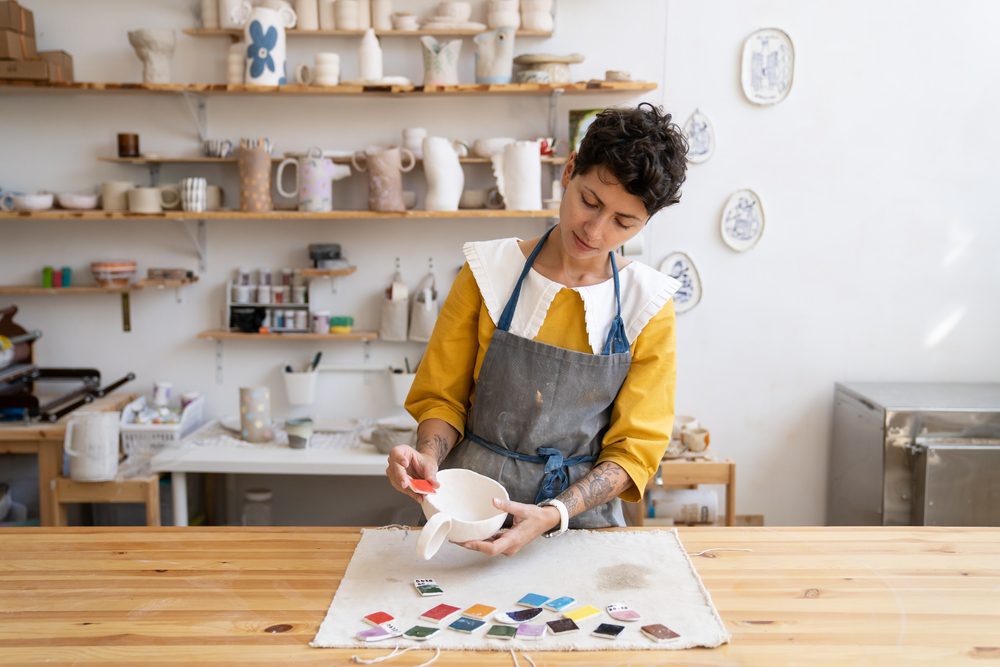
While minimalist design often favors neutral tones, it doesn’t mean you have to eliminate all colors. Adding pops of color can enliven a minimalist space and prevent it from feeling stark or sterile. Consider adding colorful pillows, a vibrant piece of art, or a brightly colored chair to your space.
Just remember to keep it balanced – too many colors can create visual clutter, defeating the purpose of minimalist design. Stick to a few key colors and integrate them thoughtfully into your space.
6. Ignoring the Importance of Layers
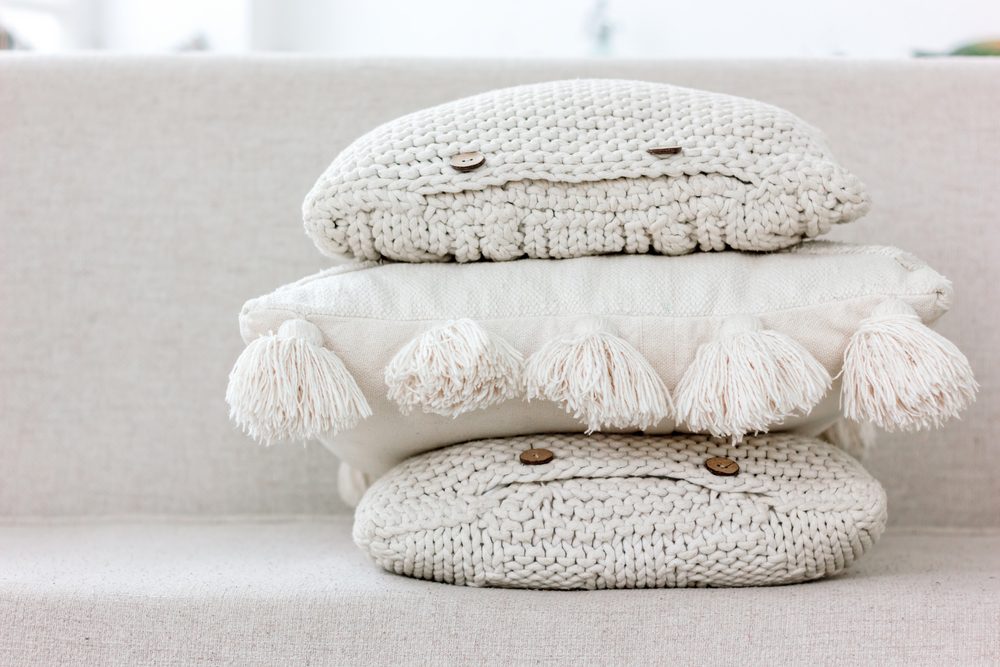
Layering is a key element in creating a cozy and inviting space. Think of layering as adding different elements to your room that work together to create depth and dimension. This could be a stack of books on a coffee table, a throw blanket draped over a chair, or a collection of pillows on a sofa.
By adding layers, you’re not only adding visual interest to your space, but you’re also making it feel more lived-in and homey. Just be careful not to overdo it – remember, in minimalist design, less is often more.
7. Stripping Away Too Much Furniture

While minimalism is about reducing clutter and unnecessary items, it doesn’t mean you have to live in an empty room. Furniture is essential for functionality and comfort. The key is to choose pieces that serve a purpose and fit well within your space.
For example, a comfortable sofa, a practical coffee table, and a couple of functional side tables are often all you need in a minimalist living room. Avoid the temptation to fill your space with too many pieces of furniture – instead, opt for a few key pieces that are both stylish and functional.
8. Insufficient Lighting

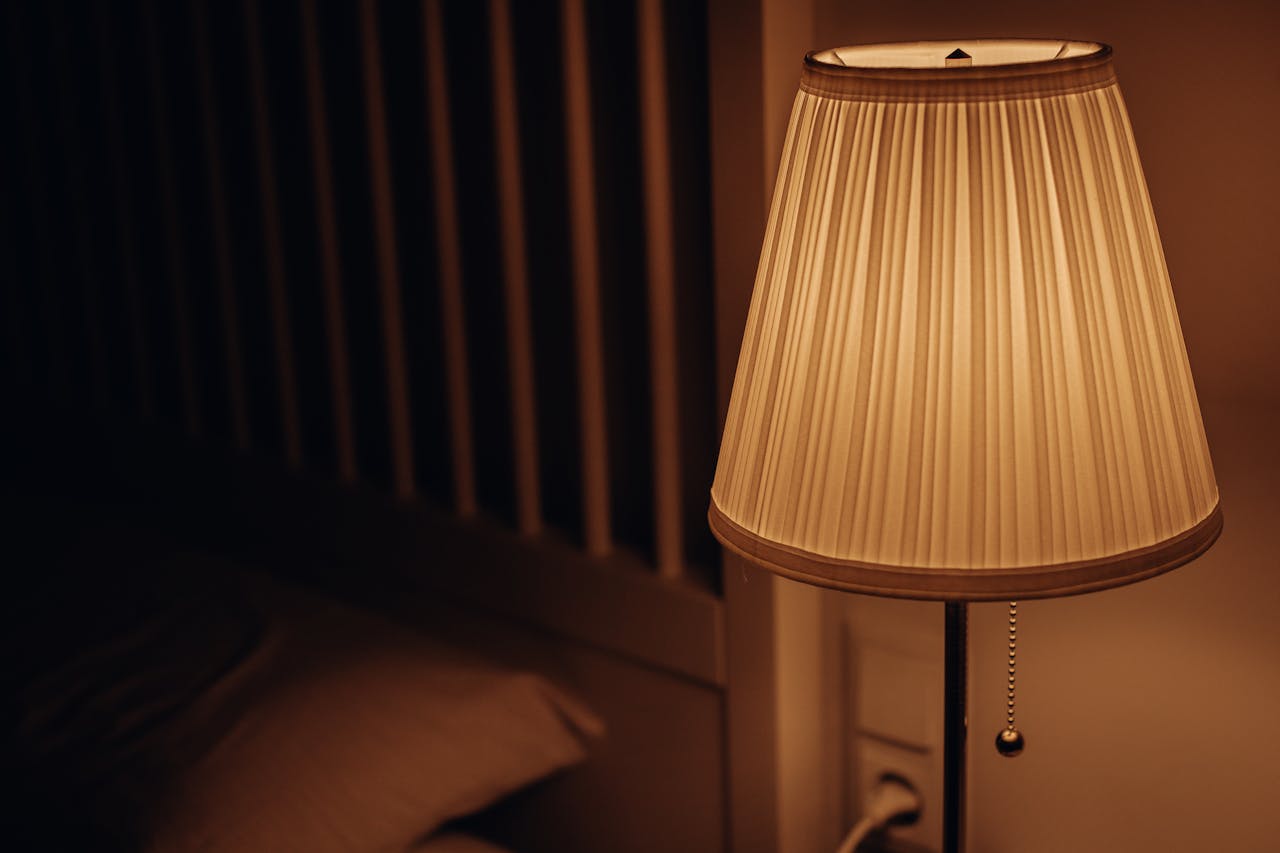
Lighting plays a crucial role in creating a warm and inviting space. Poor lighting can make your home feel cold and uninviting, no matter how well-decorated it is. Incorporate a mix of ambient, task, and accent lighting to create a well-lit and inviting space.
Consider using dimmable lights to create different moods and atmospheres in your space. Also, don’t forget about natural light – it can make your space feel more open and airy, enhancing the minimalist aesthetic.
9. Lack of Focal Points and Statement Pieces

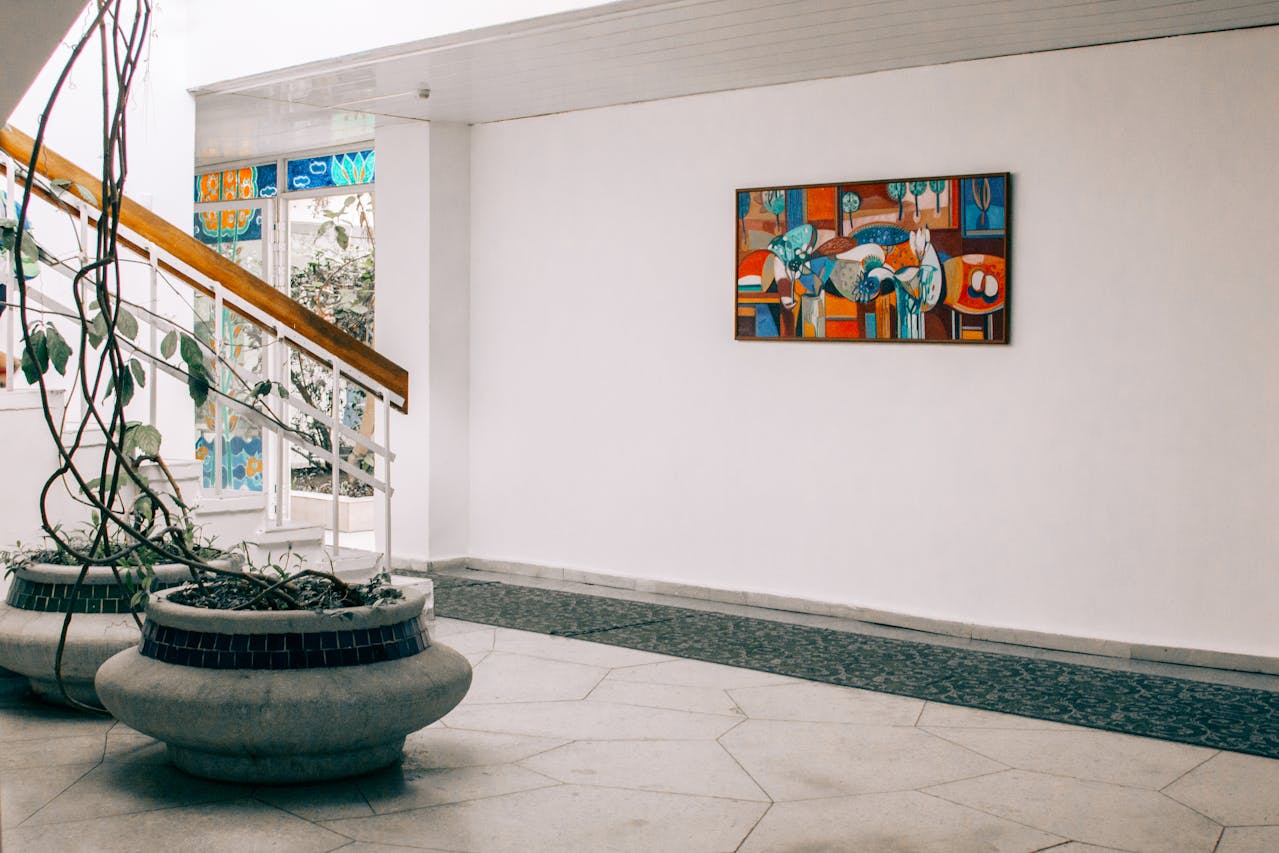
Even in minimalist design, focal points and statement pieces are vital. They draw the eye and add visual interest to your space. This could be a large piece of art, a statement light fixture, or a unique piece of furniture.
Choose pieces that reflect your personal style and work well with the rest of your decor. Remember, the goal is not to fill your space with stuff but to carefully curate pieces that enhance your space and bring you joy.
10. Confusing Minimalism with Lack of Functionality


Minimalism is about simplicity and functionality, not lack of functionality. Your home should still be comfortable and functional. Make sure you have enough storage to keep clutter at bay and that your furniture is comfortable and practical.
If you find that your space is not functioning well, consider reevaluating your furniture and storage solutions. Remember, a minimalist home is not just about looking good – it’s also about living better.
11. Misjudging the Scale of Furniture and Decor

Choosing the right scale of furniture and decor is crucial in minimalist design. Too large and the pieces can overwhelm your space; too small and they can make your space feel empty and disjointed. Take the time to measure your space and choose pieces that fit just right.
Additionally, consider the proportions of your furniture and decor. A large sofa might require a larger coffee table to balance it out, while a small room might benefit from a smaller, more delicate piece of furniture.
12. Not Mixing Different Materials and Finishes
Mixing different materials and finishes can add depth and interest to a minimalist space. Think metal and wood, glass and fabric, matte and glossy. These contrasts can create a dynamic and visually appealing space without adding visual clutter.
Remember, minimalism is not about creating a sterile and monotonous space – it’s about creating a space that feels calm and peaceful, yet warm and inviting. By avoiding these common mistakes, you can create a minimalist home that feels anything but empty.