

When you decide to donate old books, it’s important to choose wisely to make sure your donations are helpful and appreciated. Not every book is a good candidate for donation, especially if it’s outdated, damaged, or doesn’t serve a clear purpose for readers.
This guide will help you understand which old books you should think twice about before giving away.
Old Textbooks Over 5 Years


If your textbooks are more than five years old, they might contain outdated information. Donating these could confuse or mislead others who rely on current facts and data.
Instead, consider recycling them or repurposing pages for art or craft projects.
Moldy or Water-Damaged Books

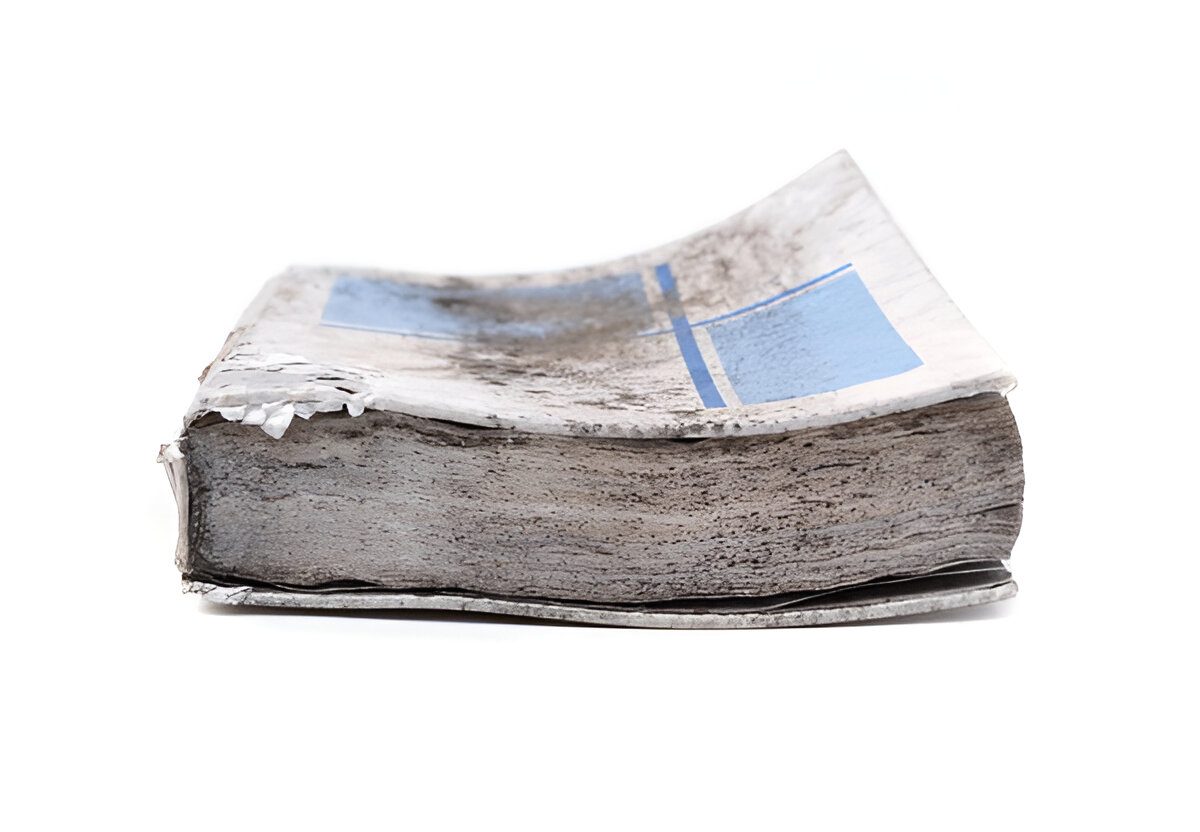
If you have books with mold or mildew, it’s best not to donate them. Mold spreads easily and can damage other books, so these should be discarded.
Water-damaged books often have warped pages or stains and are usually not salvageable.
Books with Torn or Missing Pages


You should avoid donating books that have torn or missing pages. These books are difficult for libraries or donation centers to use or sell.
If your book is in this condition, consider recycling it instead.
Outdated Technical Manuals


If you have old technical manuals, think twice before donating them. Technology changes fast, so these books often become irrelevant quickly.
Your manuals might confuse or frustrate readers trying to learn new systems.
Old Guides and How-To Books

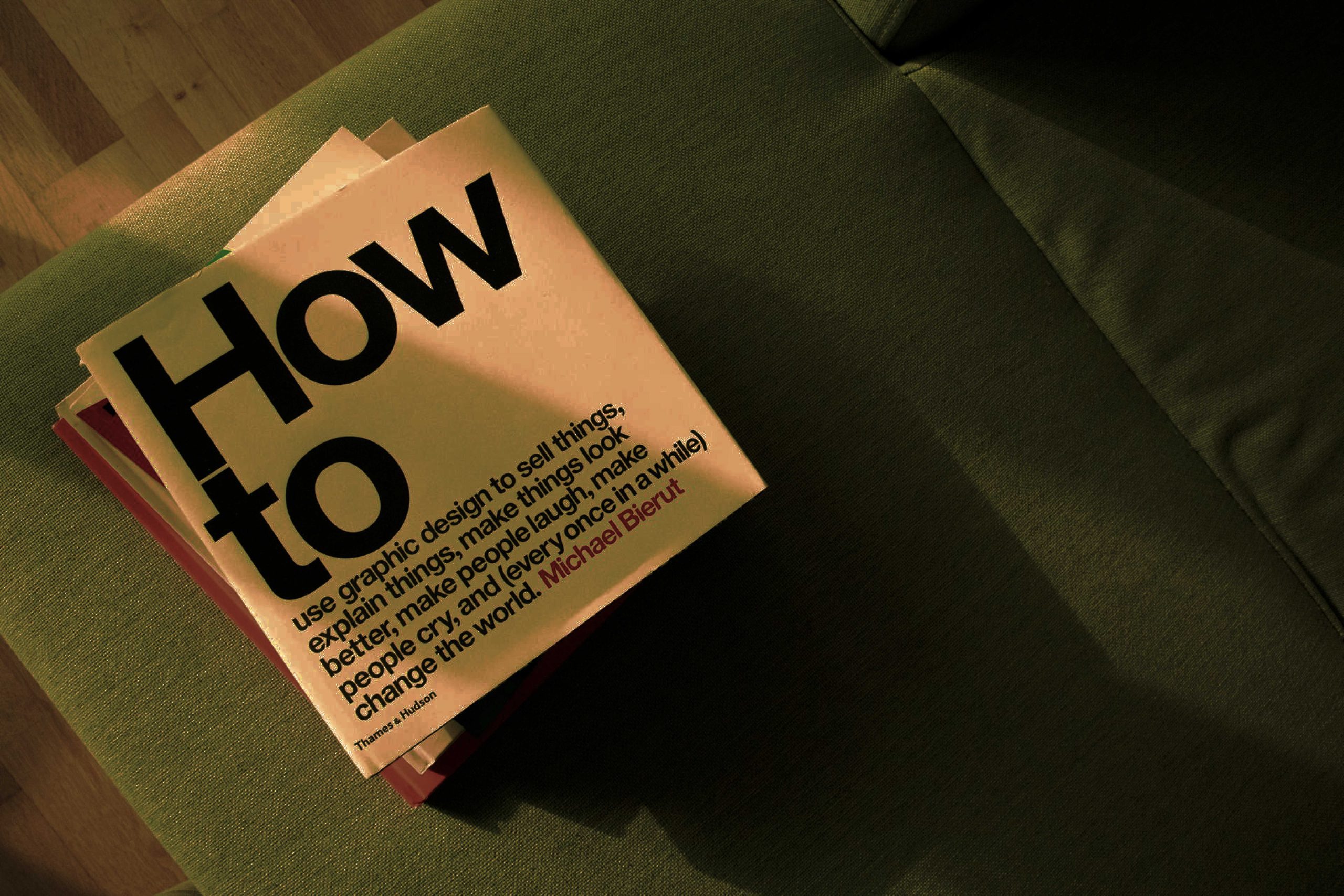
You might think old guides and how-to books are helpful, but many times they contain outdated information. Technology and methods change quickly, so these books often don’t offer useful advice anymore.
Donating them can confuse or frustrate readers who need accurate, up-to-date info.
Dirty or Stained Books

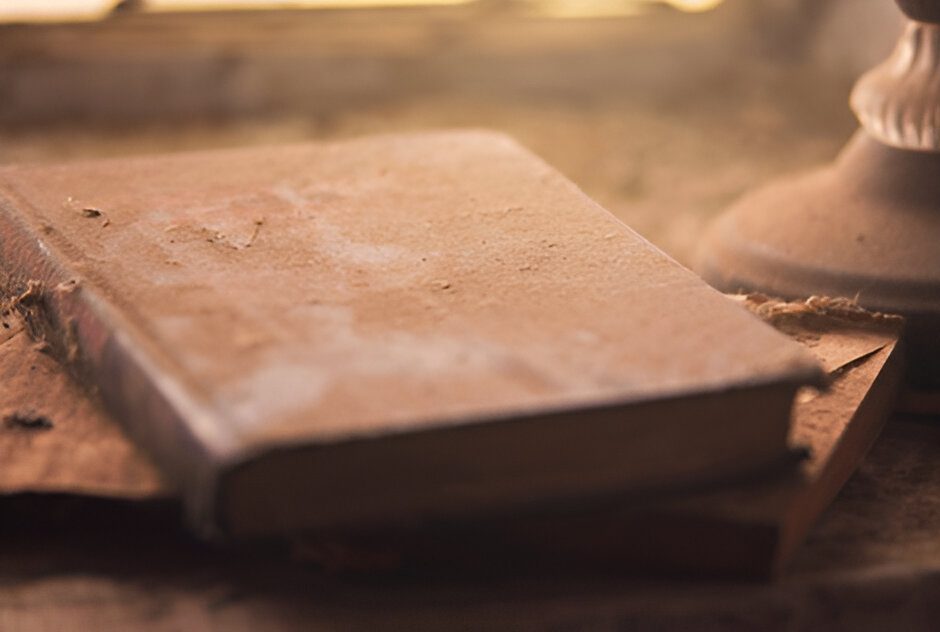
You should avoid donating books that are dirty or stained. These books can carry dust, mold, or mildew, which may cause health issues or damage to other materials.
If your book has noticeable stains, marks, or spills, it’s best to keep it out of donation piles.
Abridged Editions of Classics


You might come across abridged editions of classic books when sorting through old donations. These versions are shortened to make reading easier or faster, but they often leave out important details.
While they can be helpful for younger readers, abridged books usually lack the full depth and style of the original.
Religious Texts Not in Good Condition

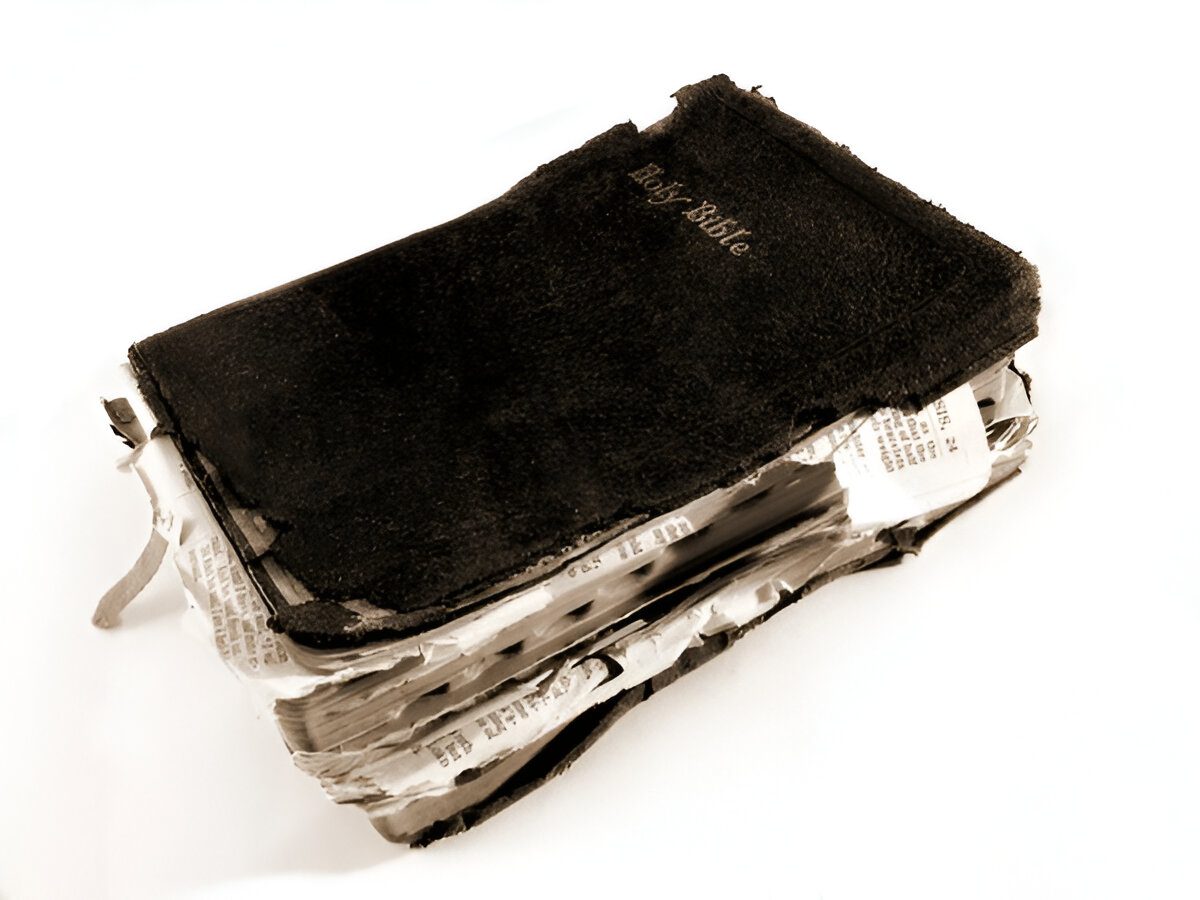
If your religious books are damaged, torn, or have missing pages, it’s best not to donate them. Many places prefer books in readable condition to respect their value and usefulness.
You can consider recycling or respectfully disposing of worn-out texts instead of donating.
Textbooks with Incorrect Information
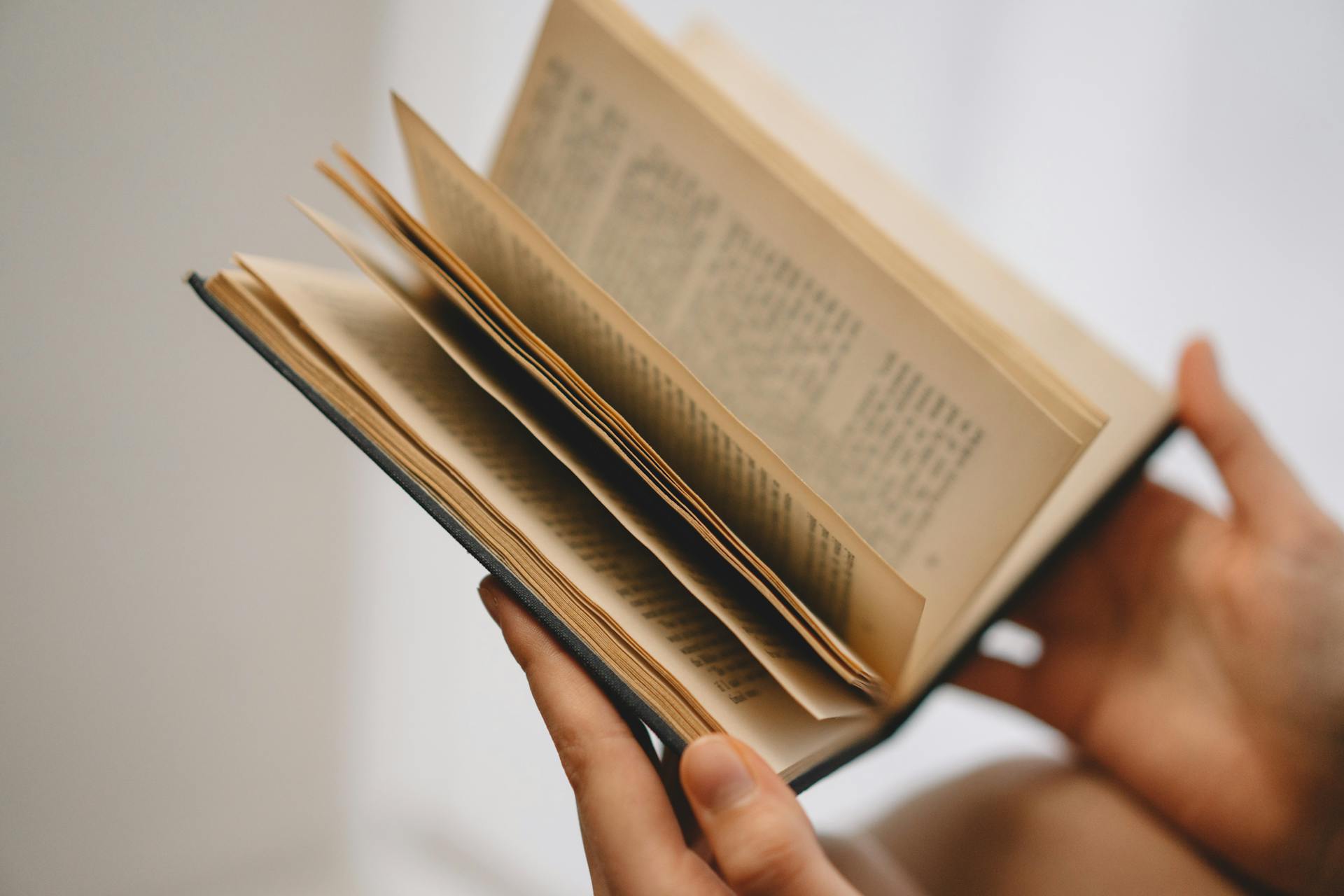
You should avoid donating textbooks that contain outdated or incorrect information. These books can confuse or mislead readers, especially students who rely on accurate data for learning.
If a textbook has been revised multiple times, older editions often include facts that are no longer valid.
Magazines Over a Year Old

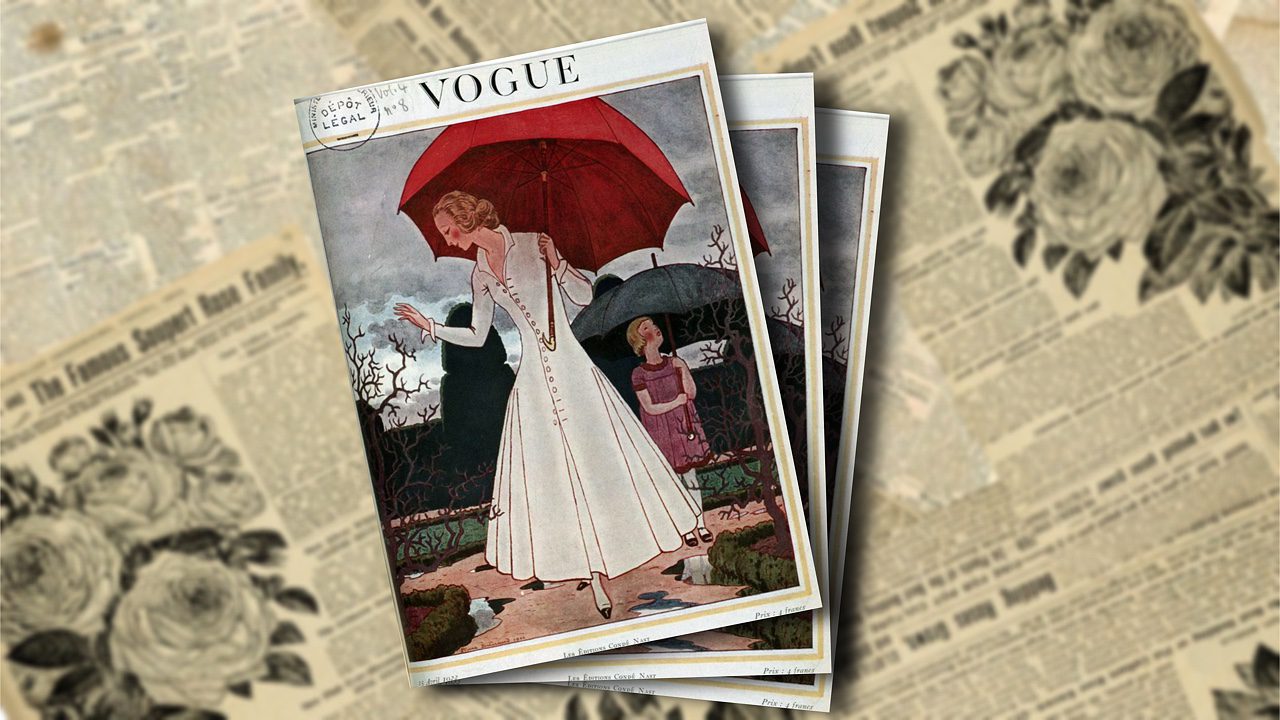
If you have magazines that are more than a year old, it’s usually best not to donate them. Many places prefer current issues since older magazines can feel outdated and less useful to readers.
You might consider recycling or passing them to friends instead.
Novelty Books with Broken Bindings

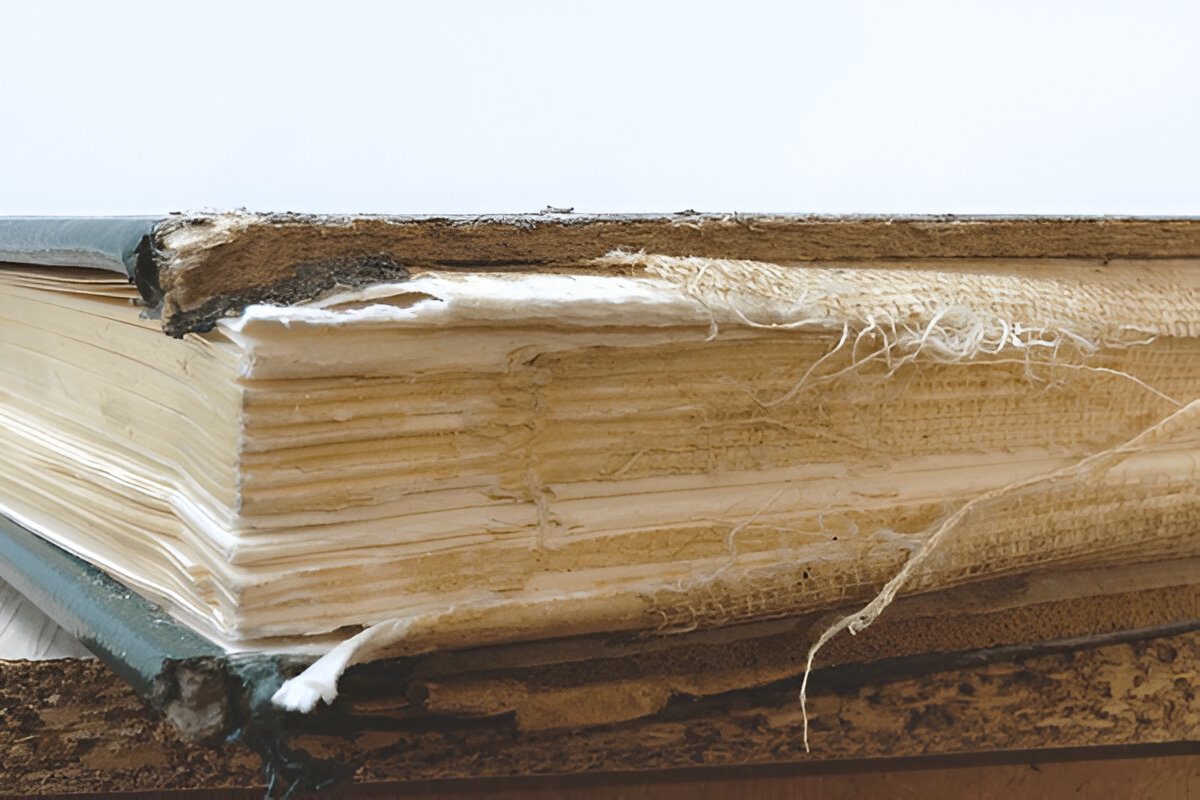
If your novelty book has a broken binding, it’s best not to donate it. These books often don’t hold up well, and a damaged spine makes them hard to use.
Donors and libraries usually prefer books that are complete and in good condition.
Instead, consider repairing the binding first or recycling the book if it’s beyond repair.