


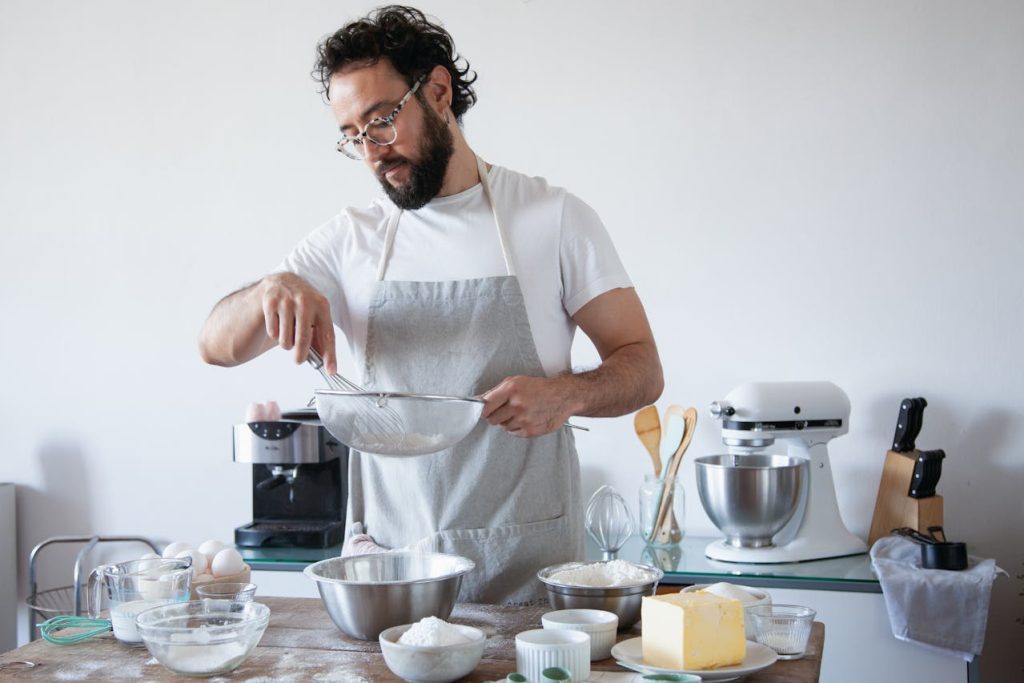
You might think old-fashioned skills are no longer relevant, but many of them still play a valuable role in daily life. Knowing these practical abilities can help you become more self-reliant and confident in handling everyday challenges.
Learning these skills can save you time, money, and stress while making you more independent. Whether it’s managing your finances better or fixing things around the house, these abilities remain useful in today’s fast-paced world.
Cooking from scratch

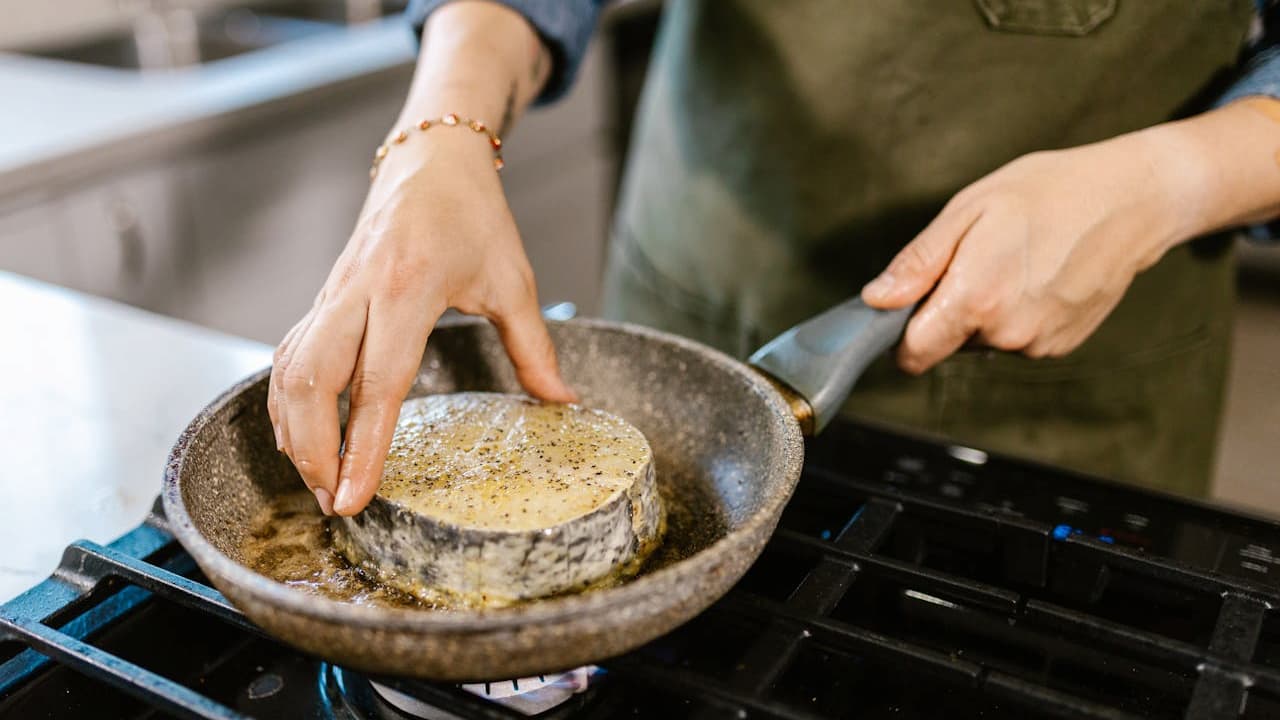
Cooking from scratch means using fresh ingredients to prepare meals yourself. It helps you control what goes into your food, making it healthier and often tastier.
You learn to appreciate basic cooking skills like chopping, mixing, and seasoning. This skill can save money too, as homemade meals are usually cheaper than processed or takeout options.
By cooking from scratch, you gain confidence in the kitchen and enjoy meals made exactly how you like them. It’s a practical skill that fits well with today’s focus on health and self-sufficiency.
Hand sewing and mending clothes

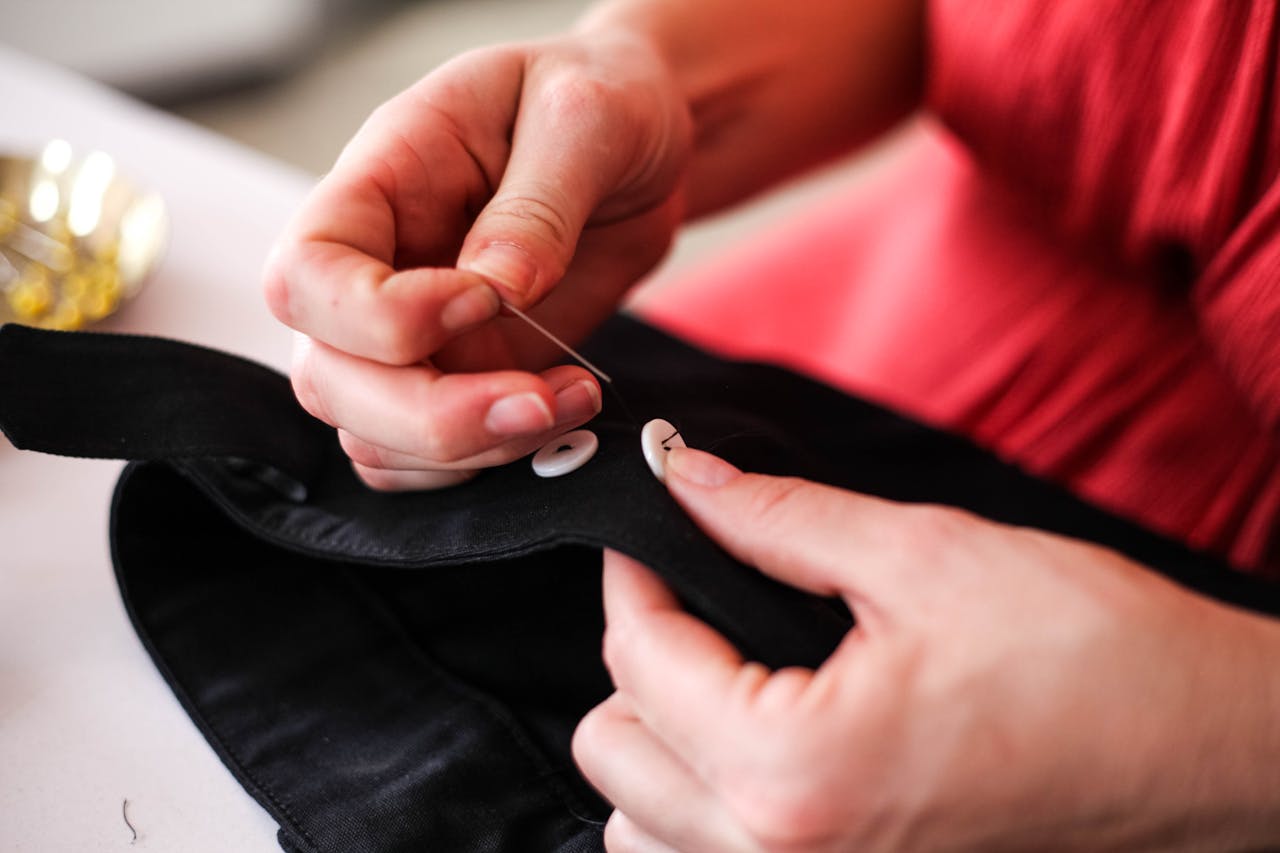
You can save money and extend your wardrobe by learning to hand sew. Fixing small holes or loose buttons is quick and easy once you know the basics.
Sewing also lets you customize your clothes to fit better or change their style. It’s a useful skill that doesn’t require expensive equipment.
In emergencies, hand sewing can even help with basic first aid, like closing small wounds. Having this skill can give you more confidence in daily life.
Gardening and growing your own food
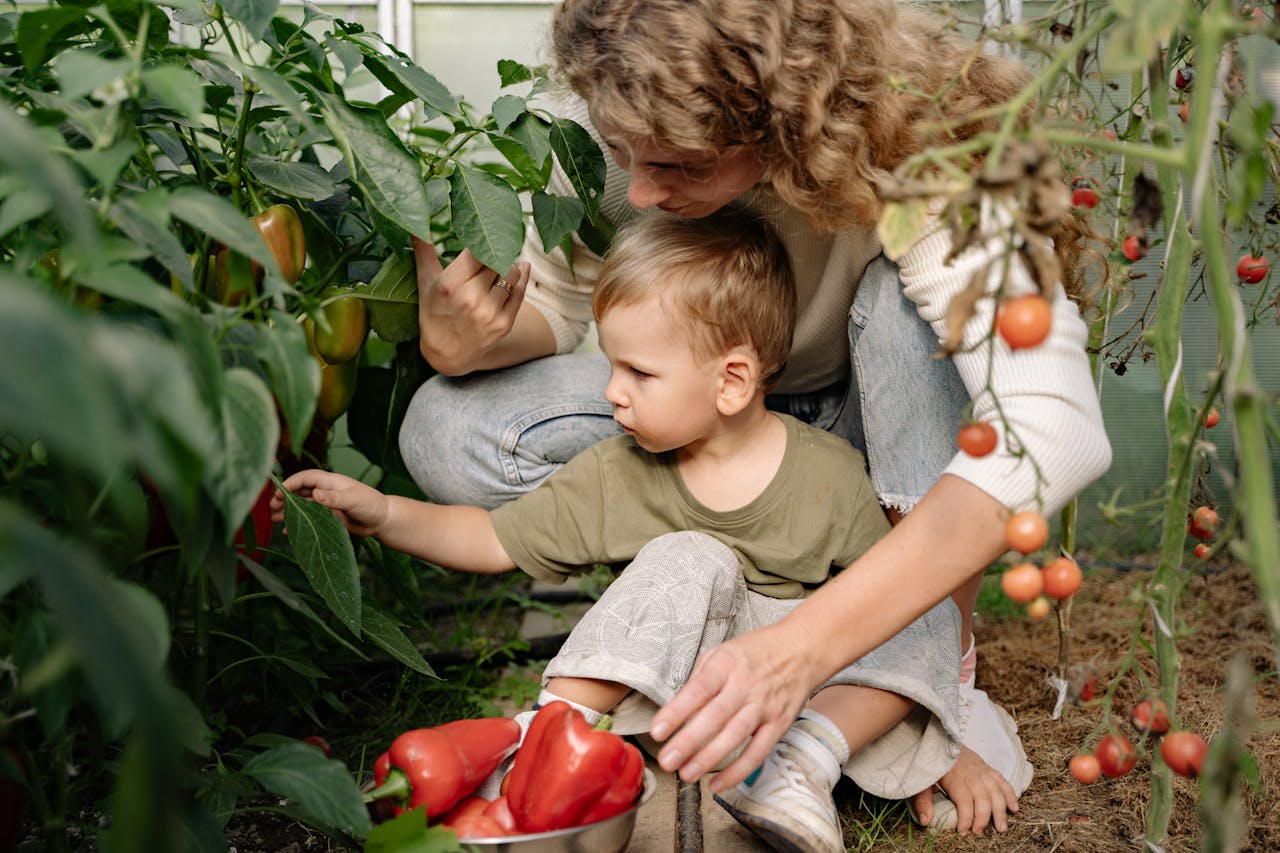
Gardening lets you connect with nature and enjoy fresh produce right from your backyard or balcony. You can start small with easy-to-grow plants like herbs or lettuce.
Growing your own food saves money and gives you control over what goes into your meals. Plus, it can be a relaxing hobby that helps you unwind.
With a little patience and care, you’ll be surprised at how rewarding it is to nurture plants and watch them grow.
Preserving food by pickling and canning

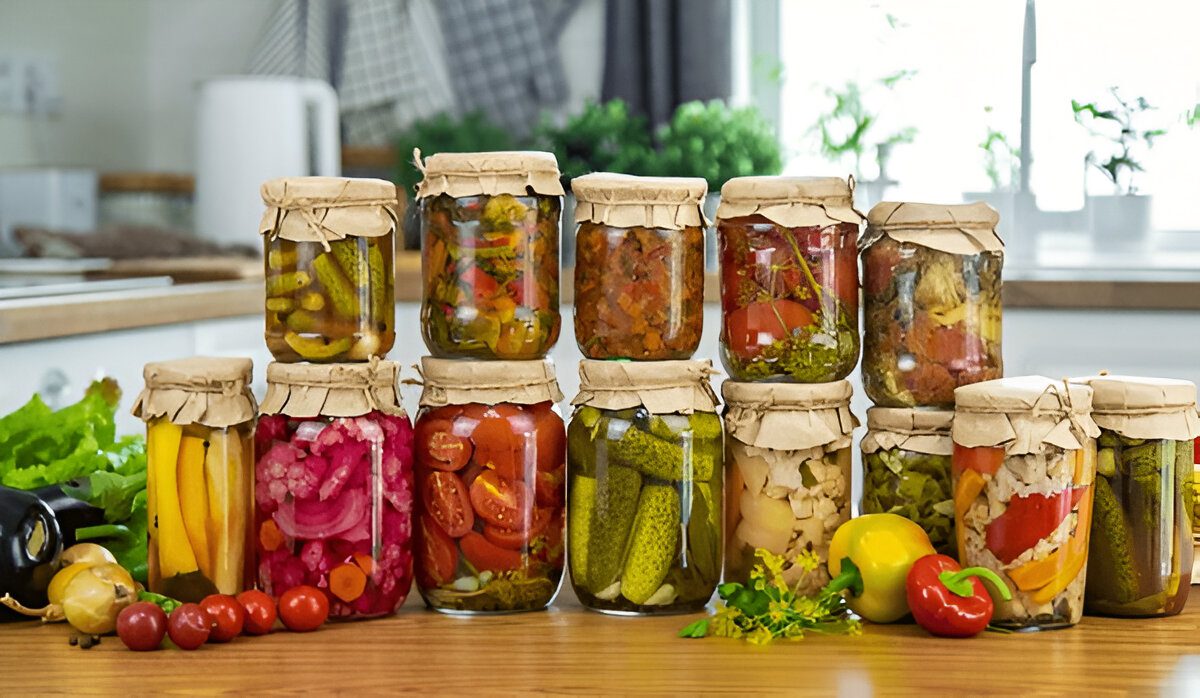
You can keep your food fresh longer through pickling and canning, two handy old-fashioned skills. Pickling uses vinegar or natural fermentation to preserve veggies and fruits, adding a tangy flavor you might enjoy.
Canning involves sealing food in jars and heating them to remove bacteria. It’s great for storing seasonal produce like tomatoes or green beans for months. Learning these methods helps reduce waste and saves money.
Making homemade soap

Making homemade soap is a practical skill that allows you to create personalized cleaning products. You can control the ingredients, making your soap gentler and more natural for your skin.
Starting with a simple cold process soap recipe helps if you’re new to soapmaking. It requires basic supplies and careful safety measures, but the process is rewarding.
By learning this old-fashioned skill, you reduce reliance on commercial products and add a personal touch to your daily routine.
Building and maintaining a fire without accelerants
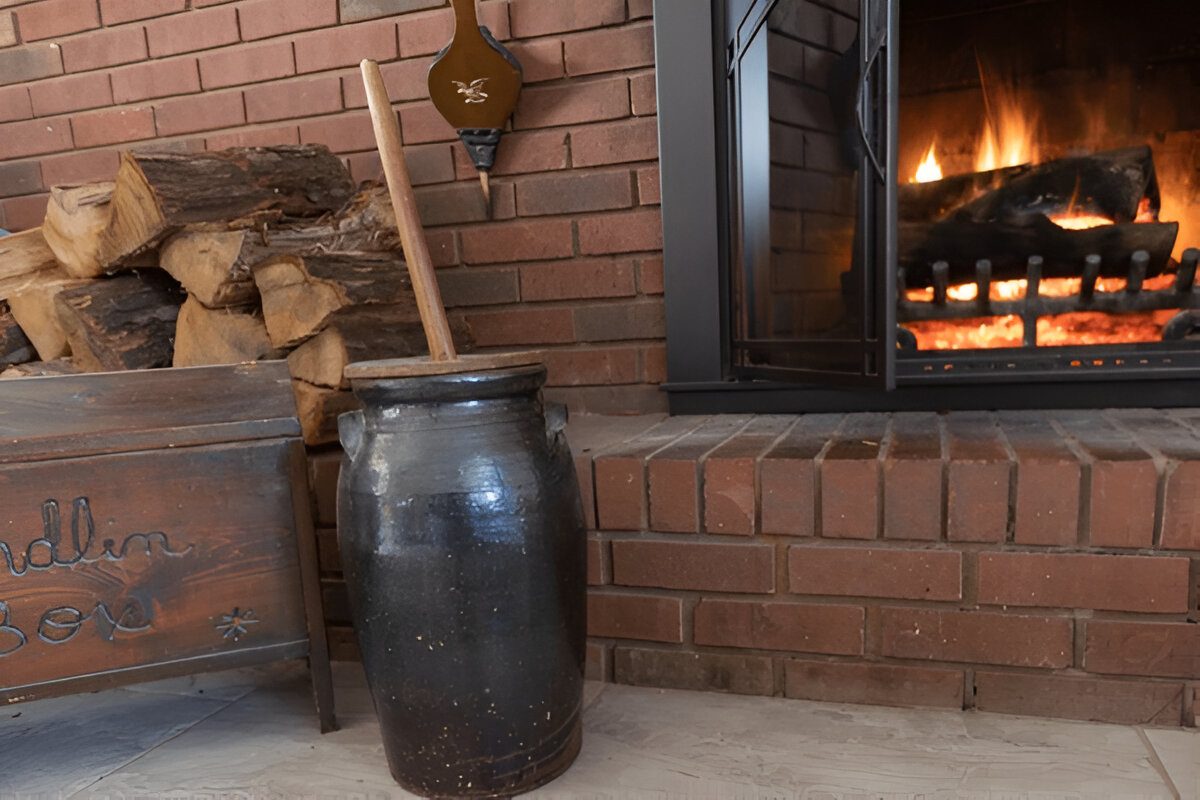
You can start a fire using traditional methods like the bow drill or hand drill, which create friction to ignite tinder. Collect dry sticks, bark, and small twigs to build your fire.
Gather a variety of wood sizes to feed the fire gradually. Keep your fire pit clear of debris, and use rocks if needed to create a safe boundary.
Maintain your fire by adding fuel carefully and ensuring good airflow. Learning these skills helps you stay prepared in many outdoor situations.
Basic leatherworking

You can start leatherworking with just a few essential tools like a cutter, needles, and thread. Practicing simple skills such as cutting strips and stitching helps you build confidence.
Making small items like tassels or keychains is a good way to improve your technique. Learning to finish edges and apply dye adds polish to your projects.
This skill allows you to create useful, handmade items and gives you a sense of accomplishment as you work with your hands.
Foraging edible wild plants
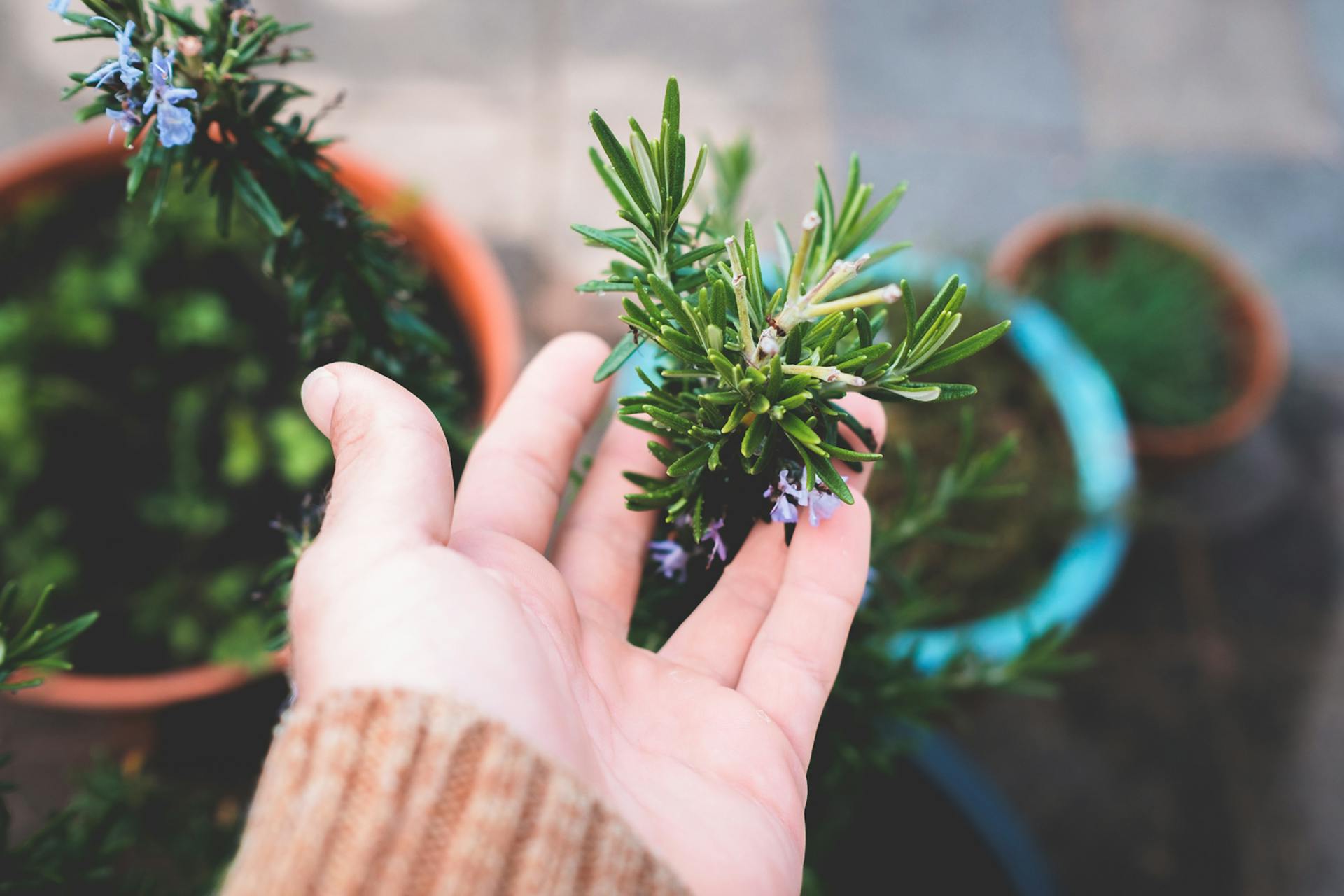
You can find many edible plants growing naturally around you. Learning to identify common ones like dandelions, nettles, and wild berries lets you add fresh, free food to your meals.
Foraging helps you connect with nature and practice sustainable harvesting. Always double-check that plants are safe before eating, and avoid areas that may be polluted or treated with chemicals.
Using simple tools and following basic safety tests will make your foraging trips more enjoyable and secure. Give it a try—you might be surprised at what you can find nearby!
Butchering and processing meat

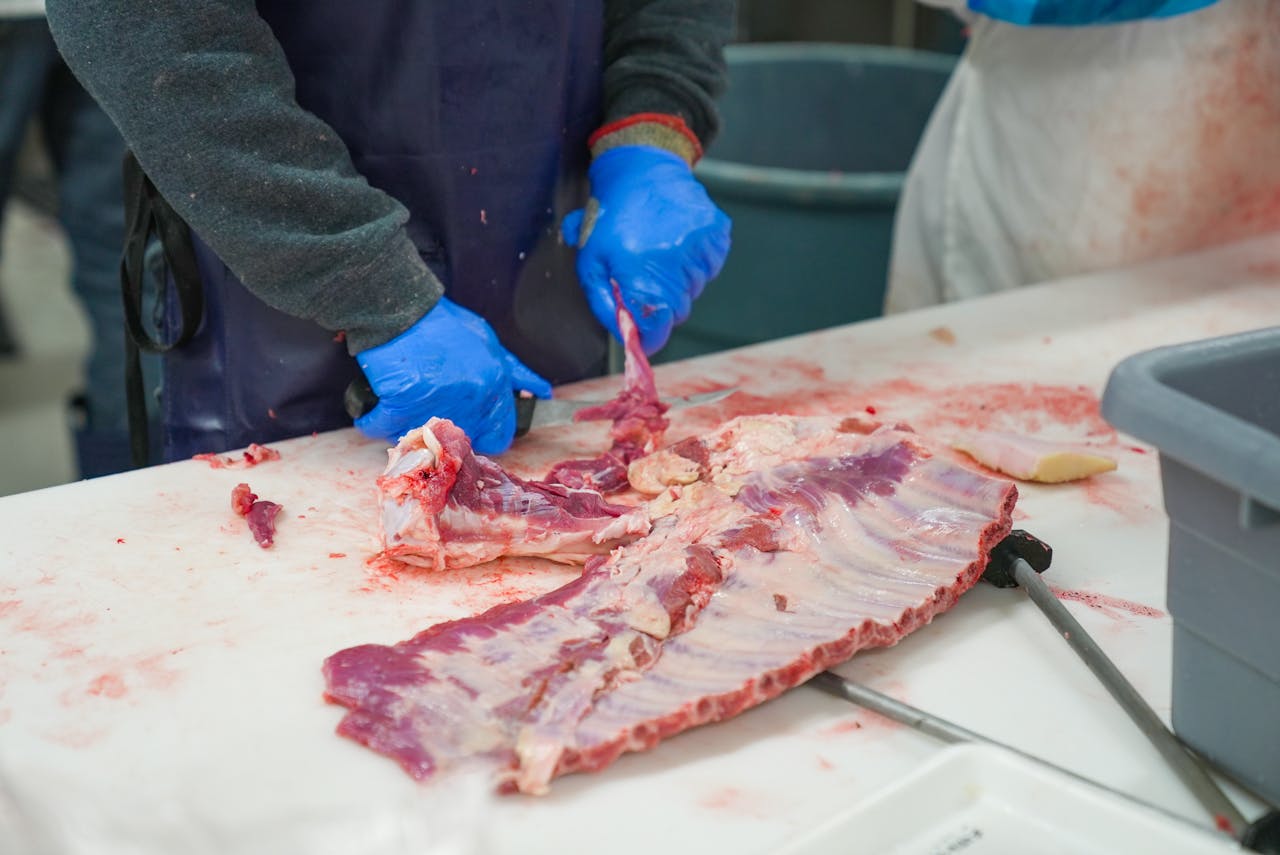
Knowing how to butcher and process meat is a practical skill that connects you to your food. You can control the quality and cuts, ensuring nothing goes to waste.
Start by learning basic cuts and handling techniques to make the process safer and more efficient.
Trimming dried or tough parts before cooking improves the taste and texture of your meat.
If you use a butcher, you can ask for specific bone sizes to fit your storage containers. This helps keep your meat organized at home.
Knitting and crocheting


You might think knitting and crocheting are just hobbies, but they’re practical skills too. They let you create your own clothing, accessories, and gifts, saving money in the long run.
These skills also help you relax and focus. Whether you want to mend a sweater or try a new craft, knitting and crocheting offer a useful and creative outlet.
Manual drafting and sketching
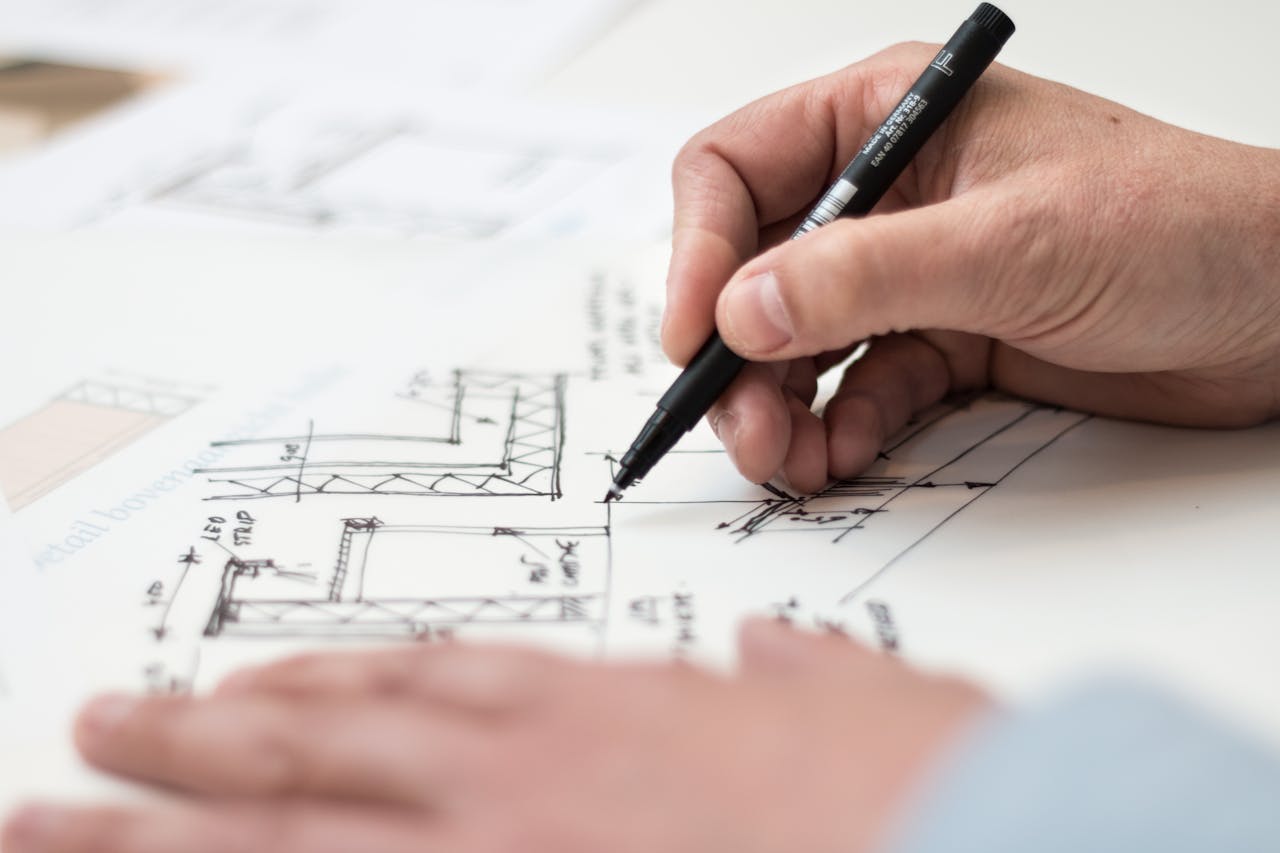
Learning manual drafting helps you understand the basics of design and drawing. Even with digital tools, sketching by hand builds your muscle memory and sharpens your observation skills.
When you draft manually, you develop a strong grasp of layouts and engineering concepts. This foundation makes working with computer-aided design easier and more intuitive.
You don’t need to be an expert artist to benefit. Simple sketching can improve how you visualize and communicate your ideas clearly.
Financial literacy and budgeting

Knowing how to manage money is a skill that never goes out of style. When you understand budgeting, you can track your income and expenses more easily. This helps you make better decisions about spending and saving.
Setting financial goals gives your money a purpose. You can also build an emergency fund to give yourself peace of mind. These basic habits are helpful whether you’re managing daily expenses or planning for the future.