


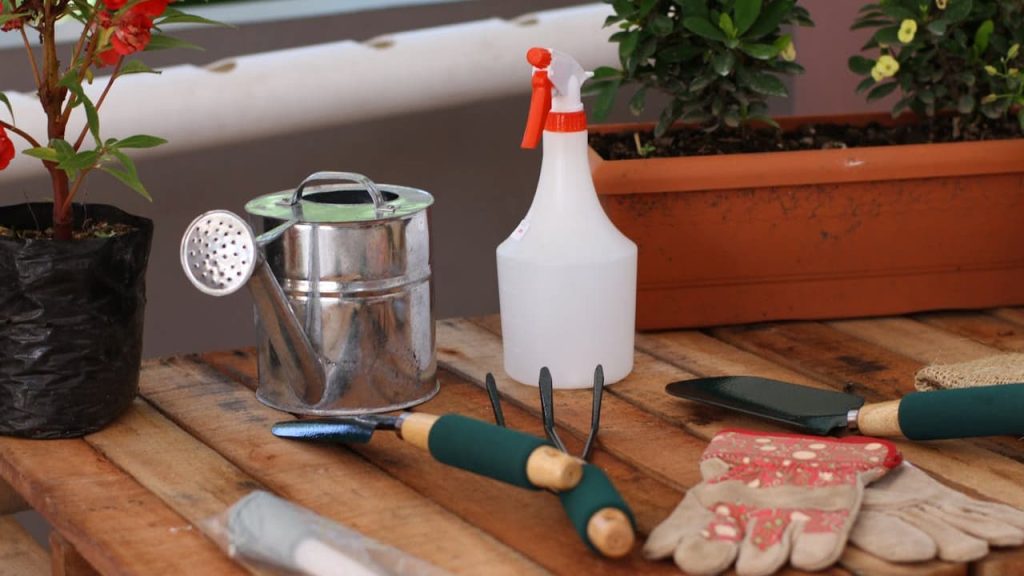
Old garden tools hold a special place for collectors and gardening enthusiasts alike. They offer a glimpse into the past and reflect the craftsmanship and practical design valued in earlier times.
These tools not only serve as collectibles but also tell stories about gardening traditions and innovations from decades ago.
Wooden Handled Garden Fork from early 1900s

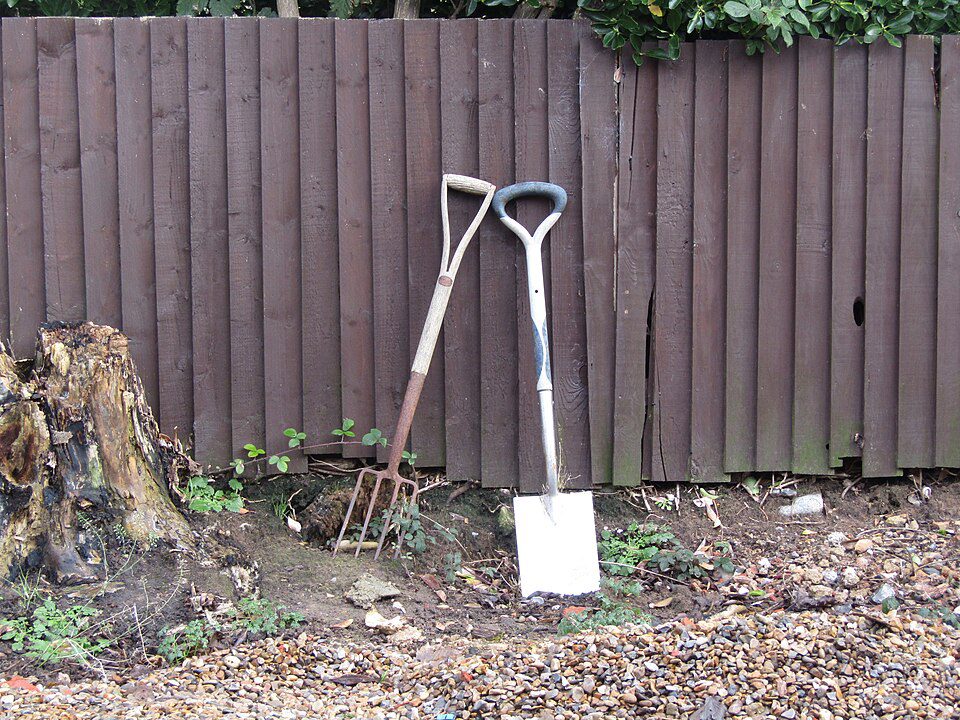
You’ll find wooden handled garden forks from the early 1900s prized by collectors for their simple, durable design. These tools often feature solid wood handles with heavy iron tines, built to last through many seasons in the garden.
If you come across one, check the handle’s condition and the iron’s sturdiness.
Cast Iron Garden Rake with Wooden Handle


You’ll appreciate the sturdy feel of a cast iron garden rake paired with a wooden handle. These tools offer durability and a classic look that many collectors find appealing.
The heavy iron tines make raking tough soil or leaves easier. The wooden handle gives you a comfortable grip while working in your garden.
If you want a piece with authentic vintage charm, these rakes often show natural wear from years of use.
Vintage Steel Fern Trowel (circa 1910)

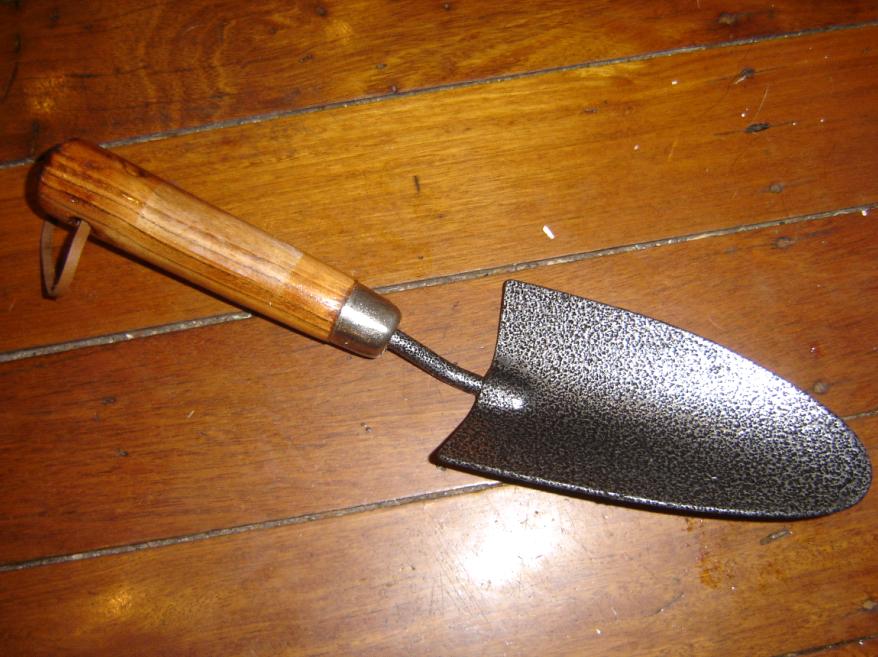
You’ll appreciate the vintage steel fern trowel for its sturdy design and classic look. Made with steel and often featuring a wooden handle secured by brass rivets, it’s built to last.
This tool is perfect for delicate tasks like planting ferns or transplanting seedlings.
Early 20th Century Seed Planter
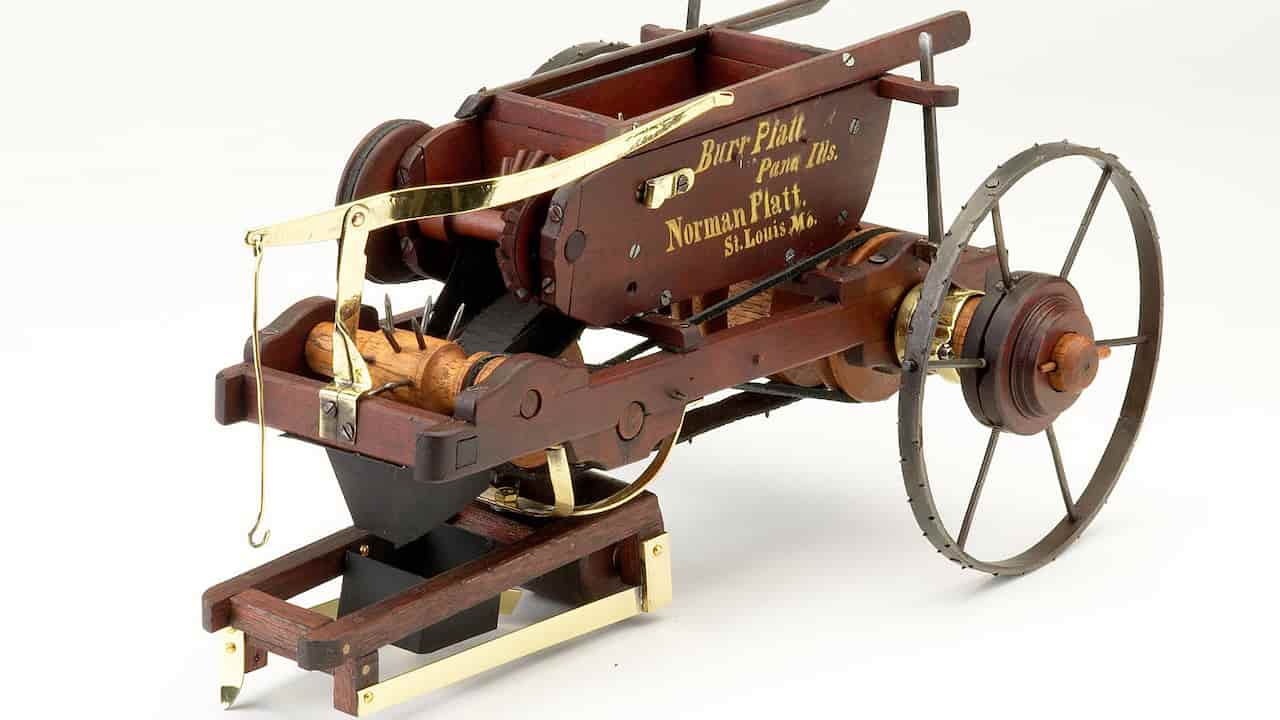
You’ll find early 20th-century seed planters valued by collectors for their simple, sturdy design. These tools helped gardeners plant seeds evenly and quickly, making your gardening tasks easier.
Many models feature a metal or wooden hopper to hold seeds. When you use one, it releases seeds in a controlled manner, improving planting accuracy.
Some also have unique brand markings that make them special for collectors.
Antique Garden Hoe with Wrought Iron Blade

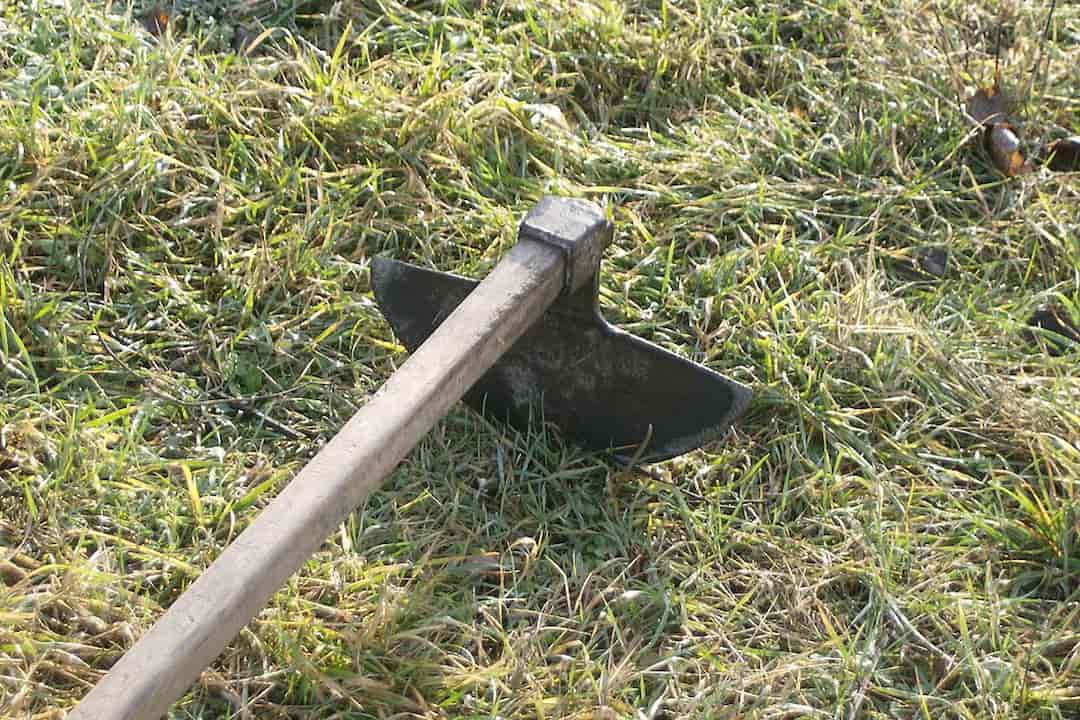
You’ll appreciate the sturdy design of antique garden hoes with wrought iron blades. These tools often feature a solid iron blade attached to a wooden handle, built to last through many seasons of work.
Many have unique details like rivet holes or socket fittings that show skilled craftsmanship.
Mid-Century Old Garden Claw Tool
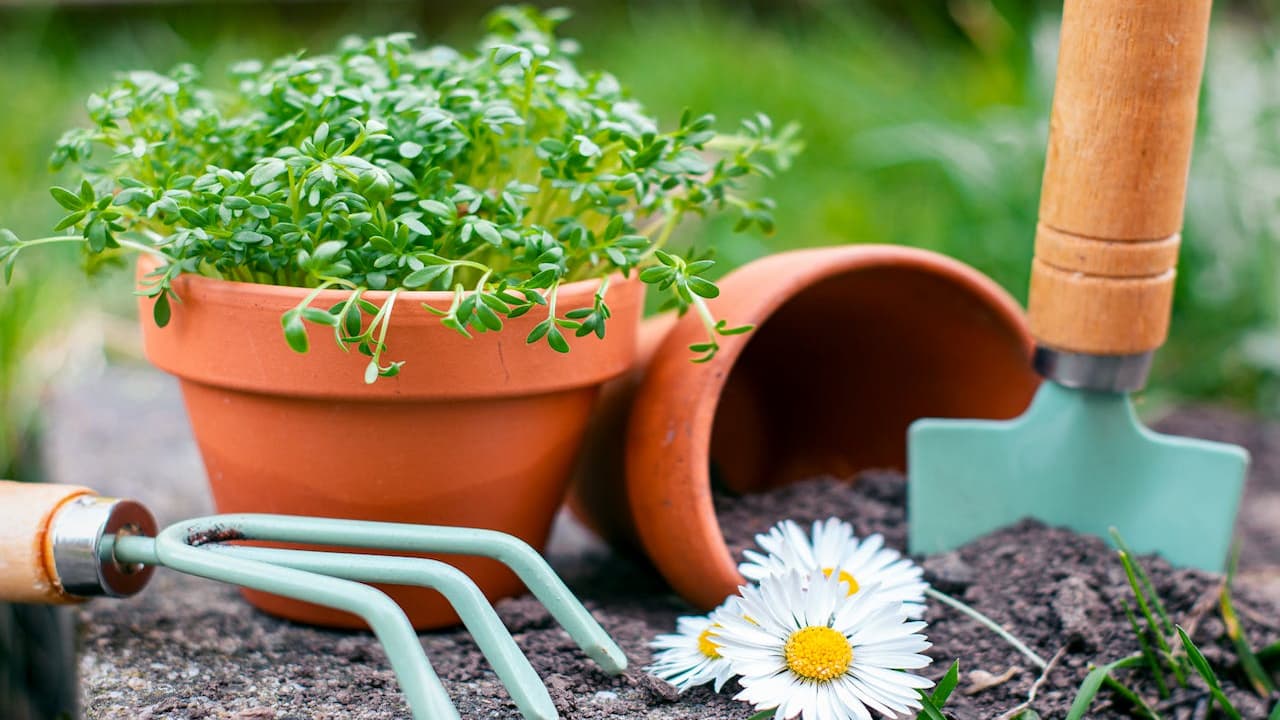
You’ll find the mid-century garden claw a favorite among collectors. It often features sturdy metal tines attached to a wooden handle, showing both durability and classic design.
This tool helps you break up soil and aerate your garden with ease.
Rustic Bird Scarer from Victorian Era
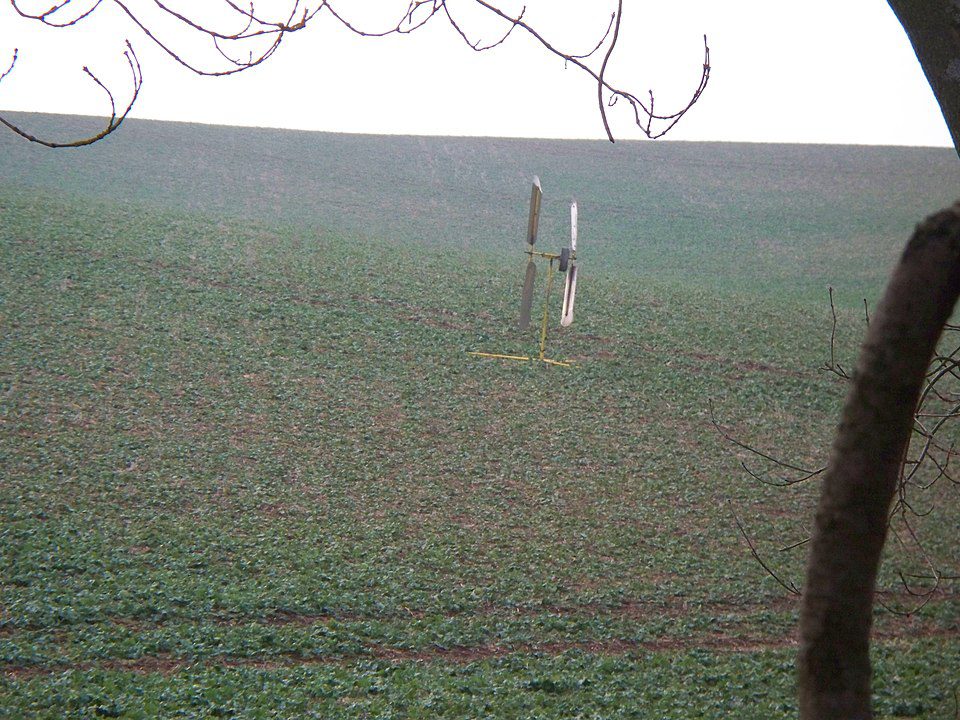
You might find a Victorian-era bird scarer quite charming and full of history. These tools were hand-carved and used by farmers to keep birds away from crops.
Their rustic design shows the simple but effective craftsmanship of the time.
Hand Forged Scythe Blade


If you appreciate tools with history, a hand forged scythe blade is worth your attention. These blades are made with care, often featuring hardened steel that stays sharp through tough cutting.
You’ll find a comfortable, ergonomic handle paired with the blade to make mowing grass or herbs easier.
Vintage Lawn Razor for Edging

You might find vintage lawn razors ideal for precise edging in your garden. These hand tools usually have long wooden handles and sharp blades designed to trim grass edges neatly.
Using one requires a steady hand, but it helps maintain clean lines along pathways or flower beds.
Mid-Century Garden Spade with Patina


You’ll often find mid-century garden spades with a charming patina, showing signs of rust and wear. This natural aging adds character and tells a story about its years of hard work.
These spades are typically made from sturdy metal and wood, designed to last through many gardening seasons.
Rare Brass Pruning Shears
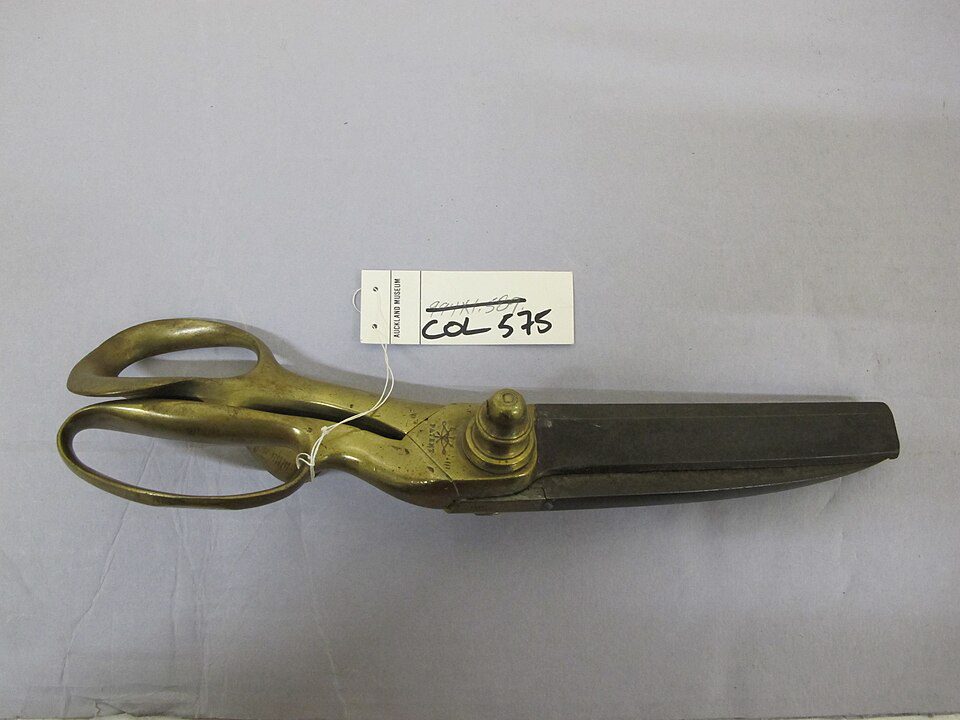
You’ll find rare brass pruning shears intriguing because of their unique material and design. Brass was used occasionally for handles or fittings, giving these tools a distinct look and some resistance to rust.
Collectors value them for their craftsmanship and old-world charm. If you come across a pair, handle them gently since brass can dent or wear over time.
Early American Wooden Dibber

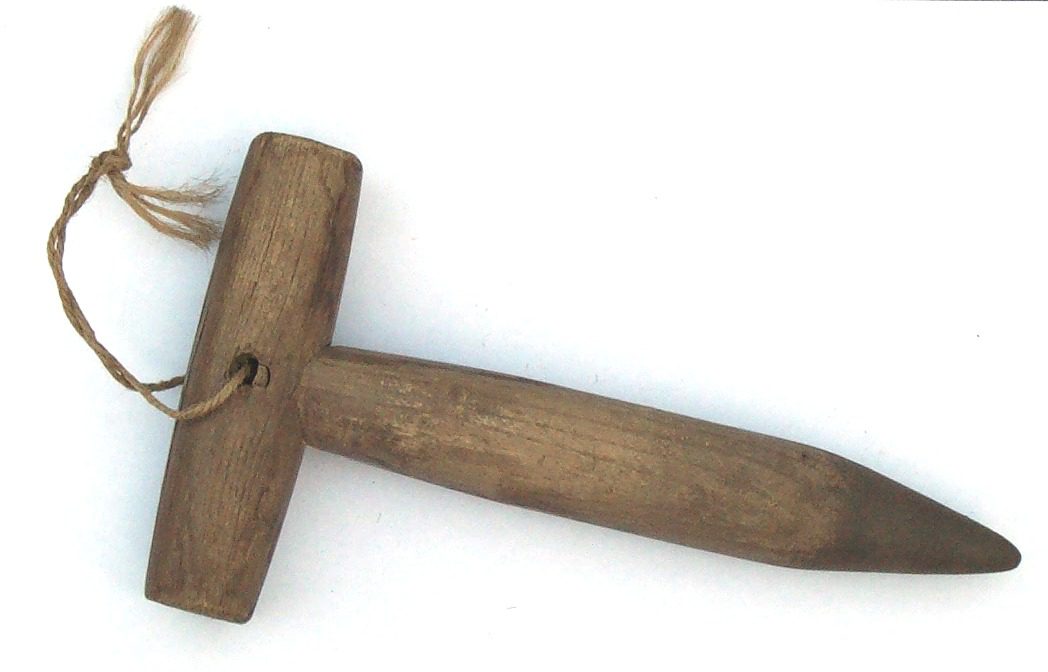
You’ll find early American wooden dibbers to be simple yet effective tools. They were used to make holes in soil for seeds or bulbs.
Most are handcrafted from hardwood. Sometimes they have brass-tipped points for durability.
Their wooden handles often show wear from years of use. This adds to their charm.