


When you think about landscaping and gardening, you’re likely considering the aesthetic value and the joy it brings to your life. But, not all plants are created equal; some can actually lower your home’s value.
Here’s a list of 12 plants that you might want to avoid if you’re conscious about your property value.
The Invasive Bamboo
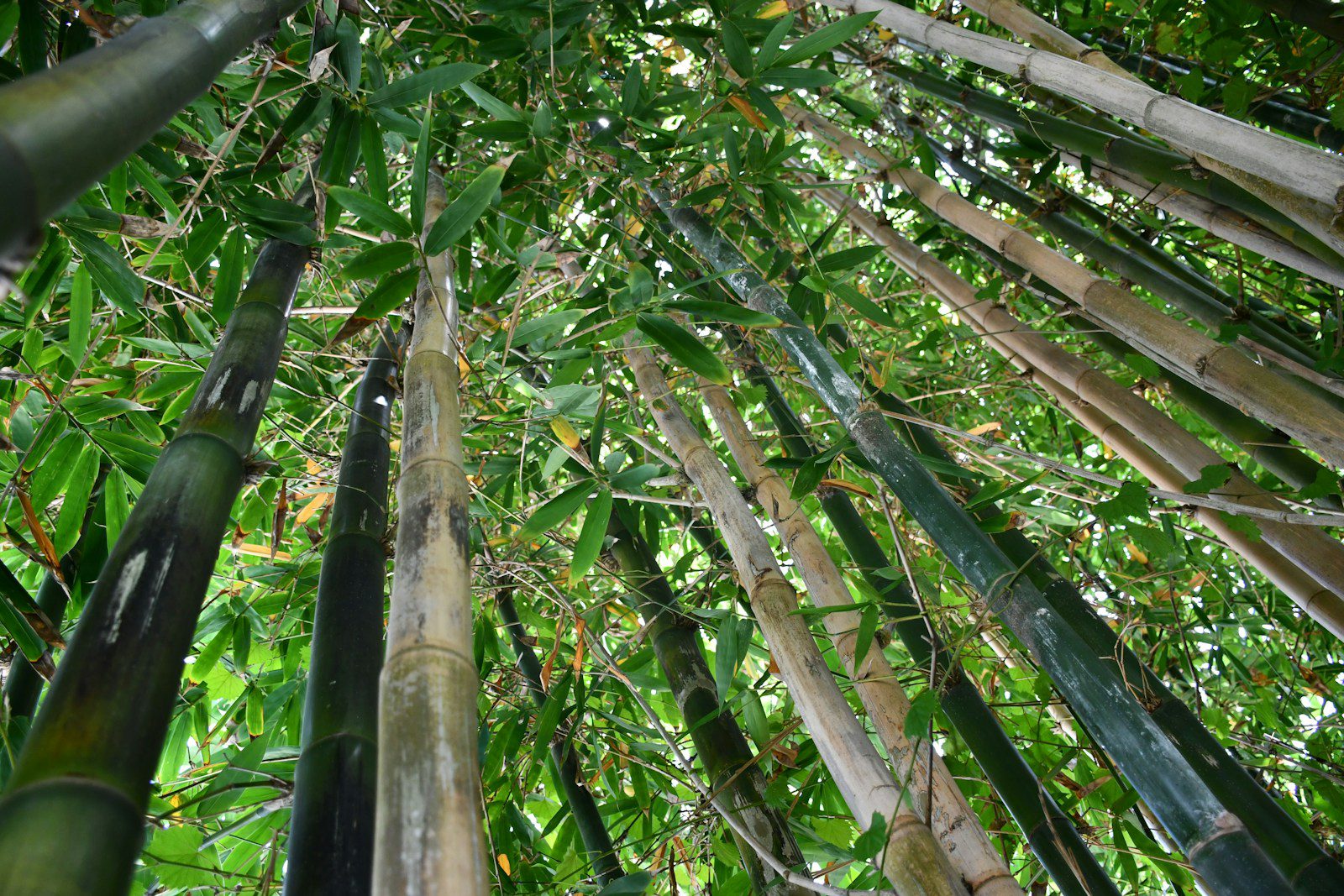
While bamboo might give your garden a unique, exotic look, it’s one of the most invasive plants out there. It grows rapidly, invading other plants’ spaces and can even cause structural damage to your property. Bamboo roots can spread widely and even break through concrete walls and pipes. This can cause expensive damage, and prospective buyers are likely aware of this risk.
Additionally, getting rid of bamboo is a challenging task due to its stubborn root system. It often requires professional help, which is an additional cost that can lower your home’s value.
The Troublesome English Ivy
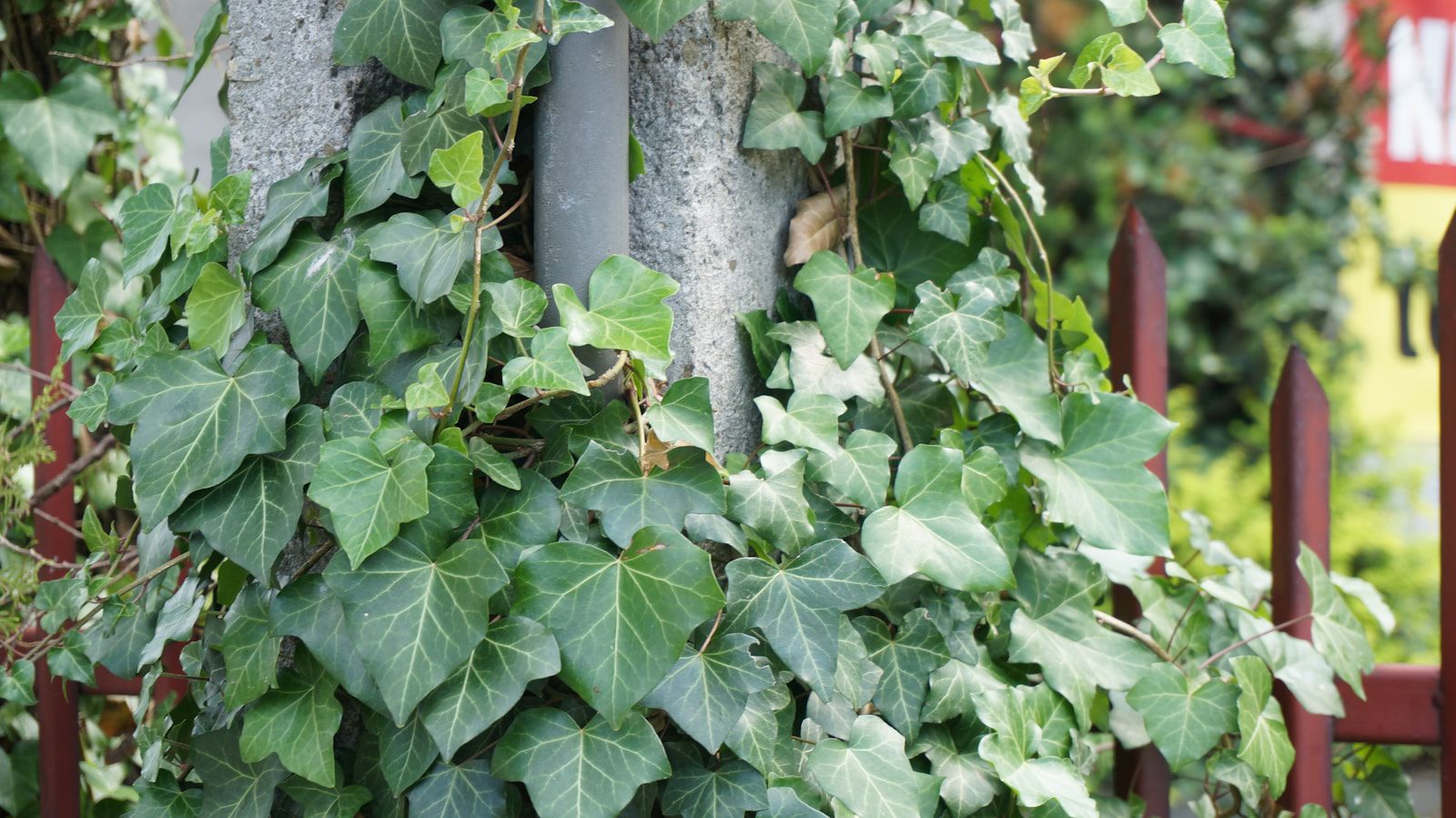
English Ivy may look charming climbing up the sides of buildings, but this plant is notoriously difficult to control. It can quickly take over your garden, smothering other plants, trees, and even structures. English Ivy can cause damage to brickwork and wood, leading to costly repairs.
If not properly managed, this invasive vine can also be a haven for pests like rats and can cause respiratory problems in some people, which can decrease the attraction of your property for potential buyers.
The Destructive Tree of Heaven

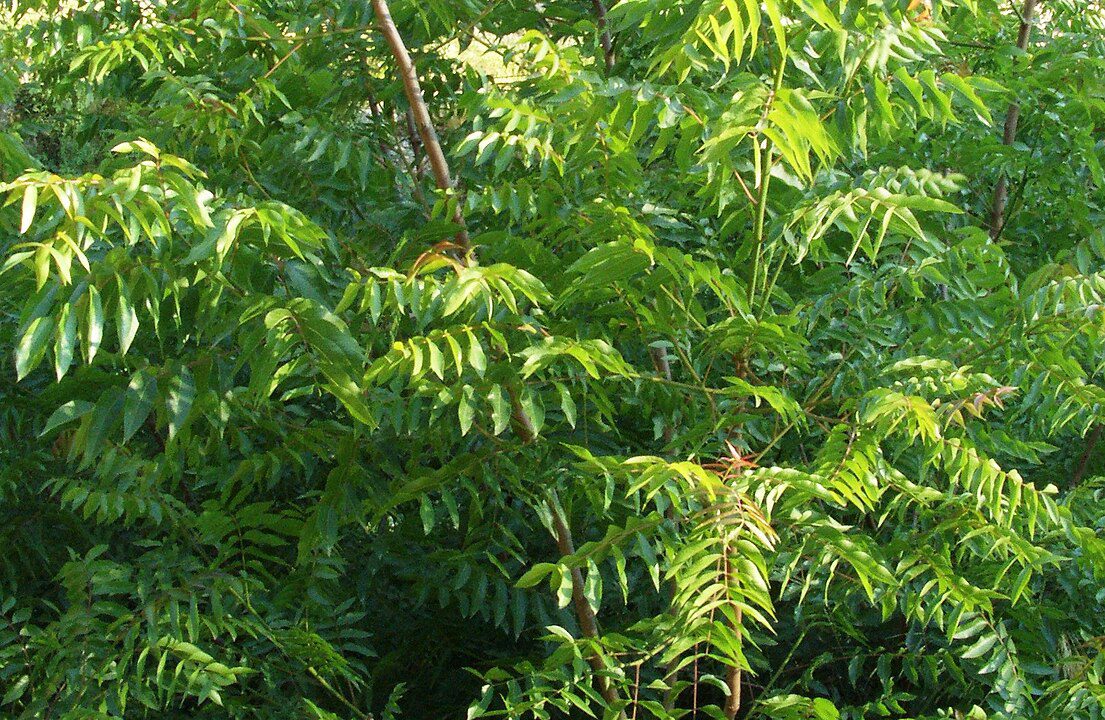
The Tree of Heaven, ironically named, is a fast-growing, invasive tree that can cause significant damage to your property. Its robust root system can break through concrete, damage underground pipes, and undermine building foundations, leading to costly repairs.
Moreover, this tree produces a large amount of seeds and can regenerate from its roots, which makes it extremely difficult to eradicate. The Tree of Heaven also produces a toxin that kills nearby plants, making your garden less appealing.
The Unwanted Purple Loosestrife

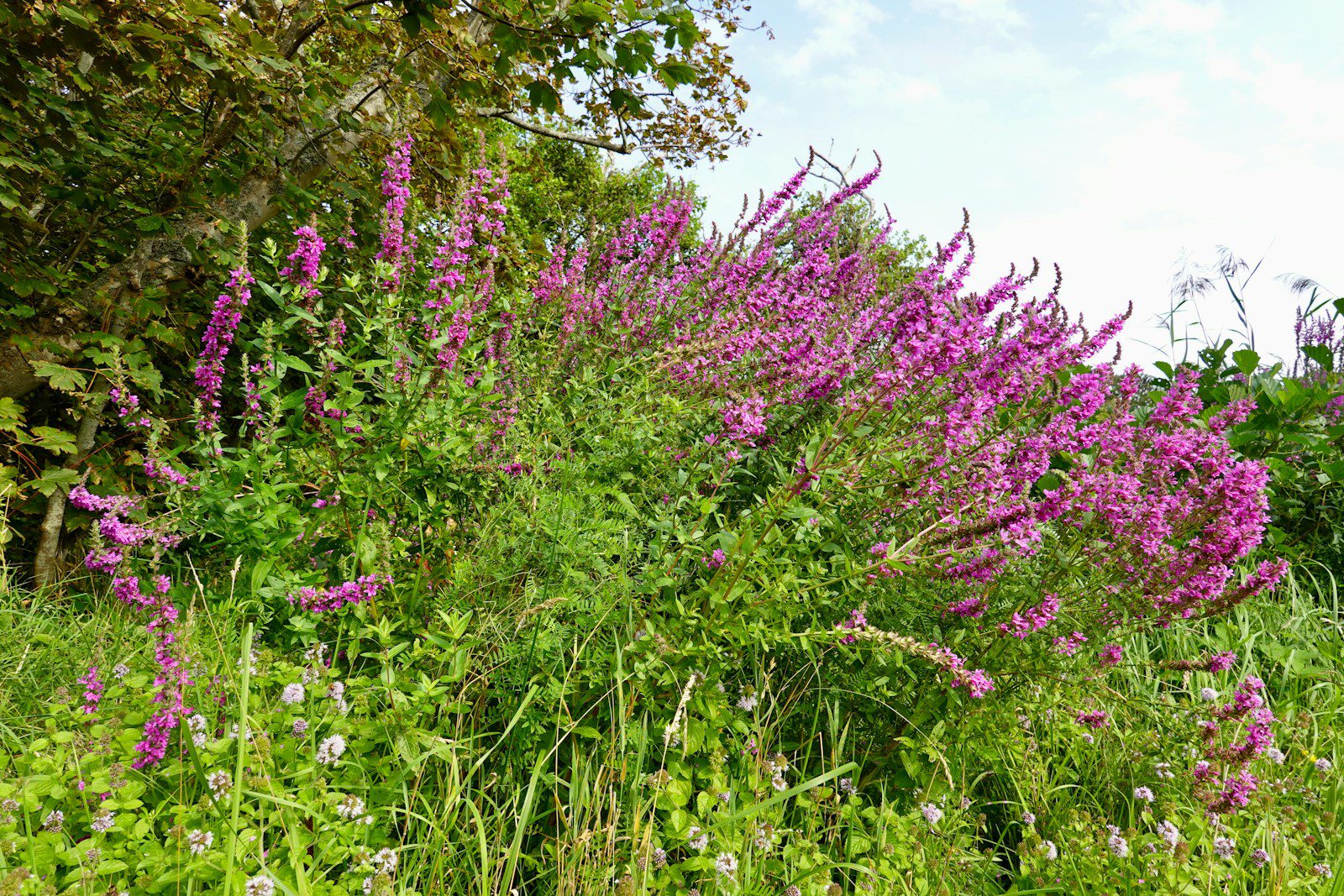
Purple Loosestrife may look beautiful with its tall spikes of purple flowers, but it’s one of the most invasive plants. Once it takes hold, it can quickly crowd out other plants and reduce biodiversity in your garden, which is not ideal for potential buyers who are garden enthusiasts.
Beyond its aggressive nature, Purple Loosestrife can also alter the habitats of local wildlife, which can be a concern for environmentally conscious buyers. Controlling this plant often requires a lot of effort and sometimes professional help, which can also lower your home’s value.
The Overbearing Kudzu Vine

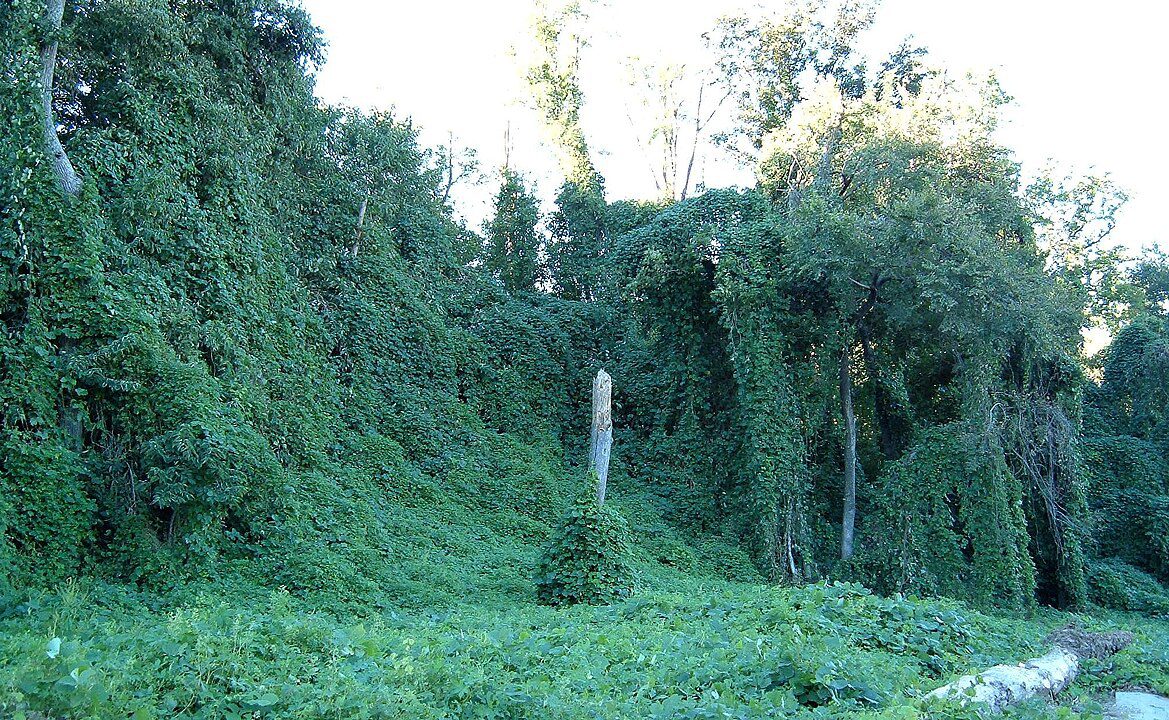
The Kudzu Vine, native to Asia, is an incredibly fast-growing vine that can quickly cover everything in its path. This includes not just other plants, but also fences, buildings, and even large trees. Its ability to smother other plants can result in a monotonous, green landscape rather than a diverse, colourful garden.
What’s more, the Kudzu Vine can damage structures as it grows, leading to potential repair costs. And despite its fast growth, the vine is difficult to eradicate, often requiring multiple treatments over several years.
The Deceptive Black Walnut Tree

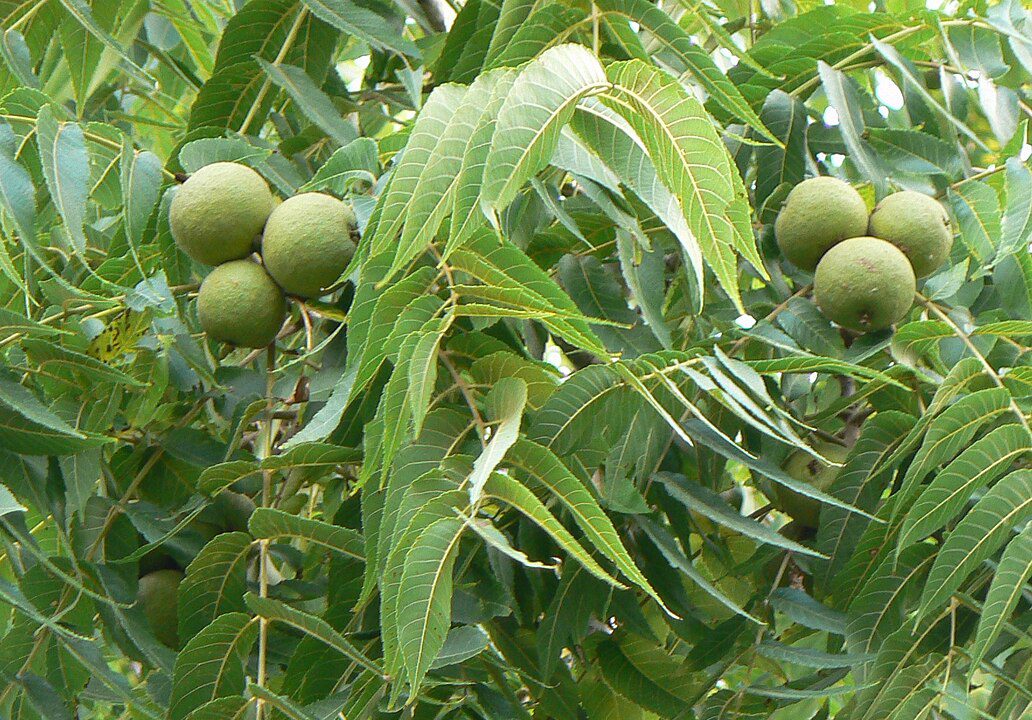
The Black Walnut Tree is a large, beautiful tree that can provide great shade. However, it produces a chemical called juglone which is toxic to many other plants. This means if you have a Black Walnut Tree in your garden, you might struggle to grow anything else near it.
What’s worse, the tree’s large size and deep root system can pose a risk to building structures and underground utilities. This, along with its negative effect on other plants, can make your property less attractive to potential buyers.
The Sneaky Japanese Knotweed

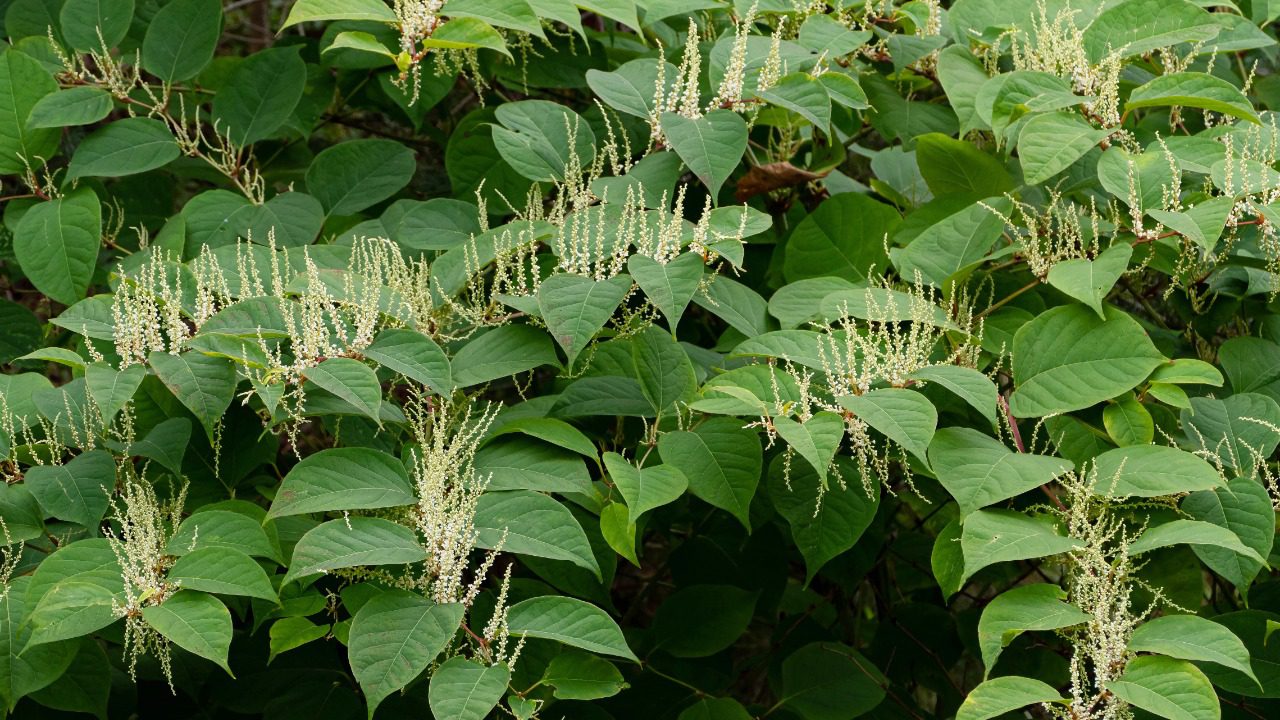
Japanese Knotweed is another plant that can seriously devalue your property. This fast-growing plant can damage paths, driveways, walls, and even the foundations of your home. It’s also incredibly difficult to eradicate, often requiring professional treatment and several years to completely remove.
Moreover, some mortgage companies won’t lend on properties affected by Japanese Knotweed until a professional treatment plan is in place. This can significantly reduce the pool of potential buyers, thus lowering your home’s value.
The Problematic Mimosa Tree
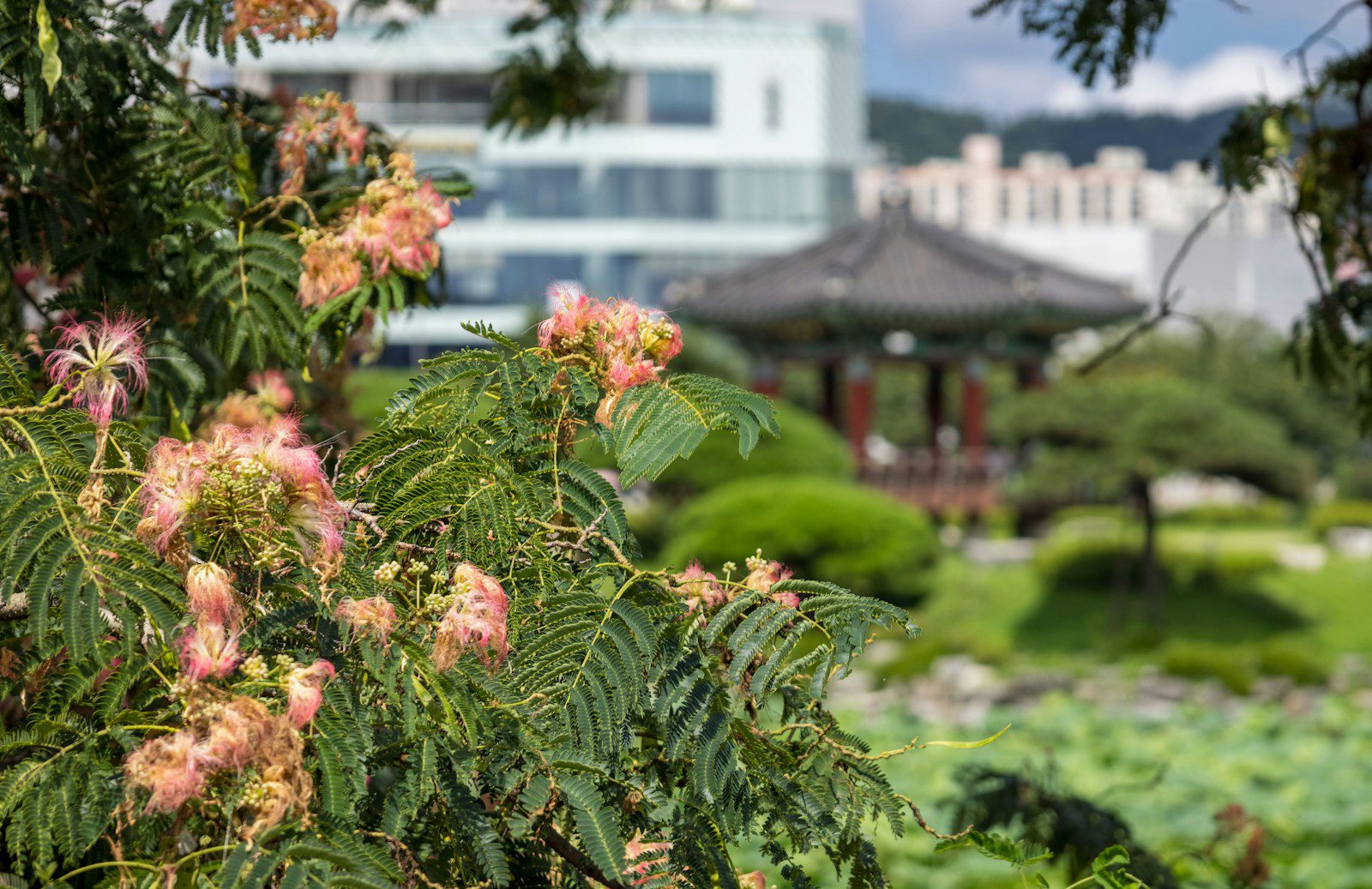
The Mimosa Tree, although beautiful with its pink, fluffy flowers, is considered an invasive species in many parts of the world. It grows rapidly and can take over native plants, reducing biodiversity. The tree also has a weak wood structure that can easily break during storms, posing a risk to nearby structures and vehicles.
In addition, the tree’s large size and extensive root system can damage underground utilities and building foundations. Its large size also means it can block views, which may not be desirable for some buyers.
The Stubborn Chinese Tallow

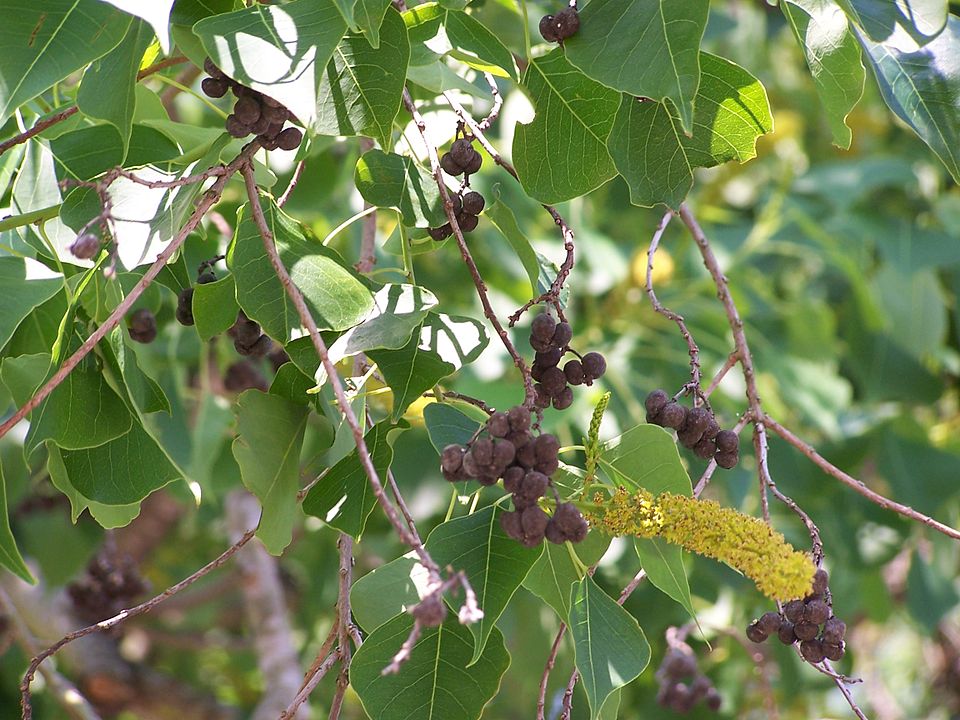
Chinese Tallow is a fast-growing tree that can quickly invade your garden, pushing out native plants and reducing biodiversity. It also produces a large amount of seeds that can spread to neighbouring properties, potentially causing disputes with neighbours.
Furthermore, this tree is hard to remove once established, often requiring professional help. It’s also toxic to some animals, which can be a concern for potential buyers with pets. All these factors can negatively impact your home’s value.
The Dominating Buckthorn
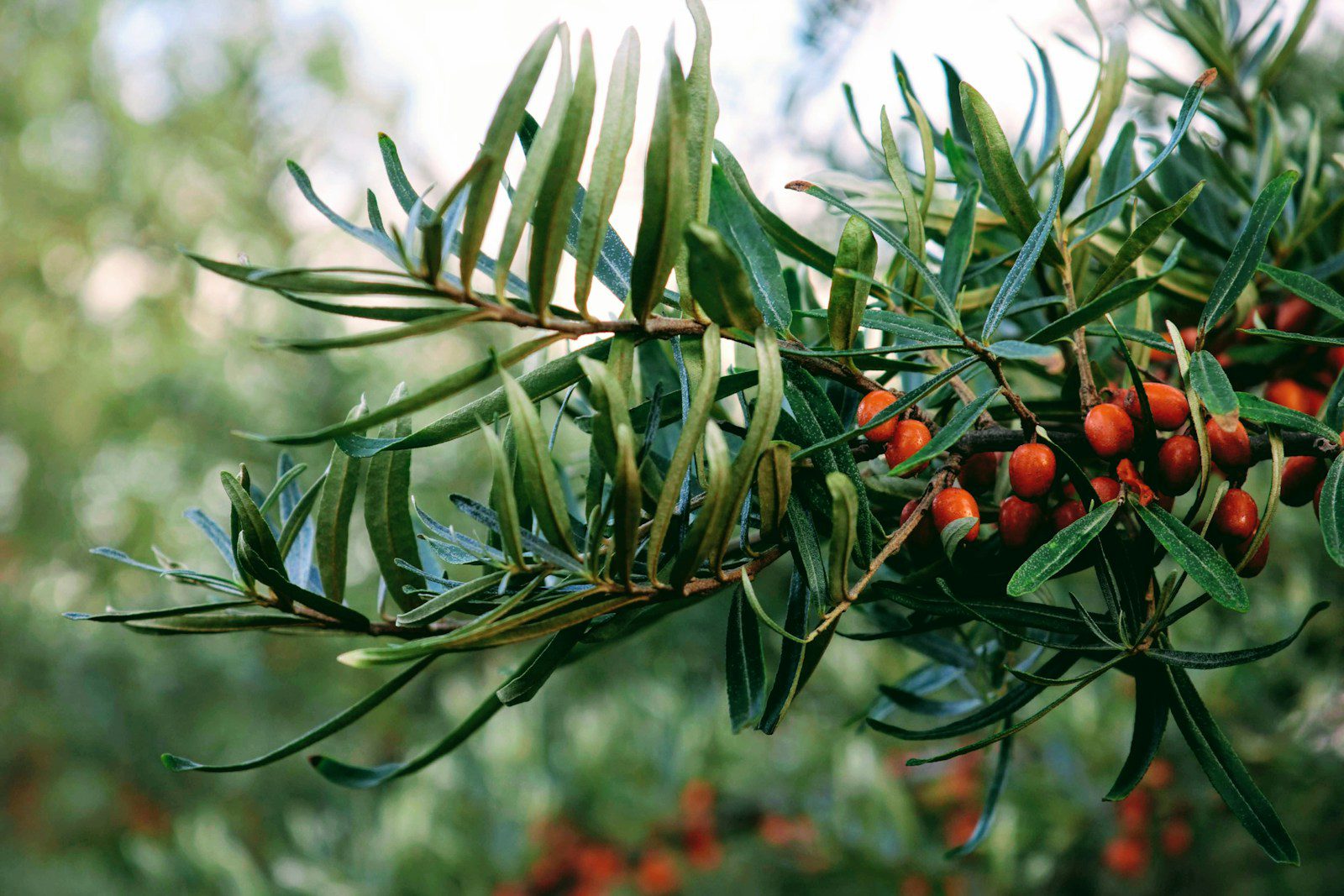
Buckthorn may seem like an appealing choice with its glossy leaves and berries, but it’s a highly invasive plant. It outcompetes native plants for nutrients, light, and moisture, which can result in a less diverse garden. Buckthorn also serves as a host for pests, including the soybean aphid and the crown rust fungus, which can damage other plants.
Moreover, Buckthorn is difficult to remove due to its deep root system. This, along with its potential to harbour pests, can be a significant turn-off for potential buyers, thus lowering your property value.
The Overly-Aggressive Russian Olive

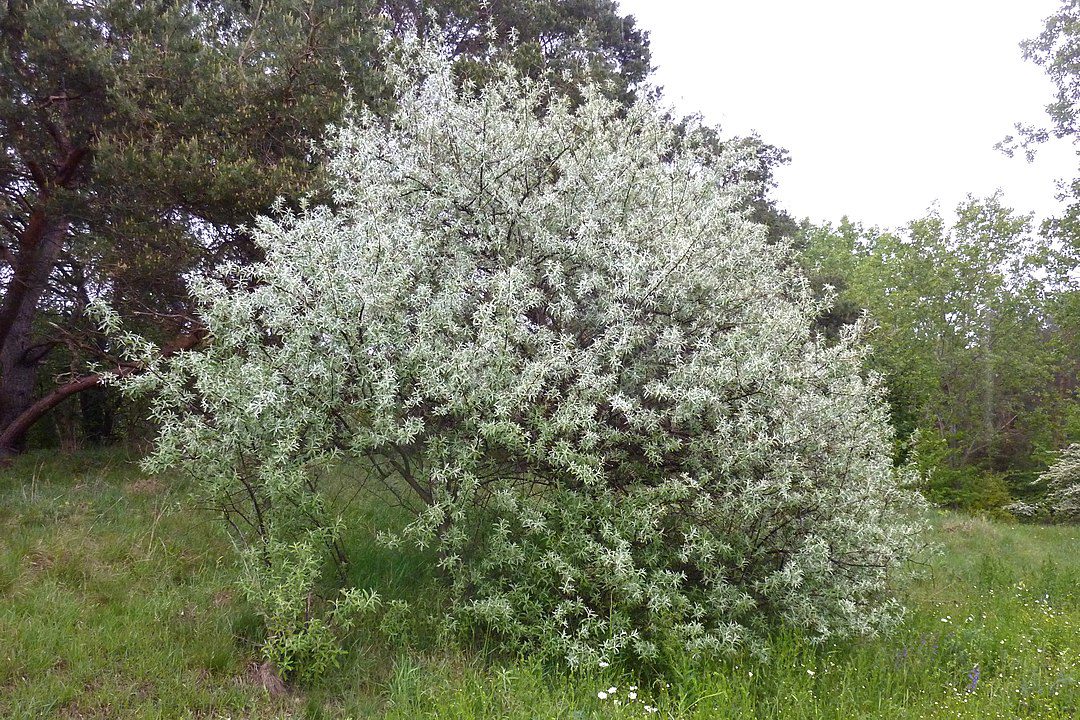
The Russian Olive is a hardy tree that can thrive in poor soil conditions. However, its ability to outcompete other plants and its propensity to spread can lead to a lack of biodiversity in your garden. The tree also has sharp thorns that can cause injury, which might be a concern for families with children.
Moreover, Russian Olive trees are resistant to many herbicides, which makes them difficult to control. This, along with their aggressive growth, can lower the appeal of your property for potential buyers.
The Pernicious Mulberry Tree
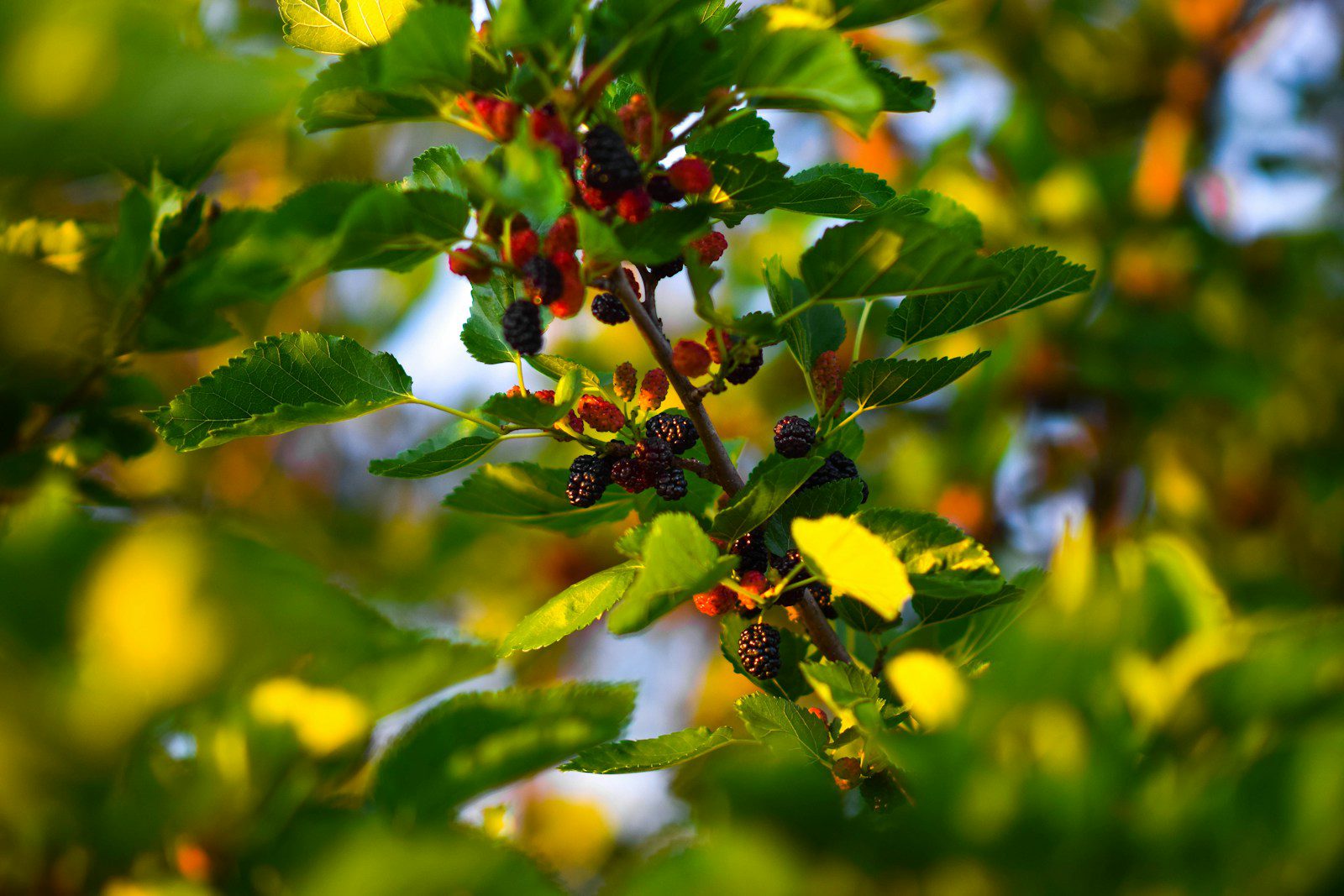
The Mulberry Tree is a fast-growing tree that can cause a host of problems. Its berries can be a nuisance, staining sidewalks and driveways. Additionally, the tree’s extensive root system can damage underground utilities and building structures, leading to potential repair costs.
Moreover, the Mulberry Tree is known to attract pests like silkworms. Its large size can also block views and create excessive shade, which may not be desirable for some buyers. These factors can lower your home’s value.