


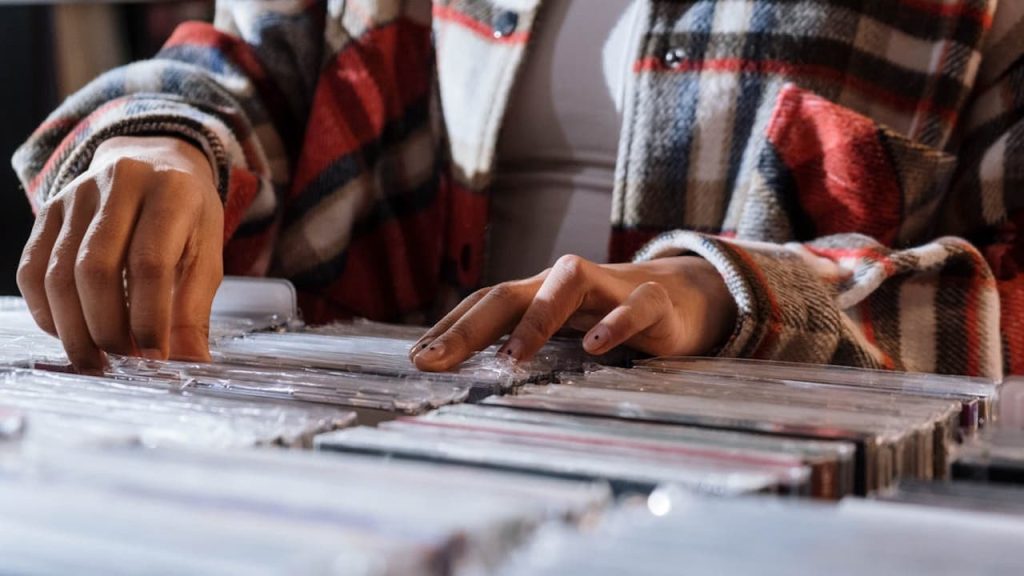
When you come across vintage items, figuring out their value can be tricky. There are many factors that influence worth, and knowing where to start your research is key. Understanding how to research your vintage finds helps you make better decisions about buying, selling, or insuring them.
You might be wondering how to uncover the true value without getting overwhelmed. This article walks you through different ways you can gather useful information and make more confident estimates about your vintage treasures.
Consult local antique appraisers for expert opinions


If you want a reliable value for your vintage find, local antique appraisers are a great resource. They have hands-on experience with items like yours and can spot details you might miss.
You can bring your piece in for an in-person look or send photos for a quick review. Their expertise helps you understand authenticity and market value better.
Use eBay’s Sold Listings filter to check actual sale prices

You can use eBay’s Sold Listings filter to see the exact prices items have sold for recently. This helps you understand what buyers are really paying, not just the listed prices.
Just search for your vintage item, then apply the “Sold Items” filter. You can narrow it down further by date or category to get clearer pricing insights.
Compare items on auction sites like Sotheby’s and Christie’s


You can use auction sites like Sotheby’s and Christie’s to check the value of vintage items. Both platforms list detailed descriptions, sale prices, and images which help you compare similar pieces.
Since these auction houses handle high-end art and collectibles, their prices give you a good benchmark for quality and rarity. Browsing their past sales can reveal trends in what buyers are willing to pay.
By tracking items like yours on these sites, you get insights into market demand and realistic price ranges. This method is especially useful if you want to sell or insure your vintage finds.
Research artist or maker provenance using ArtNet

You can use ArtNet to find detailed auction records and pricing history for artists and makers. This helps you track how similar items have sold over time.
ArtNet’s database includes millions of auction results from thousands of auction houses. It’s a useful tool to verify authenticity and understand market demand.
By searching specific names, you get insights into ownership history and trends. This makes valuing your vintage find more accurate and informed.
Examine condition: look for cracks, repairs, or wear

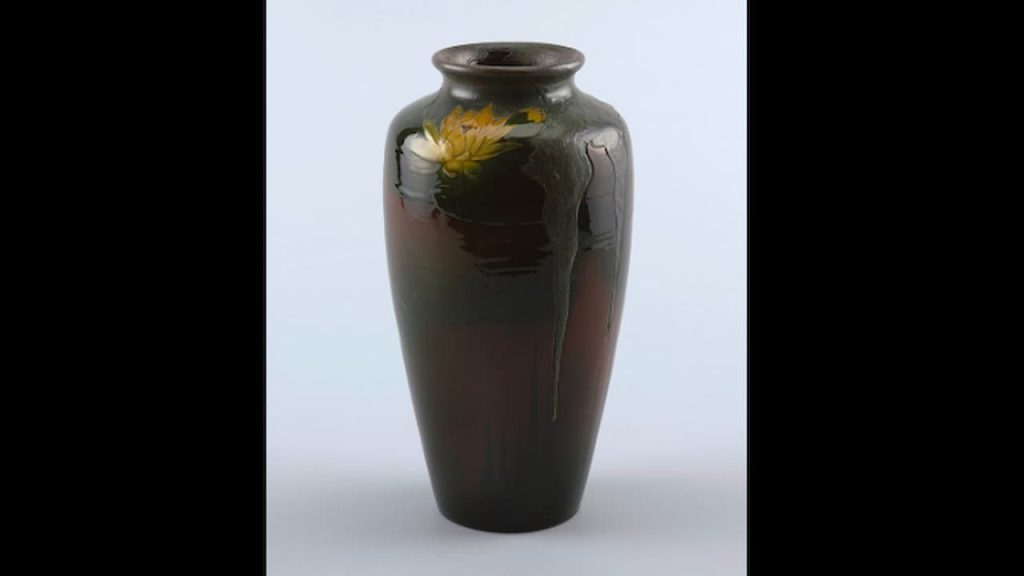
When you check vintage items, look closely for cracks or chips. These can affect both value and durability.
Also, watch for signs of repairs. Sometimes repairs are visible under UV light or with careful inspection.
Wear is normal but should be consistent with the item’s age. Uneven or suspicious wear might suggest alterations or damage.
Check if the item is a first edition or limited release


You can increase your item’s value by confirming if it’s a first edition or a limited release. First editions are the earliest printings of a book or product, often more sought after by collectors.
Look for specific indicators like printing numbers or edition notes. Limited releases usually have smaller quantities, making them rarer and sometimes more valuable. Checking these details helps you understand your find’s true worth.
Look for original packaging to increase value

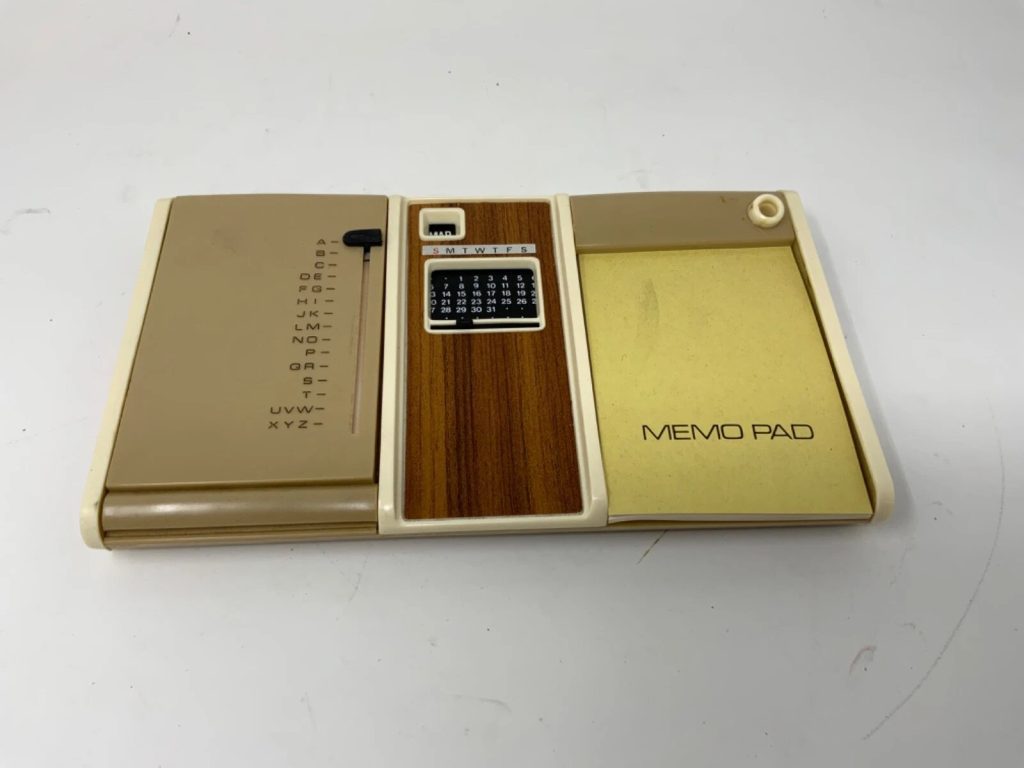
You should always check if your vintage item has its original packaging. Items with original boxes or wrapping are often worth more because collectors see them as more complete.
Packaging also shows how well an item was preserved over time. If the box is in good shape, it can significantly boost your item’s appeal and value.
Keep in mind that even small details like original tags or inserts add to the overall worth. It shows the item is closer to its original condition.
Use online antique price guides and databases


You can start valuing your vintage finds by exploring online antique price guides. These resources list past sale prices and current market values, helping you set a fair estimate.
Websites like WorthPoint or LiveAuctioneers provide access to auction records and comparable sales. This makes it easier for you to understand what similar items have sold for.
Using these databases regularly can give you a good sense of trends and price ranges without needing to be an expert. Just search for your item or browse related categories.
Explore collector forums for rare item insights


You can join online collector forums to connect with experienced enthusiasts. These communities offer valuable advice on identifying and valuing rare vintage finds.
By asking questions and sharing pictures, you gain feedback from people who have deep knowledge of specific item categories. Forums also keep you updated on market trends and recent sales.
Popular sites like CoinTalk and PCGS Forums are great starting points. Engaging regularly helps you build relationships and learn faster.
Note trends in current vintage market demand

You’ll find that vintage bathroom fixtures are gaining attention, especially unique or colorful pieces. These add character and are becoming popular in home design.
Watches from brands like Rolex and Cartier remain in demand too, with condition and rarity playing big roles in value.
Keeping an eye on these trends can help you better understand what buyers are looking for right now.
Assess rarity by comparing similar listings


To understand how rare your vintage find is, start by looking at listings of similar items online. Check auction sites, vintage stores, and marketplaces to see how many similar pieces are available.
Notice the condition, age, and any unique features of those items. If your piece has qualities that appear less often, it may be rarer than others.
This comparison helps you gauge demand and gives you a clearer idea of your item’s value.
Use Google reverse image search to find similar pieces


You can quickly find comparable vintage items by using Google reverse image search. Just upload a clear photo of your find, and Google will show you visually similar images from across the web.
This helps you spot listings with prices and details, making it easier to estimate your item’s value.
On a computer, right-click the image and select “Search Google for image” or drag the photo into the Google Images search bar. It’s a simple way to learn more about your vintage piece.