


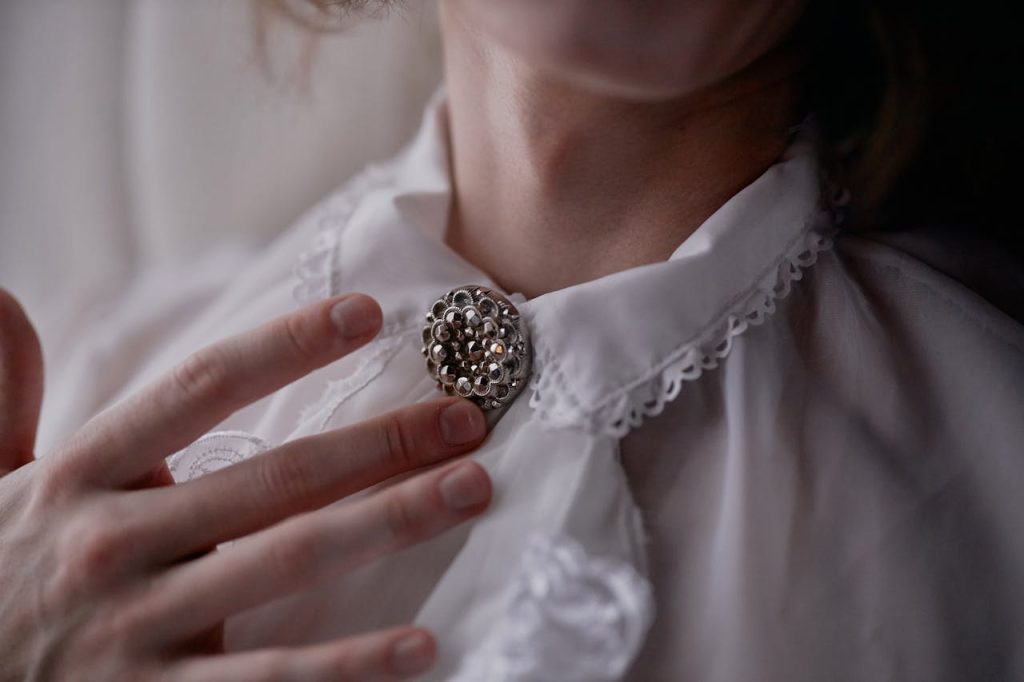
You might have items around your home that are more valuable than you realize. Sometimes, the key to discovering these hidden gems is knowing what signs to look for.
Understanding these signs can help you quickly identify which items might be worth more than their face value. This knowledge can save you time and guide you toward making smarter decisions about what to keep, sell, or appraise.
Made from natural fabrics or materials


If you find an item made from natural materials like cotton, wool, silk, or leather, it could be more valuable. These fabrics were often used in higher-quality goods.
Natural fibers tend to last longer and show better craftsmanship. They also feel different compared to synthetic materials like polyester or nylon.
Next time you shop, check the fabric tags. Items with woven labels usually indicate better manufacturing than printed ones.
Signs of handcrafting like brush strokes or color variations


You can often tell if an item is handcrafted by looking closely at brush strokes or color variations. Hand-applied brush strokes usually have slight irregularities and texture that machines don’t create.
Color variations, such as subtle blending or uneven hues, also suggest a personal touch. These small differences often mean the piece was made by hand, adding uniqueness to your item.
Originating from early 1900s or older


If your item dates back to the early 1900s or earlier, it might have value. Things that old are often called antiques and tend to catch collectors’ attention.
You’ll want to check if the piece is in good condition and if it’s from a well-known maker. These factors can make a big difference in how much it’s worth.
Produced by well-known brands or makers


If your item comes from a well-known brand or maker, it’s more likely to have value. Brands with a strong reputation often maintain quality and demand among collectors.
Look for recognizable names or maker’s marks on your item. These can help you identify its origin and authenticity.
Knowing the manufacturer can also guide you in understanding the item’s history and possible worth. Brands like Waterford for glass or certain antique cast iron skillet makers often carry higher value.
Well-balanced weight indicating quality materials

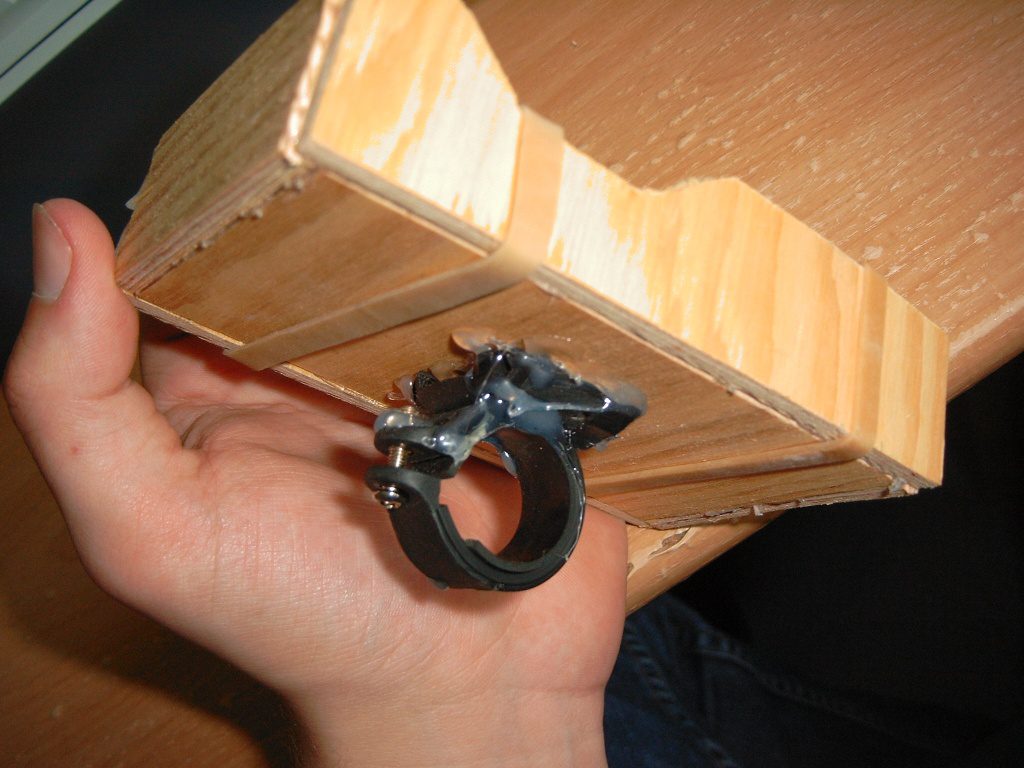
When you pick up an item, pay attention to its weight. A well-balanced, substantial feel often means it’s made from quality materials.
Items that feel too light might be hollow or made with cheaper components.
If something feels sturdy and well-built, such as a solid wooden table or dense fabric chair, it’s more likely to last longer.
Your hands can give you clues about durability before you even examine details closely.
Vibrant colors that haven’t faded
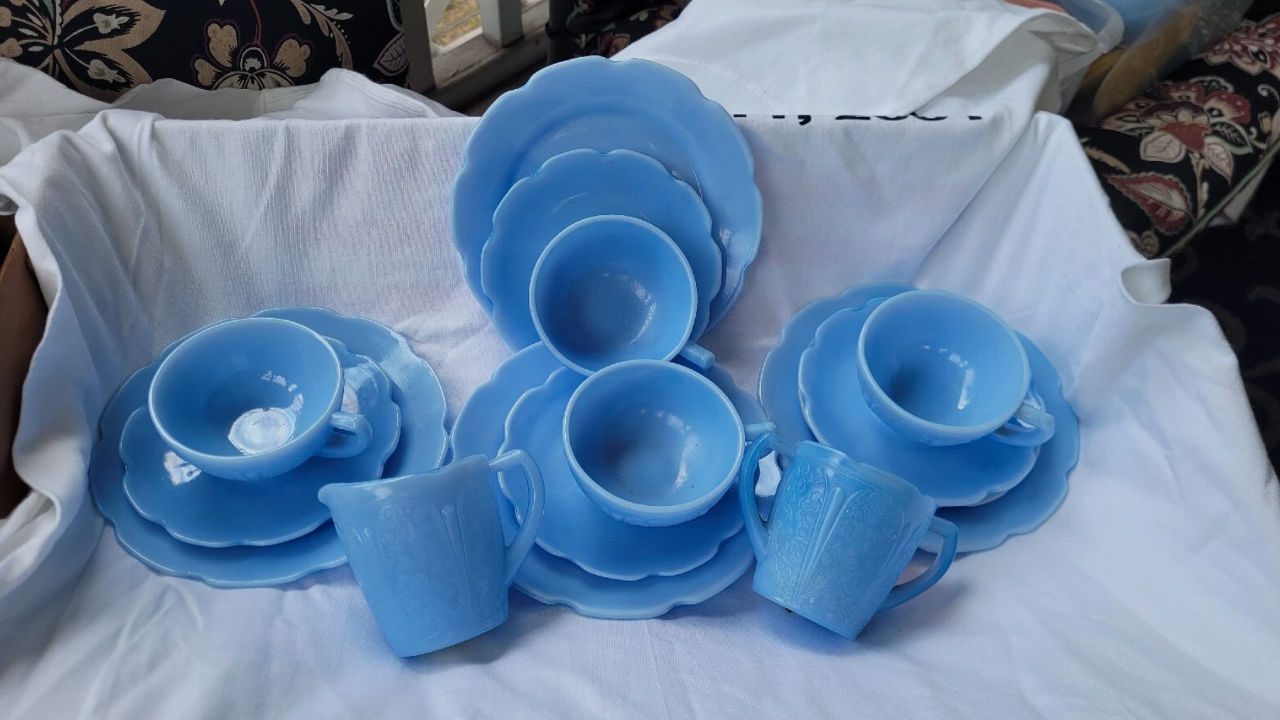
If your item still shows bright, vivid colors, it might be more valuable than you think. Durable pigments or special techniques were often used in valuable antiques to keep colors from fading over time.
Look closely at glass, posters, or painted surfaces. When colors remain clear and lively, it usually means good quality materials were used, increasing the item’s appeal to collectors.
Absence of chips, cracks, or damage

When you examine an item, check carefully for any chips, cracks, or other damage. These imperfections can lower the value, especially for collectibles or handmade pieces.
If your item is free from visible flaws, it suggests it has been well cared for. Pristine condition often makes it easier to sell and can increase its appeal to buyers.
Not mass-produced or factory made
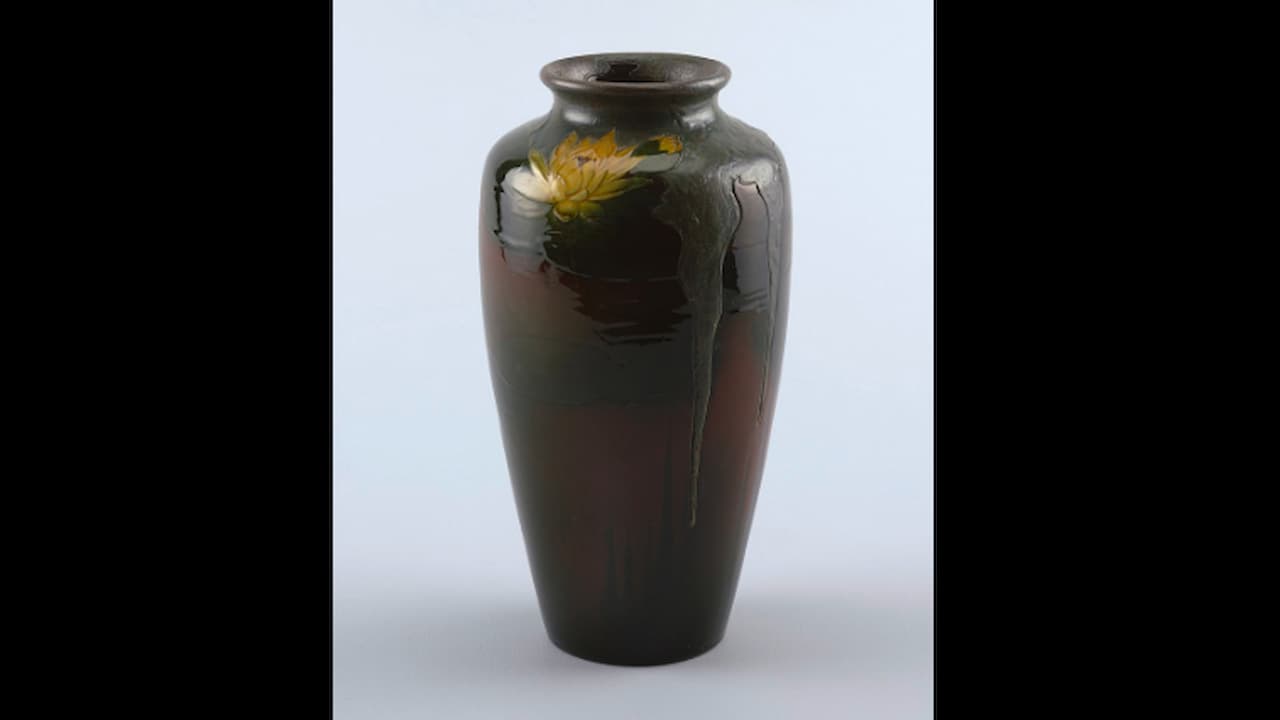
If your item wasn’t made in large quantities, it might be more valuable. Unique or limited production pieces often catch collectors’ attention.
Mass-produced items usually have less value because they are common. Handmade or small-batch goods show more craftsmanship and can be harder to find.
Look for signs like slight imperfections or unique features. These often mean the item wasn’t made on an assembly line, adding to its appeal.
Original condition with minimal repairs

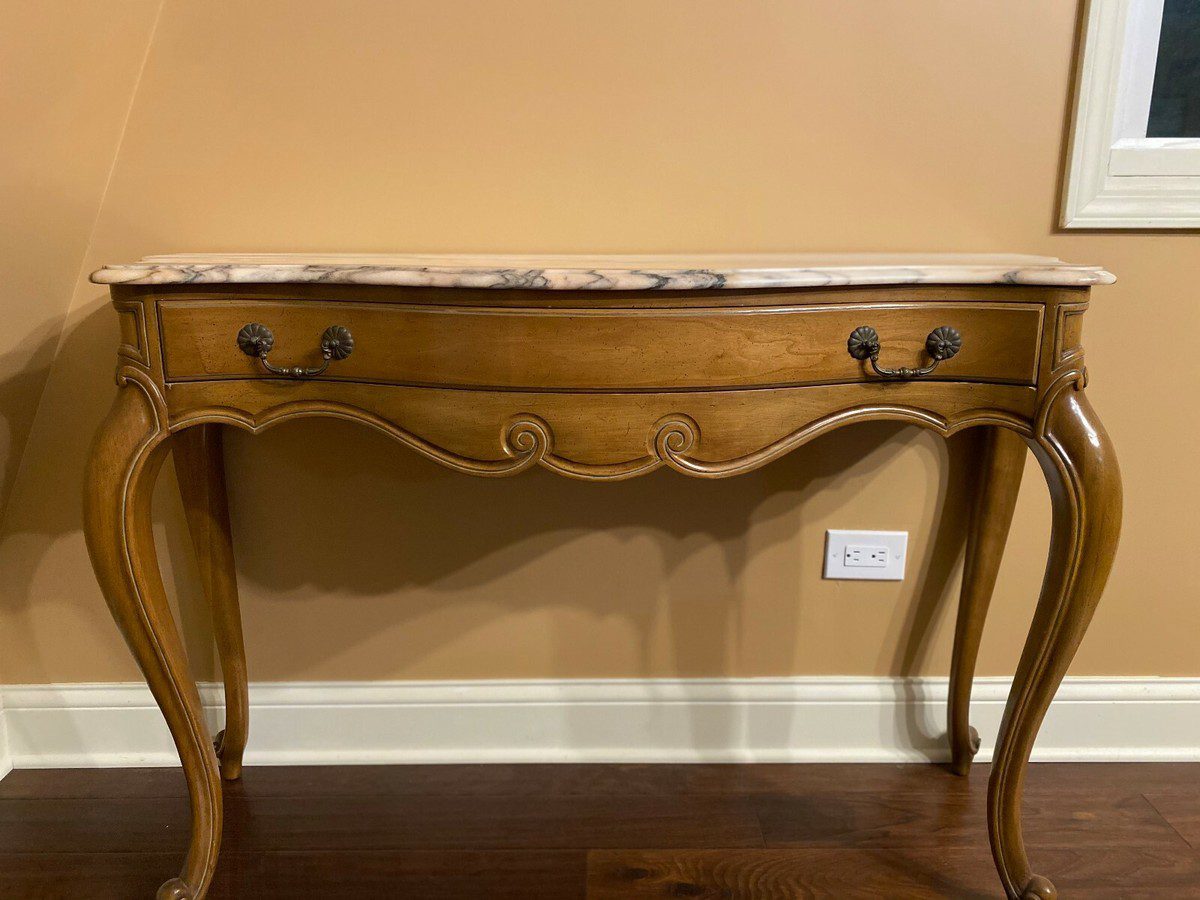
If your item is mostly in its original condition, it could be more valuable. Items with original finishes, fabrics, or parts often hold more interest for collectors.
Minor repairs are usually okay, as long as they don’t change the item’s character too much. Too many fixes or replacements can reduce its value. You want to keep as much of the original intact as possible.
Presence of hallmarks or maker’s marks
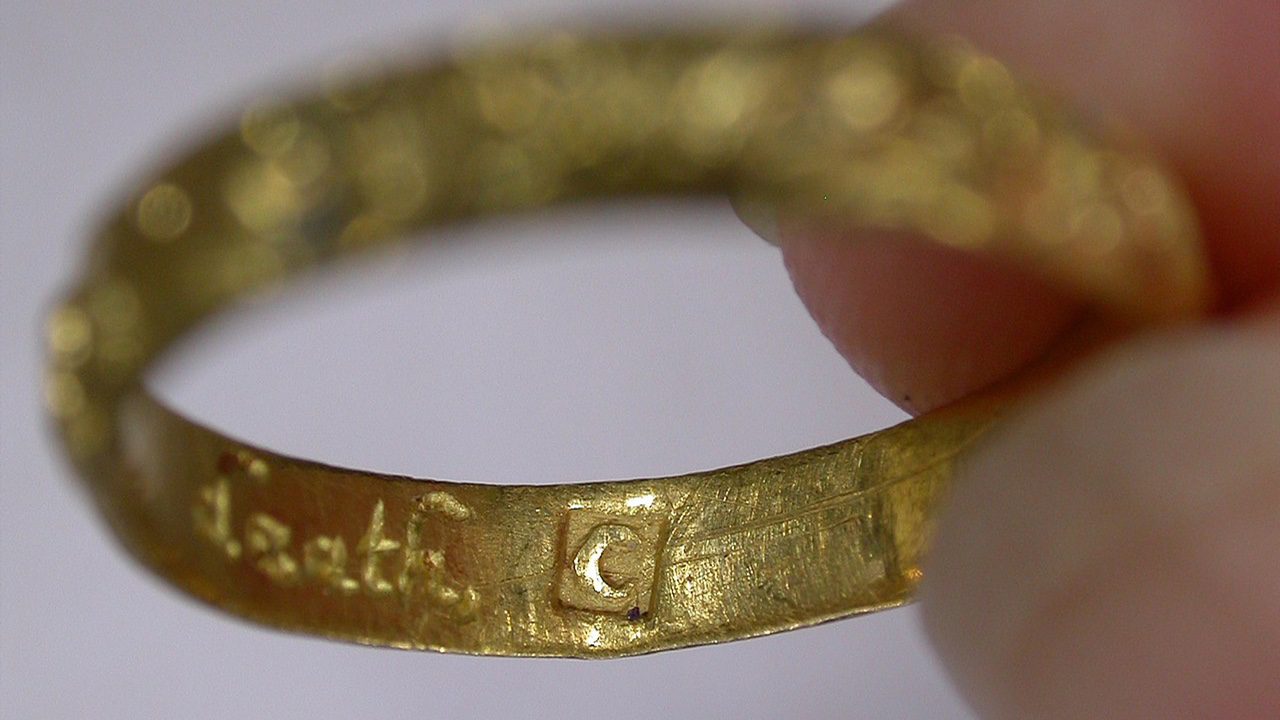
If you spot small stamps or engravings on your item, those are hallmarks or maker’s marks. They tell you who made the item and what materials were used.
These marks can be initials, symbols, or full names. Recognizing them helps you learn about your piece’s origin and value.
Well-known marks from makers like Tiffany & Co. or Cartier often indicate higher quality or craftsmanship. So, keep an eye out for these tiny signs on your belongings.
Heavy weight in jewelry indicating precious metals

When you hold a piece of jewelry and it feels solid and heavy, that’s often a good sign it’s made from precious metals like gold or silver. These metals have a higher density, so they weigh more than cheaper alternatives.
If your item feels light or hollow, it might be plated or made from base metals like brass or stainless steel. Checking the weight is an easy way to start figuring out if your jewelry could be valuable.
Rarity or unusual features compared to similar items


If your item has rare qualities or stands out from others like it, it could be more valuable. Limited production or unique flaws make an item uncommon and often catch collectors’ attention.
You might notice small details or differences that set your item apart from mass-produced versions. These unusual features can increase its worth because they make your piece special and harder to find.