


Solar panels are often advertised as a guaranteed way to save money, but not everything you hear about them is true. Between exaggerated claims from sales reps and common misconceptions homeowners share, it’s easy to make costly mistakes.
Believing the wrong information can lead to overspending on installation, missing out on tax credits, or setting unrealistic expectations for your energy bills.
To set the record straight, here are 12 solar panel myths that might be draining your wallet.
Myth 1: Solar Panels Don’t Work in Cloudy or Cold Climates

Contrary to popular belief, solar panels can still generate electricity even on cloudy or cold days. In fact, solar panels can work more efficiently in cooler temperatures. And while it’s true that direct sunlight will yield more power, diffused light on overcast days can still contribute to your electricity needs. Check out this article for more information on how solar panels perform in different weather conditions.
Germany, a country not known for its abundance of sunny days, is actually one of the global leaders in solar energy. So, don’t let the local weather stop you from considering solar power.
Myth 2: Solar Panels Will Damage Your Roof

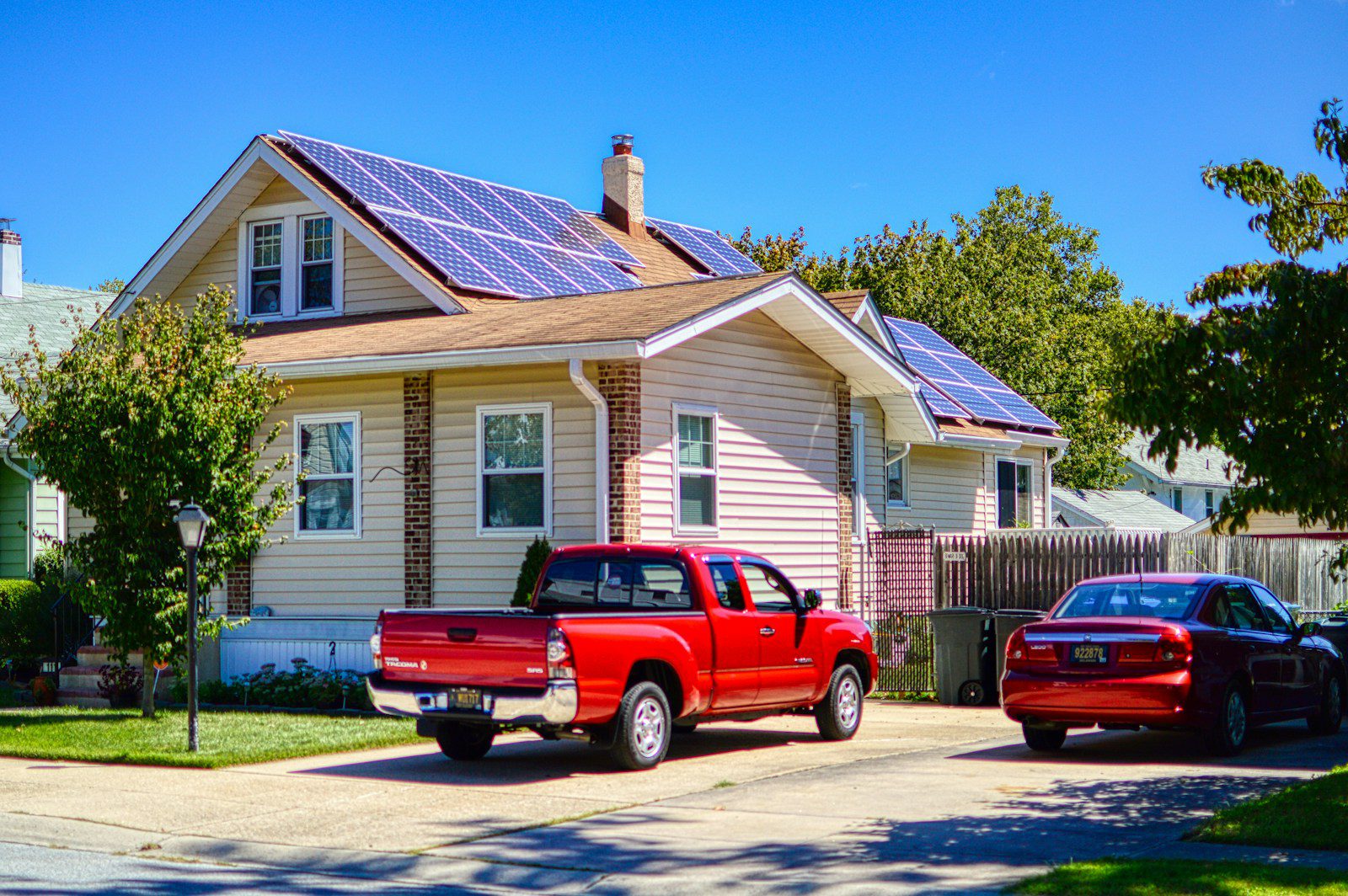
When installed properly by a professional, solar panels can actually protect and preserve the part of the roof they cover. The panels shield the roof from weather and UV radiation, potentially extending its lifespan.
Of course, if your roof is already in poor condition, it’s advisable to repair or replace it before installation. But don’t worry, solar panels themselves won’t cause damage to your roof. You can read more about this myth here.
Myth 3: Solar Panels Require Constant and Expensive Maintenance

Solar panels have no moving parts, making them extremely durable and requiring minimal maintenance. A simple cleaning once or twice a year is usually sufficient to keep them operating efficiently. In many cases, rain can do the job for you!
Most manufacturers also offer 20 to 25-year warranties for their solar panels, so you’ll be covered in the unlikely event that something does go wrong. This source offers more information on solar panel maintenance.
Myth 4: Solar Energy Can’t Possibly Power My Entire Home

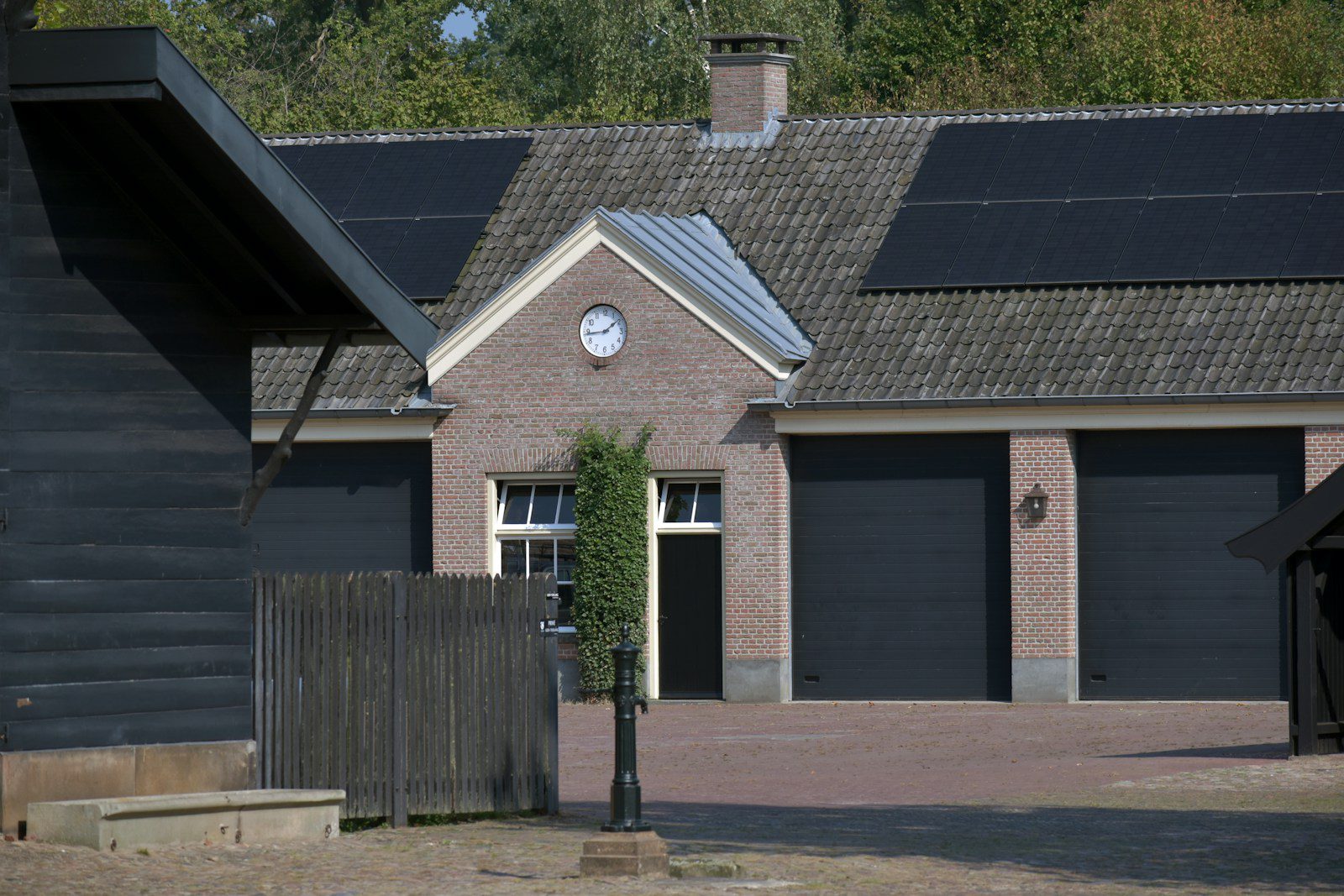
The amount of solar energy you can generate depends on various factors such as the size of your solar panel system, the angle and direction of your roof, and your location. But with the right setup, it’s absolutely possible for solar panels to power your entire home.
More and more households are becoming “net-zero” — producing as much or more electricity than they consume. And any excess power can often be sold back to the grid, earning you credit on your electricity bill.
Myth 5: Solar Panels Will Make My Home Look Unattractive

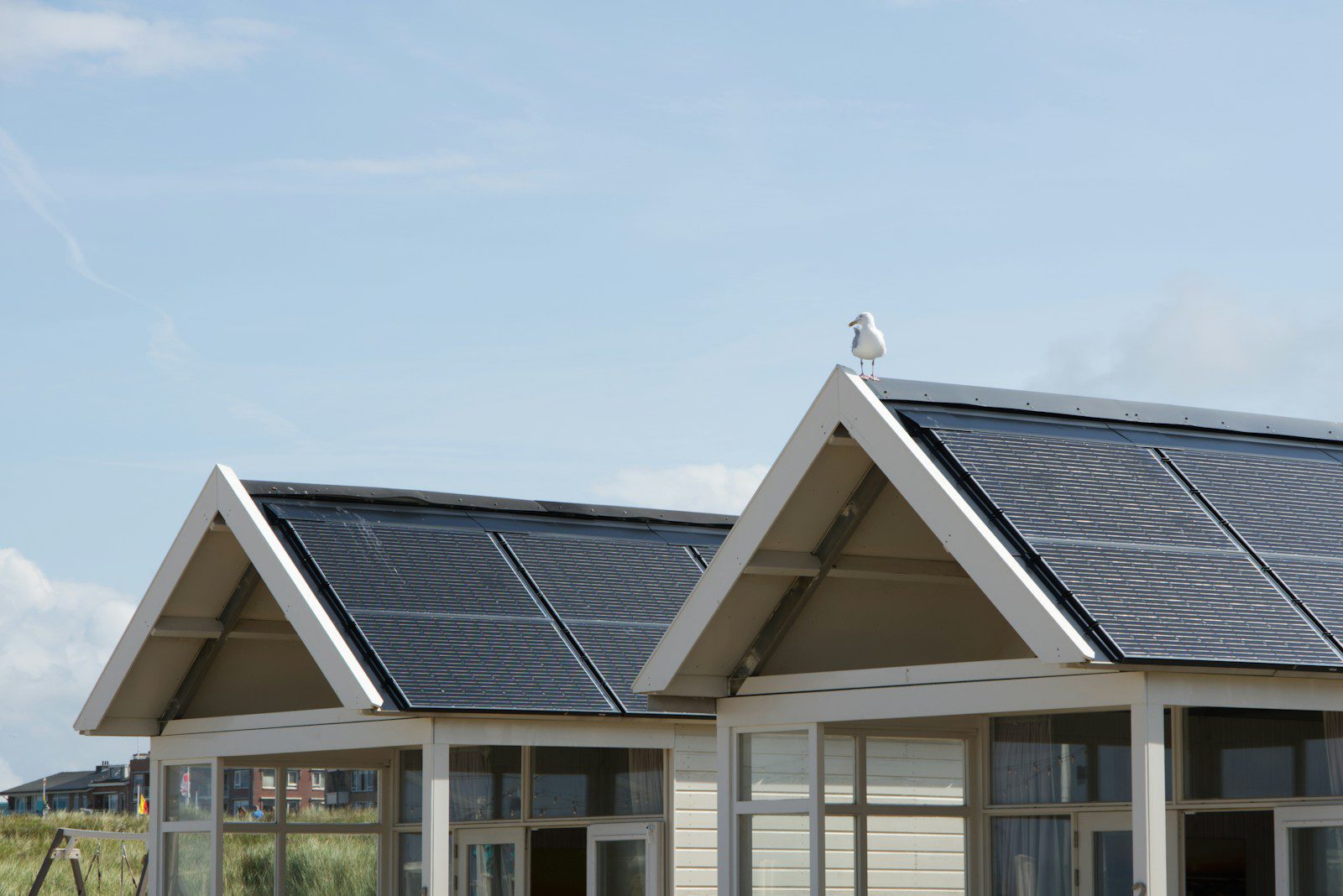
Beauty is in the eye of the beholder. While it’s true that early solar panels weren’t the most aesthetically pleasing, modern solar panels have a sleek, minimalist design that can blend in with your roof. Some manufacturers even offer solar panels in different colors and styles to match your home.
Plus, many people find the idea of generating their own clean, renewable energy quite appealing. And if you’re planning to sell your home, solar panels could actually increase its value. Potential buyers are often willing to pay a premium for a solar-powered home.
Myth 6: Solar Panels Are Too Expensive and Don’t Provide Enough ROI

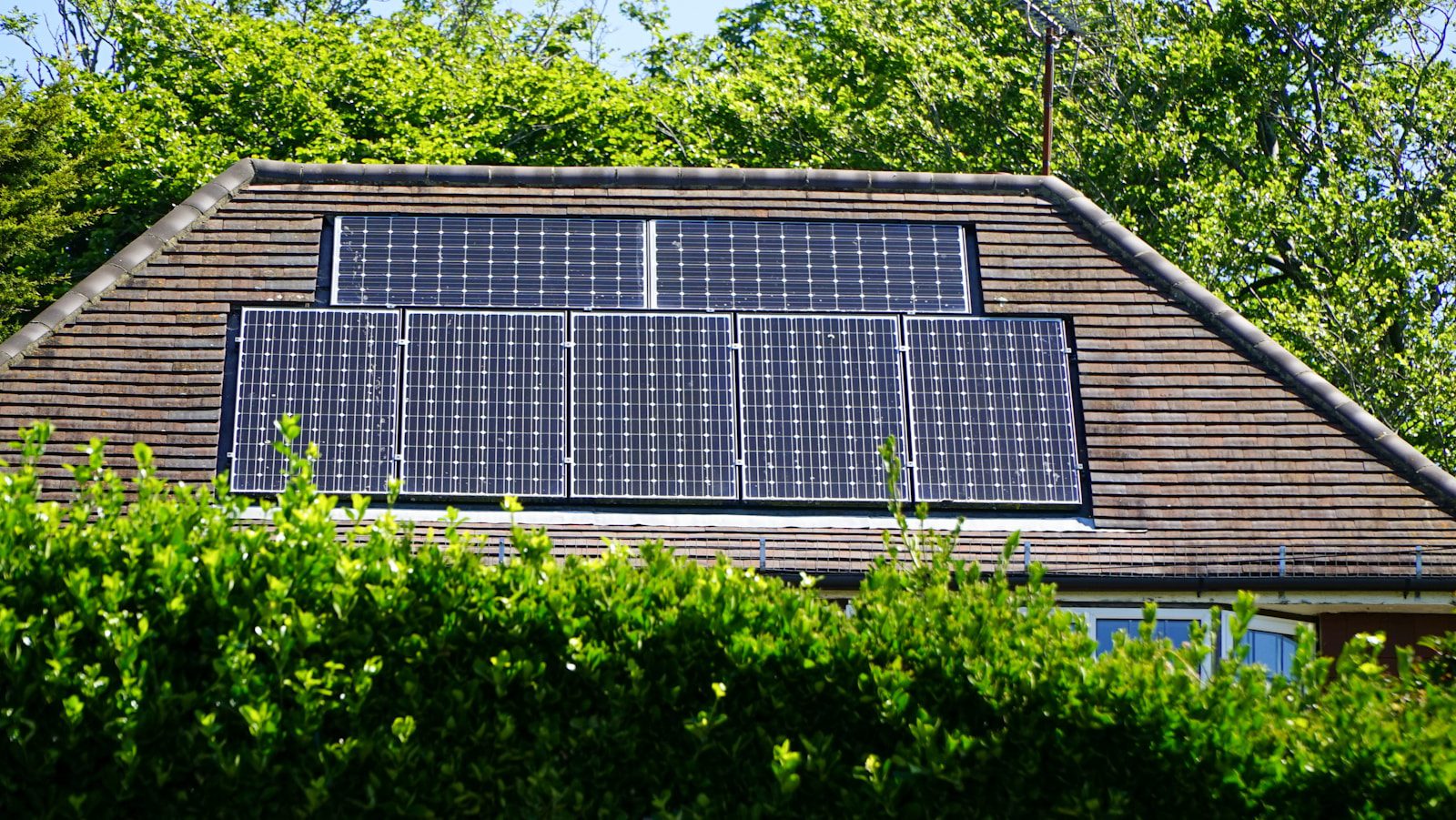
While it’s true that solar panels require an upfront investment, the long-term savings can far outweigh the initial costs. Depending on your location and the size of your system, solar panels can pay for themselves in just a few years. Plus, there are often local and federal incentives that can significantly reduce the cost of installation.
And let’s not forget about the environmental ROI. By switching to solar, you’re reducing your carbon footprint and contributing to a more sustainable future.
Myth 7: Solar Energy is Not Truly Environmentally Friendly

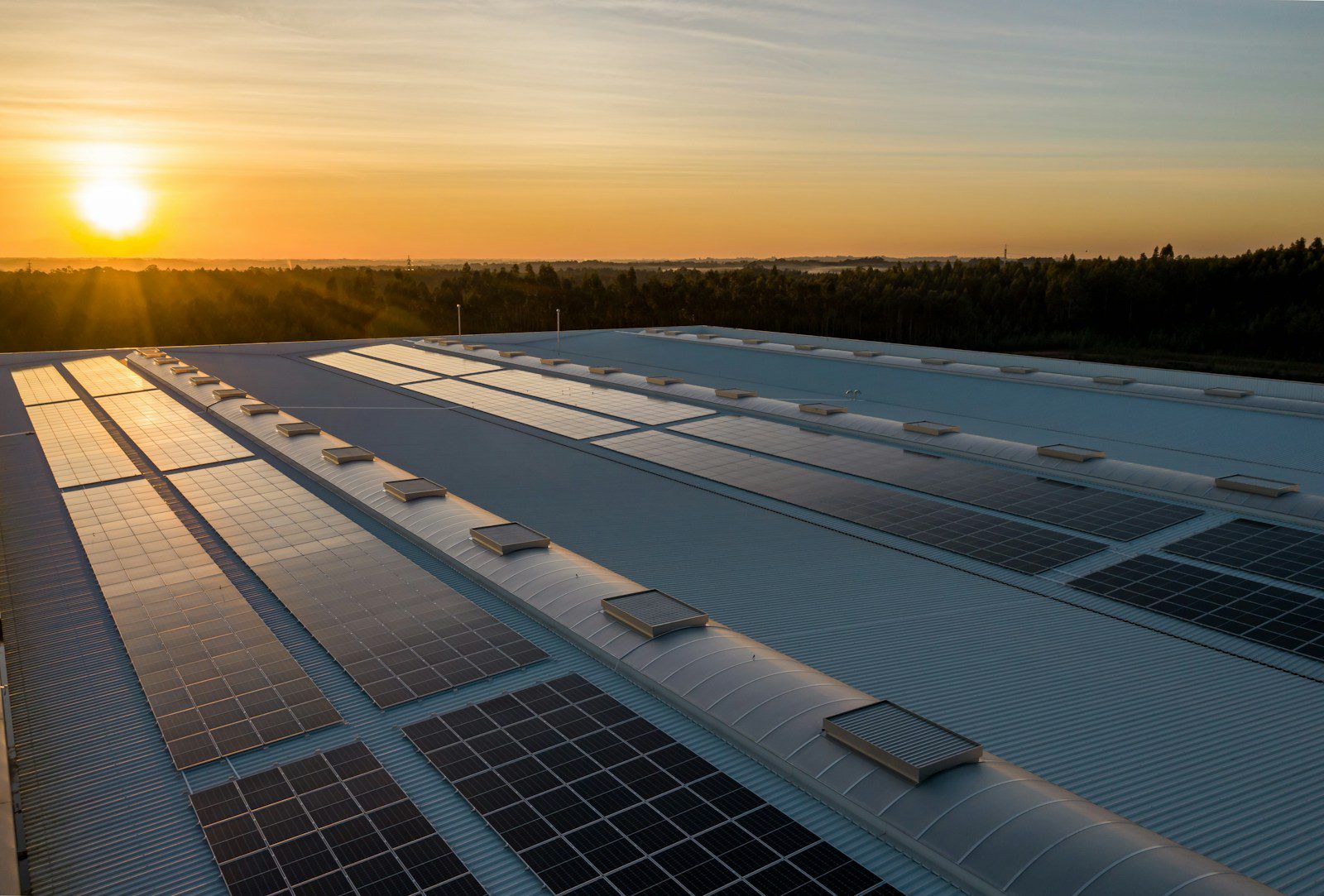
Some argue that the energy used in the production of solar panels and the mining of raw materials outweigh the environmental benefits. However, a study published by the Springer found that the energy payback time — the time it takes for a solar panel to generate the amount of energy used in its production — is typically 1 to 4 years. Considering that solar panels can last 25 to 30 years, they have plenty of time to produce far more energy than was used to create them.
Moreover, unlike fossil fuels, solar panels do not release harmful emissions into the atmosphere once they’re in operation. So in terms of carbon footprint, solar is still a much greener option.
Myth 8: Solar Panel Systems are Difficult to Install
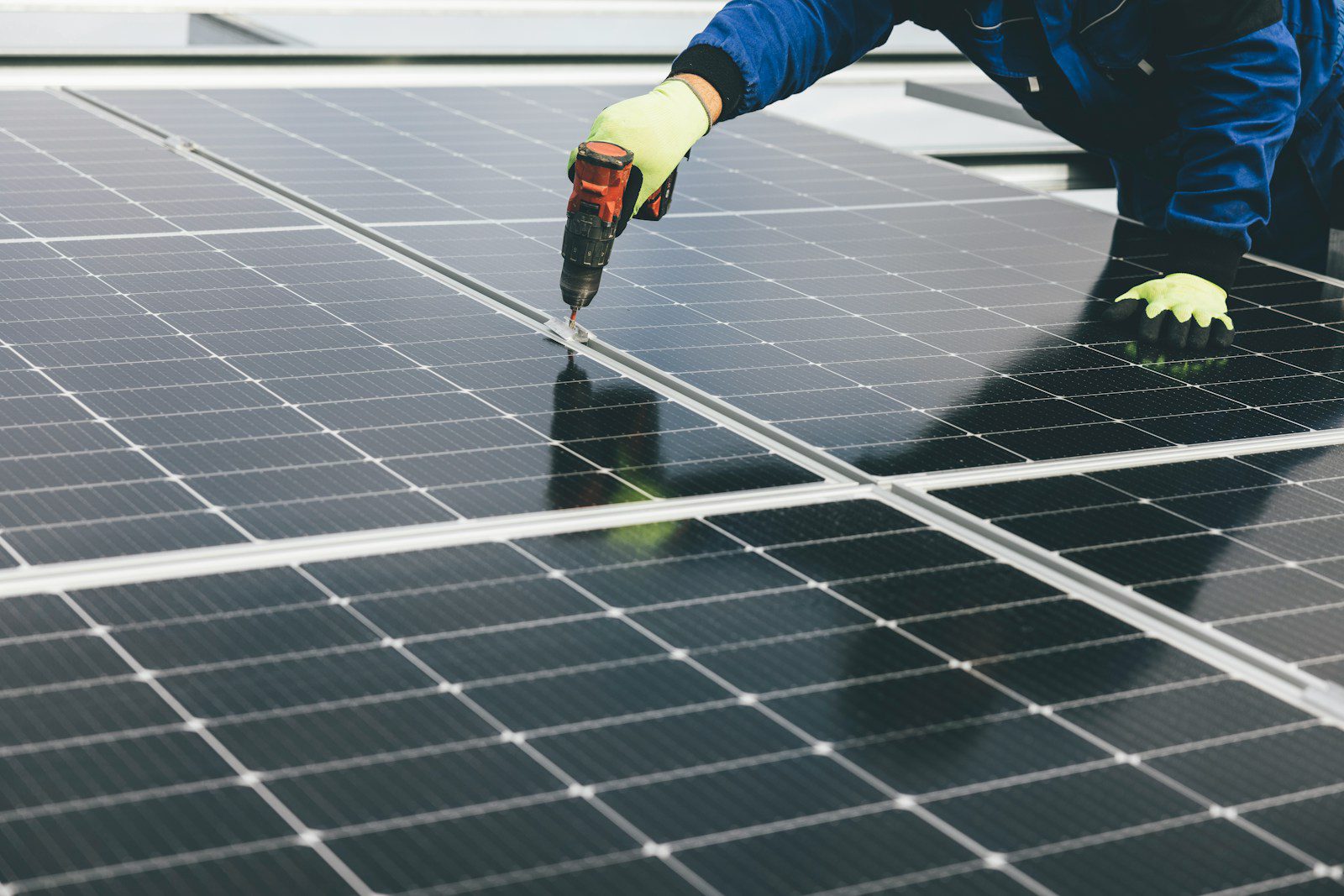
With the right professional help, the installation of solar panels can be a smooth process. The actual installation often takes only a day or two. The bulk of the process is actually the planning and permitting stages, which your solar provider will typically handle for you.
What’s important is to choose a reputable solar provider who will take into account all the relevant factors — from the condition of your roof to your local climate and energy consumption habits — to design the most efficient system for you.
Myth 9: Solar Panels Will Cause My Property Taxes to Skyrocket

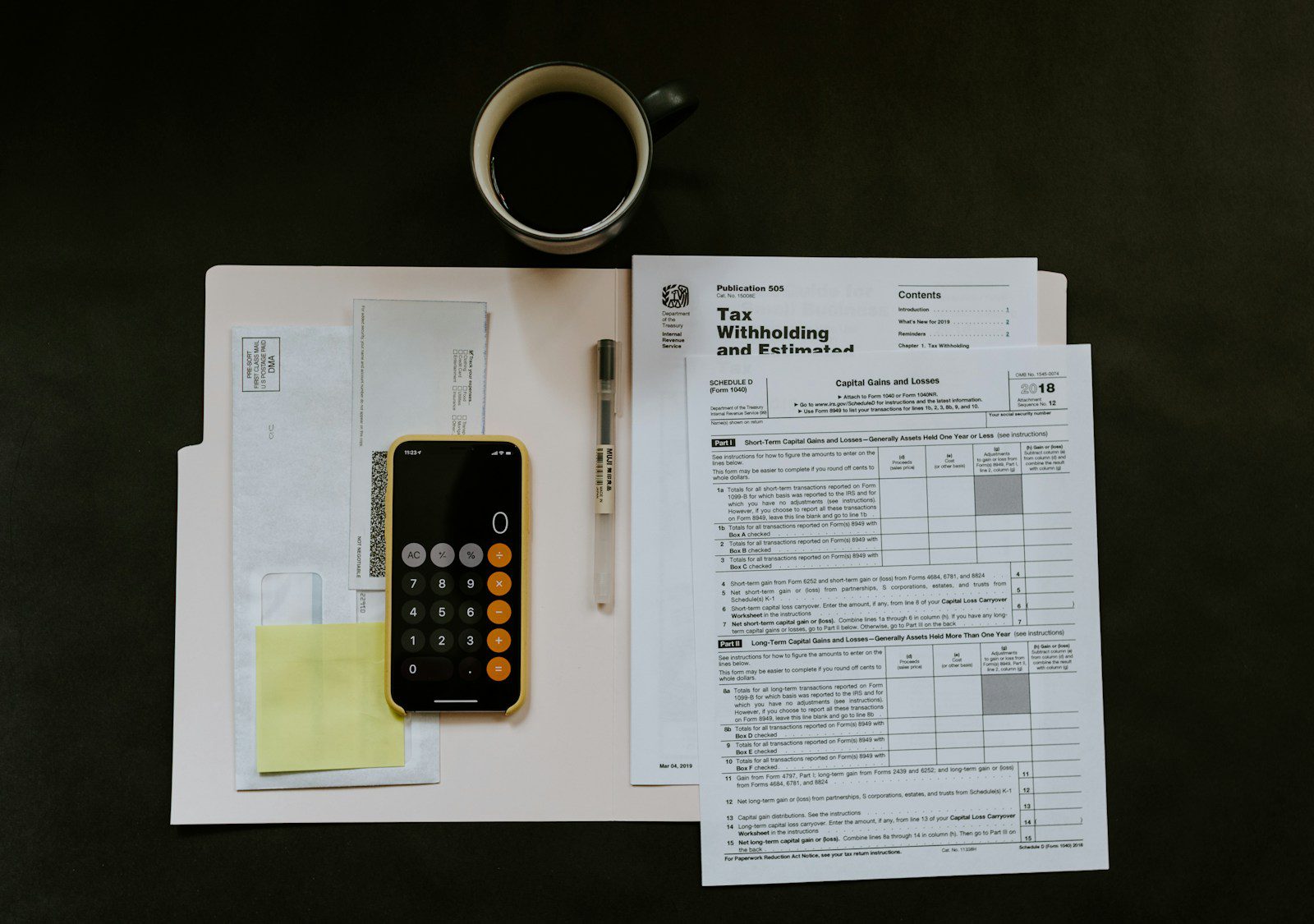
While it’s true that solar panels can increase the value of your home, many states offer property tax exemptions for solar installations. This means the added value won’t affect your property tax bill. If you’re considering going solar, it’s worth checking what incentives are available in your area.
Moreover, as I’ve mentioned before, solar panels can save you a significant amount on your electricity bill. So even if your property taxes did go up, the savings could still make solar a sound investment.
Myth 10: Solar Panels Do Not Work at Night
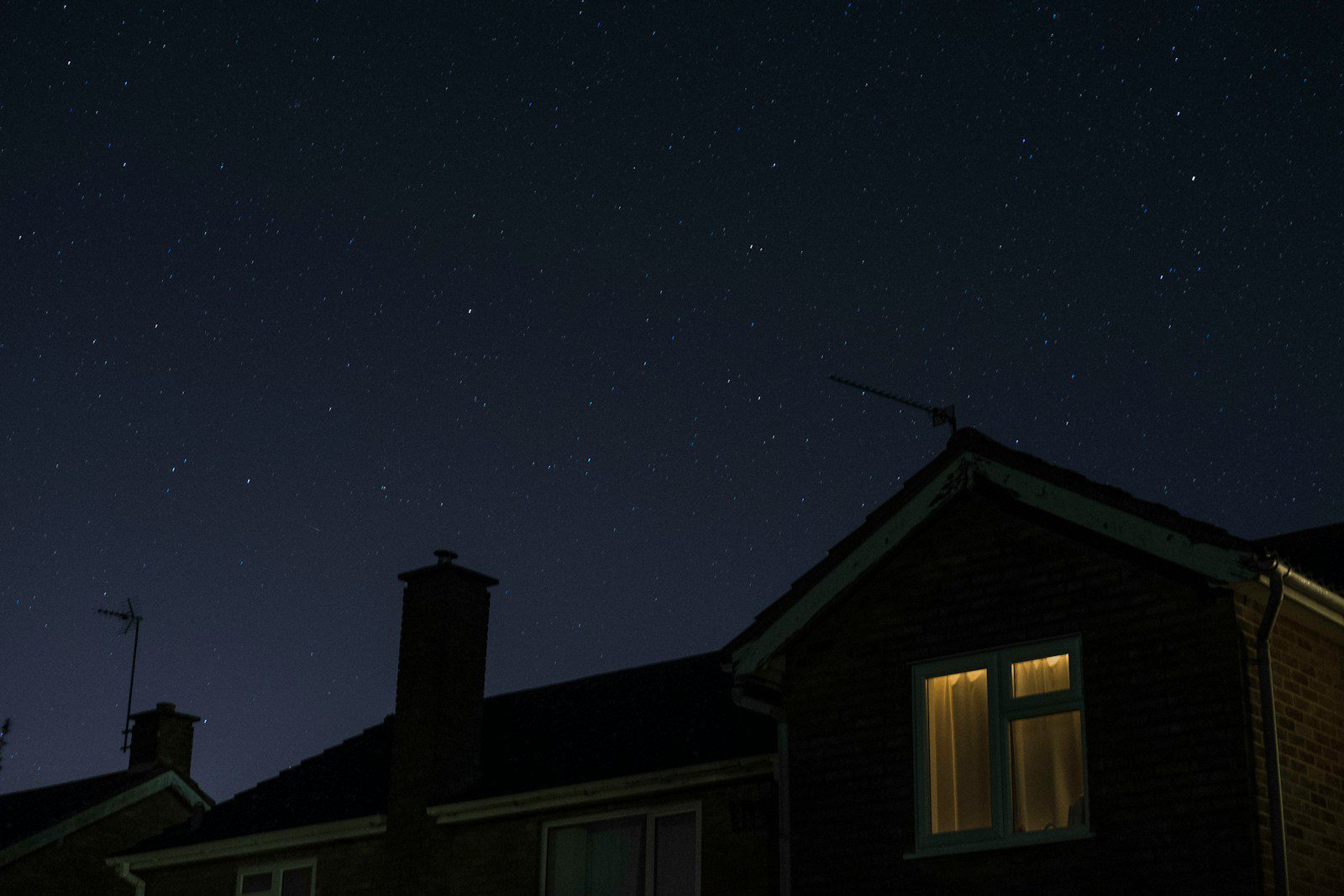
While it’s true that solar panels can’t generate electricity at night, they can still provide power through net metering or a solar battery. Net metering allows you to earn credits for the excess electricity your panels produce during the day, which you can then use at night. A solar battery can store excess energy for later use.
So, while your panels may not be actively generating electricity at night, they can still provide you with solar power. This source offers more information on how solar panels can provide energy around the clock.
Myth 11: You Cannot Move Houses Once You Have Installed Solar Panels
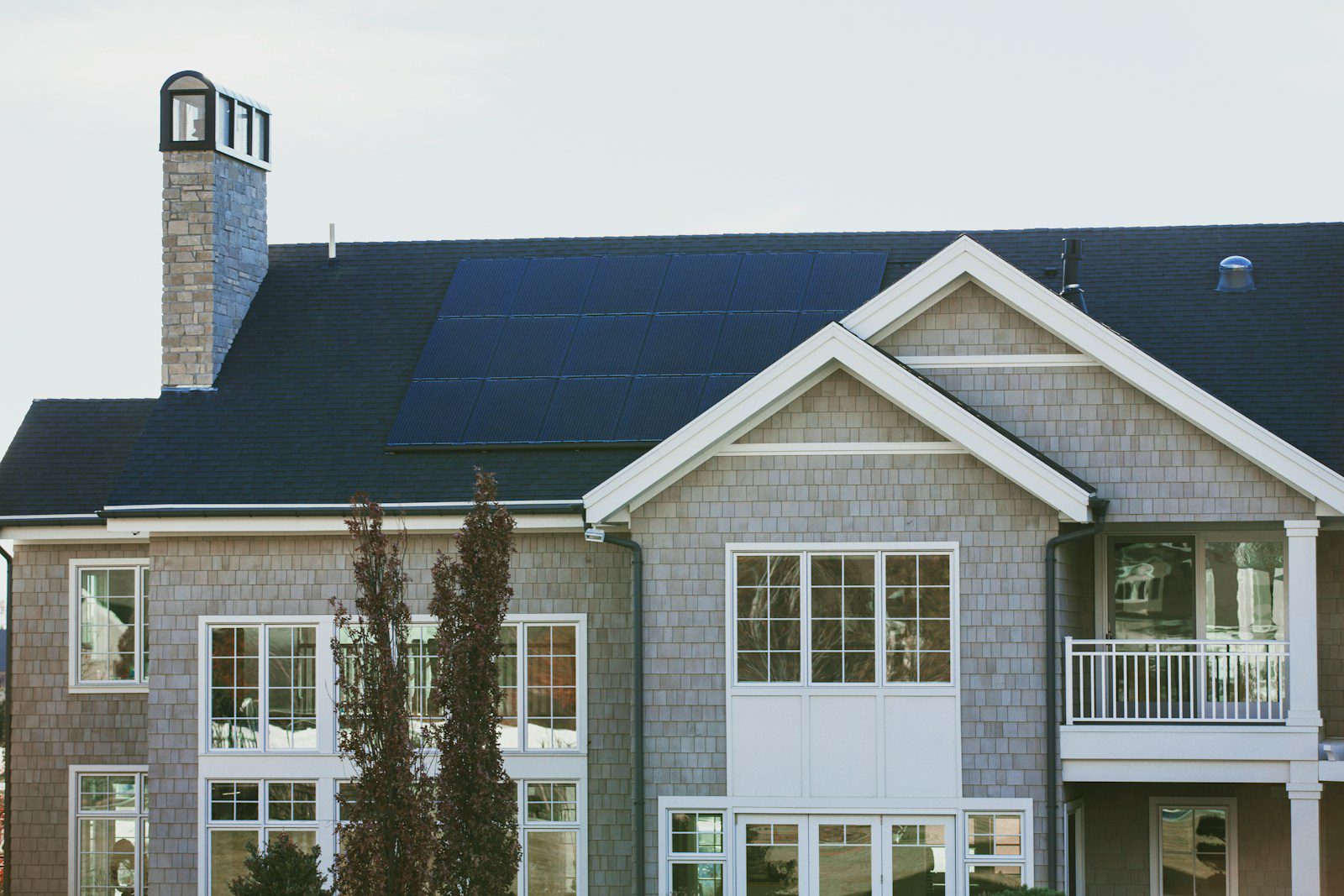
Just like any other feature of your home, solar panels can be sold with the property. As I’ve mentioned earlier, solar panels can actually increase the value of your home. And many buyers may appreciate the lower energy bills that come with a solar-powered home.
If you’re leasing your solar panels, you can usually transfer the lease to the new homeowner. If you really want to take your panels with you, it’s also possible, but it may be more cost-effective to simply install a new system at your new home.
Myth 12: Solar Panels Need to Be Oriented South for Optimal Performance
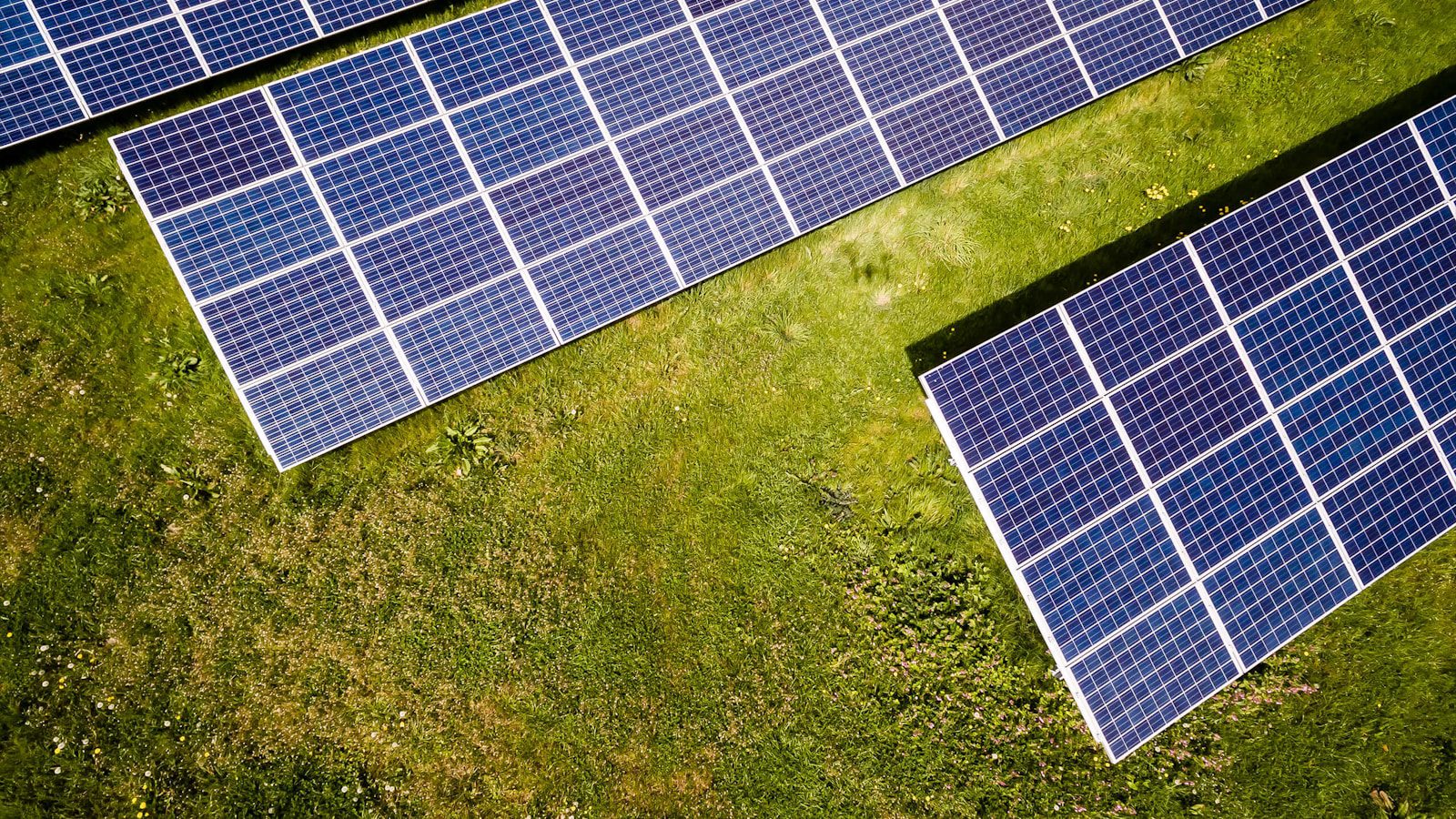
While it’s true that south-facing panels will produce the most electricity, panels facing east or west can still generate a significant amount of power. The exact optimal orientation depends on your location and the angle of your roof. But even if your roof doesn’t face south, solar can still be a viable option for you.
What’s important is to get a professional assessment to determine the best setup for your home. With the right setup, solar panels can provide a significant portion — if not all — of your electricity needs.