


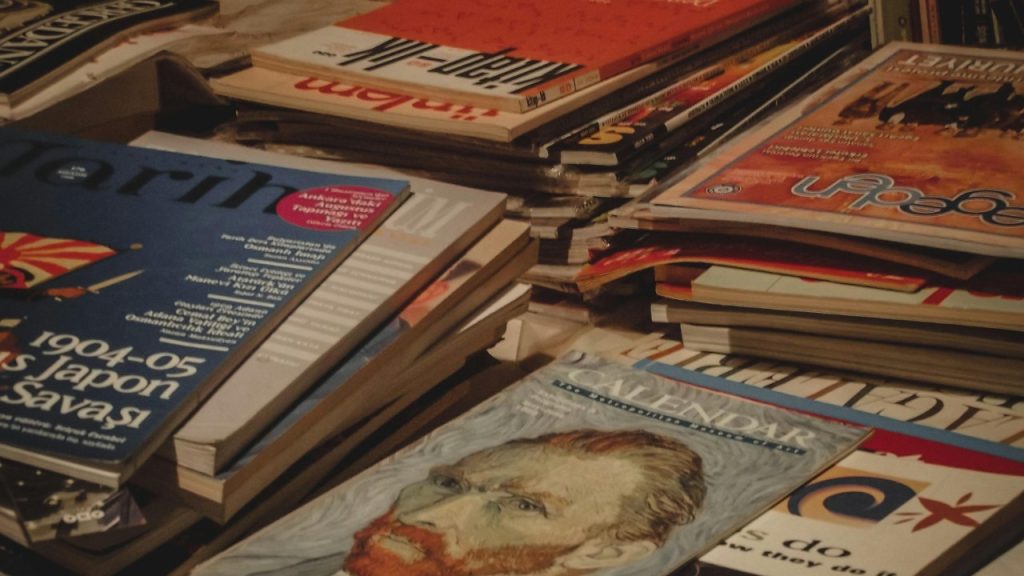
Every home hides clutter that quietly drains energy, time, and storage space. By targeting a few universal problem areas, you can reclaim rooms, simplify routines, and make cleaning easier. These 12 categories show you exactly what to declutter right now, using expert-backed guidance on what to toss, what to store, and what to finally let go of for good.

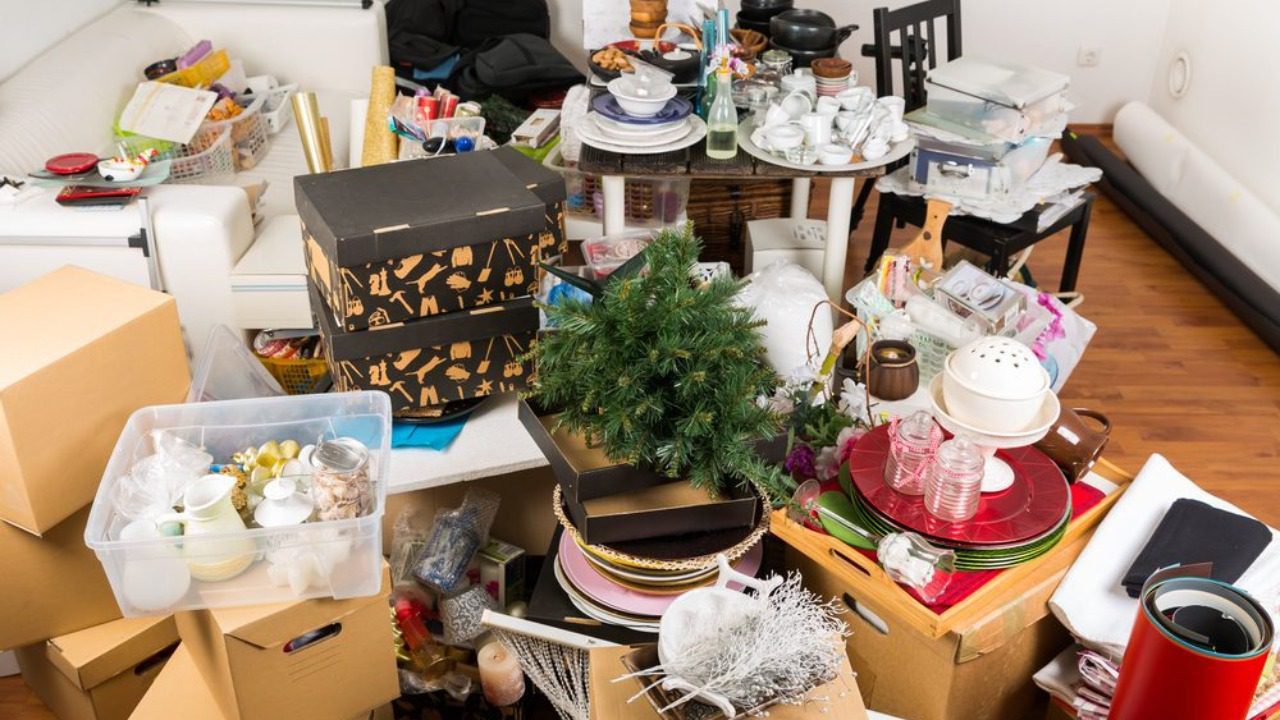
1) Outdated Bedroom Clothing
Outdated bedroom clothing, especially unworn outfits, is one of the clearest signs that clutter has taken over your space. Guidance on things to toss from the bedroom highlights how clothing that no longer fits your style or body often just collects dust and hogs valuable closet real estate. When you keep stacks of jeans you never wear or formal dresses you have not touched in years, you make it harder to see and access the pieces you actually love.
Clearing these items has practical and emotional benefits. You reduce visual noise, cut down on laundry overflow, and make daily outfit decisions faster. It also becomes easier to spot true wardrobe gaps, so future purchases are more intentional instead of impulse buys. Donating wearable pieces to local charities or resale shops keeps them in circulation, which supports more sustainable fashion habits while giving your bedroom a calmer, more functional feel.
2) Worn-Out Bedding
Worn-out bedding, including flattened pillows and frayed sheets, is another bedroom staple that should be decluttered without hesitation. Expert advice on Things To Toss From Your Bedroom Right Now points out that old textiles can harbor dust, sweat, and allergens that undermine sleep quality. When pillow filling clumps or your fitted sheet has lost its elasticity, you are not just dealing with an eyesore, you are sleeping on a hygiene problem.
Replacing these pieces improves both comfort and health. Fresh pillows support your neck properly, and intact sheets are easier to launder thoroughly, which matters if you struggle with allergies or sensitive skin. Retiring old bedding also streamlines linen storage, since you are no longer juggling half-usable sets. If you feel guilty discarding them, consider repurposing the least worn pieces as cleaning rags or pet bedding, then commit to a regular replacement schedule so your bedroom stays restful instead of rundown.
3) Expired Beauty Products
Expired beauty products clutter nightstands, dressers, and bathroom trays, and they can quietly cause irritation. Guidance on bedroom routines notes that old makeup, lotions, and skincare often linger long after their safe-use window. Mascara that has dried out, foundation that has separated, or sunscreen from several summers ago not only performs poorly but can harbor bacteria that leads to breakouts or eye infections.
Decluttering these items simplifies your daily routine and protects your skin. Start by checking printed expiration dates, then look for changes in smell, texture, or color as red flags. Keeping only current, trusted products makes it easier to maintain a consistent regimen and reduces the temptation to experiment with half-used bottles that never really worked. As you clear space, you also get a clearer picture of what you actually use, which helps you resist marketing hype and stick to a streamlined, effective collection.
4) Piled-Up Reading Materials
Piled-up reading materials, from old newspapers to stacks of novels, are a classic source of bedroom clutter. Advice on Old Newspapers, Books explains that these piles collect dust and visually overwhelm nightstands, dressers, and even the floor. When every surface is covered with magazines you “might read someday,” your bedroom stops feeling like a retreat and starts feeling like a storage unit.
Clearing these stacks has immediate impact. Keep only the book you are currently reading and perhaps one next in line, then relocate or donate the rest. Libraries, Little Free Libraries, and local schools often welcome gently used titles. For newspapers and magazines, recycle issues older than a week unless they contain truly essential information. This shift not only improves air quality by reducing dust but also signals to your brain that the bedroom is for rest, not for unfinished reading tasks.
5) Off-Season Wardrobe Items
Off-season wardrobe items, such as heavy coats in July or swimsuits in January, quietly crowd closets and dressers. Guidance on things to declutter before October stresses that clothing you will not need for several months should be edited and stored, not left mixed with everyday pieces. When tank tops and wool sweaters share the same rail, you waste time sifting through irrelevant options every morning.
Before a seasonal shift, pull everything that does not match the upcoming weather and assess it. Donate items that no longer fit or suit your lifestyle, then store the rest in labeled bins or vacuum bags. This rotation frees up prime closet space for what you actually wear and makes it easier to spot gaps, like realizing you own three raincoats but no practical boots. Over time, this habit supports a more curated wardrobe and reduces the urge to overbuy each season.
6) Old Calendars and Planners
Old calendars and planners from previous years are another category that lingers long after their usefulness ends. Advice on what to clear out before seasonal transitions notes that outdated calendars or planners can weigh on you mentally, because they keep past obligations and unfinished goals in constant view. When last year’s appointments still sit on your desk, it becomes harder to focus on current priorities.
Recycling these paper records creates literal and psychological breathing room. If you need to preserve key dates, snap photos of important pages or transfer milestones into a digital calendar before you let the physical copies go. Keeping only the current planner on display helps you stay present and reduces visual clutter in home offices, kitchens, and entryways. This small step reinforces that your systems are up to date, which supports better time management and less stress.
7) Summer Decor Accents
Summer decor accents, including beach towels, lightweight linens, and seasonal tabletop pieces, can overstay their welcome once cooler weather arrives. Organizing advice on Summer Decor highlights that items like bright coastal pillows or shell-themed accessories should be edited before fall. When these pieces remain scattered across living rooms and patios, your home can feel seasonally off-balance and more cluttered than it really is.
Start by gathering all summer-specific textiles and decor into one spot. Retire anything faded, stained, or unused this year, then donate what is still in good condition but no longer fits your style. Store the remaining favorites in clearly labeled bins so they are easy to find next year. This approach not only refreshes your home’s look for the new season but also prevents storage areas from becoming dumping grounds for outdated seasonal trends.
8) Childhood Keepsakes
Childhood keepsakes, such as old toys, trophies, and school projects, often feel untouchable, yet they can occupy entire closets and attics. Guidance on permission to let go emphasizes that cherished childhood mementos that no longer spark joy are among the “things that feel illegal to declutter.” Holding on to every stuffed animal or participation ribbon can keep you anchored to a past version of yourself instead of supporting the life you live now.
To declutter thoughtfully, choose a small container or memory box and limit yourself to what fits inside. Prioritize items tied to specific, meaningful stories, and photograph the rest before donating or discarding. This process respects your history while freeing up physical space and emotional bandwidth. It also sets a healthy example for children in your life, showing that memories live in experiences and stories, not in every object you have ever owned.
9) Accumulated Cards and Letters
Accumulated cards and letters, from birthday wishes to holiday greetings, can quietly fill drawers and boxes for years. Advice on letting them go notes that sentimental paper items are another category that feels almost “illegal” to declutter, even when they no longer serve your daily life. When every envelope is saved, it becomes difficult to find the truly meaningful notes among generic signatures and printed messages.
A practical approach is to keep only the cards with handwritten messages that still move you. Store them in a single keepsake box or scan them into a digital archive. Recycling the rest lightens your emotional load and reduces the risk of important documents getting lost among piles of old mail. This edit also makes future sentimental items easier to manage, since you have a clear standard for what is worth saving.
10) Event Memorabilia
Event memorabilia, including ticket stubs, wristbands, and programs, often accumulates after concerts, plays, and sporting events. Guidance on why it is acceptable to declutter these event programs explains that you do not lose the core memory when you release the paper proof. When every outing results in another keepsake, you quickly end up with overflowing shoeboxes and cluttered nightstand drawers.
Instead of saving every stub, choose a few standout experiences to represent a period of your life. You might frame a single poster from a favorite band or create a small scrapbook page for a milestone trip. The rest can be recycled without guilt. This selective approach preserves your story in a curated way, while freeing space for new experiences rather than more storage containers.
11) Duplicate Household Items
Duplicate household items, such as extra vases, picture frames, and serving platters, are another category that can feel surprisingly hard to pare down. Advice on releasing cherished things notes that these duplicates often accumulate over time as gifts or impulse buys. When every cabinet shelf is lined with similar pieces, you end up “shopping your own house” without realizing how much you already own.
Start by grouping like items together so you can see the full volume. Keep the most versatile and sentimental pieces, then donate the rest to thrift stores, community centers, or mutual aid groups. This not only clears cabinets and reduces the risk of breakage from overcrowded shelves, it also ensures that useful items are actually used. Over time, you gain a clearer sense of your true needs, which curbs future clutter and supports more intentional home styling.
12) Nostalgic Decor
Nostalgic decor, such as outdated wall art, figurines, or themed collections, often lingers because it feels intertwined with your identity. Guidance on things you should never throw away is frequently interpreted as a blanket rule, but expert commentary on nostalgic pieces clarifies that items which no longer serve a purpose can be rehomed. When every surface is covered with decor from a past era, your home can feel stuck in time instead of reflecting who you are today.
To declutter, walk through each room and identify pieces you would not buy again now. Consider gifting meaningful items to family members who genuinely love them, or selling collections to enthusiasts who will appreciate them. Letting go of decor that no longer fits your taste opens visual space and allows your current style to emerge. The memories remain, but your home becomes lighter, calmer, and easier to maintain.
More from Decluttering Mom: