


You probably know to toss sour milk or moldy leftovers, but plenty of “invisible” clutter in your kitchen and hurricane kit quietly expires long before you notice. From flavorless spices to dead batteries, these forgotten items can waste money, crowd shelves, and even undermine your safety when you need supplies most. Here are 12 things hiding in your house that are likely long past their useful life.

1) Old Spices in the Pantry
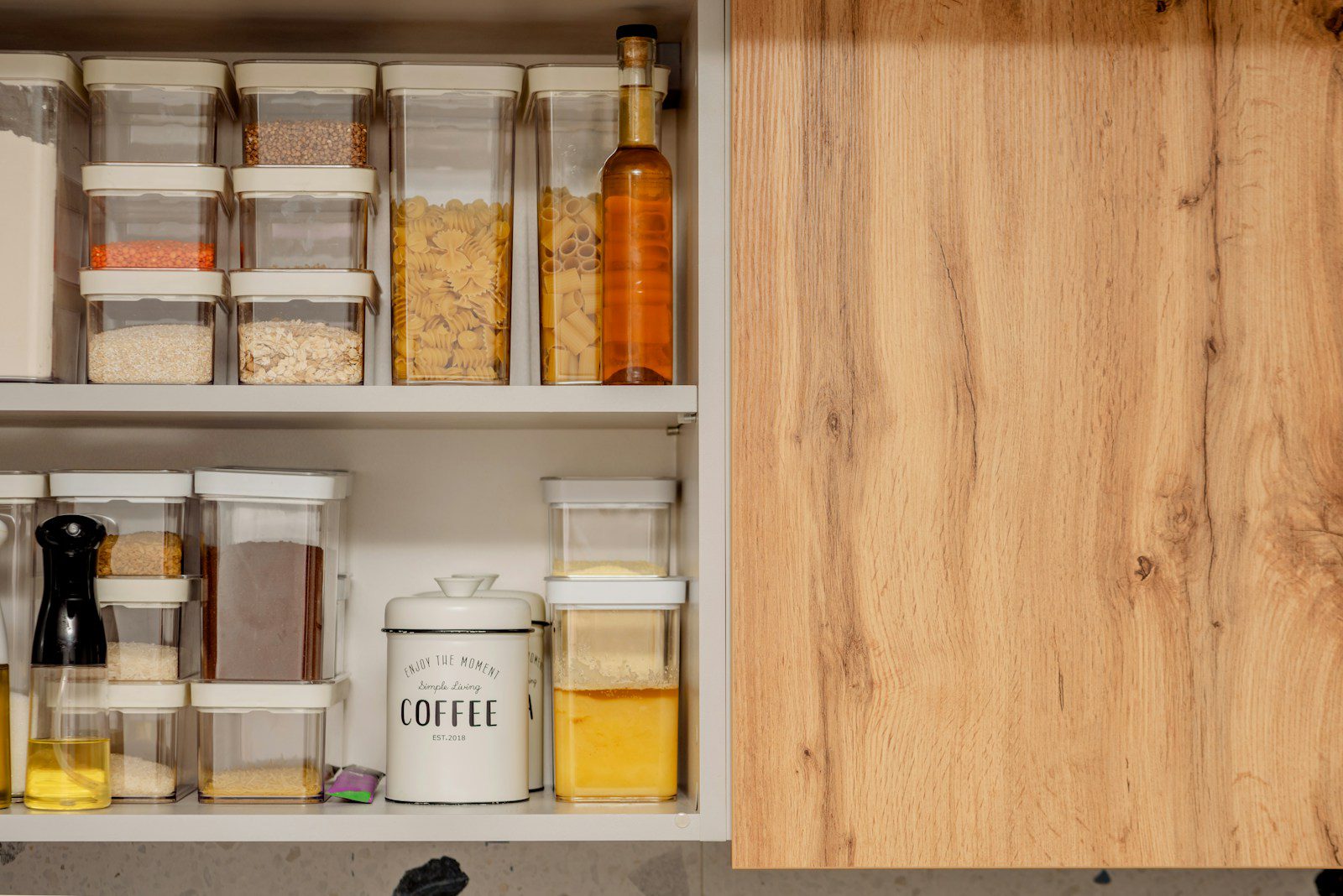
Old spices in the pantry are classic clutter that professional organizers flag as expired, even if the jars look fine. Guidance on kitchen items you do not need highlights how dried herbs and ground spices lose potency after a couple of years, turning once-vibrant flavors into dusty, indistinguishable powder. You might still sprinkle them into soups or rubs, but they no longer deliver the aroma or taste the recipe expects, so they effectively function as dead weight in your cabinets.
Separate reporting on things in your kitchen to toss recommends checking spice expiration dates twice a year, a simple routine that keeps you from cooking with stale ingredients. If you keep decades-old jars for nostalgia, consider decanting a small amount into a labeled keepsake and clearing the rest. The stakes are straightforward, you waste money on recipes that never taste right and keep postponing a pantry reset that would make everyday cooking easier.
2) Baking Powder Behind the Cabinet
Baking powder behind the cabinet is another hidden item that quietly expires while you assume it still works. Organizing advice on Items Your Kitchen That Professional Organizers Would Throw Out singles out expired food and spices, and baking powder fits squarely in that category because it typically loses its leavening power after about 6 to 12 months. Once that happens, your muffins, biscuits, and cakes rise unevenly or not at all, even if you follow the recipe perfectly.
Because the can often lives in the darkest corner of a cabinet, you might not notice how long it has been open. A quick test, stirring a teaspoon of baking powder into warm water to see if it bubbles vigorously, can reveal whether it is still active. If it fails, you are essentially storing a useless white powder that sabotages baked goods and wastes flour, sugar, and time every time you bake.
3) Canned Goods Past Their Prime
Canned goods past their prime tend to accumulate at the back of deep shelves, where they quietly age beyond their best-by dates. Organizers who focus on Items Your Kitchen That Professional Organizers Would Throw Out consistently point to expired pantry staples, including dented or bulging cans, as clutter that also carries safety concerns. Once canned food sits for more than about two years, quality drops, and any damage to the can increases the risk of contamination that you cannot see from the outside.
Rotating your stock, pulling older cans forward and placing new purchases in the back, helps prevent this slow build-up of questionable goods. When you ignore those dates, you not only risk off flavors and textures, you also lose track of what you actually have on hand. That can lead to overbuying, wasted money, and the unsettling possibility of opening a can in a hurry and discovering it is unusable when you need it most.
4) Forgotten Condiments in the Fridge Door
Forgotten condiments in the fridge door are another category of expired items that professional organizers routinely target. Guidance on kitchen items you do not need includes half-used bottles of ketchup, mayonnaise, and salad dressing that linger long after their printed dates. Over time, these sauces can separate, darken, or develop off smells, even if the bottle remains technically sealed, turning your fridge door into a museum of past cookouts and takeout nights.
Because condiments feel “nonperishable,” you may assume they last indefinitely, but many open bottles are only at peak quality for a few months. Keeping them around anyway crowds out fresher staples like milk or eggs and makes it harder to see what you actually use. The stakes are small but real, you risk foodborne illness from spoiled products and waste money replacing items you forgot you already owned because they were buried behind expired jars.
5) Rancid Oils and Vinegars
Rancid oils and vinegars often sit near the stove, exposed to heat and light that speed up their decline. Organizing checklists of kitchen items you do not need call out old cooking oils as prime candidates for the trash, since many go rancid within about a year once opened. When that happens, the fats oxidize, producing bitter, stale flavors and aromas that can overpower dressings, marinades, and sautéed dishes.
Vinegars are more stable, but flavored varieties and those stored in warm spots can still lose their brightness or develop sediment that signals it is time to replace them. Continuing to cook with rancid oil does more than ruin dinner, it can introduce compounds that are harsh on digestion and undermine the health benefits you expect from ingredients like olive oil. Clearing out old bottles and buying smaller quantities you can finish quickly protects both flavor and your grocery budget.
6) Stale Flour and Grains
Stale flour and grains hide in deep cabinets, where they quietly age past their ideal window and sometimes attract pests. Lists of kitchen items you do not need emphasize expired dry goods, and flour is a prime example, often losing freshness after 6 to 8 months at room temperature. Whole grain flours, which contain more natural oils, can go rancid even faster, giving baked goods a sour or cardboard-like taste that is hard to pinpoint if you are not checking dates.
Rice, oats, and other grains can also pick up pantry odors or harbor pantry moths and weevils if they sit too long in thin paper bags. Transferring these staples into airtight containers and labeling them with purchase dates helps you use them while they are still at their best. Ignoring that timeline means you risk baking with ingredients that compromise texture and flavor, and you may end up discarding entire bags once you finally notice the off smell or insect activity.
7) Stale Coffee or Tea Bags
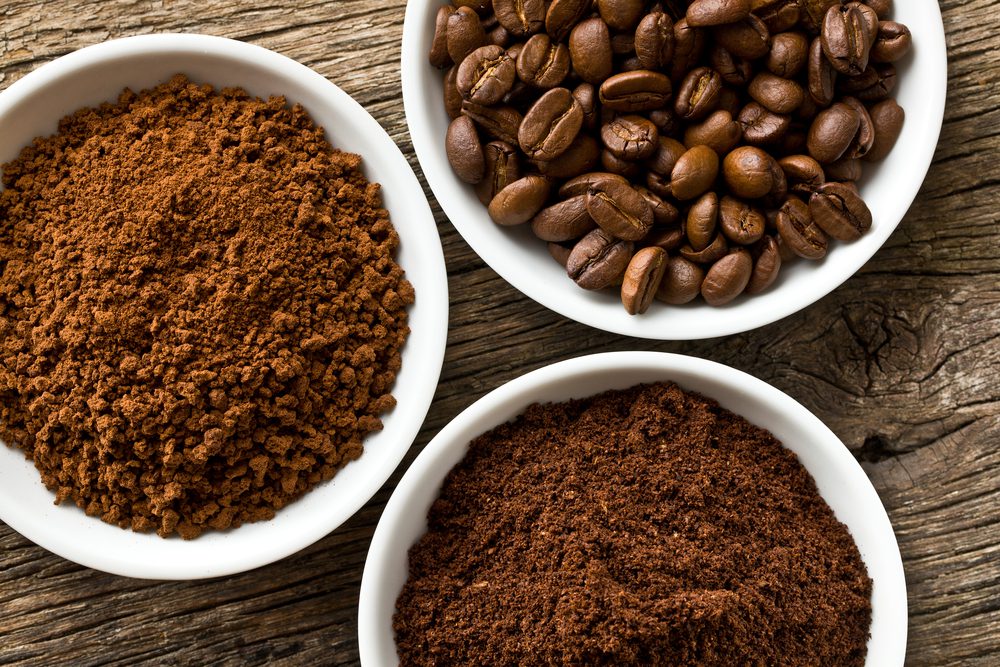
Stale coffee or tea bags are another category of long-forgotten items that professional organizers encourage you to reassess. Advice on kitchen items you do not need notes that ground coffee typically loses its best flavor within 2 to 3 years, even if the container remains sealed. Once opened, exposure to air accelerates staling, leaving you with a flat, bitter brew that never tastes as rich as it should, no matter how you tweak the brewing method.
Tea bags and loose leaves also degrade over time, shedding the antioxidants and aromatic oils that make them appealing in the first place. When you keep boxes for years, you are essentially storing flavored paper that produces weak, disappointing cups. The broader impact is subtle but real, you may drink more sugary beverages to compensate for lackluster coffee or tea, and you continue to devote cabinet space to products that no longer deliver the comfort or health benefits you expect.
8) Freezer Burned Leftovers
Freezer burned leftovers are the cold-storage equivalent of expired pantry goods, lingering long after anyone remembers what they were. Organizing rundowns of kitchen items you do not need include forgotten freezer items that have sat for a year or more, accumulating ice crystals and off flavors. While many frozen foods remain technically safe beyond that point, the quality drops sharply, with dried-out textures and muddled tastes that make meals unappealing.
Labeling containers with both contents and dates helps you avoid this slow slide into freezer clutter. When you skip that step, you end up with mystery containers that no one wants to thaw, so they simply occupy space that could hold ingredients you would actually use. The stakes show up in your budget and food waste footprint, you may keep buying frozen dinners or vegetables because you cannot see or trust what is already buried in the back of the freezer.
9) Non-Perishable Foods in Emergency Kit
Non-perishable foods in your emergency or hurricane kit can also quietly expire, undermining the security you think you have. Checklists of must-have items in your hurricane kit stress that canned foods and shelf-stable meals typically have a usable window of about 1 to 2 years. After that, texture and flavor deteriorate, and any damage to packaging raises questions about safety, especially if you are relying on those supplies during a power outage or evacuation.
Because emergency kits are designed to be stored and forgotten until needed, it is easy to overlook those dates. A yearly review, ideally before hurricane season, lets you rotate older items into regular meals and replace them with fresh stock. If you skip that step, you risk opening your kit in a crisis and finding food that is unappetizing or potentially unsafe, adding stress to an already difficult situation and forcing you to scramble for alternatives.
10) Stored Bottled Water
Stored bottled water seems like it should last forever, but long-term storage can raise quality concerns. Guidance on must-have items in your hurricane kit notes that water sealed for more than about five years may no longer be ideal, particularly when it is stored in plastic containers. Over time, chemicals from the plastic can leach into the water, especially in hot garages or sheds, affecting both taste and potential safety.
Rotating your water supply, using older bottles for everyday needs and replacing them with new ones, keeps your emergency stash fresher. It also gives you a chance to inspect containers for cracks or leaks that could leave you short during a storm. The stakes are high, if your only backup water is stale or compromised, you may face dehydration or be forced to rely on questionable sources at exactly the moment when clean water is hardest to find.
11) Batteries in the Kit
Batteries in your hurricane kit are another item that can quietly expire, even if they look intact. Lists of must-have items in your hurricane kit emphasize that common alkaline batteries can lose charge or start to leak after about 5 to 10 years. Once that happens, they may fail to power flashlights, radios, or medical devices when you need them, and leaking batteries can corrode the equipment itself.
Checking expiration dates and testing batteries in key devices before storm season helps you avoid that unpleasant surprise. Storing them in a cool, dry place, rather than in hot attics or cars, also extends their useful life. If you ignore those details, you risk discovering in the dark that your emergency gear is useless, a failure that can have serious consequences when you are trying to navigate outages, communicate with family, or follow official updates.
12) Medications and First Aid Supplies
Medications and first aid supplies tucked into emergency kits or bathroom cabinets are among the most critical items that quietly expire. Hurricane preparedness guidance on must-have items in your hurricane kit highlights over-the-counter drugs that typically carry expiration dates about 1 to 2 years out. After that, active ingredients can lose potency, meaning pain relievers, antihistamines, or antacids may not work as expected when you are dealing with injuries or illness during a storm.
Bandages, antiseptic wipes, and ointments can also dry out or degrade over time, leaving you with supplies that look adequate on paper but fail in practice. Reviewing your kit annually, discarding expired medications according to local guidelines, and replacing worn first aid items ensures you are not relying on ineffective tools in an emergency. The stakes are personal and immediate, outdated medical supplies can turn minor injuries into bigger problems when professional help is delayed or difficult to reach.