


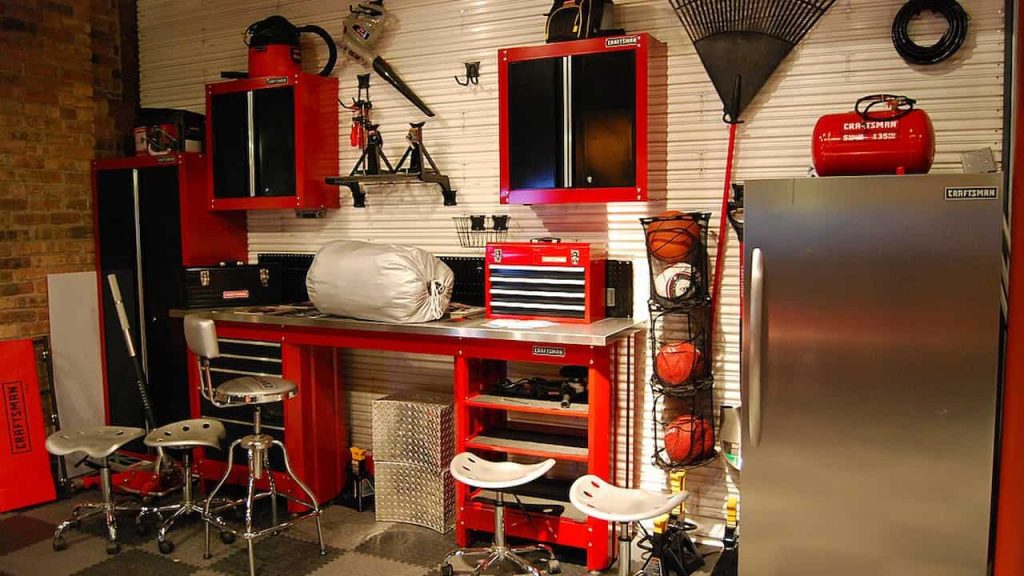
A garage can often become a catch-all for items that we don’t have room for in our house or that we simply don’t want to deal with at the moment. But not all items are suitable for garage storage. Certain items can be damaged by the fluctuating temperatures and humidity typically found in garages, while others can pose a safety risk.
As a seasoned homeowner and self-proclaimed organizational guru, I’ve learned the hard way about what should – and should not – be stored in the garage. Here are 12 things I never store in my garage anymore.
1. Paint


Storing paint in the garage seems like a no-brainer. After all, it’s often where we do our painting projects. However, paint can be significantly affected by the temperature fluctuations in a garage. Excessive heat can ruin paint, while freezing temperatures can cause it to separate and become unusable.
For example, I once stored a couple of cans of expensive, high-quality paint for a future project in my garage. Come winter, I found the paint had separated and was completely ruined – a costly mistake. Now, I store all my paint indoors, in a cool, dry place like a basement or under a sink. This has helped me save money and avoid the frustration of ruined paint.
2. Propane Tanks

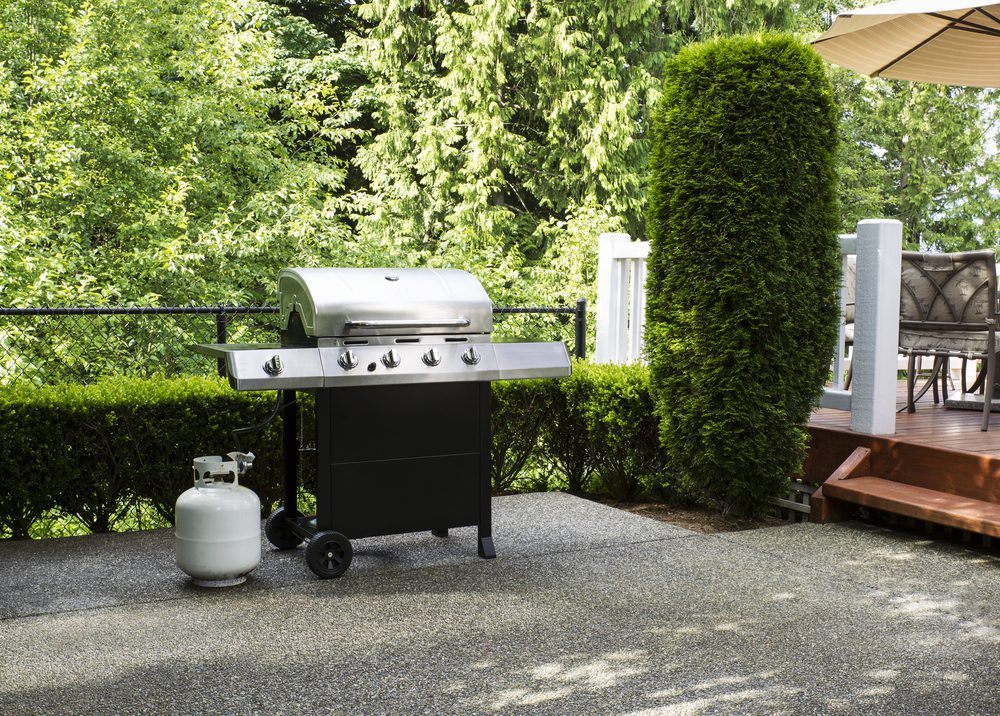
Propane tanks are a staple for any backyard grilling enthusiast. But storing them in your garage can be a significant safety hazard. A small leak can lead to a dangerous buildup of gas and potentially cause a fire or explosion.
I learned this the hard way when a neighbor’s garage caught fire due to a leaking propane tank. Now, I always store my propane tanks outdoors, in a well-ventilated area, away from any sources of ignition. This way, if there is a leak, the gas can disperse harmlessly into the air, preventing any potential disasters.
3. Wine


As a wine enthusiast, I used to store my wine in the garage. However, wine is sensitive to temperature and humidity changes. Too much heat can cause the wine to age faster, while too much cold can freeze and spoil the wine.
After a particularly hot summer, I found that some of my best bottles had turned vinegary. I now store my wine in a wine fridge, where the temperature and humidity can be controlled. This has helped me preserve the quality of my wine and enjoy it at its best.
4. Canned Food


Storing canned food in the garage might seem like a good idea because it’s out of the way and doesn’t take up pantry space. But the temperature fluctuations in a garage can cause the food inside the cans to spoil quicker.
I once had to throw away several cans of food stored in my garage because they had spoiled. Now, I only store canned food in my pantry or kitchen cupboards, where the temperature is more consistent. This helps me avoid food waste and ensures the food is safe to eat.
5. Wooden Furniture


Wooden furniture can be damaged by the humidity and fluctuating temperatures in a garage. The wood can warp, crack, or rot, and any metal parts can rust.
I once stored a beautiful wooden table in my garage over the winter, and come spring, I was devastated to find it warped beyond repair. Now, I always store my wooden furniture indoors where it’s safe from the elements.
6. Electronics


Electronics, like televisions, computers, and stereos, are sensitive to temperature fluctuations and humidity. These conditions can damage the delicate internal components and ruin your electronics.
I learned this the hard way when I stored an old computer in my garage and later found it wouldn’t turn on. Now, I always store my electronics indoors in a dry, temperature-controlled environment.
7. Photographs

Photographs can be significantly damaged by heat, cold, and humidity. These conditions can cause photos to stick together, fade, or become discolored.
I once stored a box of precious family photos in my garage and was heartbroken when I found they had become damaged. Now, I always store my photos indoors, in a cool, dry place.
8. Pet Food


Pet food can attract pests like rodents and insects when stored in a garage. It can also spoil in the heat or become damp in the humidity.
I once found a family of mice living in a bag of dog food I had stored in my garage. Now, I always store pet food indoors in a sealed container.
9. Firewood

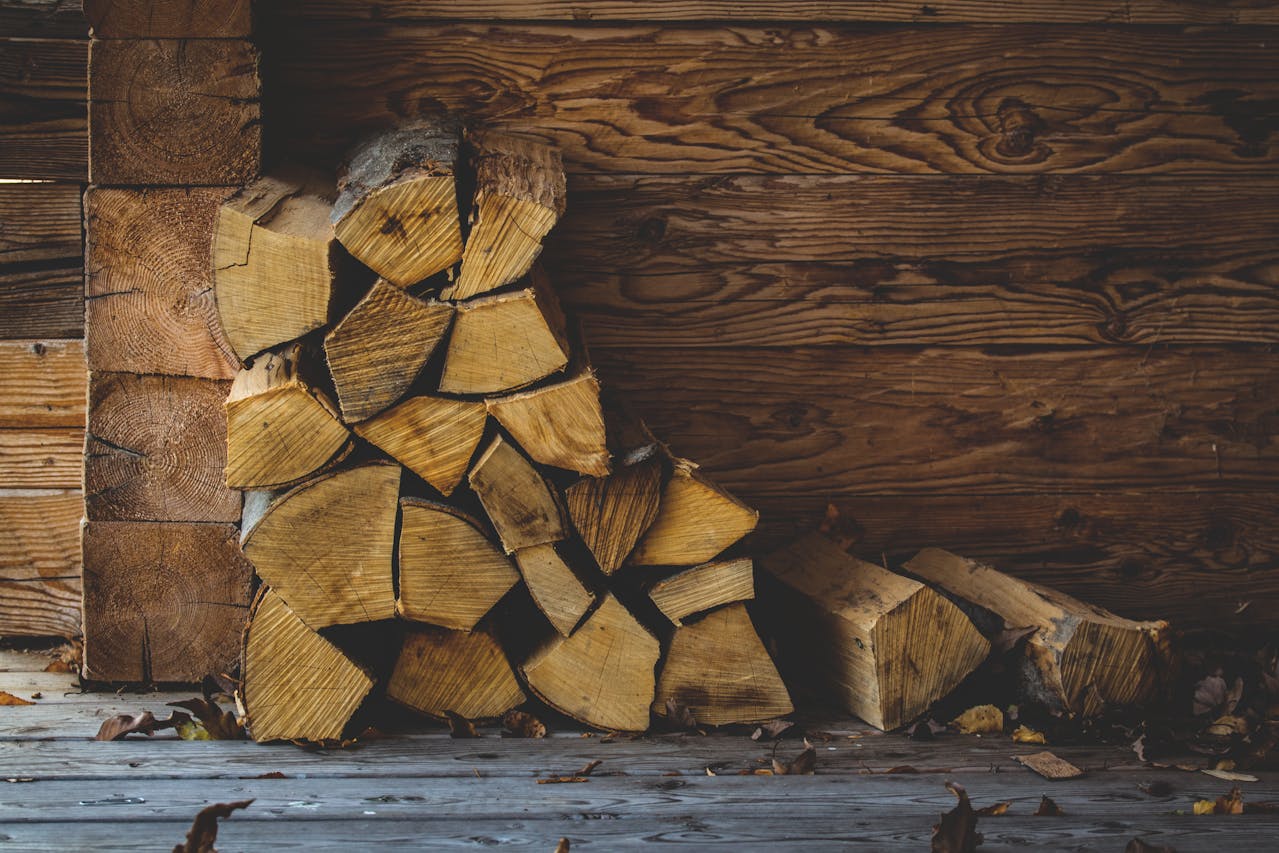
Firewood can attract pests like termites, spiders, and ants when stored in a garage. It can also bring in moisture, which can damage other items in your garage.
I once had a termite infestation in my garage because of firewood I had stored there. Now, I store my firewood outdoors, at least 20 feet from my house.
10. Flammable Materials


Flammable materials, like gasoline, oil, and cleaning supplies, can pose a significant fire risk when stored in a garage. A small spark from a tool or appliance can ignite these materials.
I once had a small fire in my garage because of some oil-soaked rags I had stored there. Now, I make sure to properly dispose of flammable materials and never store them in my garage.
11. Cardboard Boxes


Cardboard boxes can attract pests and absorb moisture when stored in a garage. This can damage the items inside the boxes and even lead to mold growth.
I once found mold growing on some books I had stored in cardboard boxes in my garage. Now, I always store items in plastic bins with tight-fitting lids.
12. Clothes and Bedding

Clothes and bedding can absorb moisture, attract pests, and become damaged by temperature fluctuations when stored in a garage.
I once stored some winter coats in my garage, and when I went to use them the next winter, I found they had mildew and a musty smell. Now, I always store clothes and bedding indoors, in a dry, temperature-controlled environment.