


In our consumer-driven society, it’s easy to get sucked into the convenience of big box stores. They offer a wide range of products under one roof, usually at affordable prices. However, as I’ve become more conscious about my spending, I realized that there are several items I no longer need to buy from these mega retailers. Here’s my list of the 12 things I stopped buying from big box stores, and why you may want to consider doing the same.
1. Cleaning Supplies

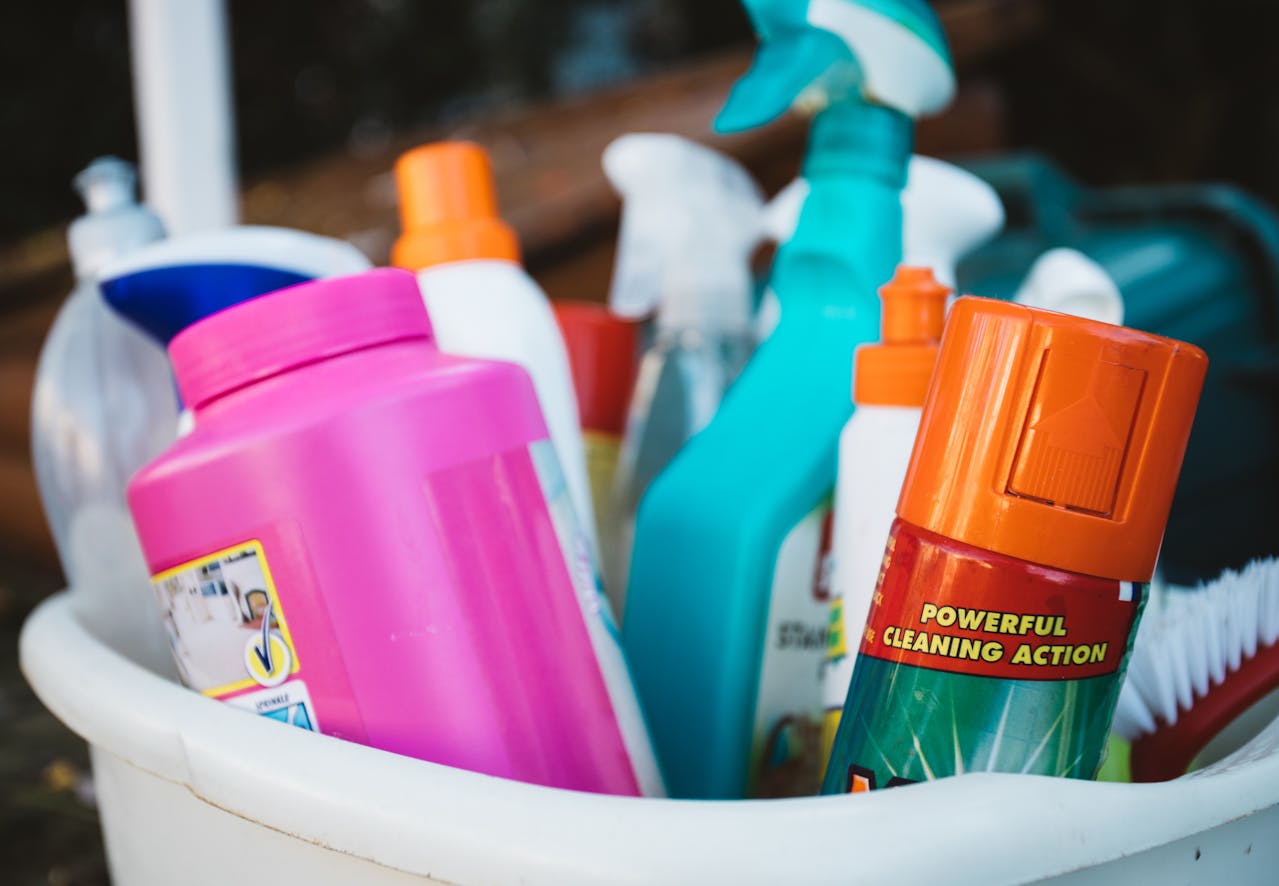
One of the things I’ve stopped buying from big box stores are cleaning supplies. Buying in bulk might seem like a good deal, but often I’d end up with more product than I needed. Instead, I’ve started making my own cleaning supplies using simple ingredients like vinegar, baking soda, and essential oils. Not only has it saved me money, but it’s also a more eco-friendly option that reduces plastic waste.
Plus, DIY cleaning supplies give me the freedom to customize the scent and strength of my cleaning solutions. For instance, I can add a few drops of lemon essential oil for a fresh, clean scent, or tea tree oil for its antibacterial properties. It’s a fun and satisfying process that’s good for my wallet and the environment.
2. Books


As an avid reader, it’s tempting to buy brand new books from big box stores. But, I’ve found that purchasing second-hand books or borrowing from the library is a more sustainable and cost-effective approach.
Used bookstores often have a unique selection and offer great deals. I love the thrill of hunting for a good read and the satisfaction of giving a pre-loved book a new home. Libraries, on the other hand, provide free access to a wide range of books and other resources. Many even offer digital borrowing services, so I can read e-books or listen to audiobooks without leaving home.
3. Over-the-Counter Medication
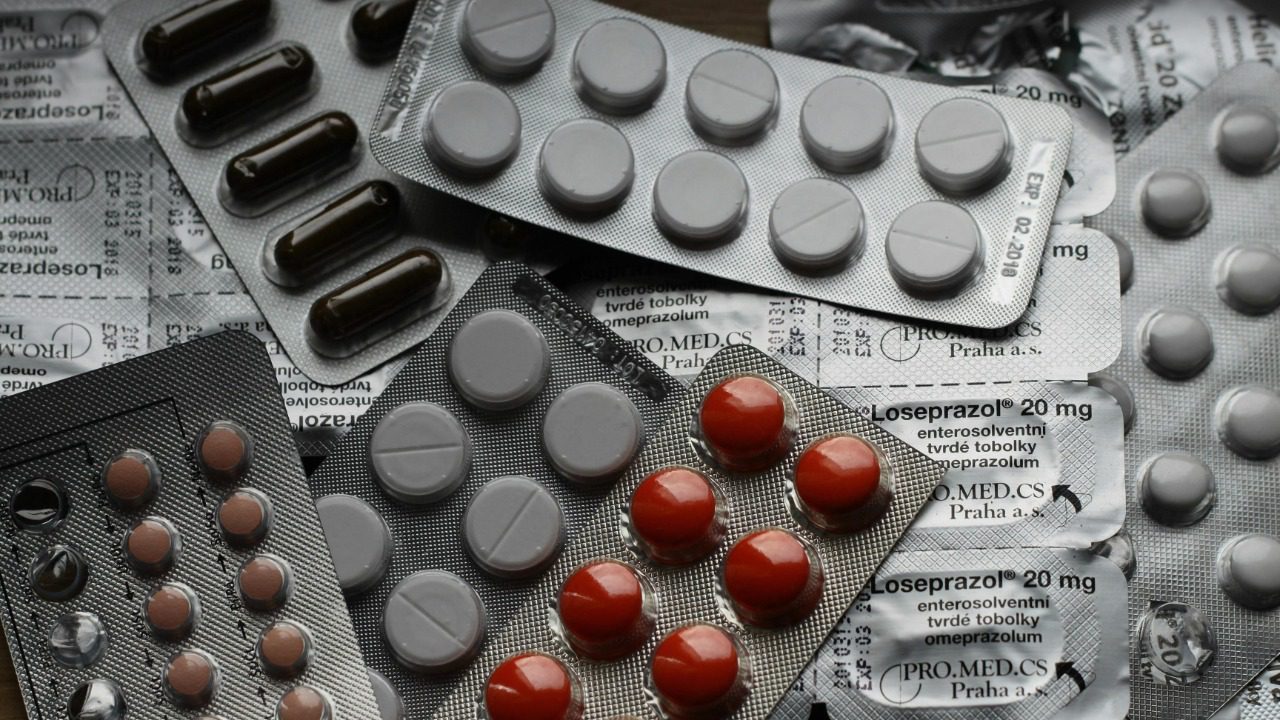
Big box stores often sell over-the-counter medication in large quantities, which is not always necessary. These medications have expiry dates and buying in bulk can lead to wastage.
Instead, I opt for smaller packs from my local pharmacy, where I can also seek advice from pharmacists if needed. Buying just what I need reduces waste and ensures that the medication I have on hand is always fresh and effective. Plus, supporting local pharmacies helps small businesses thrive.
4. Gift Wrapping Supplies
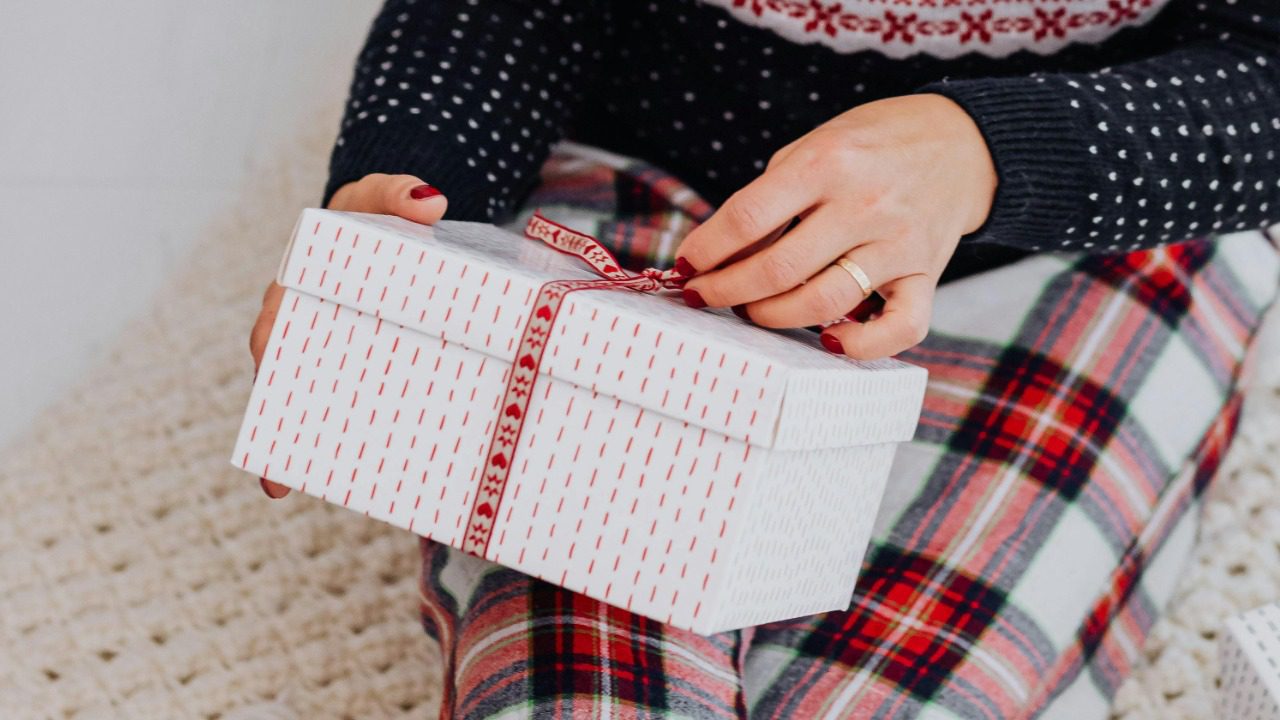
Gift wrapping supplies from big box stores often end up being a one-time use item. Not only is this wasteful, but the cost of buying new wrapping paper, ribbons, and bows can add up fast.
Instead, I’ve started using reusable gift bags or fabric wraps. I also save and reuse gift bags and bows that I receive. Old maps, newspapers, and children’s artwork make unique and eco-friendly gift wrap. It’s a small change that saves money and reduces waste.
5. Plastic Water Bottles
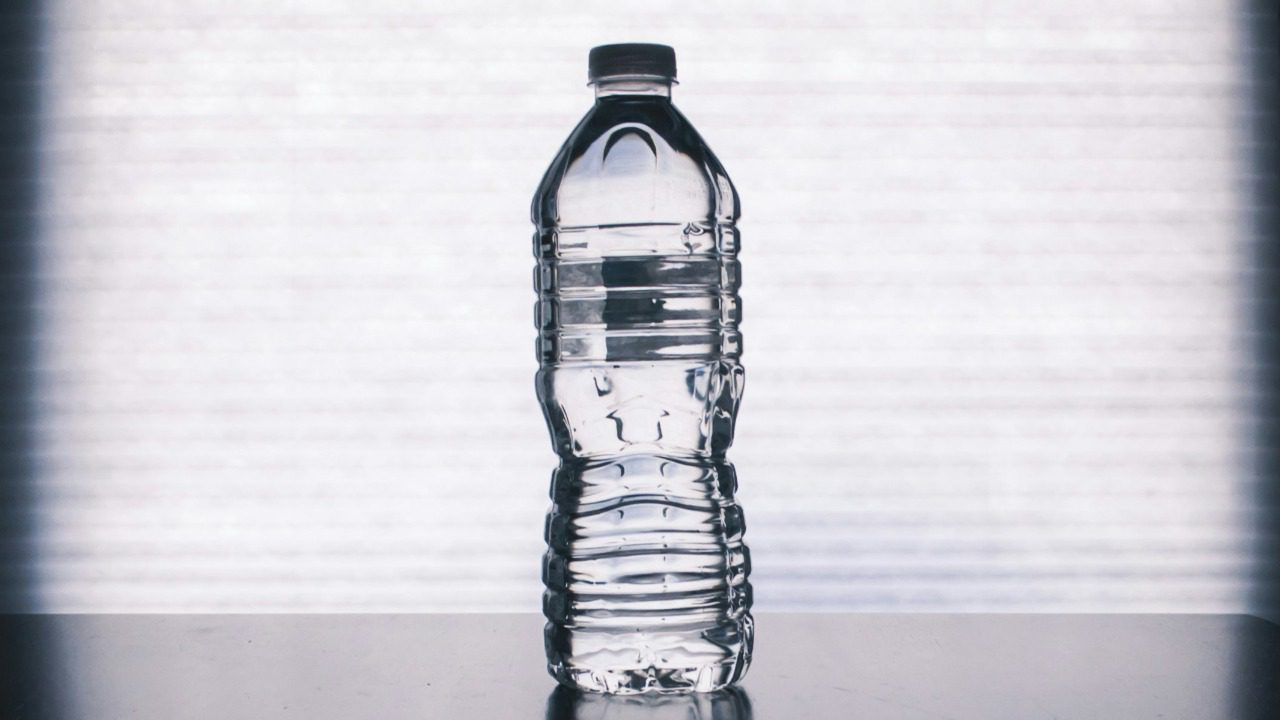
Buying plastic water bottles from big box stores might seem convenient, but it’s harmful to the environment. Millions of these bottles end up in landfills each year, contributing to pollution.
Instead, I’ve invested in a good quality reusable water bottle that I fill up at home. Not only is it better for the environment, but it also saves me a significant amount of money in the long run. Plus, I’m not contributing to the demand for single-use plastic, which is a win-win situation.
6. Disposable Plates and Cutlery


Big box stores sell disposable plates and cutlery in bulk. Although they might seem convenient for parties or camping trips, they generate a lot of unnecessary waste.
Instead, I opt for reusable options. For parties, I use my regular dishes and cutlery. For camping trips, I have a set of lightweight, durable camping dishes and utensils. It might require a bit more effort to clean up, but it’s a small price to pay for reducing waste and protecting the environment.
7. Fast Fashion
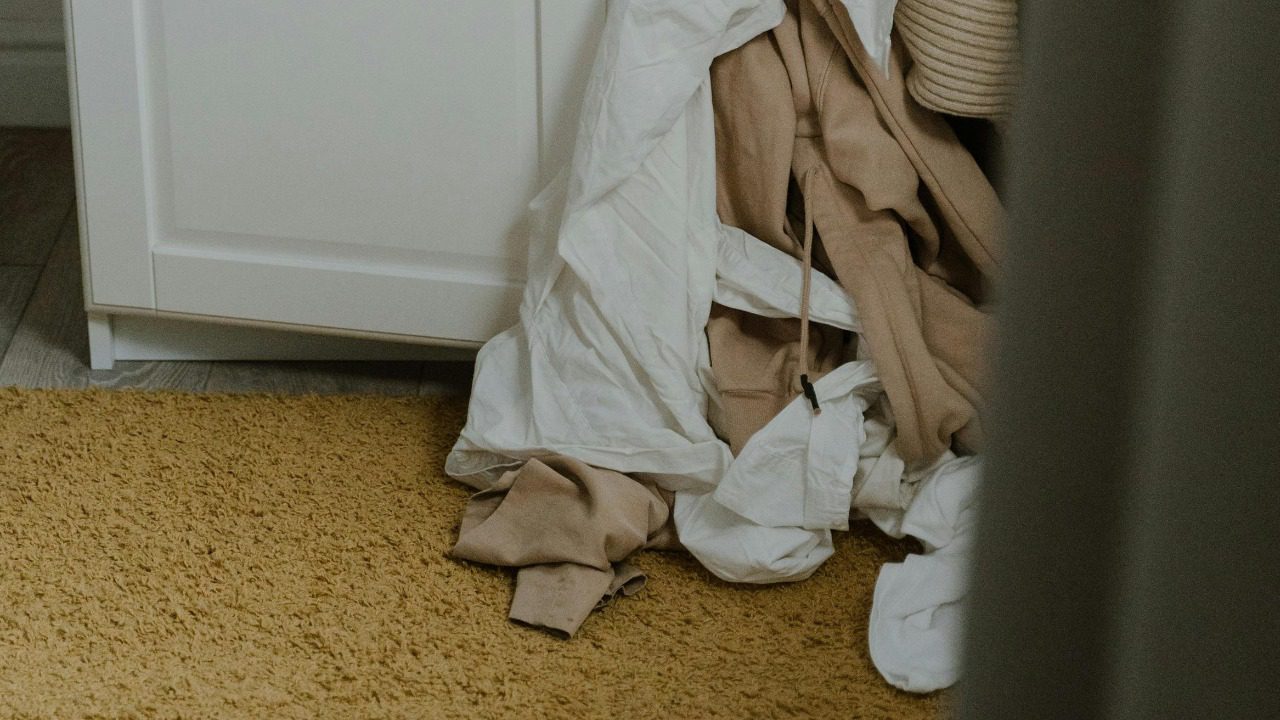
Big box stores often sell fast fashion items that are cheaply made and not designed to last. This contributes to the cycle of overconsumption and waste.
Instead, I’ve started shopping at thrift stores and consignment shops. Not only can I find unique, high-quality pieces at a fraction of the price, but I’m also supporting a more sustainable fashion industry. Plus, the money I save can be put towards investing in a few well-made, ethically produced items that will last for years.
8. Prepackaged Meals


Prepackaged meals from big box stores might save time, but they’re often packed with preservatives and unhealthy additives. Plus, all that packaging contributes to waste.
Instead, I’ve started meal prepping at home. I can control the ingredients and portion sizes, and it’s a great way to save money. Plus, I can use reusable containers, which reduces waste.
9. Disposable Cleaning Products
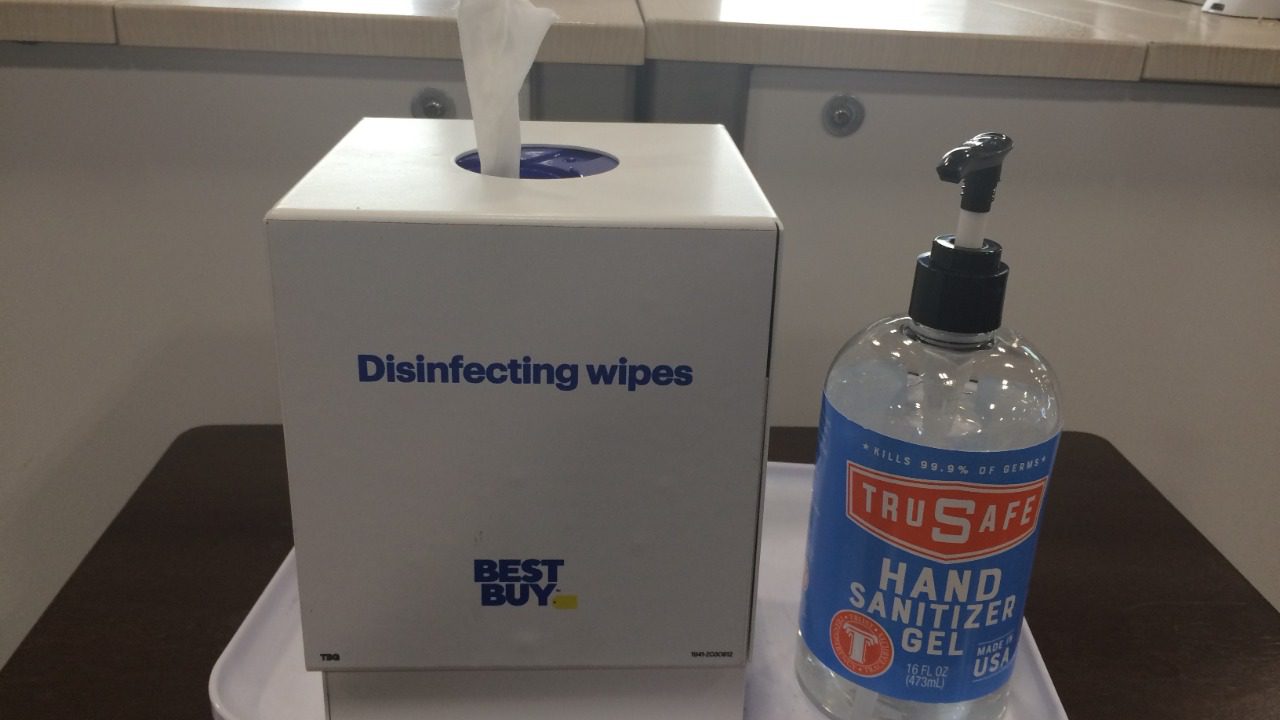
Disposable cleaning products like wipes and mop pads are convenient, but they generate a lot of waste and can be expensive in the long run.
Instead, I’ve switched to reusable cleaning cloths and mop pads. They work just as well, if not better, and I can simply wash and reuse them. It’s a small change that saves money and reduces waste.
10. Single-Use Batteries

Single-use batteries from big box stores are not the most economical or eco-friendly choice. They generate a lot of waste and can be expensive in the long run.
Instead, I’ve invested in rechargeable batteries and a charger. They cost more upfront, but they last much longer and can be recharged hundreds of times, saving money and reducing waste.
11. Canned Beans


Canned beans from big box stores might be convenient, but they’re often more expensive and less flavorful than cooking dry beans at home.
I’ve started buying dry beans in bulk and cooking them myself. It takes a bit more time, but the taste and texture are much better. Plus, I can control the amount of salt and other additives. It’s a small change that saves money and enhances my cooking.
12. Name-Brand Cereal


Name-brand cereal from big box stores can be expensive. Plus, the boxes take up a lot of space and generate waste.
Instead, I’ve started buying generic cereal or bulk cereal from my local grocery store. It tastes just as good, if not better, and it’s usually cheaper. Plus, buying in bulk reduces packaging waste. It’s a simple change that saves money and reduces waste.