

We’ve all been there. You’re moving, or decluttering, or just trying to make your living space a bit more bearable, and you turn to your trusty storage bins. These miraculous containers promise to neatly hide away your excess stuff, providing you with a clutter-free oasis. But alas, not everything belongs in those boxes. After years of storing, moving, and re-storing, I’ve learned some items are better off elsewhere. Here are 12 things I wish I’d never put in my storage bins.
1. Important Documents


Storing important documents in bins might seem like a good idea initially – it keeps them out of the way, yet accessible. However, in a bin, these documents are prone to damage, and should you ever need them, they can be hard to find.
Consider keeping these documents in a fireproof safe or a secure filing cabinet instead. Also, consider going digital where possible – scan your documents and store them online. This not only saves physical space but also ensures they’re safe from physical damage.
2. Photos
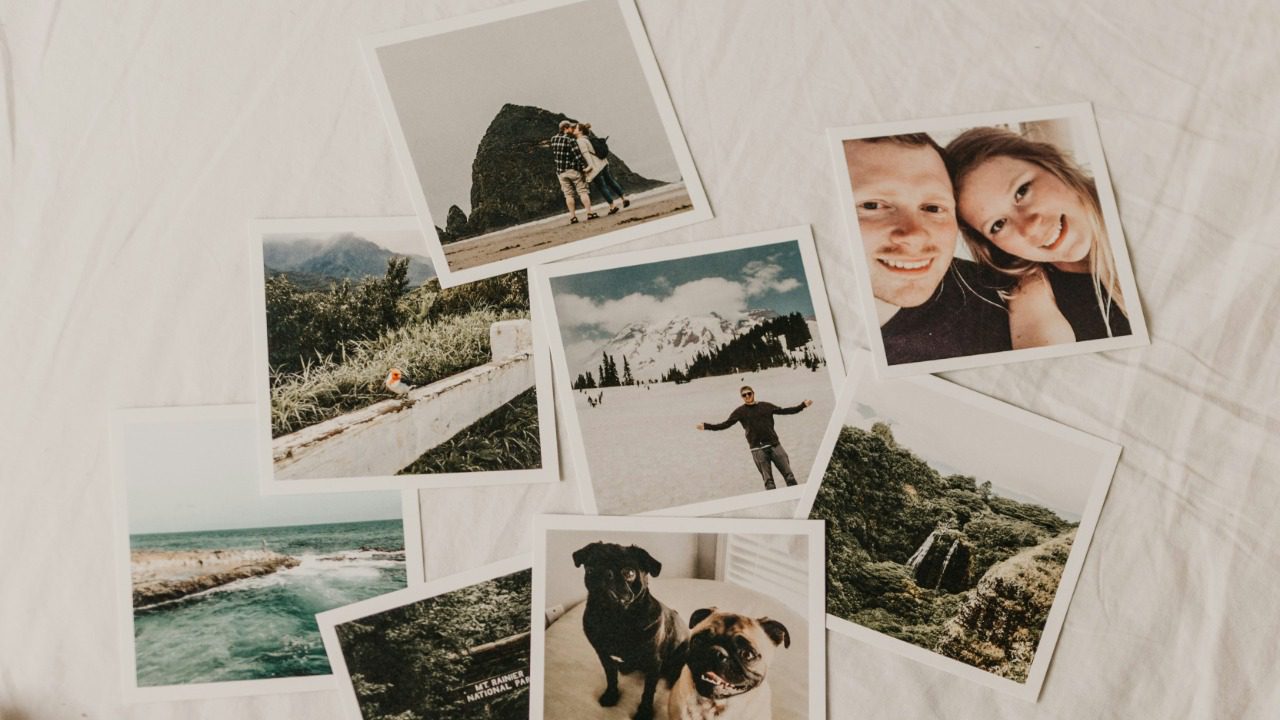
Photos are delicate and susceptible to damage from various elements, including moisture and heat. Storing them in bins, especially in attics or basements, can lead to degradation over time.
Instead, keep your photos in acid-free photo albums or frames. This will not only preserve them better but also allow you to enjoy them regularly. If you have a lot of photos, consider digitizing them to save space and keep them safe indefinitely.
3. Electronics
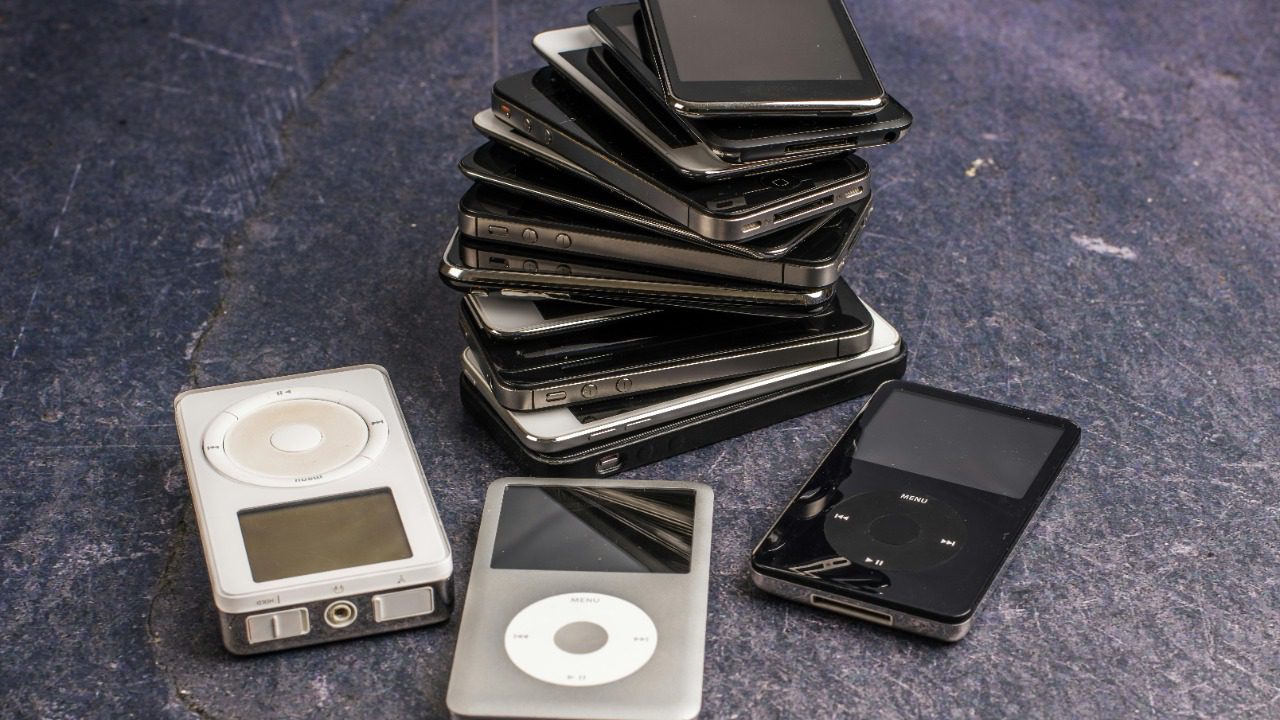
Electronics don’t do well in storage bins for several reasons. Temperature fluctuations can damage components, and prolonged storage can drain batteries, leading to leakage and corrosion.
A better option is to sell or recycle electronics that you don’t need anymore. If you must store them, do so in a temperature-controlled environment, and make sure to remove any batteries.
4. Food
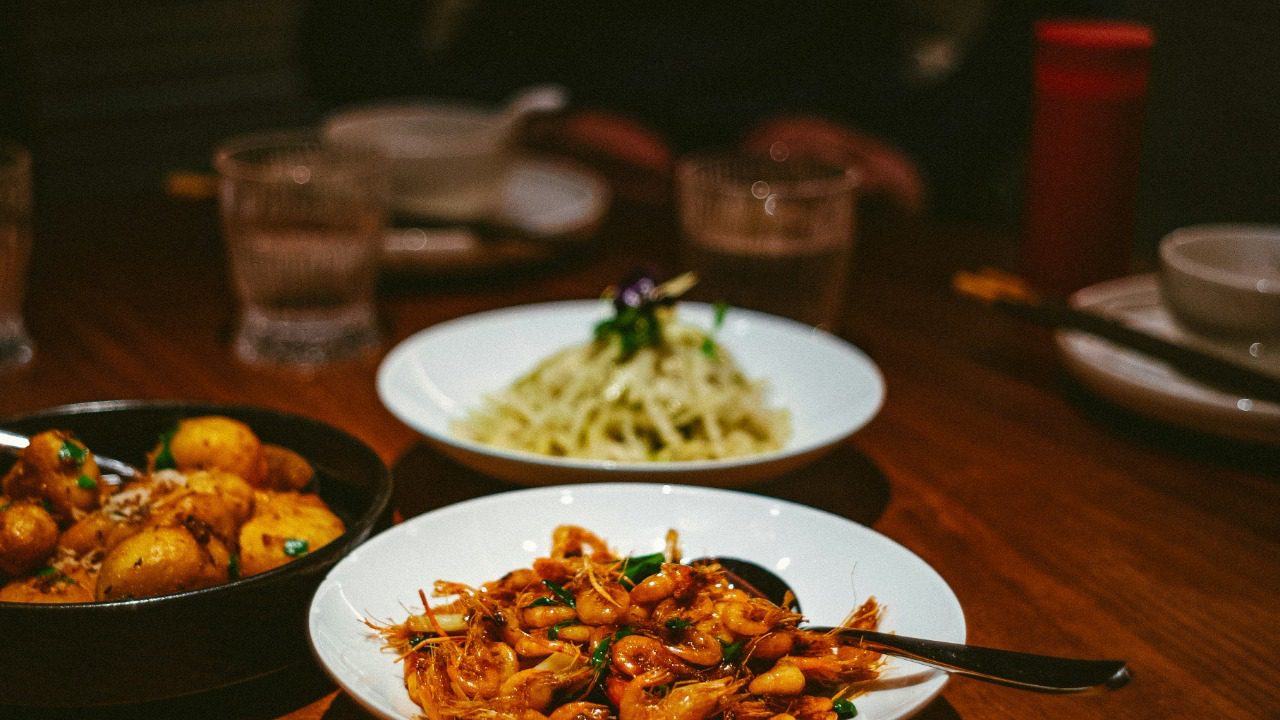
Unless it’s specifically designed for long-term storage (like canned goods), food shouldn’t go in your storage bins. It can attract pests and lead to unpleasant smells.
Instead, donate excess non-perishable food to a local food bank. For perishable items, consider canning or freezing them for future use.
5. Hazardous Materials

Hazardous materials, including chemicals, paint, and certain cleaning supplies, can leak, corrode, or even explode under certain conditions.
Instead of storing these in bins, consider disposing of them properly. Your local waste facility will likely have specific guidelines for these materials.
6. Fragile Items

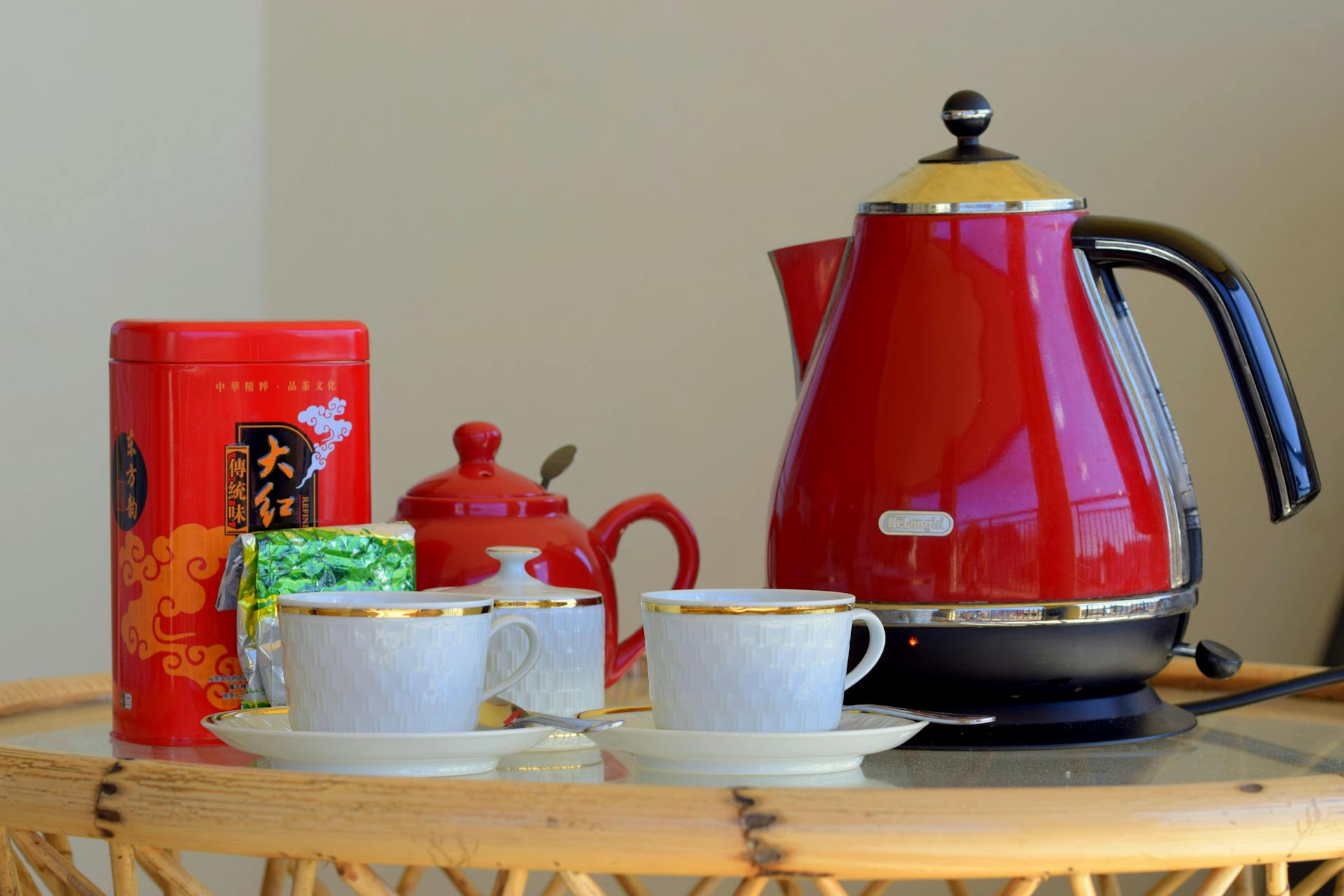
Without proper packing materials, fragile items can easily get damaged in storage bins.
Consider investing in bubble wrap or other protective materials, or better yet, display these items in your home where they can be enjoyed.
7. Clothing
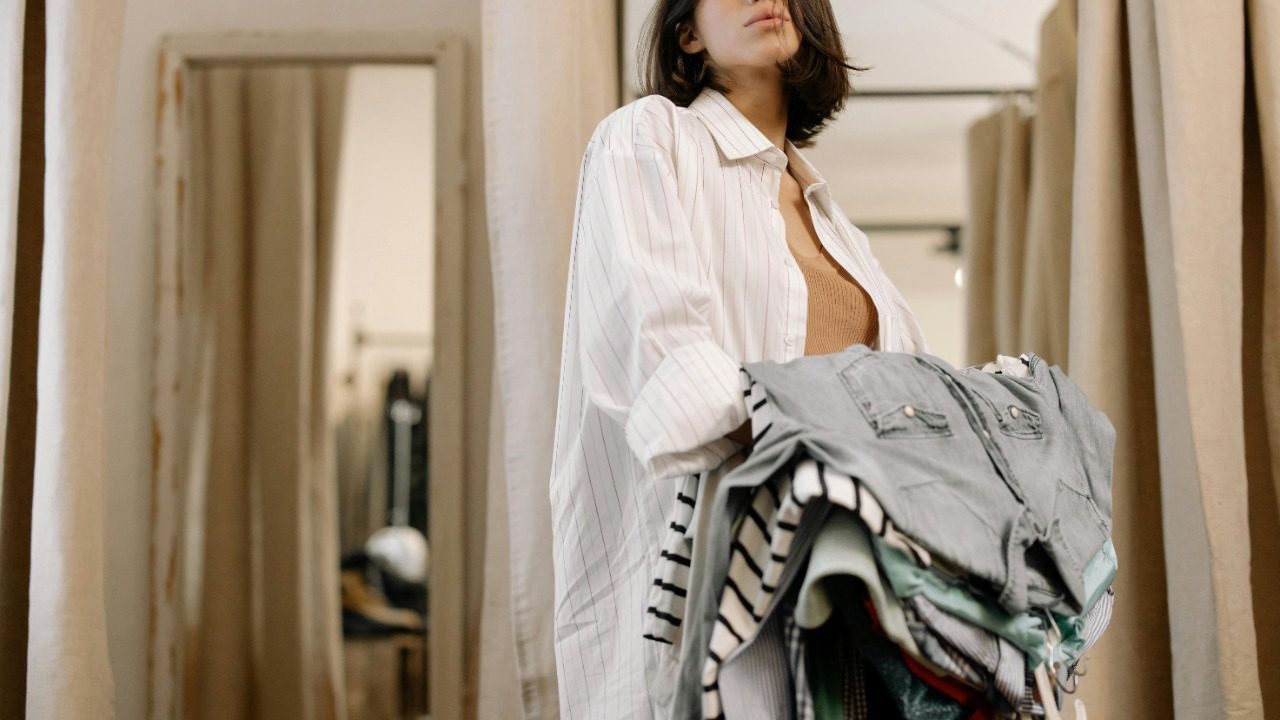
Clothing can get wrinkled or damaged in storage bins, especially if they’re overstuffed.
Instead, donate clothes you no longer wear. For the ones you want to keep, consider vacuum-sealed bags, which can save space and protect your clothing.
8. Leather Goods

Leather needs to breathe, and storing it in a plastic bin can lead to mold and mildew.
Instead, store leather goods in a cool, dry place, and consider using a leather conditioner to keep them in good shape.
9. Vinyl Records

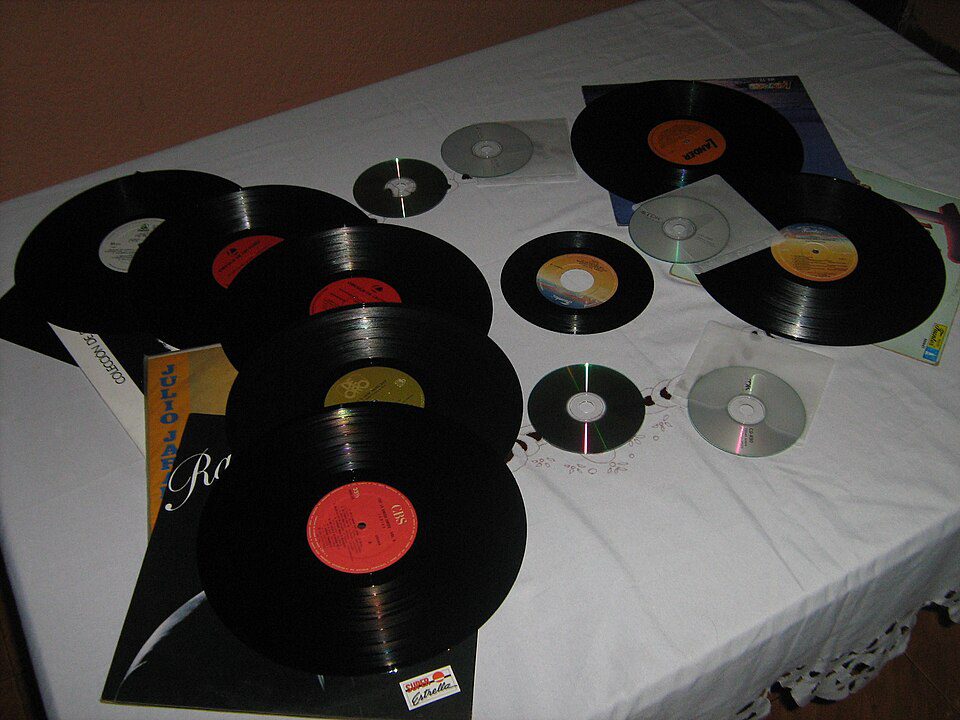
Vinyl records need to be stored vertically to prevent warping.
Consider investing in proper record storage shelves, and remember to keep them out of heat and direct sunlight.
10. Medications

Medications need to be stored in a cool, dry place. Storing them in bins can lead to degradation, reducing their effectiveness.
Instead, keep your medications in a medicine cabinet, and remember to properly dispose of any expired medications.
11. Items with Sentimental Value


Items with sentimental value are often irreplaceable. Storing them in bins can lead to damage or loss.
Instead, display these items in your home, or store them in a safe place where they can be easily accessed and enjoyed.
12. Anything You Haven’t Used in a Year

If you haven’t used an item in a year, you probably don’t need it.
Instead of storing these items, consider donating them. Not only will this free up storage space, but it can also help someone in need.