


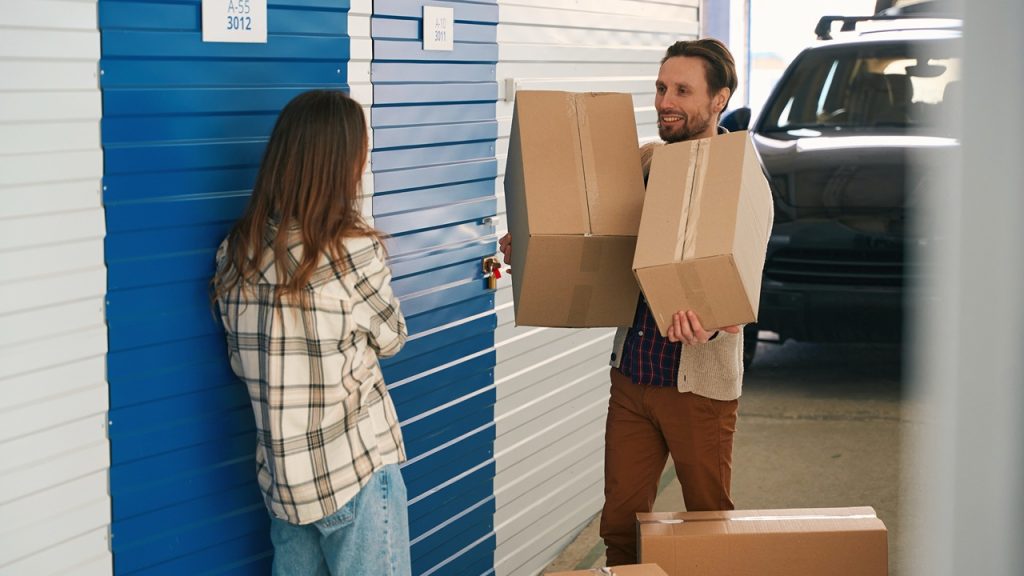
Storage units can be a godsend when it comes to freeing up space in our homes or offices, and they’re particularly useful when we’re transitioning between places. However, not everything is suitable for storage unit stowaway. Some items can cause damage to your belongings, the storage facility, or even pose serious health hazards. If you’re planning to rent a storage unit, it’s crucial to know what should and shouldn’t be stored. Here’s a list of 12 things I wish I’d never put in my storage unit for you to learn from my mistakes.
1. Perishable Food


Storing perishable food in your storage unit is an open invitation to pests. Even canned food can eventually spoil and create a health hazard. A better alternative would be to donate unused food to a local food bank or shelter.
Remember, a storage unit is not a pantry. The absence of proper refrigeration and temperature control can lead to food spoilage, attracting vermin and pests. Not to mention the foul smell that can seep into your other stored items. Stick to storing non-perishable items only.
2. Plants

While it might seem like a good idea to store plants in your storage unit, especially during a move, it’s an absolute no-no. Most plants need sunlight to survive and a storage unit doesn’t provide it.
Moreover, the lack of proper ventilation can lead to the growth of mold which can spread to your other items. If you need to store plants, consider leaving them with a friend or family member who can take care of them.
3. Hazardous Materials

Hazardous materials like gasoline, propane tanks, paint, chemicals, cleaners, and asbestos should never be stored in a storage unit. They can cause a fire, explosion, or health hazards if they leak or spill.
It’s not just about the risk to your belongings; it’s also about the safety of the facility and the people who work there. If you possess such items, it’s better to dispose of them properly or store them in a designated place that’s equipped to handle such materials.
4. Firearms and Ammunition

Storing firearms and ammunition in a storage unit can lead to serious safety and legal issues. Many storage facilities have strict rules against storing weapons of any kind.
If you need to store firearms, consider a dedicated gun safe at home or another secure location. Ammunition, in particular, can be hazardous in a storage unit due to the risk of explosion in certain conditions. Always keep safety and legality at the forefront when considering where to store these items.
5. Scented Items

You might think it’s a good idea to store scented items like candles, soaps, or perfumes to keep your storage unit smelling fresh. However, these items can attract pests and may also affect the smell of other items in the unit.
Moreover, temperature fluctuations in the unit can cause candles to melt, creating a mess and potentially damaging other items. As for perfumes, the fluctuating temperatures can alter their chemical compositions, changing their fragrances or even making them harmful to use.
6. Valuables


While many storage units offer high-security measures, it’s still not a good idea to store valuable items like expensive jewelry, important documents, or priceless family heirlooms. These are better stored in a safe deposit box or a home safe.
Even with insurance, some things are irreplaceable. The risk of theft, damage, or loss just isn’t worth it. Always keep your most valuable and sentimental items in a secure, accessible place.
7. Wet Items


Storing wet items is a recipe for mold and mildew. Even if an item is just damp, it can cause problems. Always make sure items are completely dry before putting them in storage.
This is particularly important for items like appliances, clothing, and furniture. Any residual moisture can lead to a damp, musty smell that permeates your storage unit and can be difficult to eliminate.
8. Pets


It should go without saying, but never store living beings in a storage unit. Not only is it cruel and potentially deadly, but it’s also illegal in many places.
If you need a temporary home for your pet, explore options like pet sitters, boarding facilities, or trusted friends and family members. A storage unit is no place for a pet.
9. Heirloom Furniture

While a storage unit might seem like a good place to store heirloom or antique furniture, the lack of climate control can be damaging. Changes in temperature and humidity can cause wood to warp, crack, or rot.
If you must store valuable furniture pieces, consider a climate-controlled storage unit and be sure to properly wrap and protect each item to prevent damage.
10. Musical Instruments

Musical instruments, particularly those made of wood, are highly sensitive to changes in temperature and humidity. They can crack, warp, or become otherwise damaged in a standard storage unit.
Again, if you need to store musical instruments, a climate-controlled unit is essential. Be sure each instrument is properly cased and protected before storing.
11. Electronics

Electronics like televisions, computers, and gaming systems can be damaged by the temperature fluctuations in a standard storage unit. Moisture can build up, causing rust, mold, and other forms of damage.
If you need to store electronics, consider a climate-controlled unit. Additionally, be sure each item is properly packed and protected to prevent dust build-up and static electricity.
12. Wine

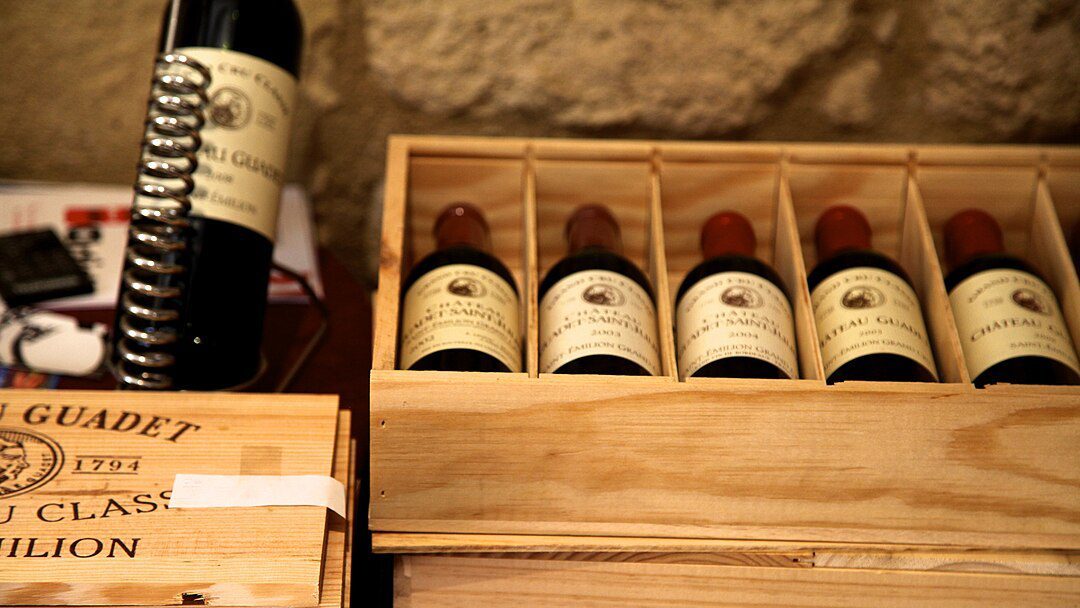
While it may be tempting to use your storage unit as a makeshift wine cellar, it’s not a good idea. Wine needs to be stored at the right temperature and humidity, and a storage unit just can’t provide that.
Instead, consider investing in a wine refrigerator or professional wine storage. These options can protect your investment and ensure your wine ages properly.