


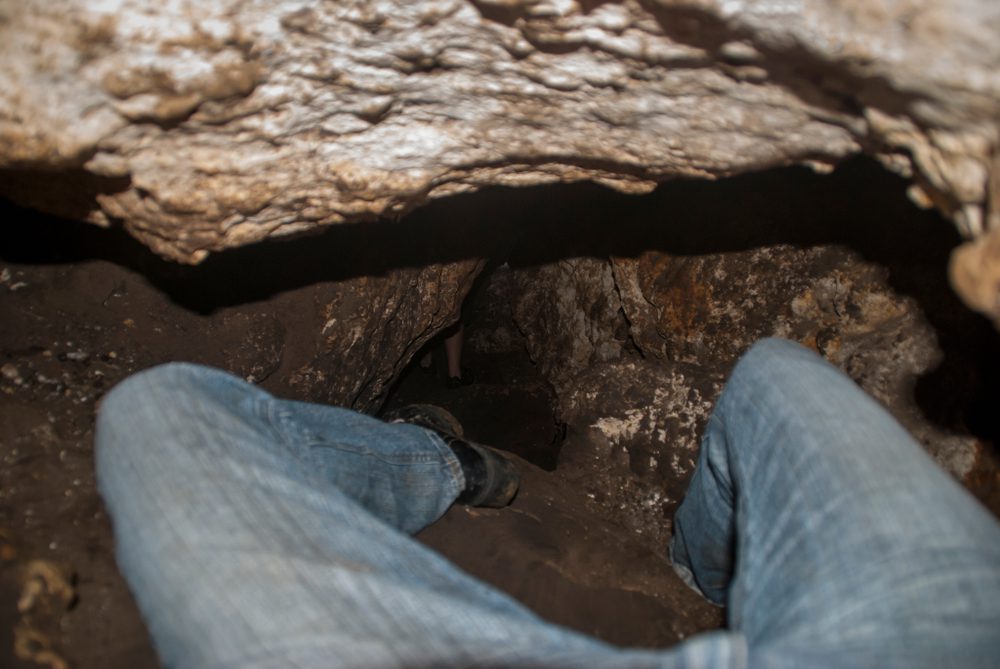
We’ve all been there, looking around our home, trying to figure out where to put all the stuff that we accumulate. The crawl space often becomes an enticing option, a hidden nook where we can store things out of sight and out of mind.
But not everything is suited for that kind of storage. Over time, I’ve learned this lesson the hard way. So, I’ve put together a list of 12 things that I wish I’d never stored in my crawl space.
1. Photographs and Important Documents


Storing photographs and important documents in the crawl space seemed like a good idea at the time. After all, it was a space that was rarely disturbed. However, I didn’t account for the varying temperatures and humidity levels.
Crawl spaces can become humid in the summer and freezing in the winter which can cause photos to stick together and documents to deteriorate. Additionally, if your crawl space isn’t fully sealed, pests like mice or insects can also damage these items. For photographs and important documents, it’s better to store them in a dry, climate-controlled area.
2. Electronics

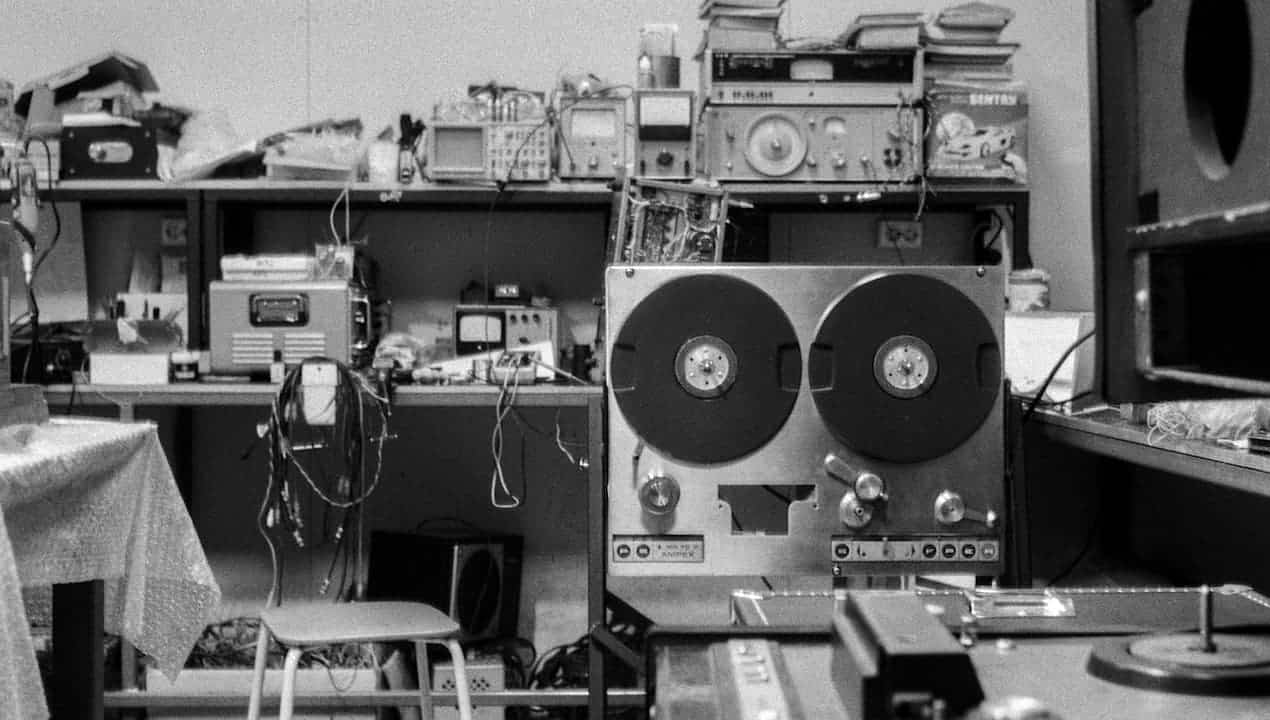
Just like photographs and documents, electronics can also suffer in the crawl space. Storing old phones, laptops, or gaming consoles in the crawl space might seem like a good way to free up space. However, the changing temperatures can damage the internal components.
Humidity can cause corrosion of the metal parts and cold temperatures can cause internal components to contract and then expand when it warms up, damaging the device. Instead, consider selling, recycling, or donating old electronics.
3. Food


Storing food in the crawl space is a definite no-no. I learnt this the hard way when I stored a bag of rice in there and had a rodent infestation. Even canned goods can suffer in the crawl space due to fluctuating temperatures. Extreme temperatures can cause canned food to spoil, and any kind of food is an invitation for pests. A better solution is to store food in a pantry or kitchen cupboard, where temperature and humidity are more controlled.
4. Cosmetics

It’s tempting to use the crawl space as a makeshift beauty warehouse, especially for those bulk buys. However, cosmetics and skincare products do not fare well in the varying conditions of a crawl space.
The heat can cause products to separate and change consistency, while the cold can cause them to harden or crack. Keep these items in a cool, dry place, away from direct sunlight.
5. Wooden Furniture

While it might seem like a good idea to store wooden furniture in the crawl space, I can attest that it’s not. The fluctuating humidity levels can cause the wood to warp and crack over time. Additionally, wooden furniture stored in a crawl space is susceptible to infestation from wood-boring insects. If you have to store furniture, consider a climate-controlled storage unit instead.
6. Wine


Contrary to popular belief, the crawl space is not a good place for a makeshift wine cellar. Wine needs to be stored at a constant, cool temperature, which most crawl spaces are not. Fluctuations in temperature can cause the wine to expand and contract, leading to leakage or spoilage. Consider investing in a wine cooler or store your wine in a basement that maintains a consistent temperature.
7. Musical Instruments

I once stored an old guitar in the crawl space, only to retrieve it later and find the wood warped and the strings rusty. Musical instruments are delicate and can get damaged in the extreme temperatures and humidity of the crawl space. Brass instruments can tarnish and woodwind instruments can crack or warp. It’s best to store these items in a temperature-controlled environment.
8. Paint


Storing paint in the crawl space seemed like a good idea until I discovered that extreme temperatures can ruin it. The cold can cause the paint to separate and the heat can make it thick and unusable. Store paint in a cool, dry place and make sure the lid is sealed tight to prevent it from drying out.
9. Firearms

If you own firearms, the crawl space is not the best place to store them. The humidity can cause rusting and the temperature fluctuations can affect the gunpowder in the ammunition. Always store firearms in a secure, climate-controlled area and be sure to follow all local laws and regulations regarding firearm storage.
10. Clothing and Bedding
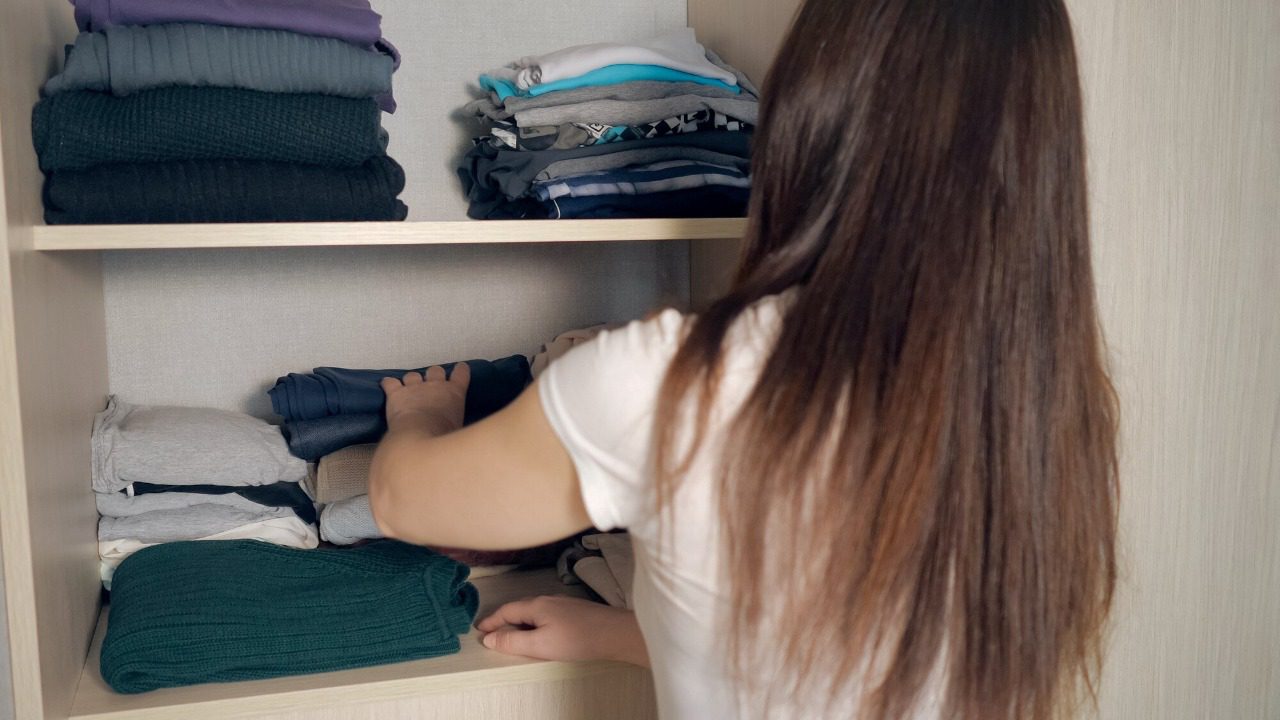
Storing off-season clothing and bedding in the crawl space seemed like a smart way to manage storage. However, the humidity can cause mold and mildew to develop, damaging the fabric and making it smell musty. Store clothing and bedding in a dry, cool place, preferably in vacuum-sealed bags to save space and protect them from pests.
11. Artwork

Artwork is another item that doesn’t do well in the crawl space. The varying temperatures and humidity can cause the artwork to warp or the colors to fade. When storing artwork, always choose a climate-controlled environment, and consider using a storage unit if you don’t have enough space at home.
12. Plants
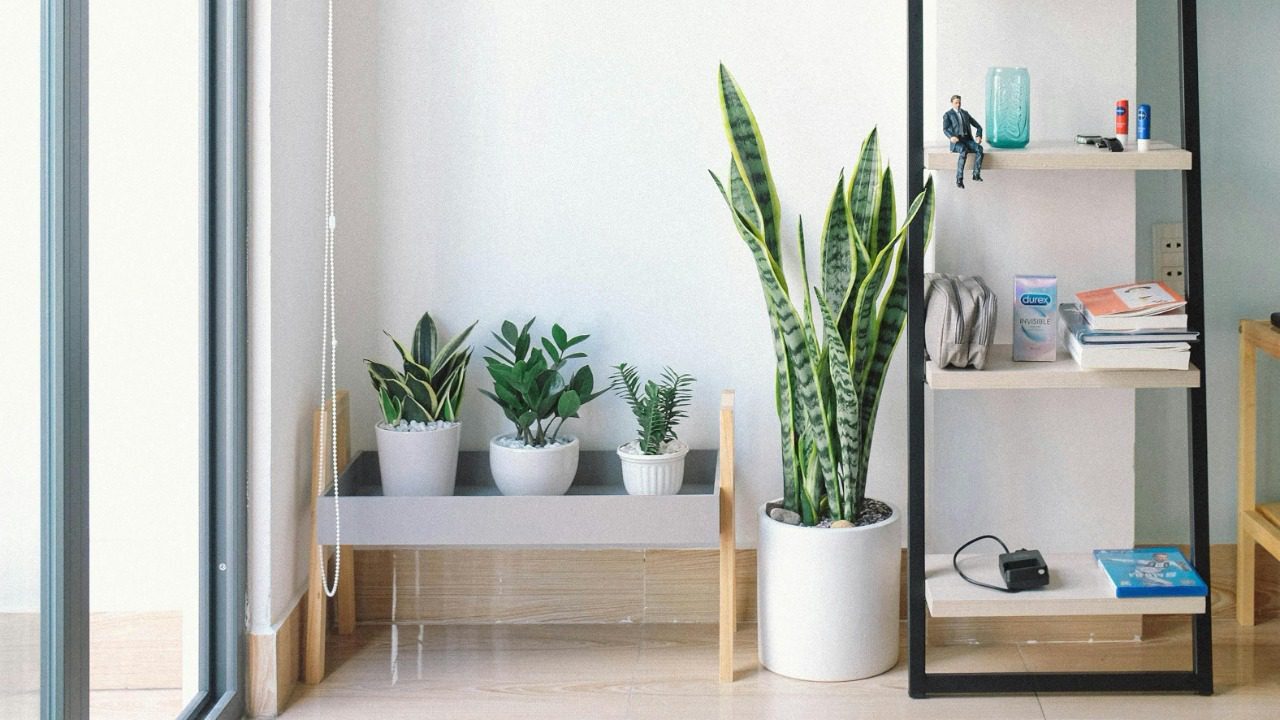
Lastly, while it might be tempting to use the crawl space to overwinter plants or start seedlings, it’s not a good idea. Most crawl spaces don’t have enough light for plants to thrive, and the humidity can encourage mold growth. Instead, consider using a greenhouse or a sunny window for overwintering plants and starting seedlings.