

When it comes to homeowners insurance, there are many factors that determine your premium. Some are obvious, like the value of your home or its location. But did you know that certain items or features within your home may also influence your rates? In fact, there might be things in your home right now that are causing your insurance costs to soar.
Here are 12 surprising things that could be raising your insurance rates.
1. Swimming Pools


Swimming pools are a beloved feature for many homeowners, especially in warmer climates. However, they also present a significant liability risk, which insurers account for by raising premiums.
Having a pool increases the chances of accidents or injuries happening on your property, thus making it more likely that an insurance claim will need to be filed. To offset this risk, insurance companies tend to charge more. To reduce the impact on your insurance, you can install safety features such as fences or alarms, which could potentially lower your premium.
2. Wood Burning Stoves

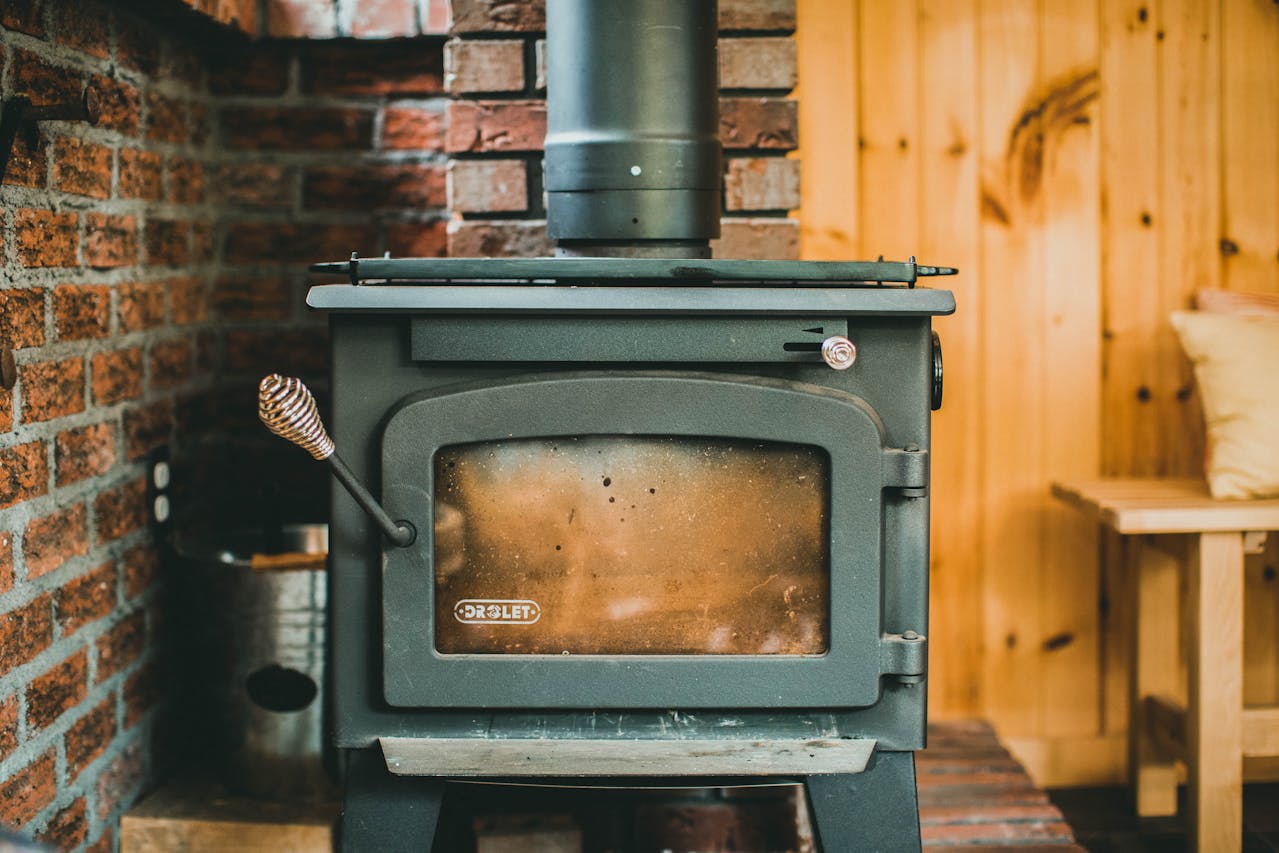
Wood-burning stoves provide a cozy atmosphere and can be a cost-effective way to heat your home. However, they also pose a fire hazard, which can lead to higher insurance premiums.
Insurance companies look at the risk associated with these stoves, including the type of installation, the construction of the chimney and the distance from flammable materials. To avoid a premium hike, make sure your stove is professionally installed and regularly maintained.
3. Older Roofs


The age and condition of your roof can significantly affect your homeowners insurance. Older roofs are more likely to be damaged by weather events, leading to potential insurance claims.
If you have an older roof, it could be worth considering a replacement, not just for insurance reasons, but also to increase the value and safety of your home. Some insurance companies may even offer discounts for roofs made from certain weather-resistant materials.
4. Trampolines


While trampolines can provide hours of fun, they also come with a significant risk of injury. This makes them a red flag for insurance companies.
To mitigate this risk and potentially lower your insurance costs, consider adding safety nets around the trampoline, limit its use, or even eliminate it from your property altogether. It’s also worth checking with your insurance provider to see how having a trampoline could impact your rates.
5. Home Businesses
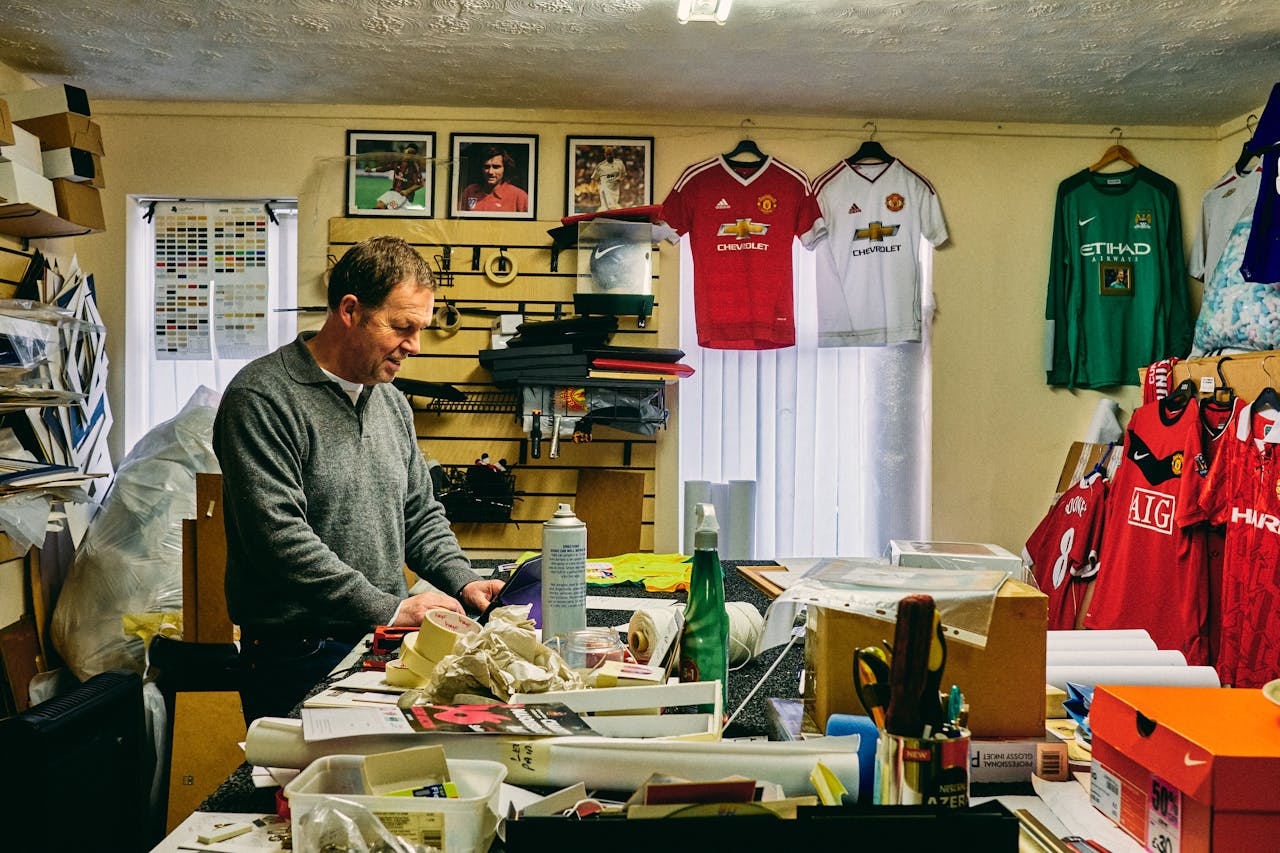
If you run a business from your home, it could be causing your insurance rates to rise. Insurance companies see home businesses as increasing the risk of property damage and liability claims.
Be sure to talk to your insurance agent if you operate a business from home, as you may need to add a home business endorsement to your policy. Some home businesses may require a separate business insurance policy altogether.
6. Certain Dog Breeds


As unfair as it may seem, owning certain dog breeds can lead to higher insurance premiums. Some breeds are seen as more likely to bite or cause injury, leading to potential liability claims.
To avoid higher premiums, consider choosing a breed that isn’t on your insurance company’s “risky” list. If you already own a breed that’s considered high risk, you could potentially lower your premiums by providing proof of obedience training or a good claim history.
7. High-End Electronics

Expensive electronics can increase the cost of your homeowners insurance because they raise the potential payout in the event of a claim.
To keep your premiums in check, consider limiting your high-end electronic purchases or increasing your deductible. You could also invest in a home security system, which can help deter theft and may earn you a discount on your insurance.
8. Lack of Security Systems

Speaking of security systems, not having one can also increase your insurance premiums. Homes without security systems are viewed as more susceptible to break-ins, leading to potential claims.
Investing in a good security system can not only provide peace of mind, but also save you money on your insurance. Many insurance companies offer discounts for homes equipped with alarm systems.
9. Home Renovations
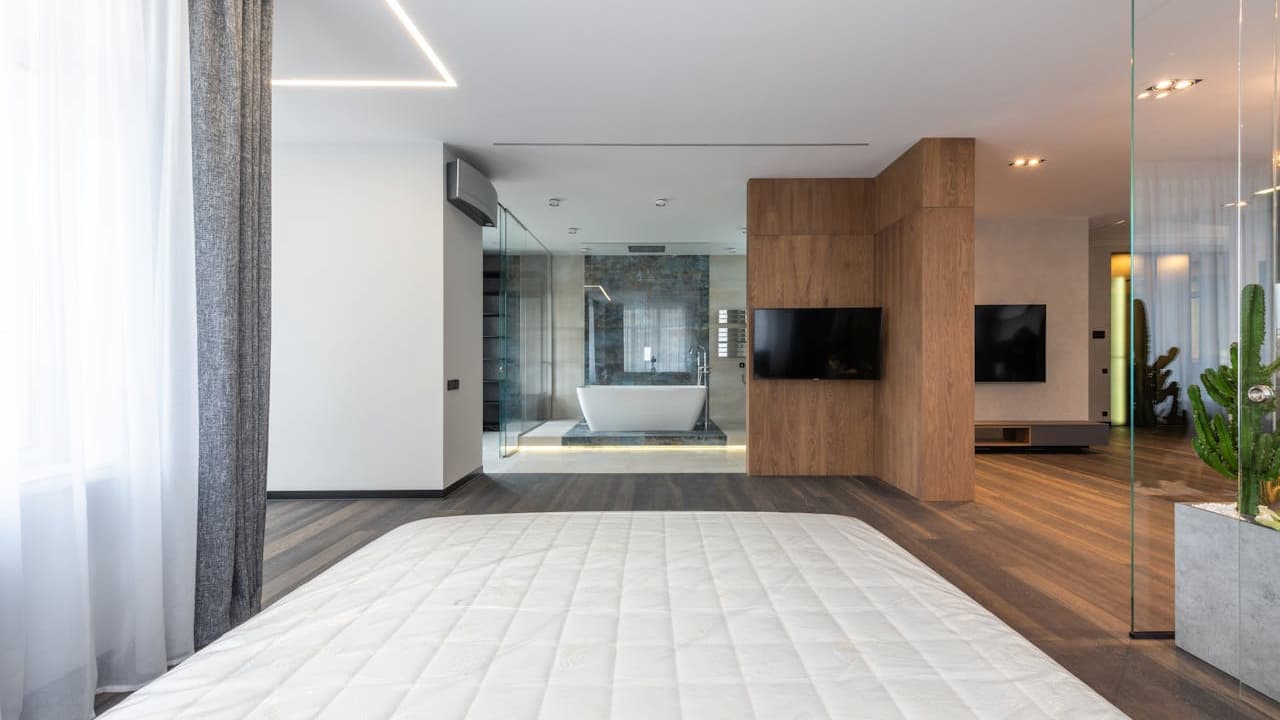
While home renovations can increase the value of your home, they can also raise your insurance rates. This is because increased home value often leads to higher replacement costs in the event of a loss.
Before undertaking a major renovation, consult with your insurance agent to understand the potential impact on your premiums. You may also want to consider updating your policy to cover any new additions or improvements.
10. Rare Artwork or Jewelry

Having valuable items like rare artwork or jewelry in your home can increase your insurance premiums. If these items were to be damaged or stolen, they would be expensive to replace.
If you have high-value items in your home, consider purchasing a separate policy or adding a rider to your existing policy specifically to cover these items. This can provide more comprehensive coverage and may even save you money on your overall premium.
11. Poor Home Maintenance


Regular home maintenance can help keep your insurance rates down. Conversely, poor maintenance can lead to a variety of issues such as electrical fires or water damage, which can result in higher insurance premiums.
Staying on top of regular home maintenance tasks can help reduce your risk of claims and keep your insurance rates down. This includes tasks like cleaning your gutters, maintaining your heating system, and checking for leaks regularly.
12. Short-Term Rentals

Renting out your home or a portion of it on a short-term basis can increase your insurance premiums. Short-term rentals can lead to increased wear and tear, potential property damage, and liability issues.
Before renting out your home, check with your insurance company to understand how it will affect your policy. You may need to add additional coverage to protect yourself. Some home-sharing platforms also offer their own insurance, so be sure to look into that as an option.
Understanding the items and features in your home that can raise your insurance rates is the first step towards finding ways to potentially lower your premiums. By making informed decisions and adjustments, you can keep your home safe, enjoyable, and affordable.