



To keep your home functional as kids grow, it helps to treat every birthday as a built-in reset. Each new age brings different needs, safety concerns, and routines, so regularly purging the right categories keeps clutter from snowballing and makes daily life smoother for everyone.

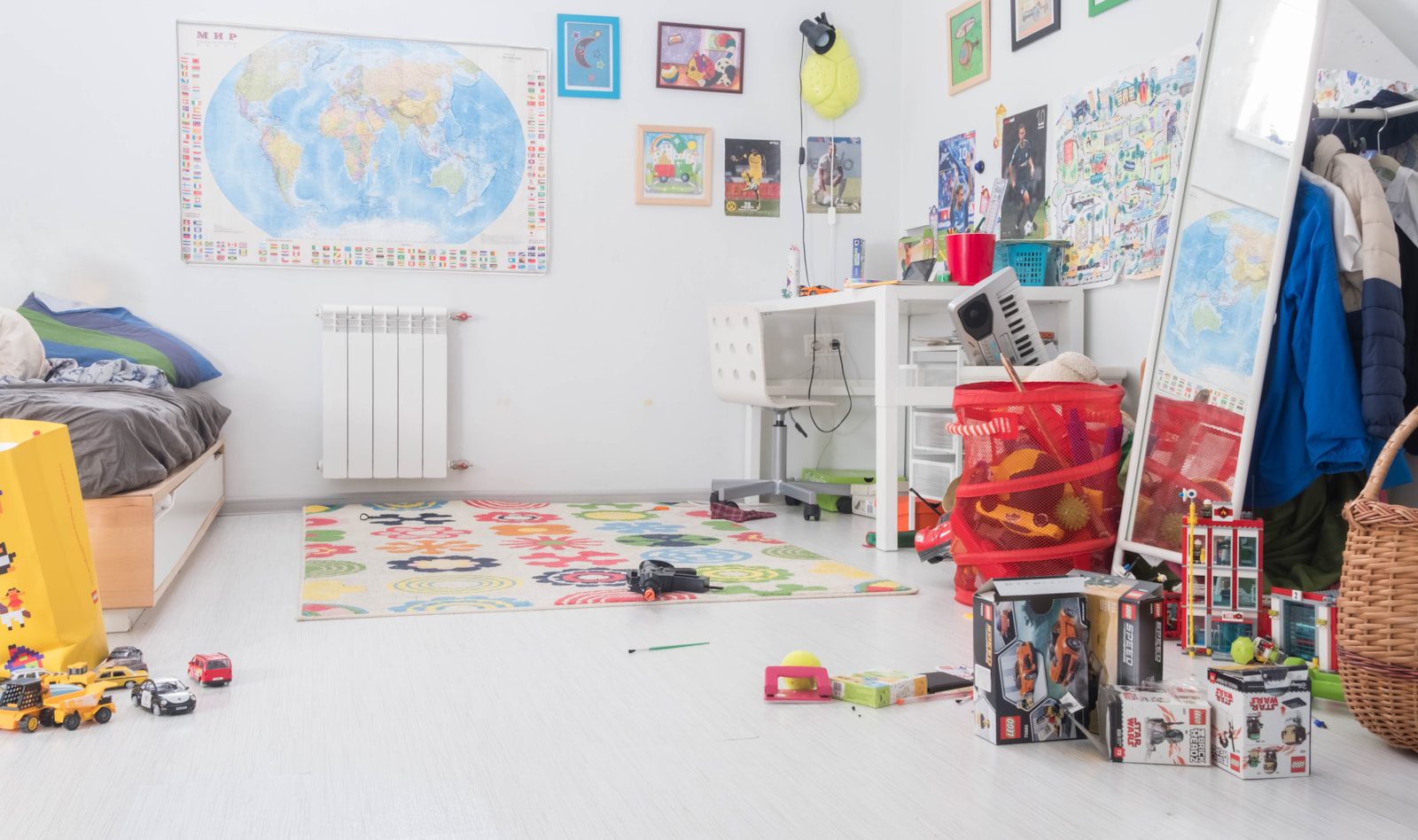
1) Outgrown clothes and shoes
Outgrown clothes and shoes are the first things you should purge when kids change ages, because they quickly become uncomfortable and can even affect how your child moves. Pediatric orthopedists note that shoes that are too small can alter gait and contribute to foot pain, so it is important to remove pairs once toes press the front or soles are worn thin. Clearing these items from drawers and closets makes it easier to see what actually fits and prevents rushed mornings spent digging through piles of “maybes.”
Once you pull everything that is too tight, too short, or clearly worn out, sort it into donate, sell, and recycle piles. Many communities accept textile recycling for stained or damaged items, which keeps fabric out of landfills and supports more sustainable habits. Passing along gently used pieces to friends or local charities also stretches the value of what you already bought, and it teaches kids that their belongings can help someone else once they are finished with them.
2) Old car seats and expired safety gear
Old car seats and expired safety gear should be purged as soon as kids age into a new stage, because these products are designed around specific height, weight, and developmental milestones. Manufacturers print expiration dates on car seats to reflect material fatigue and evolving safety standards, and child passenger safety technicians warn that using a seat beyond that date can reduce its ability to protect in a crash. When your child outgrows the harness or the seat expires, it is time to remove it from circulation rather than saving it “just in case.”
Helmets, life jackets, and other protective gear also have size ranges and replacement guidelines, especially after impacts or visible damage. Keeping outdated or ill-fitting items in the garage or closet makes it too easy to grab the wrong thing in a hurry, which raises the risk of injury during sports or travel. By purging what no longer meets current safety recommendations, you create a clear lineup of gear that actually fits and works, giving you confidence that every outing starts with the right protection.
3) Age-inappropriate toys and choking hazards
Age-inappropriate toys and choking hazards should leave your home whenever a younger sibling starts exploring or an older child moves past a certain stage. Pediatric safety guidelines highlight that small parts, detachable eyes, and loose magnets can be dangerous for children under three, especially when items are left on the floor or mixed into shared bins. As kids grow, toys with long cords, projectiles, or fragile pieces can also become less suitable, either because they are too simple or because they encourage rough play that no longer matches your rules.
Use each birthday as a cue to scan for broken pieces, missing batteries, and toys labeled for a younger age range that your child no longer uses. Removing these items reduces clutter and makes it easier to rotate in more challenging puzzles, building sets, and creative materials that match current skills. It also helps you maintain safer play zones for younger siblings, since you are not constantly policing stray marbles or tiny accessories that should have been retired months ago.
4) Baby gear and bulky equipment
Baby gear and bulky equipment, such as swings, bouncers, and activity centers, take up significant space and should be purged once your child clearly outgrows their purpose. Many of these products have weight limits and developmental cutoffs, and continuing to use them beyond those points can be unsafe or simply uncomfortable. When your toddler is running laps around the living room, a floor filled with infant loungers and play mats mostly becomes a tripping hazard rather than a helpful setup.
Clearing out these large items opens up room for age-appropriate furniture and play zones, like a small table for crafts or a reading corner with accessible shelves. You can sell or donate gear that is still in good condition, but anything with broken straps, missing parts, or recalled components should be dismantled so it is not reused. Treating each birthday as a checkpoint keeps you from storing a mini baby store in your basement long after your family has moved on from that stage.
5) Outdated feeding supplies and bottles
Outdated feeding supplies and bottles deserve a careful purge when kids transition from infant to toddler feeding, or from toddler to school-age eating habits. Bottle nipples, sippy cup valves, and plastic containers can degrade over time, developing cracks that harbor bacteria even after washing. As children age, they also need fewer specialized items, so a cabinet full of mismatched lids and stained containers mostly slows you down during busy mornings and evenings.
Use the age change to inspect everything for discoloration, warping, or lingering odors, and remove pieces that no longer seal properly or are difficult to clean. This is also a good moment to check manufacturer guidance on how long certain materials are meant to be used and whether they are compatible with your dishwasher or microwave. Streamlining to a smaller set of reliable, easy-to-wash cups, plates, and lunch containers makes meal prep faster and supports more independent eating as your child grows.
6) Excess school papers and artwork
Excess school papers and artwork can quietly overwhelm your home unless you purge them at regular age milestones. As kids move from preschool scribbles to more detailed projects, the volume of worksheets, drawings, and handouts multiplies, and keeping everything makes it impossible to appreciate the truly meaningful pieces. Professional organizers often recommend choosing a limited number of favorites per year and letting the rest go, so you are curating a story of growth rather than storing every spelling test.
When your child has a birthday or finishes a grade, spread the stack out and invite them to help pick what to keep, photograph, or recycle. This process teaches decision-making and shows that memories matter more than sheer volume. A labeled portfolio or digital archive can preserve standout work without filling closets, and the cleared space makes room for the next year’s achievements without guilt or chaos.
7) Books below or far above reading level
Books that are far below or far above your child’s current reading level should be reevaluated whenever they change ages, so your shelves stay aligned with their skills and interests. Early board books and simple picture titles lose their appeal once kids are confidently reading longer stories, while dense novels can frustrate younger readers if they are pushed too soon. Literacy specialists emphasize that access to “just right” books, which are challenging but not overwhelming, supports stronger comprehension and a more positive attitude toward reading.
Use birthdays as a natural moment to pull out titles your child has clearly outgrown, setting aside a few sentimental favorites and donating the rest. At the same time, remove books that are consistently abandoned because the language or themes are too advanced, and revisit them in a year or two. This ongoing purge and refresh cycle keeps your home library engaging, reduces visual clutter, and signals to your child that reading is a living habit that grows along with them.
8) Digital clutter on tablets and phones
Digital clutter on tablets and phones should be purged as kids age, because their app needs, attention spans, and privacy expectations change quickly. Old educational games, abandoned streaming apps, and unused photo filters can crowd home screens and make it harder for children to find the tools they actually use for homework or communication. Cybersecurity experts also note that outdated apps may stop receiving security updates, which can expose devices to unnecessary risks if they remain installed.
At each birthday, sit down together to delete unused apps, clear old downloads, and review notification settings so screens feel calmer and more purposeful. This is also a good time to adjust parental controls, screen time limits, and privacy settings to match your child’s new level of responsibility. By treating digital cleanup like any other household purge, you reinforce healthy tech habits and reduce the friction that comes from overloaded devices and constant pings.
9) Games and puzzles with missing pieces
Games and puzzles with missing pieces rarely return to full usefulness, so they are prime candidates for purging when kids change ages. A board game missing key cards or a puzzle with several absent edge pieces usually leads to frustration, arguments, and abandoned family time. Instead of letting these half-complete sets occupy shelves, use age milestones as a reminder to open each box, check for completeness, and decide whether it still earns its space.
If a game is mostly intact but missing a minor token, you might improvise a replacement, but anything that cannot be played as intended should be recycled or repurposed for crafts. Clearing these boxes makes room for more complex strategy games, cooperative titles, or larger puzzles that match your child’s current interests and abilities. The result is a game cabinet that invites regular use, rather than a graveyard of almost-fun options that never quite work.
10) Seasonal gear in the wrong sizes
Seasonal gear in the wrong sizes, such as winter coats, snow boots, swimsuits, and sports uniforms, should be purged or passed along as soon as kids outgrow them. Because these items are used for only part of the year, it is easy to forget how small they have become until the first cold snap or pool day arrives. That scramble often leads to last-minute shopping and duplicate purchases, which strain both budgets and schedules.
When your child has a birthday, pull out stored seasonal bins and have them try on key pieces, noting what still fits and what clearly does not. Donate or sell items that are in good condition while they are still in season for someone else, and recycle anything damaged beyond repair. This habit keeps your entryway and closets from overflowing with obsolete gear and ensures you are ready for the next weather shift without surprise shortages.
11) Decor and bedding from earlier phases
Decor and bedding from earlier phases, such as nursery themes or cartoon characters your child no longer likes, can quietly date their space and contribute to clutter. As kids grow, their sense of identity and taste evolves, and a room filled with baby animals or toddler prints may no longer feel like it belongs to them. Interior designers often suggest updating textiles and wall art in stages, which can be as simple as swapping out a comforter and a few framed prints.
Use each birthday as a checkpoint to remove worn sheets, faded curtains, and decor that no longer reflects your child’s interests, keeping only a few sentimental items. This purge makes it easier to introduce more neutral basics that can adapt to new hobbies and color preferences over time. A refreshed, age-appropriate room supports better sleep, more focused play or study, and a sense of ownership that encourages kids to help keep their space tidy.
12) Rigid routines that no longer fit
Rigid routines that no longer fit your child’s age are less visible than toys or clothes, but they are just as important to purge. Bedtimes, chore charts, and screen rules that worked for a preschooler may feel restrictive or unrealistic for a middle schooler with homework and activities. Child development specialists emphasize that kids benefit when expectations evolve with their growing capacity for independence and responsibility.
At each birthday, review your daily schedule, household rules, and family commitments, and consciously retire habits that cause constant conflict or no longer serve a clear purpose. Replacing outdated routines with age-appropriate responsibilities and freedoms helps your child practice decision-making while still feeling supported. This intentional reset reduces power struggles, keeps family life running more smoothly, and aligns your home environment with who your child is now, not who they were a year ago.
More from Decluttering Mom: