


Professional organizers see the same handful of items in nearly every home they walk into, no matter how different the family or the house. It’s rarely the big, obvious clutter that trips people up — it’s the small, easy-to-justify stuff that quietly takes up a drawer, a shelf, or an entire closet for years without anyone questioning why it’s still there.
If you’ve ever had someone help you organize a space, you’ve probably heard some version of these exact things flagged. Here are twelve items organizers consistently wish people would just let go of, and why holding on rarely pays off the way it feels like it should.


“Someday” Clothes That Don’t Fit Right Now
Clothes kept for a future size — whether smaller or larger than you currently are — take up closet space for a version of your body that doesn’t exist yet, and in the meantime they crowd out the clothes that actually fit and get worn. Organizers point out that keeping a full wardrobe on standby often just adds stress every time you open the closet and see what doesn’t currently work. If your size changes down the road, that’s the time to build a new wardrobe around who you are then, not to have kept every size in between just in case.
Gift Items You Never Actually Liked
Keeping a gift out of obligation, even when it’s sat unused in a closet for years, is one of the most common patterns organizers see, and it’s almost always driven by guilt rather than actual attachment. The giver, in nearly every case, wanted you to be happy — not to store something indefinitely out of duty. Letting go of a gift you never use doesn’t erase the thoughtfulness behind it; the gesture already happened the moment it was given.
Duplicate Kitchen Tools
Three sets of measuring cups, five spatulas, and two garlic presses tend to accumulate through gifts, moves, and impulse buys, and most kitchens only actually need one or two of each. Organizers often ask clients to pull every duplicate out onto the counter at once, which is usually the moment people realize how much they’ve been storing without ever noticing. Keeping your favorite of each tool and donating the rest frees up drawer space that’s usually fought over daily.
Cords and Chargers for Devices You No Longer Own
A junk drawer or bin of cables almost always includes chargers for phones, cameras, and gadgets that were replaced or discarded years ago. Since most current devices use one of just a couple of standard connector types, it’s rarely worth keeping more than a couple of spares. This is consistently one of the fastest, lowest-stakes decluttering wins organizers recommend, because there’s genuinely very little chance you’ll need that exact cord again.
Expired or Half-Used Toiletries
Bathroom cabinets tend to collect half-used bottles of lotion, old sunscreen, and travel-size toiletries from hotel stays years ago, and most people keep them well past the point of being useful. Sunscreen in particular loses effectiveness over time, and the FDA has noted that expired sunscreen may not provide the SPF protection listed on the label. A once-a-year sweep of the bathroom cabinet, tossing anything expired or unused for over a year, keeps this from building up unnoticed.
Every Reusable Bag You’ve Ever Been Given
Reusable grocery totes multiply fast, especially with kids bringing home school event bags and every store offering a free one at checkout. Organizers typically recommend keeping only as many as fit comfortably in one dedicated spot — often five to ten — and donating or recycling the overflow. Beyond that number, they’re not being reused; they’re just being stored.
Old Magazines and Catalogs
A stack of magazines kept for “the recipe I want to try” or “the article I meant to read” rarely gets revisited, and the information in most of them is available online anyway. Organizers see this pattern constantly with catalogs too, which often get replaced by a new one before the last one is ever opened. Recycling anything more than a month or two old, and cancelling catalog subscriptions you don’t actually shop from, stops the pile from regenerating.
Broken Items “Waiting to Be Fixed”
A drawer of broken sunglasses, a lamp with a frayed cord, a chair with a wobbly leg — these get set aside with genuine intentions to repair them, and then sit for years without it happening. Organizers suggest a simple rule: if it hasn’t been fixed within a set window, like thirty or sixty days, it’s not actually going to be, and it’s fine to let it go or dispose of it responsibly.
Excess Holiday Decor
Holiday bins tend to grow every year as new decorations get added and old ones rarely get removed, until the collection has outgrown the storage space set aside for it. Organizers often suggest setting a bin limit for each holiday and doing a one-in, one-out swap when something new comes in. If a decoration hasn’t made it out of the box in the last two seasons, it’s a strong sign it’s not actually part of the current rotation.
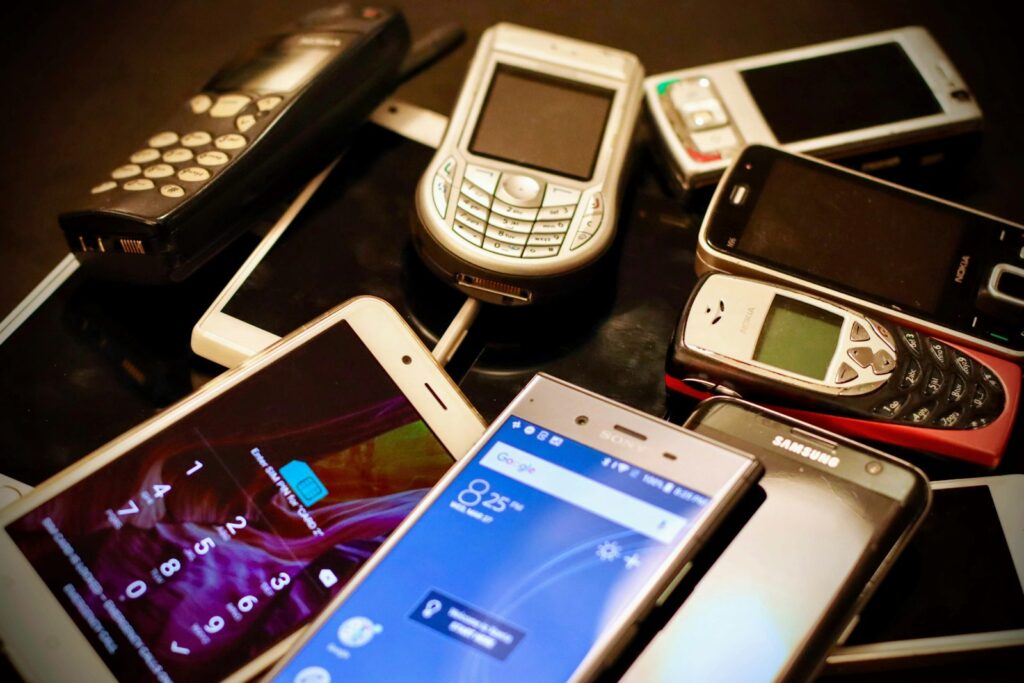
Old Phones and Electronics in a Drawer
Retired phones, tablets, and cameras often get tucked away “just in case,” but most sit there indefinitely without ever being used again, quietly losing resale value the whole time. Organizers frequently recommend wiping the data and trading in, selling, or recycling electronics within a few months of replacing them, since their value only drops the longer they sit.
Paperwork That’s Been Digitized or Is No Longer Needed
Filing cabinets often hold years of paper statements, old tax documents past the retention period, and paperwork for accounts that have long since closed. Organizers typically point clients toward keeping only what’s legally or practically necessary, shredding the rest, and switching to digital statements going forward to prevent the pile from rebuilding.
Furniture You’re Keeping “For the Kids” Without Asking Them
Formal dining sets, china cabinets, and heirloom furniture often get kept for decades based on an assumption that the next generation will want them, without ever actually confirming that. Organizers increasingly encourage having that conversation directly, since younger family members frequently have different tastes and living situations than assumed. If nobody actually wants it, it’s just taking up a room for a hope rather than a plan.