


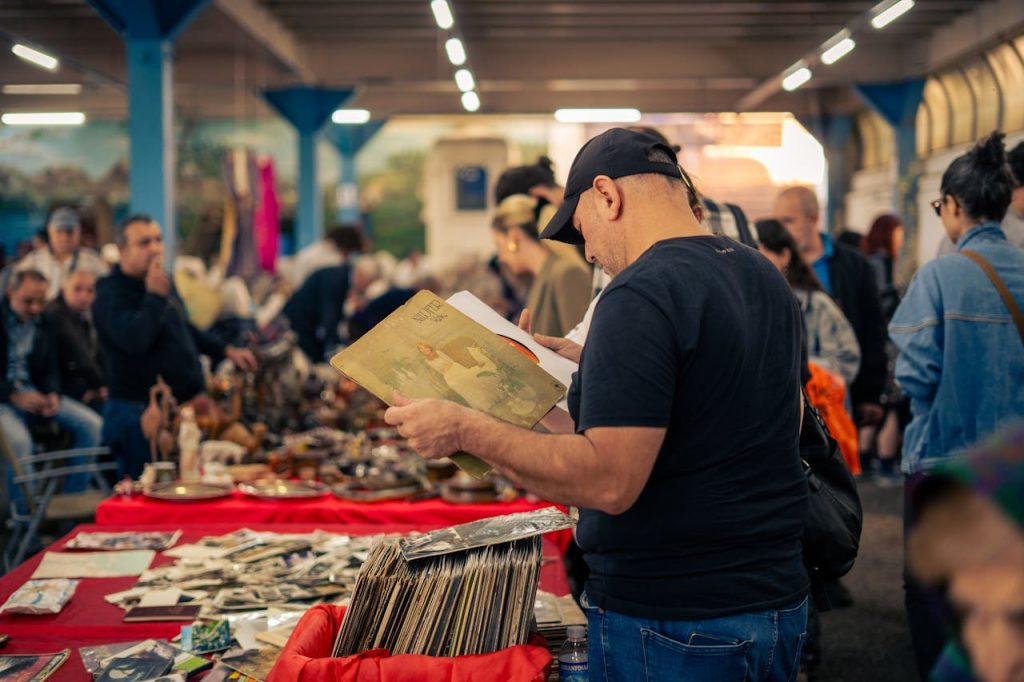
Selling antiques can be a rewarding endeavor, but it comes with its own set of challenges. Understanding the pitfalls to avoid can make a significant difference in your success and ensure that you get the best value for your items. Whether you’re a seasoned collector or just starting out, knowing what not to do is just as important as knowing the right strategies to employ.
Navigating the world of antiques requires a keen eye and a thoughtful approach. From pricing to presentation, certain mistakes can lead to missed opportunities and disappointment. By staying informed about these common missteps, you can enhance your selling experience and turn your antique treasures into profits.
Don’t alter antiques unless it’s for preservation


It’s tempting to make changes to enhance the look of your antiques. However, altering them can decrease their value significantly.
If you feel modifications are necessary, focus on preservation techniques. Always ensure you know the proper methods before taking any action to protect the piece’s integrity and history.
Avoid flea-market-flipping
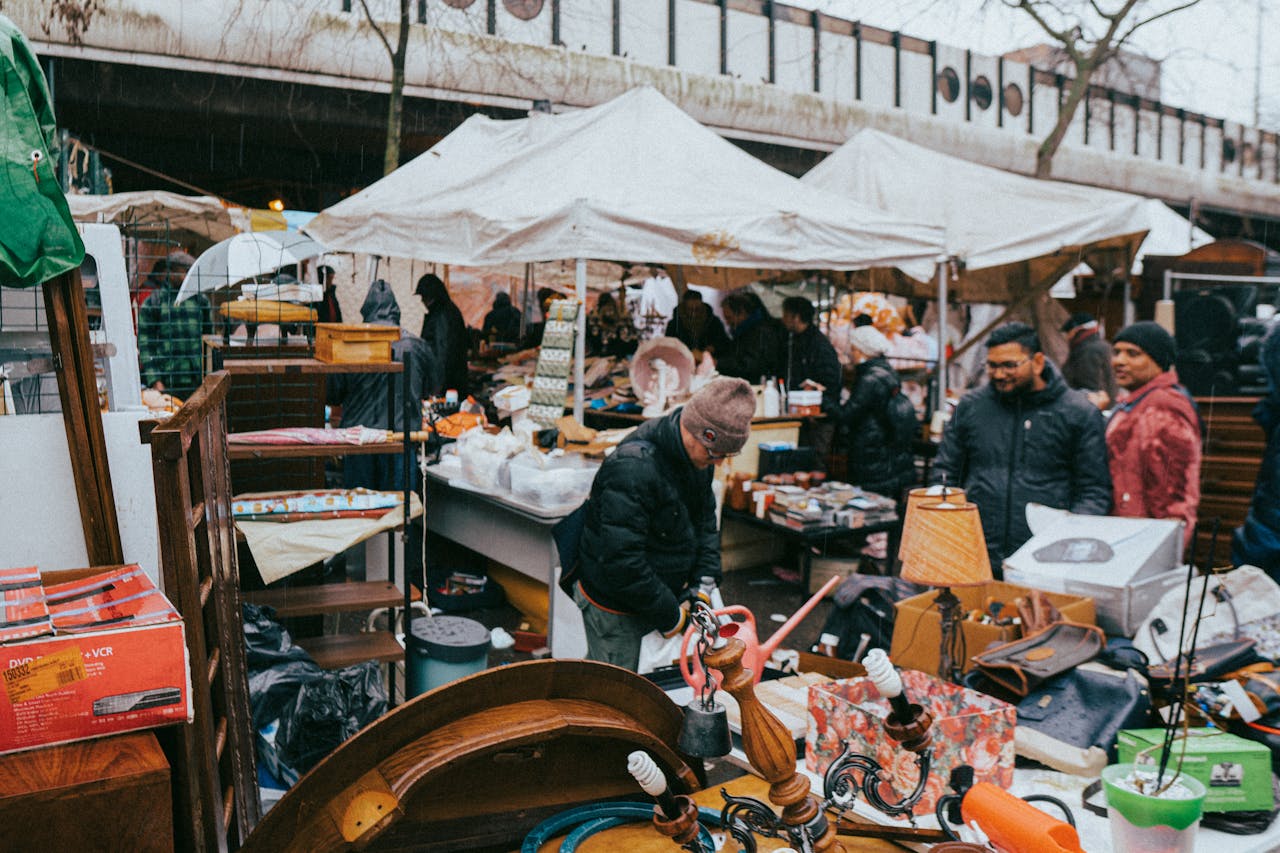
When selling your antiques, it’s best to steer clear of flea-market-flipping. This practice can lead to underpricing your items, leaving you with less profit than you deserve.
Focus instead on carefully assessing the value of your antiques, and consider selling through more reliable platforms. Good pricing, rather than quick flips, often results in better sales outcomes.
Steer Clear of Selling Without a Proper Appraisal

Before selling your antiques, make sure to get a proper appraisal. A certified appraiser can offer a fair valuation, helping you avoid underpricing your items.
Understanding the true worth of your antiques protects you from losing money. Plus, it can help you negotiate better with potential buyers. Don’t rush this step; it’s worth the investment.
Never sell without knowing the market value

Before selling your antiques, it’s essential to understand their market value. Doing so ensures you set a fair price and avoid potential losses.
Research comparable items online or check recent auction results. This information gives you a solid foundation for pricing your antiques confidently.
Refrain from selling to untrustworthy dealers


When selling your antiques, it’s crucial to avoid dealers who lack a good reputation. Research their background and check reviews before making any agreements.
Trustworthy dealers will provide clear information and fair offers. If something feels off or too good to be true, trust your instincts and walk away. Protecting your antiques means partnering with reliable individuals.
Avoid Emotional Pricing Decisions

It’s important to separate your feelings from the pricing of your antiques. Emotional attachment can cloud your judgment, leading to inflated prices. Remember, buyers tend to be objective. Set a reasonable price based on market value, and be prepared to adjust it if necessary. Your antique deserves a fair chance at selling without your sentiments influencing its worth.
Don’t ignore the importance of clean presentation

When selling antiques, a clean presentation can significantly affect your success. Dust and dirt can distract potential buyers from appreciating the piece’s beauty and value.
Take the time to clean your items before listing them. A simple wipe-down can make a big difference, enhancing their appeal and helping you attract more interest.
Never overlook getting antiques in working order


When selling antiques, it’s important to ensure they are in working condition. Buyers often look for pieces that function properly.
Take the time to repair or restore items when needed. This can significantly increase their value and appeal.
A well-maintained antique can attract more interest and potentially lead to a faster sale.
Avoid haste in selling through short auction timeframes

Rushing to sell your antiques can lead to missed opportunities. Short auction timeframes may limit buyer engagement, affecting your final sale price.
Take your time to research the auction environment. Consider the best seasonal times for higher attendance, as you want your items to attract interest and achieve their true value. Patience can yield better results for your treasures.
Don’t skip researching current market trends

Before selling your antiques, take the time to research market trends. Knowing what buyers are currently interested in can significantly impact your sales strategy.
Understanding demand helps you price your items appropriately and highlights what features appeal to consumers. Stay informed to enhance your selling success.
Avoid selling on consignment without understanding terms
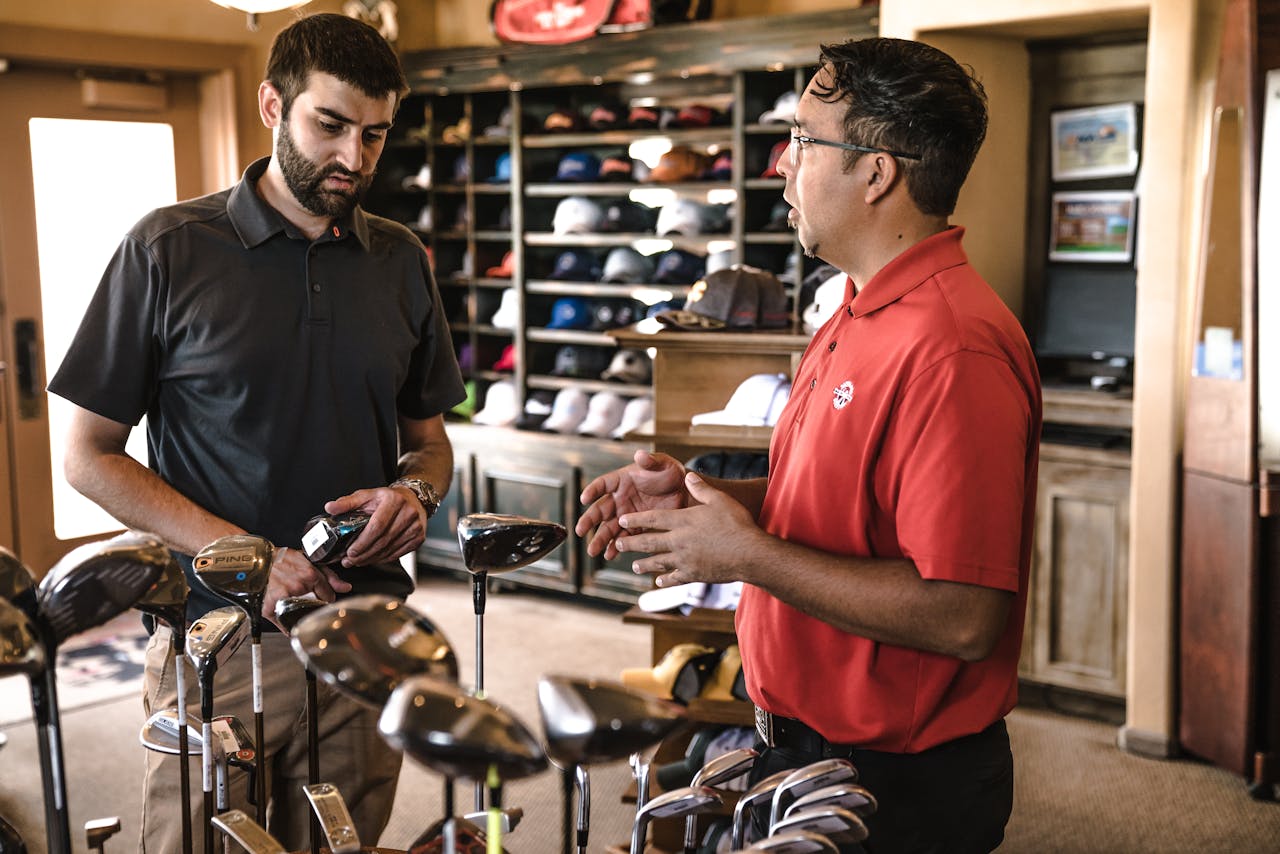
Before you sell on consignment, take time to understand the terms involved. Each shop may have different policies regarding fees, payment timelines, and what happens if your items don’t sell.
Make sure you know the commission percentage they’ll take and whether there are any additional costs. Clarity on these details will help you avoid surprises.
Never underestimate the value of documenting provenance
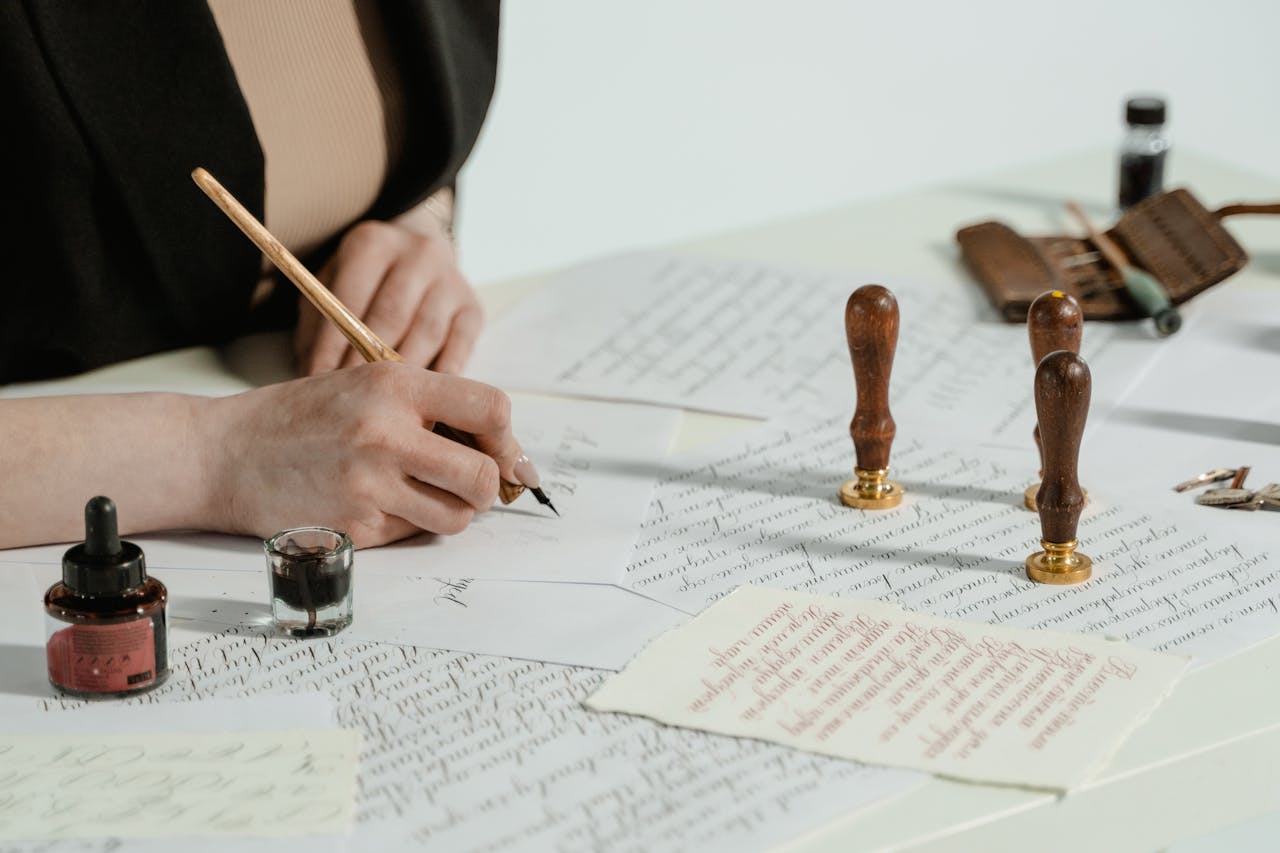
When selling your antiques, always document provenance. Provenance is the history of ownership, which can significantly enhance the item’s value.
Buyers appreciate authenticity and a well-documented history. This information can make your antique more appealing and justifies a higher asking price. Keep records and receipts to support your claims, and seek expert advice if needed.
Like what you read? Check out more by me: