


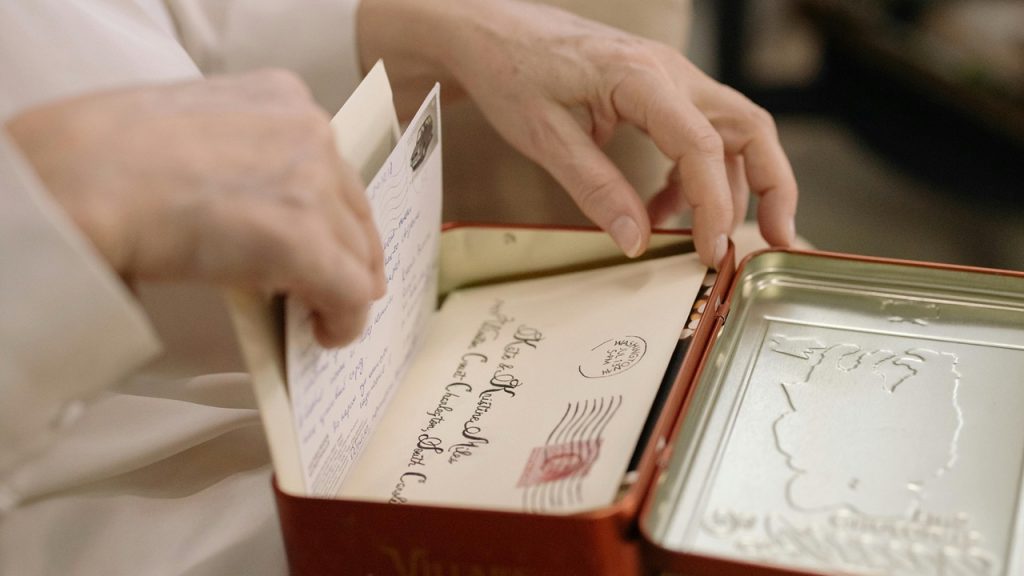
As we journey through life, we often collect souvenirs, mementos, and keepsakes that carry a lot of sentimental value. These items, often infused with personal memories and emotions, can become treasures that we guard with our lives. However, it is important to realize that what we treasure may not necessarily hold the same value for our children. In fact, they might even dispose of these items without a second thought. So, let’s explore 12 things you may treasure that your kids will likely toss without thinking, and how you can ensure their preservation.
1. Personal Letters


In an era of digital communication, personal letters may seem like relics from the past. These handwritten notes carry a lot of sentimental value, but your kids might see them as outdated and unnecessary.
Letters are a snapshot of a time gone by, filled with emotions and memories. They are tangible pieces of heritage that should be preserved. However, your children, living in a digital age, might not see the value in a box of old letters. It’s important to talk to them about why these letters matter to you and express your wish for them to be kept. You can also consider digitizing them for safekeeping.
2. Photo Albums


Physical photo albums are becoming a thing of the past, with digital images and online albums taking over. However, the joy of flipping through an old photo album is unparalleled.
These albums capture moments from your life that are irreplaceable. However, your children might find them cumbersome and outdated, preferring digital copies instead. A good way to preserve these is to digitize the photos. This way, they are easily accessible and safe from physical damage.
3. Old Books


Your collection of books may be your prized possession, but to your children, these might just be space-consuming dust gatherers.
Books, especially old ones, carry a lot of memories. They might be books you loved reading or books that were passed down to you. Your children might not understand the significance of these books and consider them unnecessary clutter. It’s important to share with them the stories behind these books and why they are special to you. Additionally, you could consider donating some to libraries or schools where they will be appreciated.
4. Antique Furniture


Antique furniture pieces can be valuable, both monetarily and sentimentally. However, your children might prefer more modern designs and find these pieces outdated.
Antique furniture often carries a story with it, whether it’s a piece passed down through generations or a unique find from an antique shop. To ensure these pieces aren’t tossed out, it’s crucial to share their stories and their value with your children. Alternatively, you could consider selling or donating the pieces where they will be appreciated.
5. Old Records and CDs


Music lovers often have a collection of old records or CDs. However, in this digital age, your children might not see the point in keeping these physical forms of music.
These records and CDs might hold special memories, such as the first album you ever bought or a concert you went to. To ensure these aren’t just thrown away, explain their significance to your kids. You could also consider converting the music into digital format for easy access and preservation.
6. Grandma’s China


Heirloom china is often treasured, but your kids might view it as outdated and impractical for modern use.
China sets often have a lot of sentimental value, having been passed down through generations. It’s important to let your kids know the history and significance of these pieces. If they still don’t want them, consider selling to collectors or donating to museums.
7. Jewelry

Your collection of jewelry might be valuable to you, but your children might not see the appeal of these pieces.
Jewelry often carries a lot of memories and sentimental value. It’s crucial to share the stories behind these pieces with your children. If they’re not interested in keeping them, consider selling them to collectors, or passing them on to someone who will appreciate them.
8. Stamp or Coin Collections

Your stamp or coin collection might seem like a treasure to you, but to your children, it might just look like a bunch of old pieces of paper and metal.
Collections like these often take years to build and carry a lot of memories. It’s important to convey the value and significance of these collections to your children. If they’re not interested in maintaining them, consider selling to collectors.
9. Old Toys

Your childhood toys might seem like precious memories to you, but your kids might see them as just old, outdated playthings.
Toys from your childhood often carry a lot of sentimental value. Share the stories behind these toys with your kids, so they understand their importance. If they’re not interested in keeping them, consider donating them to a charity or museum.
10. Family Recipes

Your family recipes might be a treasure trove of culinary heritage, but your children might prefer to search for recipes online.
Family recipes often carry a lot of sentimental value and family history. It’s important to share the stories behind these recipes with your kids. If they’re not interested in keeping a physical copy, consider digitizing them.
11. Souvenirs from Travels

You might have a collection of souvenirs from your travels, but your children might see them as just clutter.
Travel souvenirs often carry a lot of memories and stories. Share these with your children, so they understand their value. If they’re not interested in keeping them, consider keeping a digital photo album of them.
12. Handmade Clothes or Quilts

Handmade items like clothes or quilts might be cherished by you, but your children might prefer store-bought items.
Handmade items often carry a lot of sentimental value, having been made with love and care. Share the stories behind these items with your kids. If they’re not interested in keeping them, consider donating them to a charity or someone who will appreciate them.