


Not everything cluttering your home is there because you love it. A surprising amount of it is there because getting rid of it feels like it would hurt someone’s feelings, undo money already spent, or confirm that a plan you once had didn’t pan out. Guilt is an incredibly effective glue, and it’s holding a lot of stuff to your shelves that would otherwise have left months or years ago.
The thing about guilt-based keeping is that it doesn’t actually honor anyone, including future you. A gift shoved in a closet unused isn’t a tribute to the giver, and a treadmill draped in laundry isn’t motivation, it’s just a large, dusty reminder of a goal you’re not currently pursuing. Here are twelve things worth examining honestly, because you actually want them or because guilt is doing all the work.

Gifts You’ve Never Liked
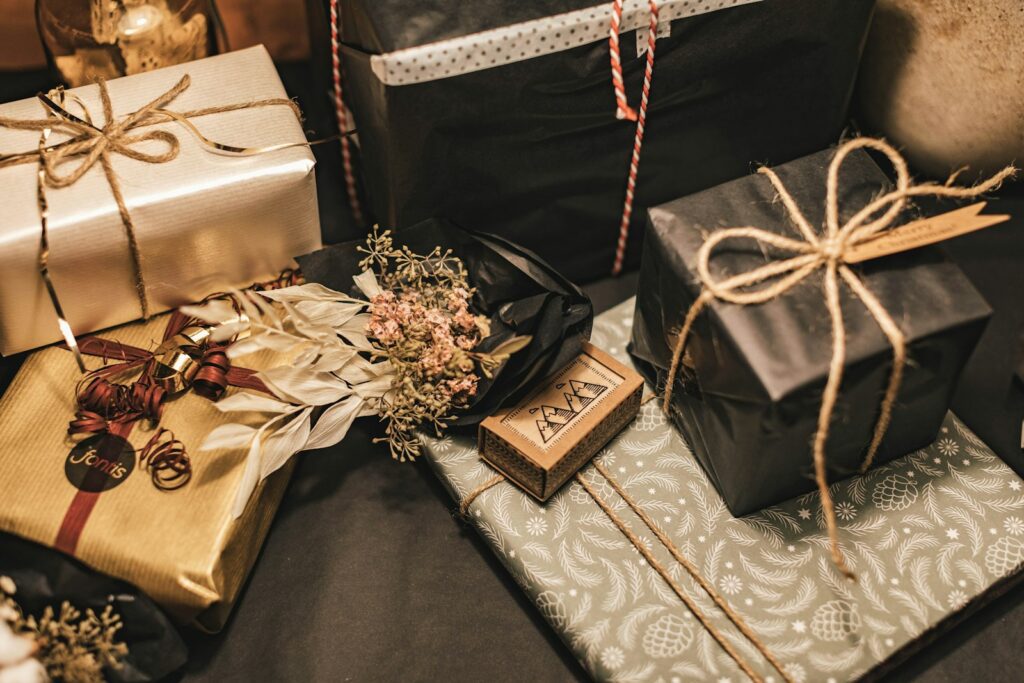
Somewhere in your home is a sweater, a decorative item, or a kitchen gadget you’ve never once used or worn, kept purely because someone you love gave it to you. The gift-giver’s intention was for you to enjoy something, not to obligate you to store it forever out of duty. Once a gift has been received and appreciated in the moment, its job is done. You’re allowed to let it go without that being a rejection of the person who gave it.
Inherited Items You Don’t Have Room For
Family furniture, dishware, or decor passed down after a loved one’s death often comes with an unspoken expectation that keeping it equals honoring their memory. But cramming a piece into a space where it doesn’t fit or function isn’t really honoring anyone, it’s just creating a daily source of stress. It’s possible to honor someone’s memory through a photo, a story, or one meaningful smaller item, without keeping every single thing that once belonged to them.
Unused Wedding Gifts
The fondue set, the special-occasion serving platter, and the crystal vase that arrived at your wedding and have never left their boxes since are a specific category of guilt clutter. Enough time has passed that returning them isn’t an option, but keeping them unused isn’t preserving anything either. If it’s been years and it’s never been used, it’s fair to donate it and let it bring someone else joy instead.
Bulk Boxes of Kids’ Artwork
Saving every single piece of art your child has ever brought home feels like the loving thing to do, but most parents end up with bins so overflowing that no individual piece gets appreciated. Choosing a handful of standout pieces per year, photographing the rest, and letting the bulk of it go is not a betrayal of your child’s creativity. It’s a more honest way of actually treasuring the pieces that matter most, rather than storing everything equally and appreciating none of it.
Books You Feel You “Should” Read
A shelf of unread books that were recommended, gifted, or purchased with good intentions can quietly become a monument to guilt rather than a reading list you’re excited about. If a book has sat unread for years, it’s fair to admit the moment for it has passed. Donating it to a library or a friend who might actually read it soon is more useful than keeping it as a reminder of a version of yourself with more reading time.
Workout Equipment You Feel Bad About
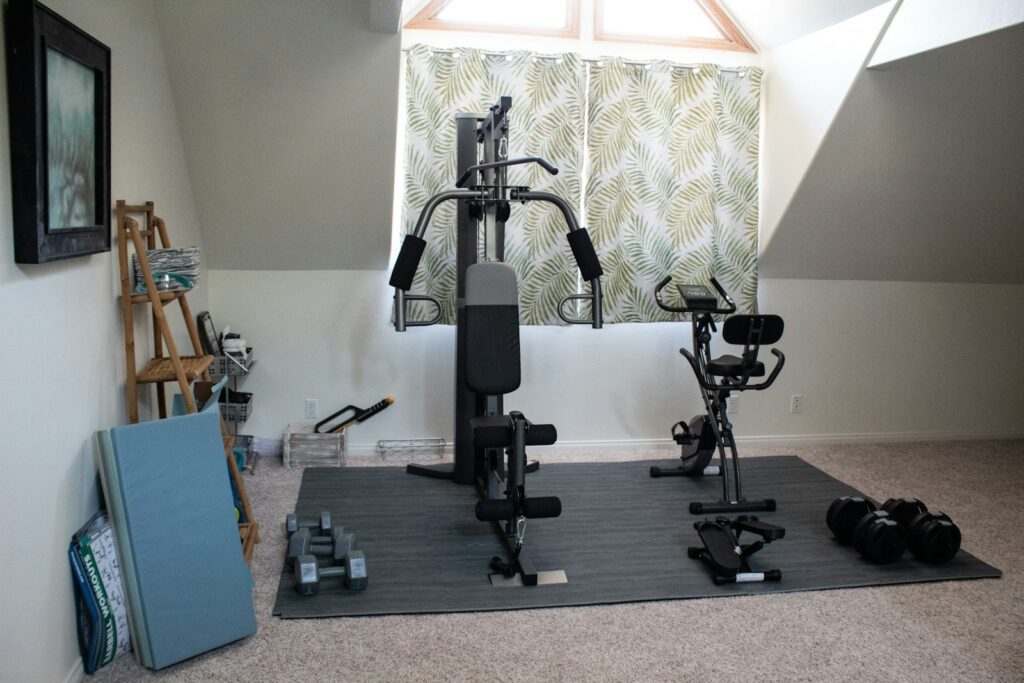
An unused treadmill, exercise bike, or set of weights can generate a very specific kind of guilt every time you walk past it. But keeping equipment you’re not using doesn’t make you more likely to use it, it mostly just makes you feel worse each time you see it. If it’s been sitting untouched for a year or more, selling it to someone who will actually use it is a more honest outcome than continuing to store a monument to an abandoned plan.
Clothes That Don’t Fit “Someday”
Keeping a section of your closet for a size you’re not currently wearing, in the hope you’ll return to it, ties your closet space to a number rather than to clothes you can actually wear and enjoy right now. If those clothes are also years out of style by the time they’d theoretically fit again, the guilt of parting with them isn’t matched by any real future usefulness. Dressing the body you have today, rather than storing clothes for a hypothetical future one, tends to be both more practical and more freeing.
Unused Recipe Boxes and Cookbooks
A collection of cookbooks and recipe cards you’ve never actually cooked from can feel important to keep because they represent good intentions about home cooking. But a cookbook you’ve had for five years without opening isn’t serving your kitchen, it’s just occupying a shelf near it. Keep the handful with recipes you actually make, and let go of the ones that exist purely as aspirational clutter.
Half-Finished Craft Projects
An unfinished quilt, a partially knitted sweater, or a scrapbook stalled at page twelve can carry real guilt because of the time and money already invested. But that time is already spent regardless of whether you keep the project, and continuing to store it doesn’t reclaim the sunk cost. Either commit to a real deadline to finish it, or let yourself off the hook and pass the supplies along to someone who will actually complete something with them.
Promotional Freebies From Work Events
Branded notebooks, mugs, and pens collected from conferences or work functions often get kept because tossing them feels wasteful, even though nobody chose them for their own taste or needs. These items were free to begin with, so there’s no financial guilt attached to letting them go, only the vague feeling that discarding anything is wrong. Keep what you’d genuinely use and donate or recycle the rest.
Furniture From Your Parents You Don’t Love
Accepting furniture from parents who are downsizing can feel like the only respectful option in the moment, even when the piece doesn’t suit your space or style. Keeping it out of guilt for years afterward doesn’t actually deepen the gesture, it just leaves you living with furniture you didn’t choose. If it’s not working for your home, it’s reasonable to sell or donate it and let the sentiment live in memory rather than in your living room.
Souvenirs From Trips You Didn’t Enjoy
A souvenir from a vacation that was actually stressful, expensive, or disappointing can sit on a shelf as an odd little monument to an experience you don’t particularly want to remember. Keeping it doesn’t rewrite the trip into a better memory, it just keeps a small reminder of it in view. If the item doesn’t spark anything positive, there’s no rule that says you have to keep proof you went somewhere.