


You probably spend plenty of time labeling bins and stacking shelves, yet your basement still feels packed. That is usually a sign you are organizing clutter instead of actually decluttering. By focusing on the specific categories below, you can stop perfecting storage systems for things you will never use and start reclaiming real, livable space.
1) Old Paint Cans
Old paint cans are classic “organizing instead of decluttering” clutter, because they sit for years in basement corners while you shuffle them from one shelf to another. Professional organizers flag leftover paint and other hazardous materials as items you should remove, not rearrange, since they add risk without adding value. Guidance on old paint cans stresses that they clutter basements and should be disposed of properly instead of stored indefinitely. When you keep them, you also risk leaks, fumes, and confusion about which color is still usable.
Instead of lining cans up in neat rows, contact your local waste facility for hazardous-waste drop-off rules and keep only a clearly labeled, small amount of paint that is still in good condition for current walls. If you have multiple half-empty cans of similar shades, consolidate what is truly needed into one container and let the rest go. This shift from “How do I store this?” to “Why am I keeping this?” is what turns organizing into real decluttering.
2) Rusty Tools
Rusty or broken tools often migrate to the basement once they stop working well, where they quietly take up space on pegboards and in toolboxes. Experts caution that maintaining unused duplicates or damaged items distracts from essential decluttering, because you end up organizing around clutter instead of removing it. When you keep rusted screwdrivers, stripped wrenches, or dead drills, you are not preserving capability, you are preserving obstacles. The same reporting that highlights problem paint also points to neglected tools as a category professionals would not keep in bulk.
A practical approach is to gather every tool, test what still works, and immediately recycle or discard anything unsafe or beyond repair. If you own three hammers but always reach for the same one, donate the extras so someone else can use them. By trimming down to a core, functional set, you free up shelves, reduce visual noise, and make it easier to find what you actually need during a project.
3) Expired Canned Goods
Expired canned goods often end up in basement storage, where they quietly age past their “best by” dates while you keep building more shelves to hold them. Organizing professionals consistently warn that expired food is not worth saving, and that safety must come before sentimental or “just in case” storage. Advice on what to purge before a fresh start singles out old pantry items, noting that you should Get rid of expired items like dusty Canned soups or vegetables instead of stacking them in new bins.
Sorting by date, not by label color, is the key here. Pull every can, check the stamp, and immediately discard anything swollen, rusted, or past its safe window according to food safety guidelines. For items that are still good but unlikely to be eaten, donate them to a local food pantry before they cross the line. This clears shelves, reduces the risk of someone grabbing unsafe food in a rush, and keeps your basement from becoming a forgotten second pantry.
4) Unused Holiday Decorations
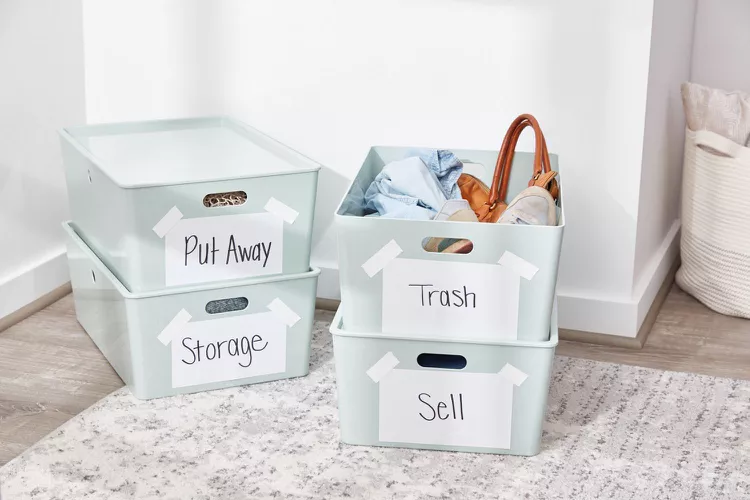
Unused holiday decorations are another category you are probably organizing instead of decluttering, especially if you have color-coded bins for every season. Reporting on basement clutter notes that rarely accessed decor tends to accumulate dust in storage, even though you only reach for a fraction of it each year. Professional advice on Duplicate and unnecessary items stresses that keeping extras “just in case” undermines an organized home.
To break the cycle, review decorations right after a holiday, when you clearly remember what you actually used. Anything that stayed in the bin this season, or that is broken, faded, or no longer fits your style, can be donated or tossed instead of repacked. Limiting yourself to one or two well-edited containers per holiday keeps your basement from turning into a long-term storage unit for nostalgia you never display.
5) Faded Area Rugs
Faded or damaged area rugs often get rolled up and banished to the basement, where they quietly attract dust, moisture, and pests. Organizing guidance on basement problem items points out that worn textiles in storage can contribute to poor air quality and clutter, rather than providing any real backup value. When you keep old Can of rug pads or stacks of carpeting “for later,” you are usually postponing a decision, not preserving something useful.
Instead of stacking rugs behind furniture, inspect each one for stains, fraying, or mildew. If a rug is not good enough to bring back upstairs, it is not good enough to keep. Consider cutting a truly sturdy piece into small mats for messy projects and discarding the rest. Letting go of these bulky rolls opens up floor space, reduces hiding spots for insects, and makes your basement feel less like a dumping ground for tired decor.
6) Outdated Electronics
Outdated electronics, from tube TVs to old DVD players, are notorious for piling up in basements once they are replaced by newer models. Organizers emphasize that obsolete gadgets should be recycled, not simply cordoned off in another corner, because organizing them only masks the fact that they will never be used again. Advice on Decluttering old electronics highlights how cords, chargers, and devices tend to form “clumps” that sit untouched for years.
A better strategy is to gather every device, cable, and remote, then match what you truly need to current equipment. Anything that no longer powers on, connects to modern ports, or serves a real purpose should go to an e-waste recycling program. Removing these heavy, awkward items not only frees shelves and floors, it also prevents hazardous materials from lingering in your home environment.
7) Duplicate Kitchen Gadgets
Duplicate kitchen gadgets often migrate to basement shelves when drawers overflow, giving you the illusion of a well-organized backup kitchen. Professional organizers repeatedly advise against keeping extras “just in case,” because it shifts your focus from decluttering to building redundant storage. Guidance on items you should never keep if you want an organized home specifically calls out duplicate kitchen gadgets as clutter that belongs in the donation box, not in labeled tubs.
To tackle this, list the tools you actually use weekly, such as one reliable chef’s knife, a single slow cooker, or a preferred set of baking sheets. Any second or third version that lives in the basement “for parties” or “for someday” can be donated to community kitchens or thrift stores. Streamlining your gadgets reduces the temptation to stash overflow downstairs and keeps your cooking tools where you need them, not buried in storage.
8) Old Kids’ Toys
Old kids’ toys are emotionally charged clutter, which is why so many families box them up and slide them into the basement instead of making decisions. Reporting on basement items to purge notes that forgotten toys in storage no longer serve a purpose, especially once children have outgrown them. Organizing pros recommend passing on old kids’ toys promptly, rather than organizing them into ever-taller stacks of bins.
A practical method is to separate toys into three groups: true keepsakes, items in good condition for donation, and broken or incomplete pieces to discard. Limit keepsakes to a small, clearly labeled memory box per child, focusing on items with real stories attached. Donating the rest to preschools, shelters, or neighbors gives the toys a second life and prevents your basement from becoming a museum of every stage of childhood.
9) Seasonal Clothing Boxes
Seasonal clothing boxes can be helpful, but only when they contain items you actually rotate into your wardrobe. Over time, many basements fill with bins of outdated, ill-fitting, or forgotten clothes that are carefully labeled yet never opened. Organizers caution against indefinite storage of off-season wear, explaining that it bloats space without meaningful rotation and turns your basement into a secondary closet. Advice on what professionals would never do includes avoiding long-term stashes of seasonal clothing boxes that are never edited.
To reclaim control, schedule a seasonal review where you try on key pieces and assess whether they still fit your style and body. Anything you would not be excited to wear next season can be donated or sold. Keeping only a curated set of coats, boots, and specialty items in breathable containers prevents mold, simplifies getting dressed, and stops you from buying duplicates because you forgot what you already own.
10) Unused Sports Equipment
Unused sports equipment, from treadmills to hockey gear, often ends up in the basement once the initial enthusiasm fades. These items are bulky, so you may spend time arranging them neatly along walls or in racks, yet they still dominate the room. Professional tips on basement clutter highlight that idle gear should be donated or sold, because organizing it only preserves the illusion of “potential” instead of reflecting your real habits. When professional organizers talk about clearing space, they frequently mention sports items that no longer match your lifestyle.
Start by asking when you last used each item and whether you realistically plan to return to that activity. If the answer is vague, list the gear on local resale apps or donate it to school programs and community centers. Freeing up this square footage can open room for a functional home gym you will actually use, a workshop, or simply safer, clearer pathways through the basement.
11) Miscellaneous Paperwork
Miscellaneous paperwork and manuals often migrate to the basement in boxes labeled “files,” where they quietly multiply. Organizing experts warn that archiving documents without a clear system leads to disorganized overload, not peace of mind. Guidance on what professionals avoid stresses that they never hoard miscellaneous paperwork without digitizing or defining retention rules, because basements are prone to moisture and damage.
To shift from organizing to decluttering, sort papers into categories such as tax records, warranties, sentimental items, and obvious trash. Shred anything past its legal retention period, recycle outdated manuals that are available online, and scan key documents to secure cloud storage. Keeping a single, fire-resistant box or locked cabinet for true essentials upstairs is far safer than relying on a stack of unlabeled cartons below ground.
12) Broken Furniture
Broken furniture pieces often linger in basements under the promise of “fix later,” even when you lack the tools, time, or interest to repair them. Organizers consistently recommend swift disposal of irreparable items, explaining that storing them only trains you to walk around obstacles. Advice on basement clutter notes that broken furniture rarely gets repaired once it has been banished downstairs, so it functions as dead weight rather than future potential.
Evaluate each piece honestly: if it has been waiting more than a year, or requires costly parts, it is a candidate for donation to a repair-focused charity or for bulk trash pickup. Salvage hardware or wood only if you have a specific, scheduled project in mind. Clearing these bulky items can transform your basement layout, making room for purposeful zones instead of a graveyard of half-finished intentions.
More from Decluttering Mom: