


In today’s world, being energy efficient isn’t just a trend—it’s a necessity. By reducing our energy consumption, we can help protect the environment and save money on our utility bills. But figuring out how to make your home more energy efficient can be a daunting task. That’s why I’ve put together this list of 12 practical ways I’ve made my home more energy efficient. Hopefully, these tips will inspire you to make some green changes too!
1. Install Energy-Efficient Light Bulbs


One of the simplest ways to conserve energy is by switching to energy-efficient light bulbs. I’ve replaced all of my standard incandescent bulbs with LED bulbs, which use up to 80% less energy and last up to 25 times longer. This small change requires a bit of an upfront investment, but the energy savings over time are substantial. According to the U.S. Department of Energy, replacing just five of your most frequently used lights can save you $75 a year. LED bulbs also emit less heat than traditional bulbs, which can help reduce cooling costs in the summer. And with advances in technology, they now come in a wide range of colors and brightness levels, so you don’t have to sacrifice quality of light for energy efficiency.
2. Seal Drafty Windows and Doors
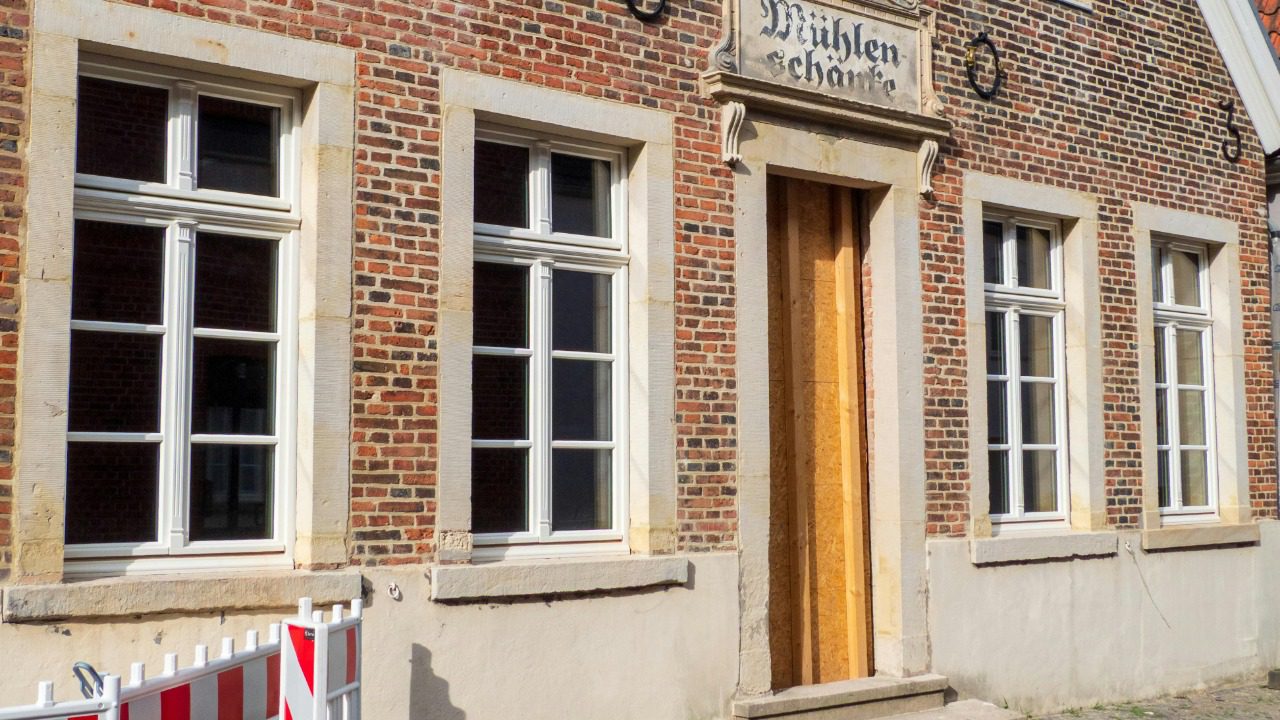
If you’ve ever sat near a drafty window in the winter, you know how much heat can escape through gaps and cracks. That’s why I made it a priority to seal my windows and doors. By adding weatherstripping and caulk, I was able to significantly reduce drafts and improve the energy efficiency of my home. The U.S. Department of Energy estimates that sealing air leaks can result in up to a 20% reduction in heating and cooling costs. Plus, it’s a relatively easy and inexpensive DIY project. I found plenty of helpful online tutorials that guided me through the process.
3. Install a Programmable Thermostat

A programmable thermostat can be a real game-changer when it comes to energy efficiency. It allows you to set your heating and cooling systems to automatically adjust based on your schedule, so you’re not wasting energy when you’re not home. I’ve set mine to lower the temperature when I’m at work and to start warming up the house shortly before I get home. According to Energy Star, a programmable thermostat can save you about $180 per year in energy costs. And beyond the savings, it’s also a great way to improve your home’s comfort. No more waking up to a chilly house in the winter or coming home to a sweltering one in the summer!
4. Unplug Electronics When Not in Use

This is a simple tip that can make a big difference. Even when they’re turned off, many electronics continue to draw power. This phenomenon is known as “phantom power” or “vampire power.” I’ve made it a habit to unplug my electronics when they’re not in use, especially chargers, which can draw power even when they’re not connected to a device. The Natural Resources Defense Council estimates that phantom power costs U.S. households $19 billion a year. That’s an average of $165 per household! So by unplugging your electronics, you’re not just saving energy—you’re also saving money.
5. Use Energy-Efficient Appliances
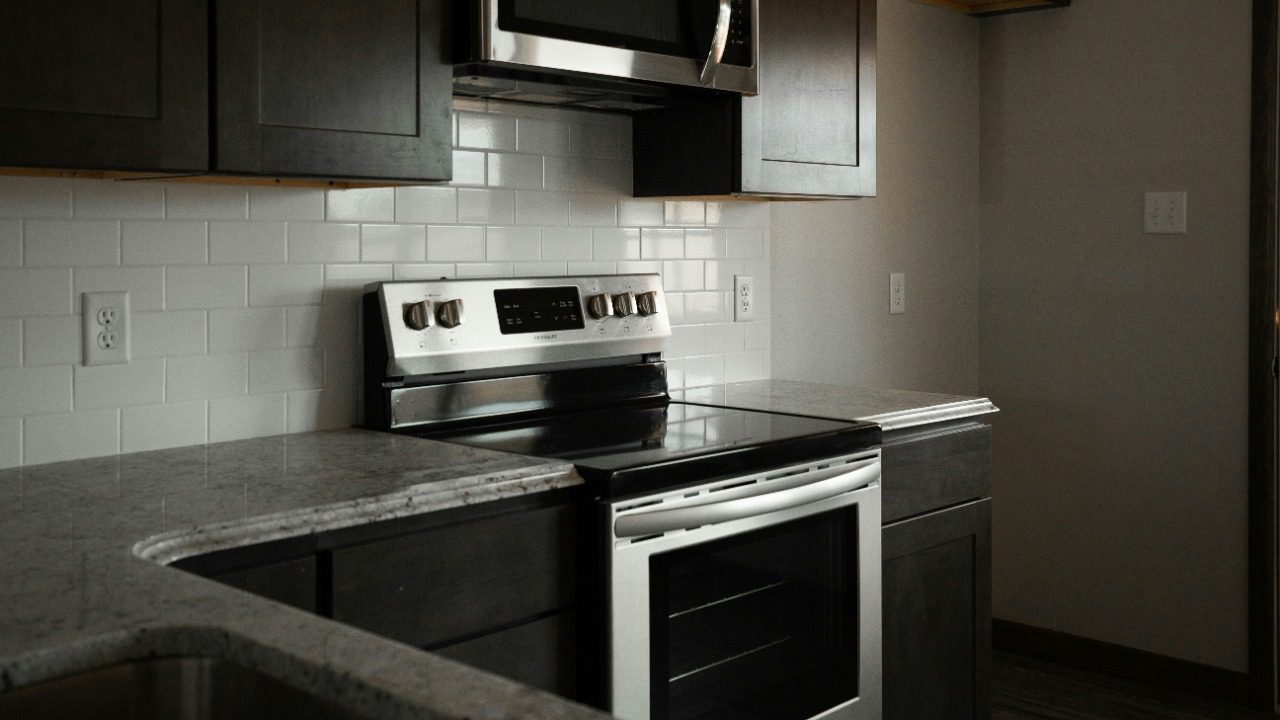
When it was time to replace my old appliances, I chose energy-efficient models. They may cost a bit more upfront, but they can save you a lot of money in the long run. For example, an Energy Star-certified refrigerator uses 15% less energy than a non-certified model. In addition to the energy savings, many utility companies offer rebates for purchasing energy-efficient appliances. And if you’re concerned about the higher upfront cost, consider this: the U.S. Department of Energy estimates that an energy-efficient refrigerator can save you over $270 in energy costs over its lifetime.
6. Insulate Your Home
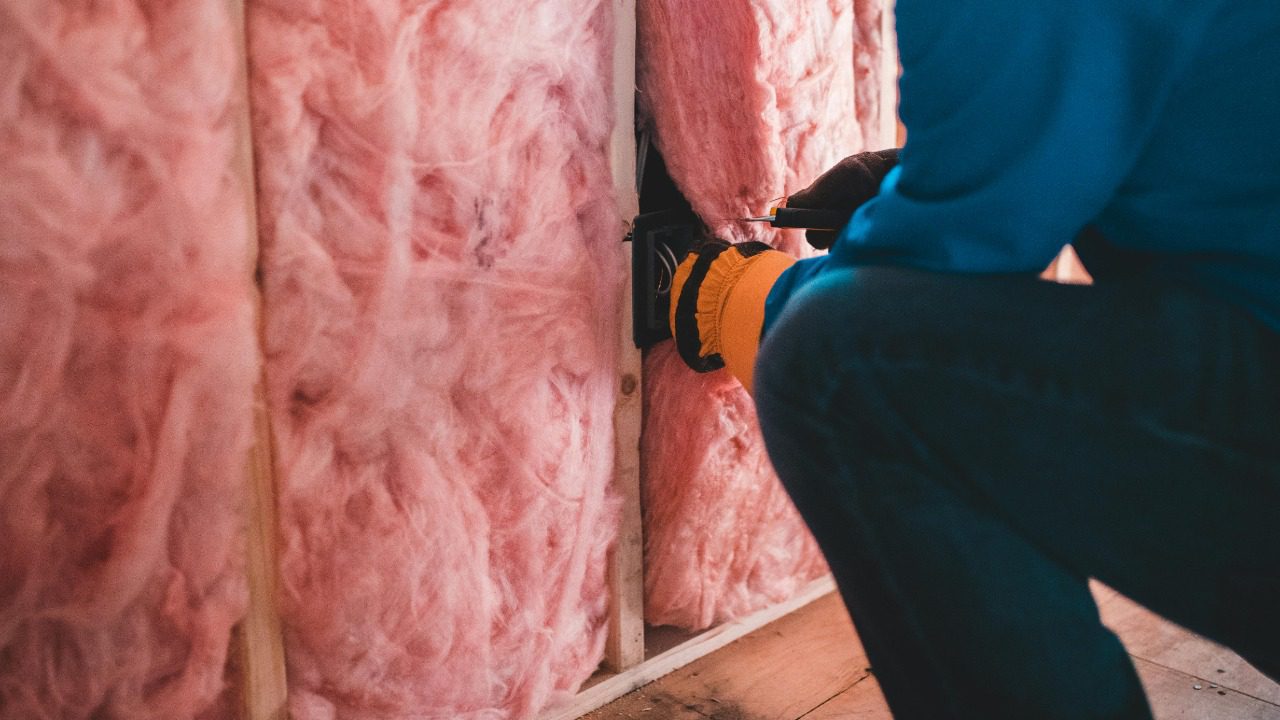
A well-insulated home is a more energy-efficient home. Insulation helps keep warm air in during the winter and out during the summer, reducing your need for heating and cooling. I had my home inspected for insulation needs and was surprised to find how much I could improve. According to the U.S. Department of Energy, you can save up to 10% on your annual energy bill by sealing and insulating your home. And while it can be a bit of an investment, the cost can often be recouped in energy savings within a few years.
7. Plant Trees for Shade

Planting trees isn’t just good for the environment—it can also make your home more energy efficient. By strategically planting trees to shade your home, you can reduce your cooling costs in the summer. I’ve planted several trees around my home, and I’ve noticed a significant difference in how much I use my air conditioner. According to the U.S. Department of Energy, properly positioned trees can save up to 25% of a typical household’s energy for heating and cooling. Plus, trees add beauty and value to your property, so it’s a win-win situation!
8. Install Solar Panels
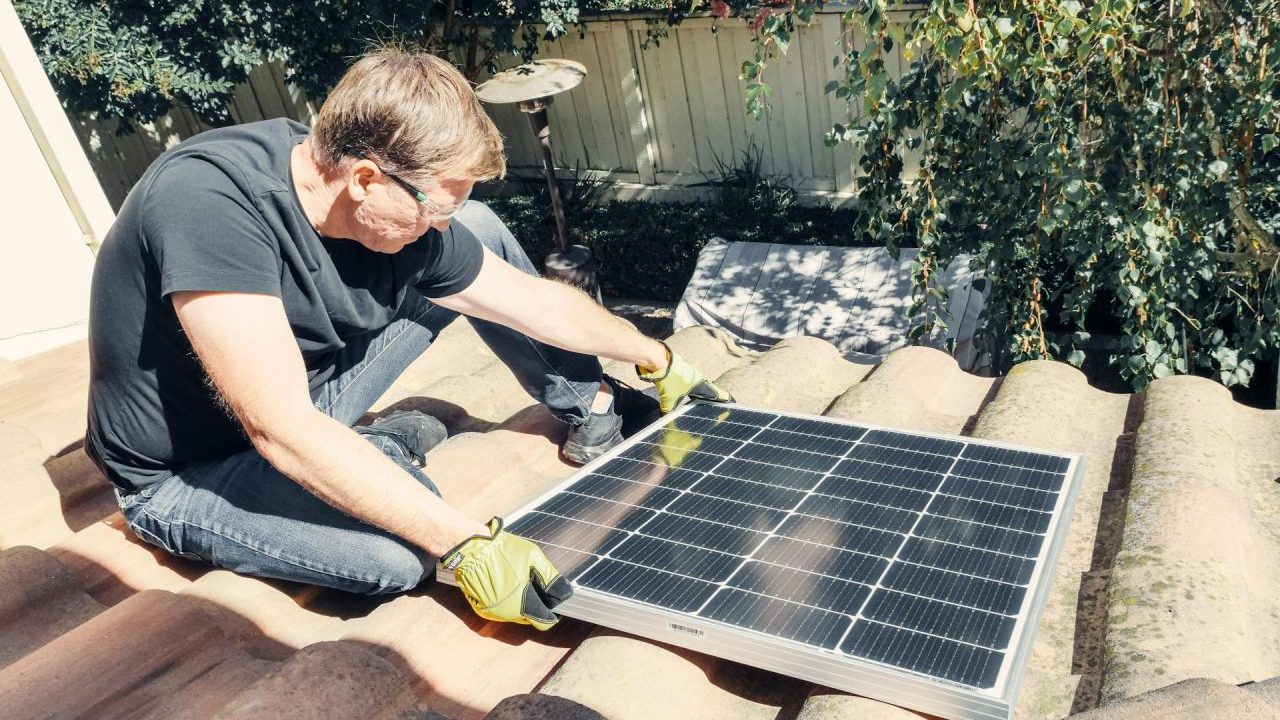
Solar panels are a big investment, but they can also provide significant energy savings. I installed solar panels on my roof a few years ago, and they’ve drastically reduced my reliance on the grid. Plus, in some areas, you can sell excess energy back to the utility company, which can offset the cost of the panels. The cost of solar panels has dropped significantly in recent years, making them more accessible for homeowners. And with federal and state incentives, the payback period can be much shorter than you might think.
9. Use a Power Strip for Electronics
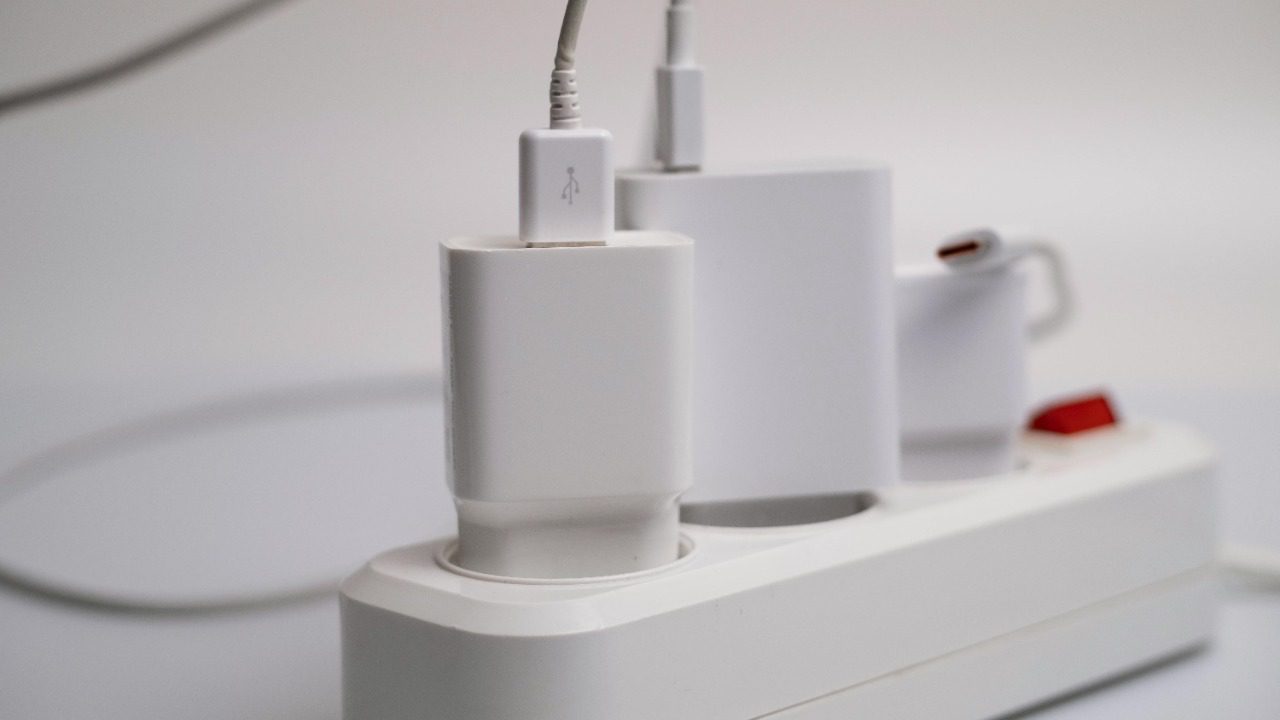
Using a power strip for your electronics is another easy way to save energy. Many power strips come with a switch that allows you to completely cut off power to your devices, eliminating phantom power. I use one for my entertainment system, which includes several devices that draw power even when they’re not in use. By simply flipping the switch on the power strip when I’m not using these devices, I’ve been able to reduce my energy consumption. It’s a simple habit that can add up to significant savings over time.
10. Install Low-Flow Fixtures
Water heating accounts for about 18% of the energy consumed in your home, according to Energy.gov. Installing low-flow fixtures, like

and faucets, can reduce the amount of hot water you use, and thus the amount of energy needed to heat it. I’ve installed these in my bathrooms and kitchen and have noticed a decrease in my water heating costs. Beyond the energy savings, low-flow fixtures also help conserve water, making them a great choice for the environment. And with many stylish options available, you don’t have to sacrifice aesthetics for efficiency.
11. Hang Clothes to Dry

Dryers are one of the most energy-intensive appliances in the home. That’s why I’ve started hanging my clothes to dry whenever possible. It may take a bit more time, but the energy savings make it worth it. Plus, air-drying is gentler on clothes, so they’ll last longer. If you don’t have outdoor space for a clothesline, consider using a drying rack indoors. It’s a small change that can make a big difference in your energy consumption.
12. Use Natural Light

Lastly, I try to use natural light whenever possible. Instead of turning on lights during the day, I open my blinds and let the sunlight in. Not only does this save energy, but it also creates a more pleasant and natural atmosphere in my home. If your home doesn’t get a lot of natural light, consider installing skylights or solar tubes. They can significantly increase the amount of natural light in your home, reducing your need for artificial lighting. Making your home more energy efficient doesn’t have to be a daunting task. With these simple tips, you can reduce your energy consumption, save money, and help protect the environment. So why not give them a try?