


Creating a beautiful yard is a labor of love. It’s not just about planting flowers and setting up a few garden gnomes. The real challenge is maintaining that beauty while keeping unwanted pests at bay.
In fact, certain features in your yard might actually be attracting pests. Let’s take a look at what these features might be and how we can alter them to keep the critters away.
1. Standing Water: A Breeding Ground for Mosquitos

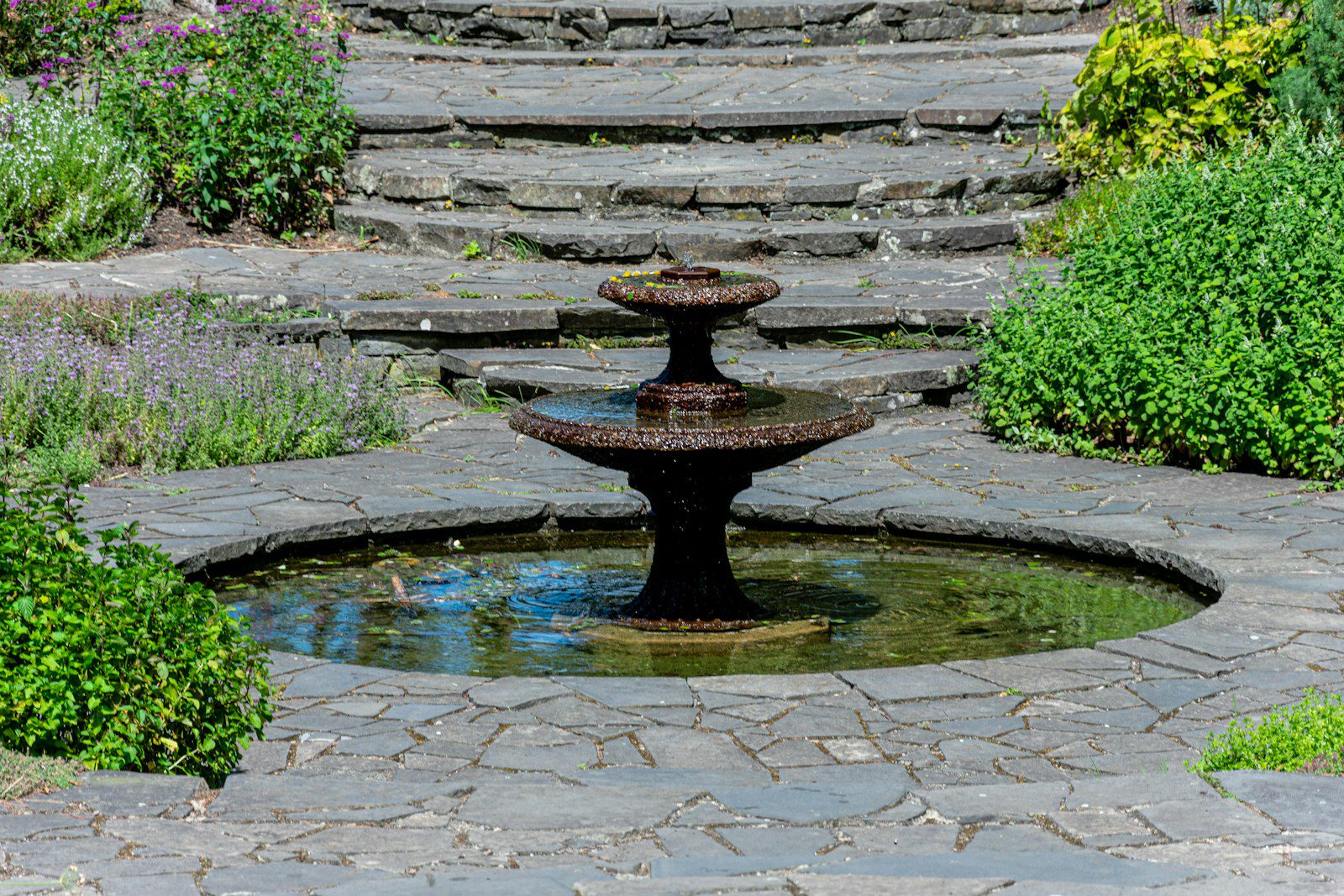
Standing water is like a five-star hotel for mosquitoes. It’s where they lay their eggs and breed. It’s not only puddles you need to worry about, even a small amount of water in a discarded can or bottle cap can attract mosquitoes. Proper drainage is important to prevent water from pooling in your yard.
But it’s not just about drainage. Regularly checking and emptying any containers that might collect water, like bird baths or flower pots, can also help to keep mosquito populations down.
2. Overgrown Vegetation: Shelter for Rodents

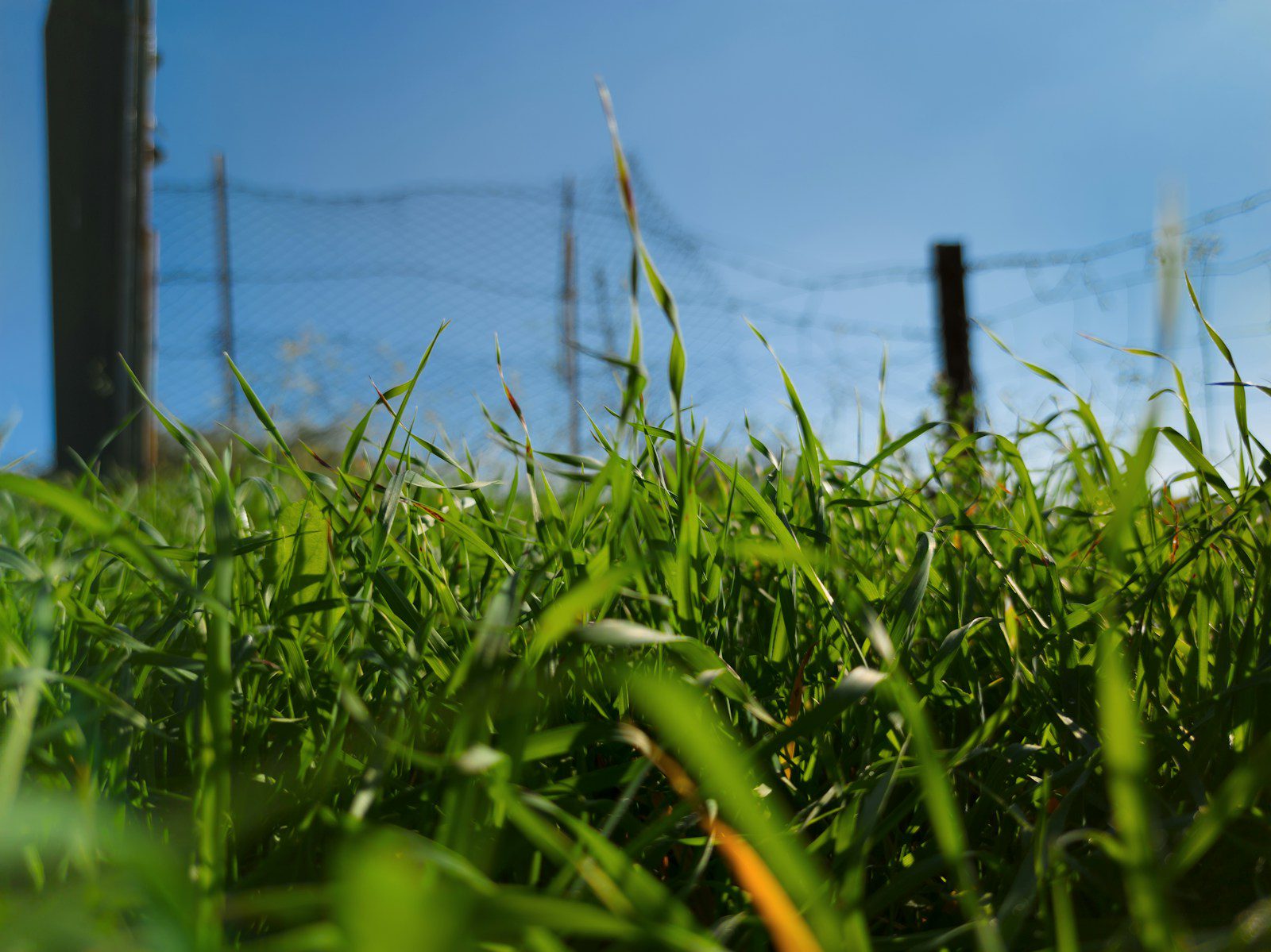
If your yard is starting to look like a jungle, it might be time for a trim. Overgrown vegetation provides ample hiding spots for rodents. Rats and mice, in particular, love to nest in dense foliage, away from predators.
Regularly trimming your vegetation and keeping your lawn mowed can significantly reduce your yard’s attractiveness to these pests. And remember, rodents can also be attracted to compost piles, so be sure to keep those well-contained and away from your home.
3. Wood Piles: An Invitation for Termites
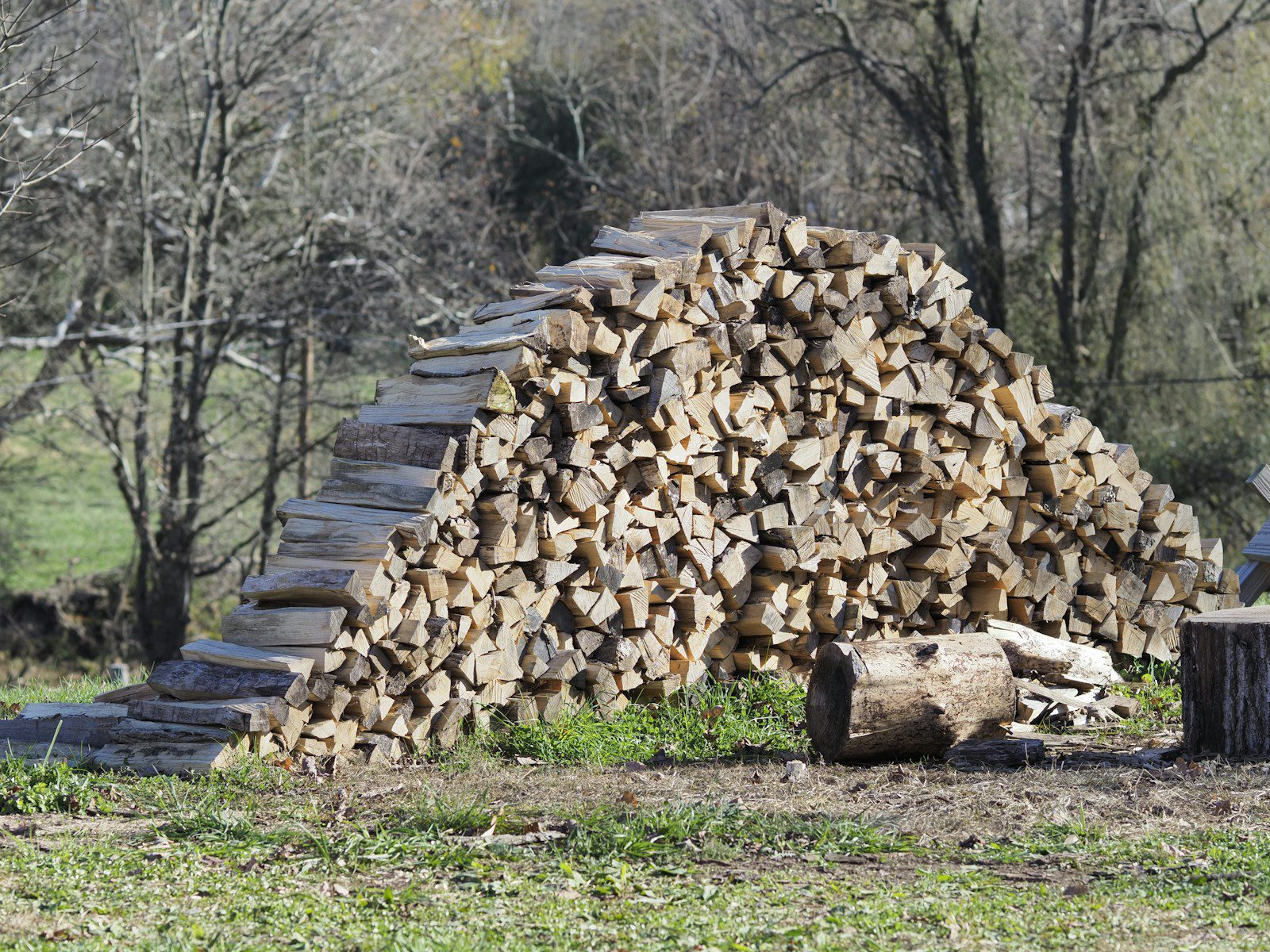
Got a pile of firewood stacked up against your house? You might as well put out a welcome mat for termites. These destructive pests are drawn to damp, decaying wood. It’s like a buffet for them.
The best way to prevent a termite infestation is to keep any firewood or other wood debris well away from your home. Ideally, store wood in a dry, raised structure at least 20 feet from your house.
4. Fruit and Nut Trees: Attracting Various Insects
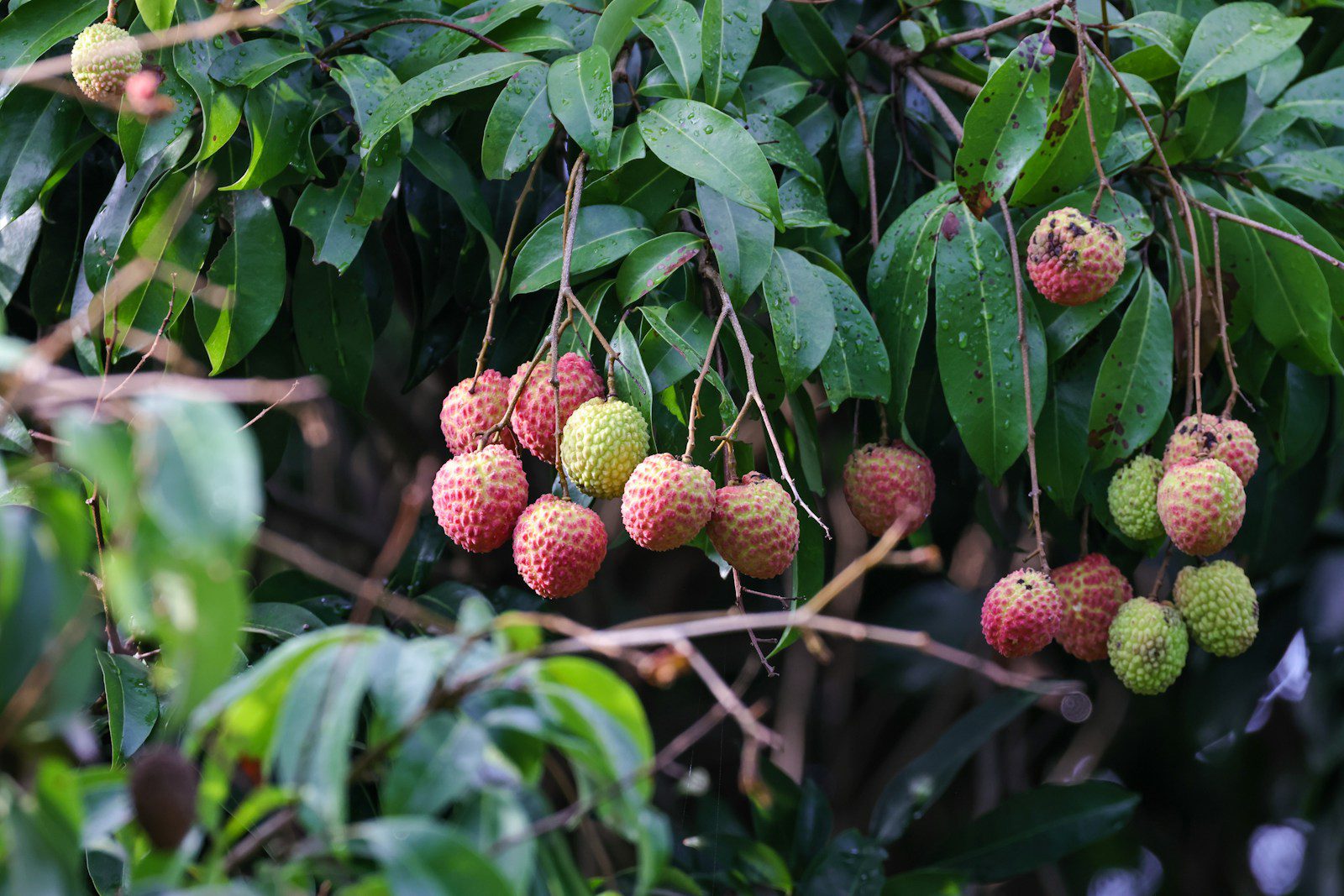
Fruit and nut trees are a great addition to any yard, but they can also be a magnet for insects. Aphids, beetles, and caterpillars are just a few of the pests that are drawn to these types of trees.
Regular pruning and the use of appropriate pest control measures can help to keep these pests at bay. Also, don’t let fallen fruit rot on the ground. This not only attracts pests but can also lead to disease in your trees.
5. Pet Food Left Outside: A Buffet for Pests
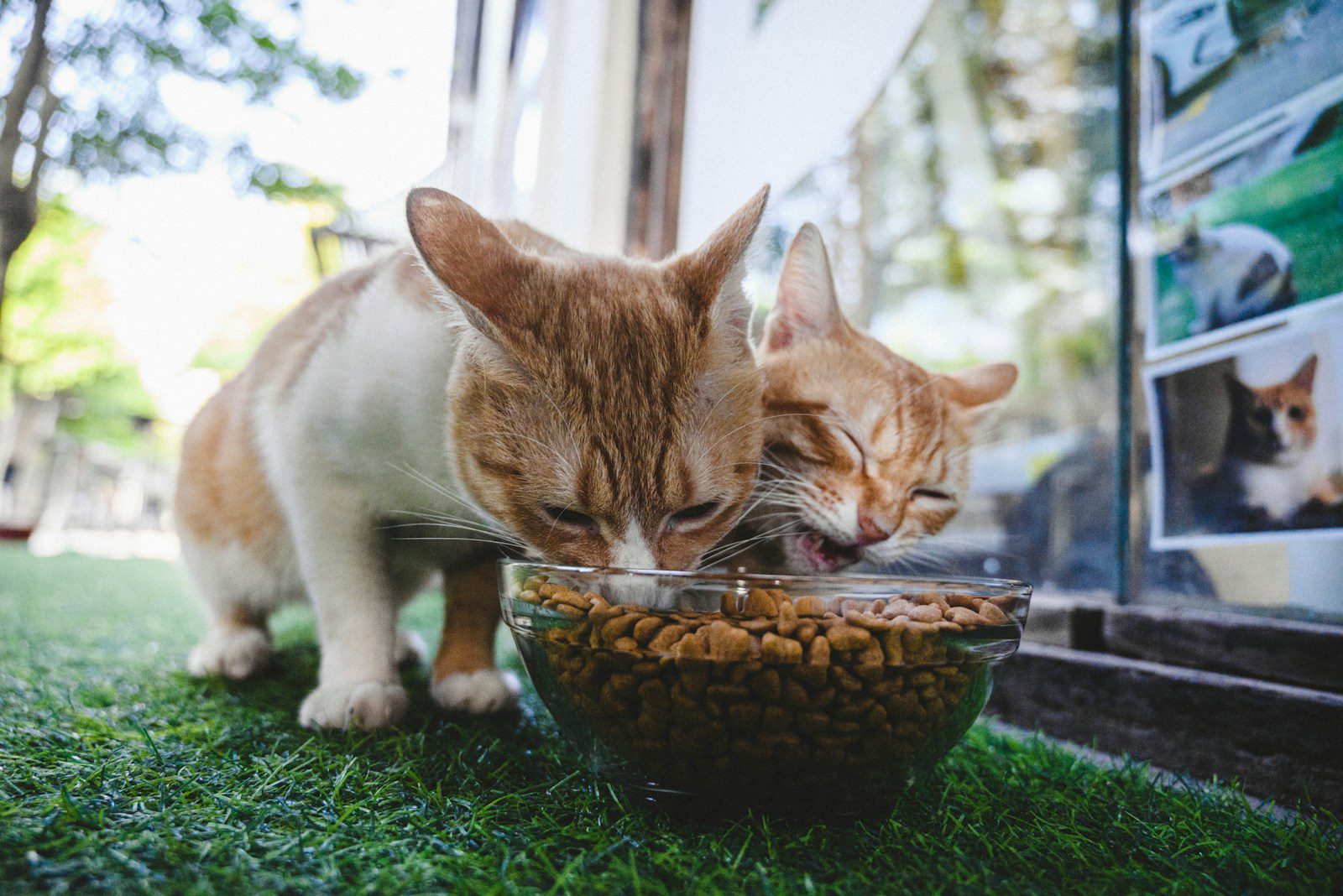
Leaving pet food outside might seem like a convenient solution for feeding your furry friends, but it’s also a surefire way to attract pests. Everything from ants to raccoons are drawn to the easy meal.
Try to feed your pets indoors or, if that’s not possible, make sure to remove any uneaten food as soon as your pet is done eating. Keeping your yard clean of pet waste can also help to deter pests.
6. Unsealed Bins: An Easy Meal for Wildlife

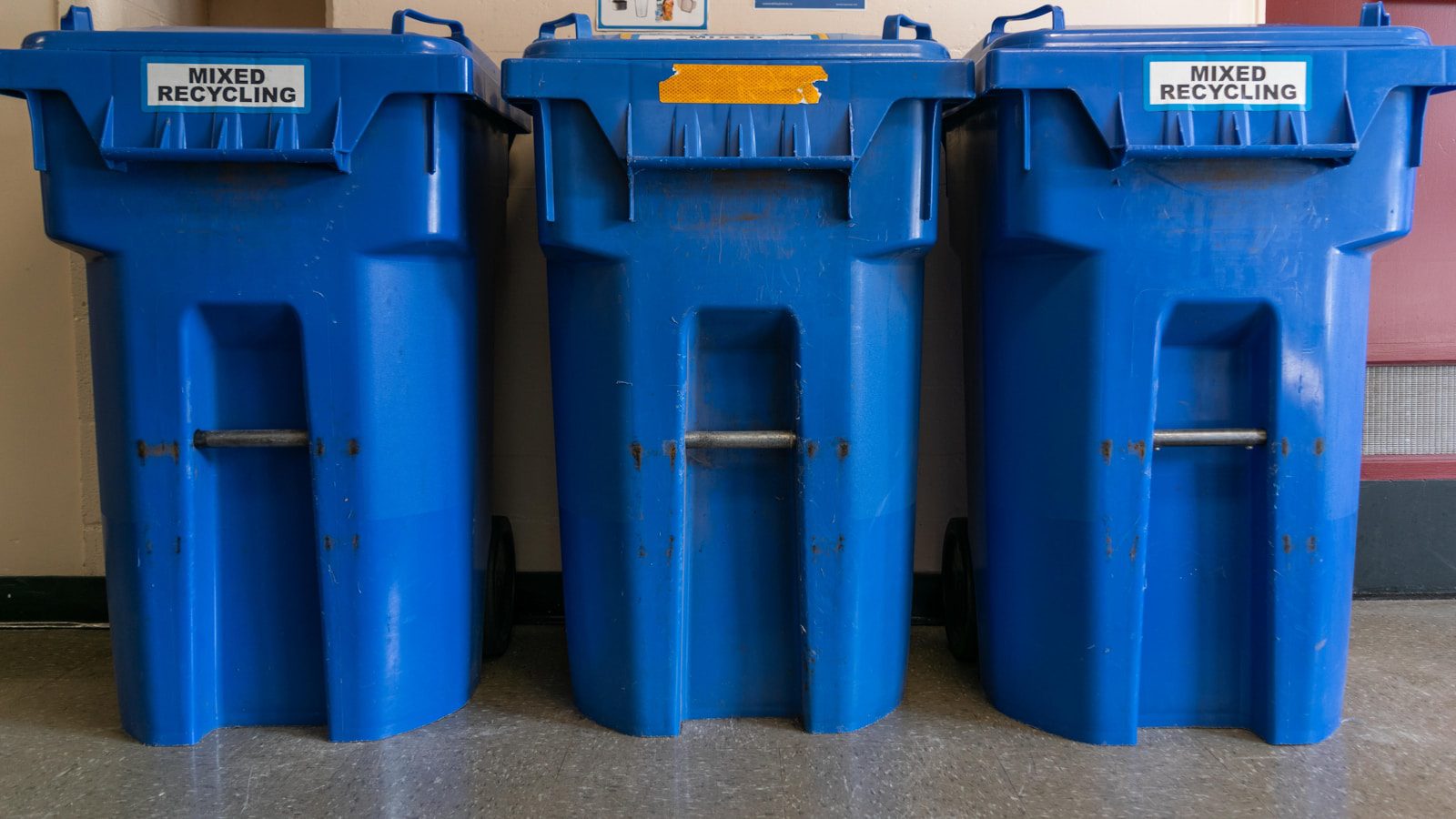
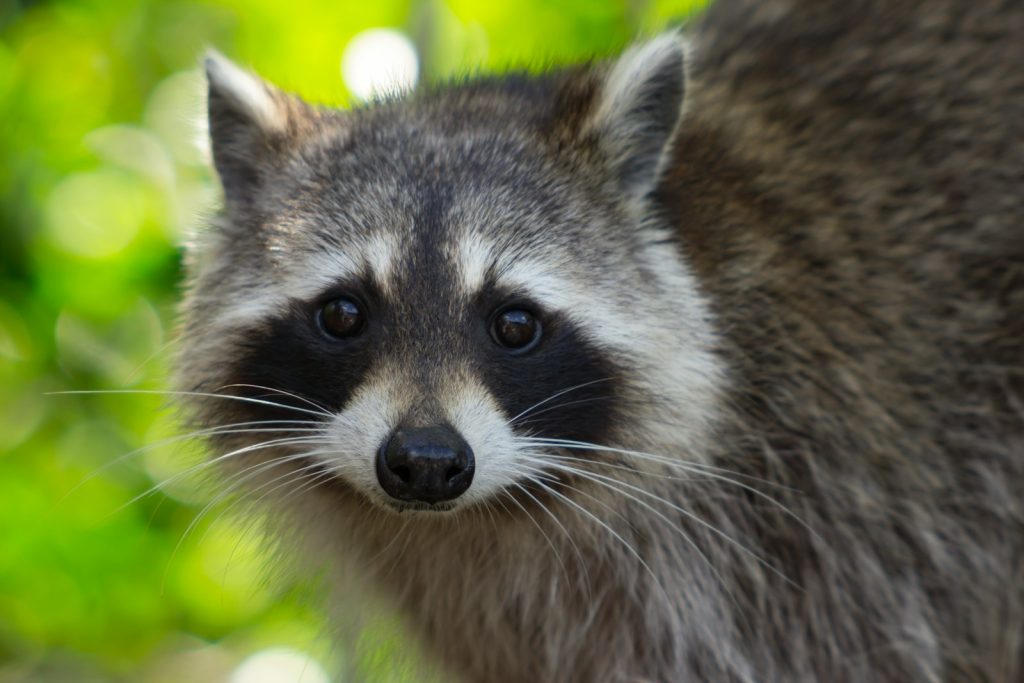
Garbage bins that are not properly sealed are like an all-you-can-eat buffet for wildlife. Raccoons, in particular, are notorious for getting into trash cans and making a mess.
Invest in a sturdy bin with a locking lid to keep these pests away. Also, make sure to regularly clean your bins to prevent any lingering smells that might attract wildlife.
7. Thick Mulch: The Perfect Home for Pests
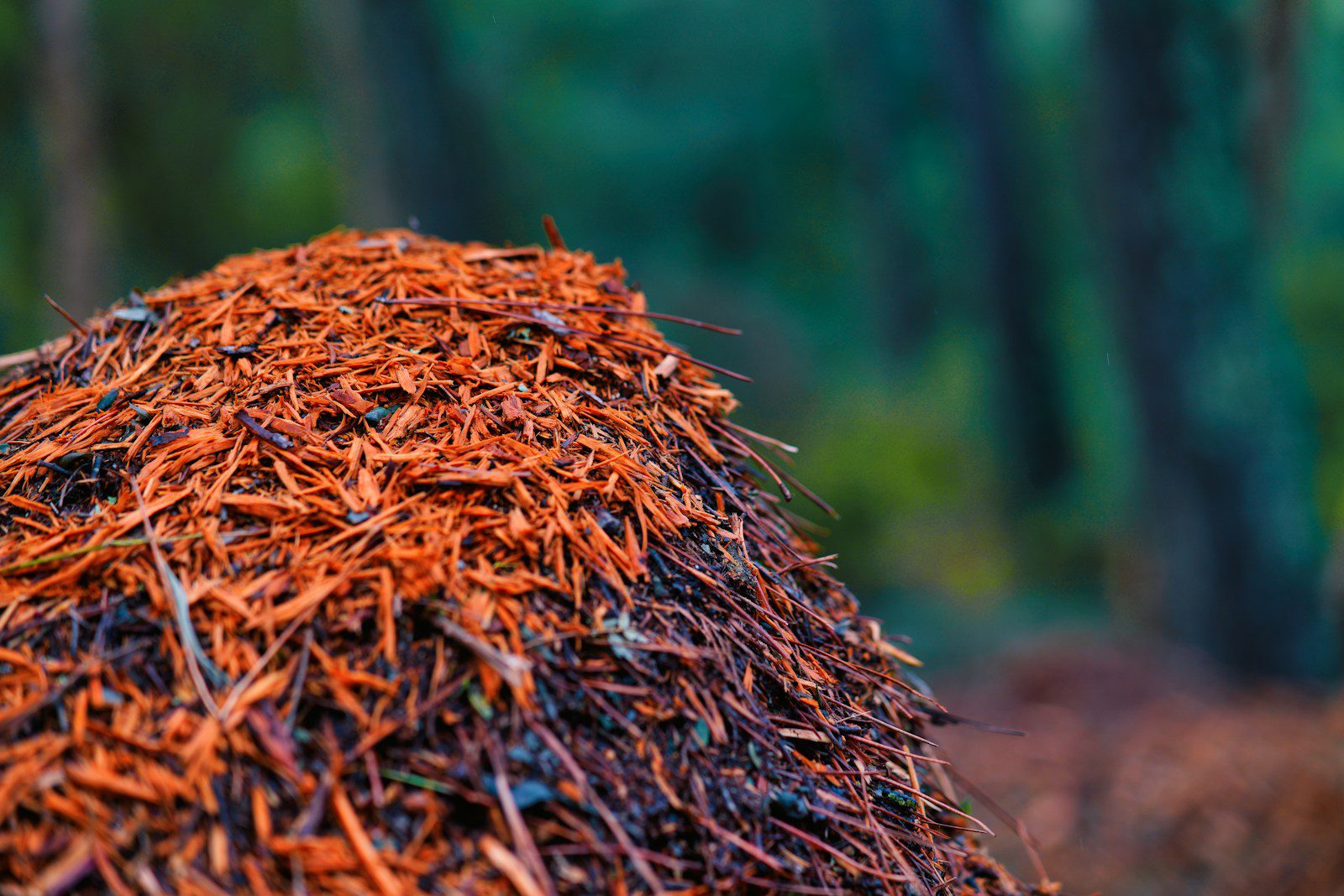
Mulch is great for your plants, but too much of it can create a cozy home for pests. Termites, ants, and even roaches can nest in thick layers of mulch, particularly if it’s damp.
Try to keep your mulch layer no more than two inches thick. Also, avoid piling mulch against the foundation of your house, as this can provide a convenient pathway for pests to get inside.
8. Bird Feeders: Attracting More Than Just Birds

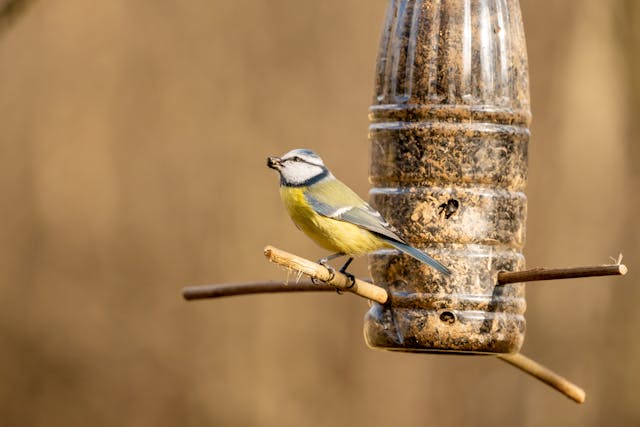
Bird feeders can bring a delightful array of avian visitors to your yard, but they can also attract pests. Squirrels, rats, and even bears can be drawn to the easy meal.
Choose a feeder design that is difficult for pests to access, and make sure to clean up any spilled seed promptly. Also, consider using a baffle or other deterrent to keep squirrels from climbing up to the feeder.
9. Cracks in Walls and Foundations: Entry Points for Insects
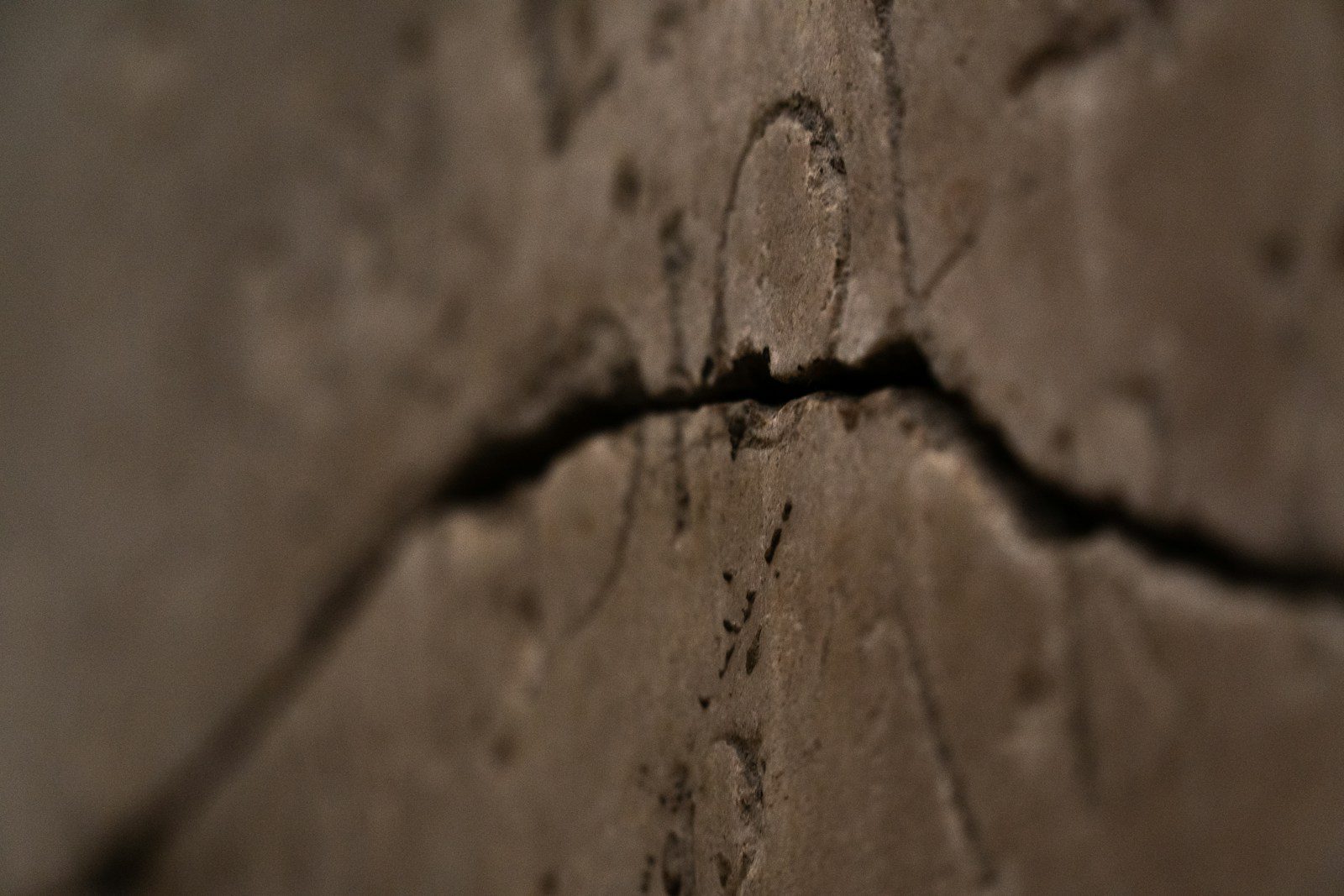
Cracks in your home’s walls or foundation aren’t just an eyesore, they’re also an open invitation for insects. Ants, beetles, and other pests can use these cracks to gain entry into your home.
Regularly inspect your home for any cracks and seal them promptly. This can not only help to prevent pest infestations but can also improve your home’s energy efficiency.
10. Unmaintained Swimming Pools: A Haven for Mosquitoes
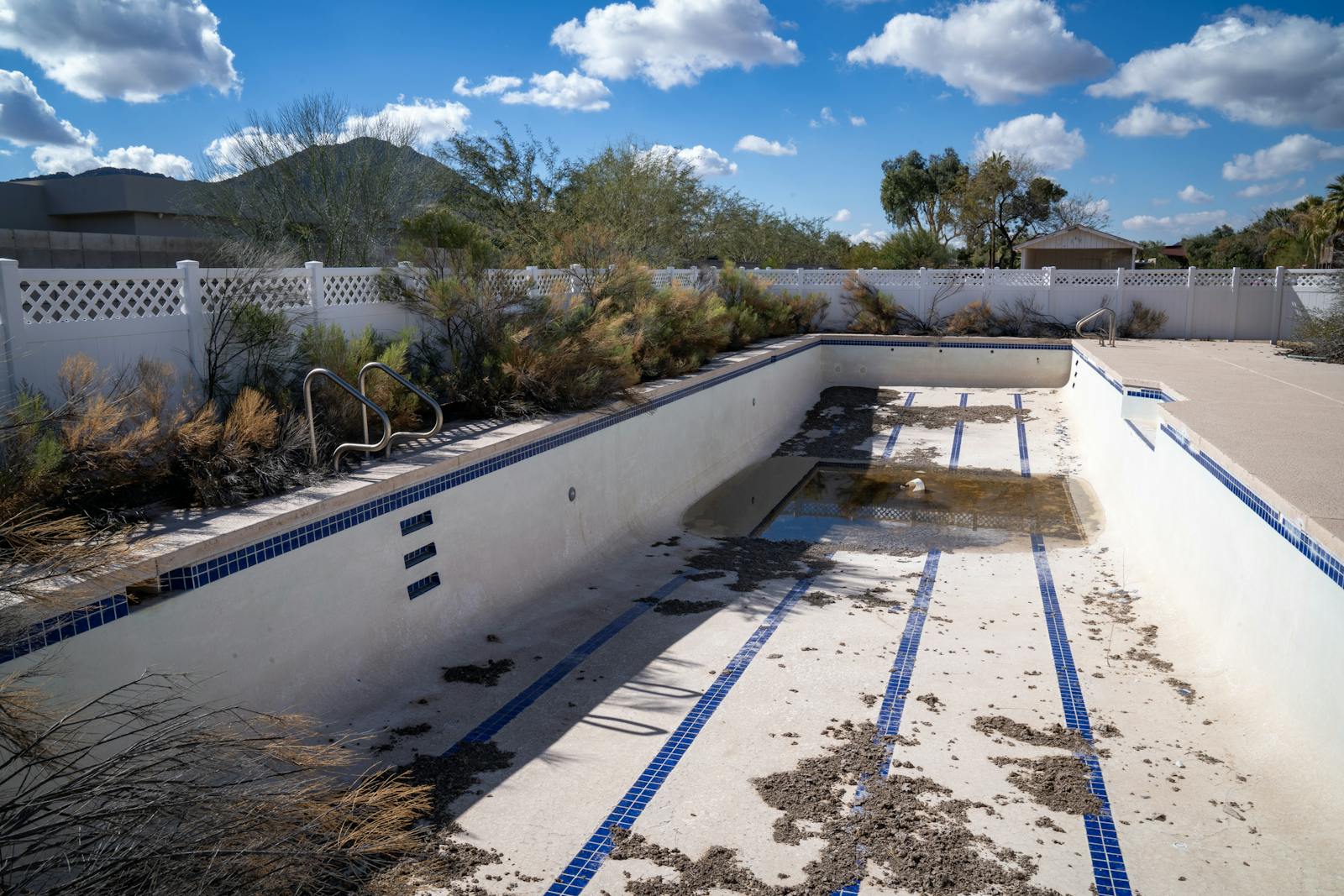
A swimming pool can be a wonderful addition to any yard, but if it’s not properly maintained, it can quickly become a breeding ground for mosquitoes. These pests are drawn to the stagnant water.
Regular pool maintenance, including keeping the water properly chlorinated and the pool cover free of standing water, can help to prevent this. If you’re not using your pool, consider draining it or using a mosquito dunk to kill any larvae.
11. Flowering Plants: A Magnet for Bees and Wasps
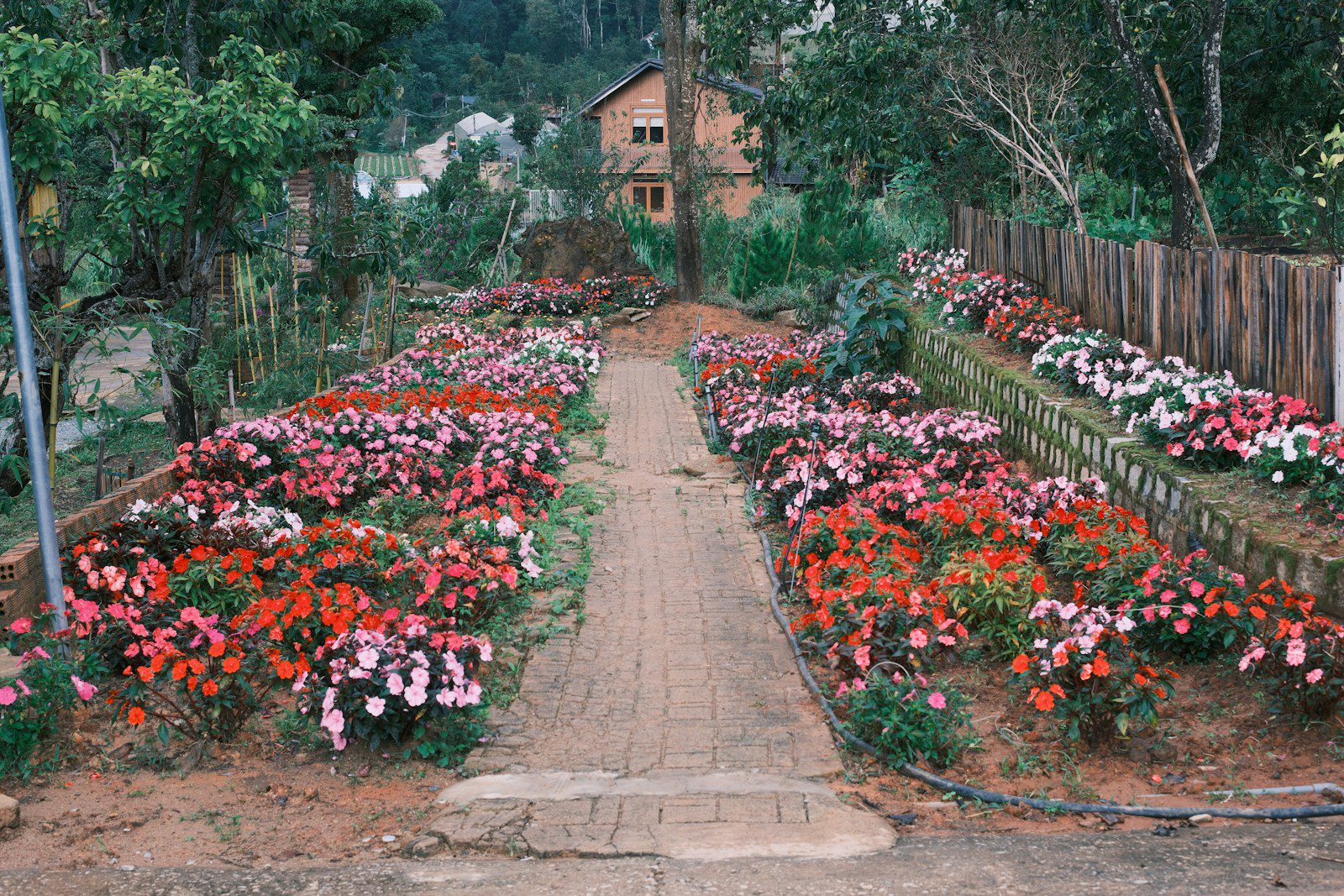
Flowering plants can add a splash of color to your yard, but they can also attract bees and wasps. While these insects are important pollinators, they can also be a nuisance, particularly if they decide to build a nest in your yard.
Choose plants that are less attractive to bees and wasps, and make sure to regularly check your yard for any signs of nests.
12. Uncleaned Grills: Attracting Flies and Other Pests
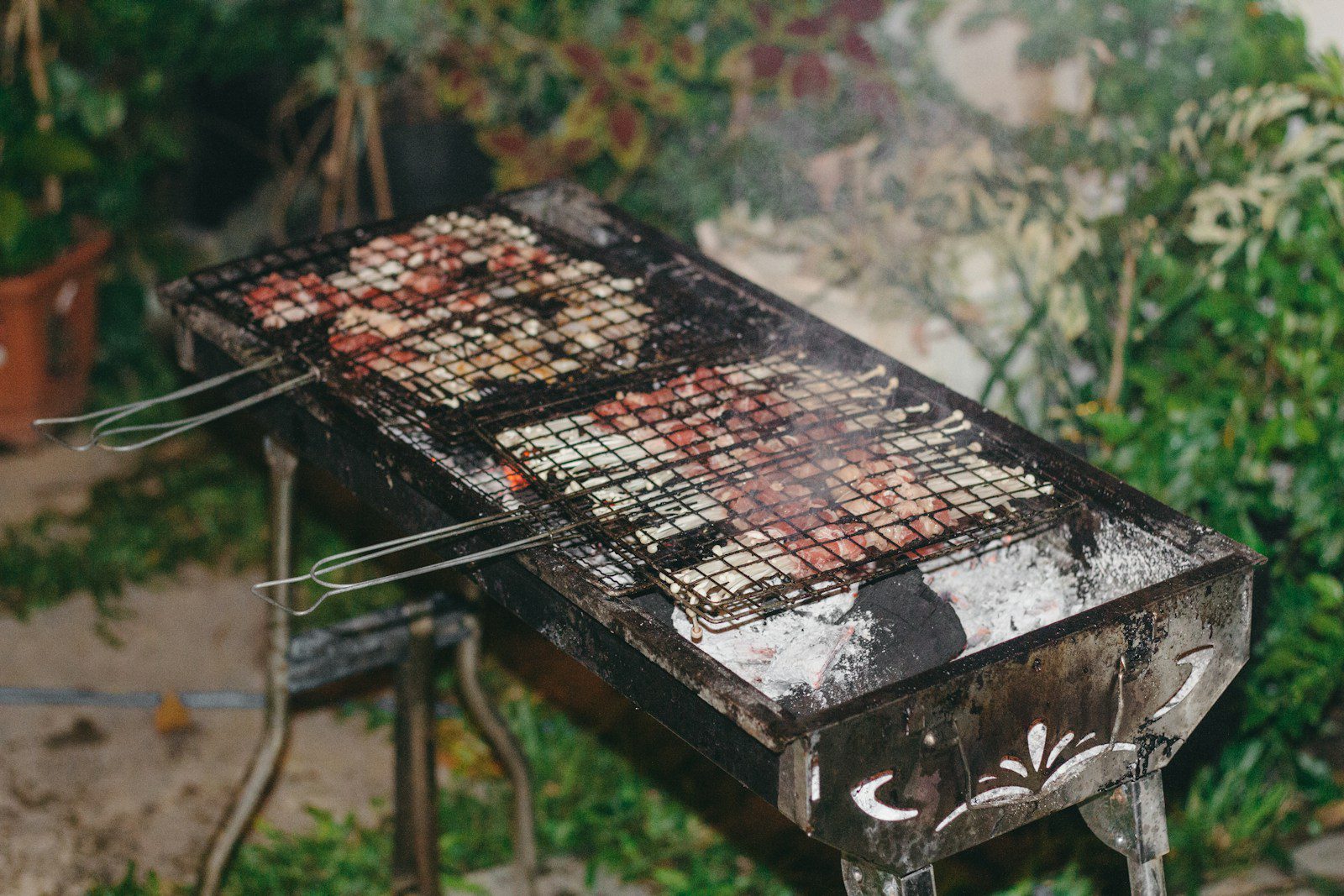
There’s nothing quite like a barbecue on a warm summer evening, but if you’re not careful, your grill can become a magnet for flies and other pests. The smell of cooking meat and the residue left on the grill can be very enticing to these pests.
Make sure to clean your grill thoroughly after each use. Not only will this help to keep pests away, but it can also improve the taste of your food and prolong the life of your grill.