



When it comes to our monthly energy bills, it’s not just the lights that are adding up. Many of our everyday appliances contribute a significant amount to our energy costs, and you might be surprised to learn which ones are the biggest culprits.
From our central air conditioners to our washing machines, let’s take a closer look at some of the most energy-consuming appliances in our homes.
The Central Air Conditioner

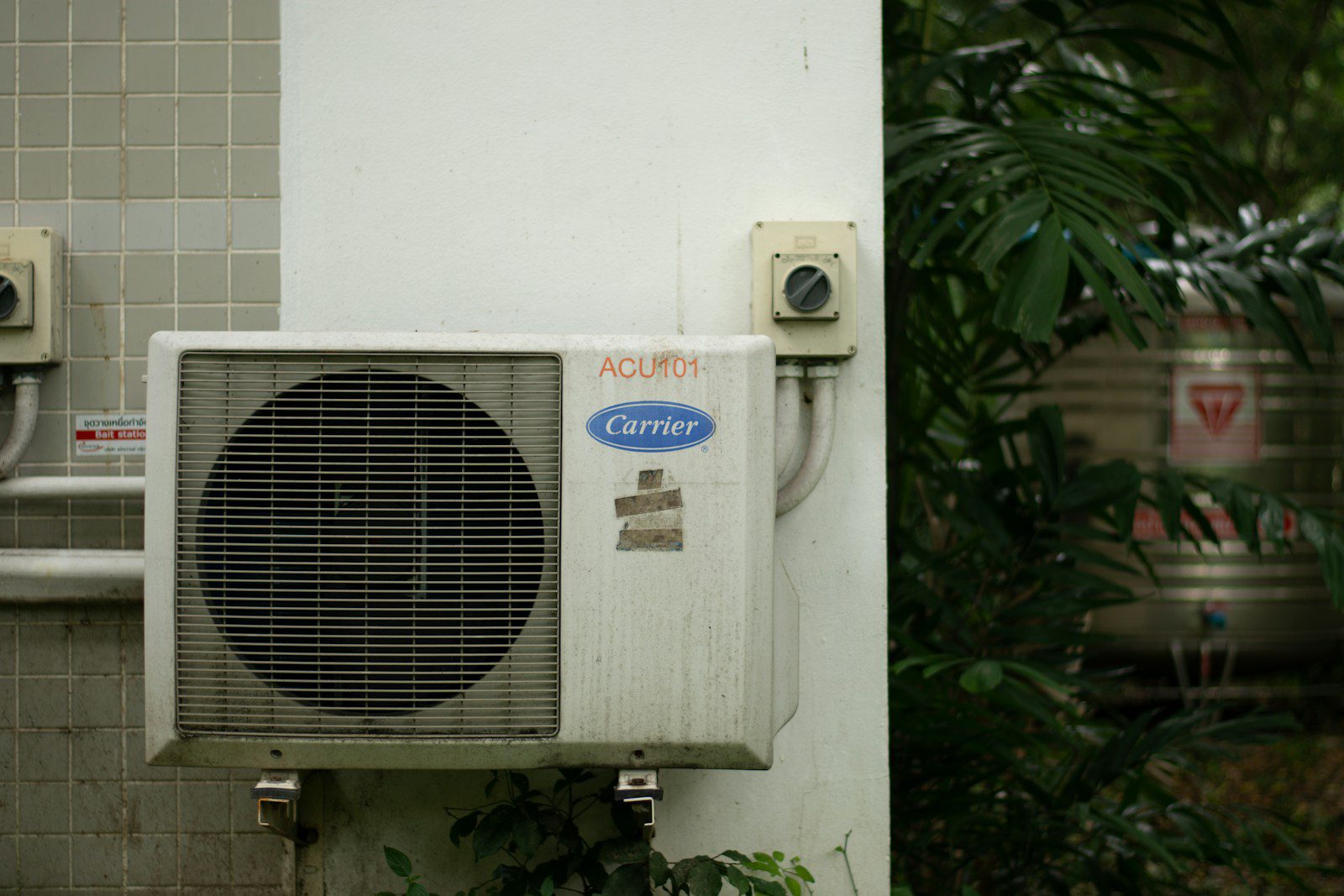
Despite being a lifesaver during those sweltering summer months, the central air conditioner is a massive contributor to your energy bill. According to Burlington Hydro, it can use anywhere from 900 to 3,500 watts. This can add up quickly, especially if you live in a climate where air conditioning is a necessity for several months out of the year.
Energy-saving tips for your air conditioner include regularly replacing your filters and scheduling yearly maintenance checks to ensure it’s running efficiently. Moreover, using a programmable thermostat can help reduce costs by adjusting the temperature when you’re not at home.
The Refrigerator

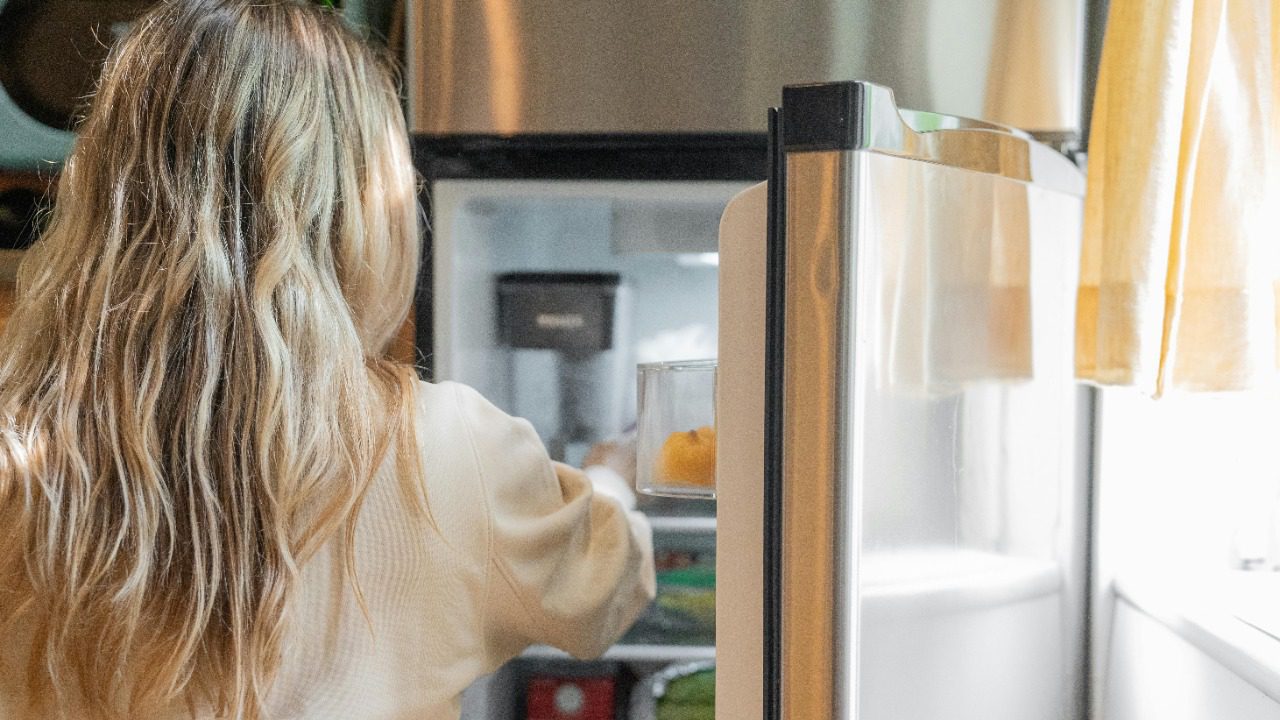
Your refrigerator is another major contributor to your energy bill. It’s an essential appliance, but it’s constantly running, consuming around 100 to 800 watts on average. Older models can be particularly energy-draining, so it might be worth considering an upgrade if your fridge is more than ten years old.
Regular maintenance can help improve its efficiency. This includes cleaning the coils at the back of the fridge and ensuring the door seals are in good condition. Also, try to avoid keeping your fridge or freezer too cold – a few degrees can make a significant difference to your energy usage.
The Water Heater


The water heater is often overlooked when it comes to energy consumption, but it can be a significant contributor to your monthly bills. According to research published in ScienceDirect, a water heater can use up to 4,000 watts of energy.
Try to minimize its usage by taking shorter showers and using cold water for washing clothes. Investing in an energy-efficient model can also reduce your energy consumption significantly.
The Clothes Dryer
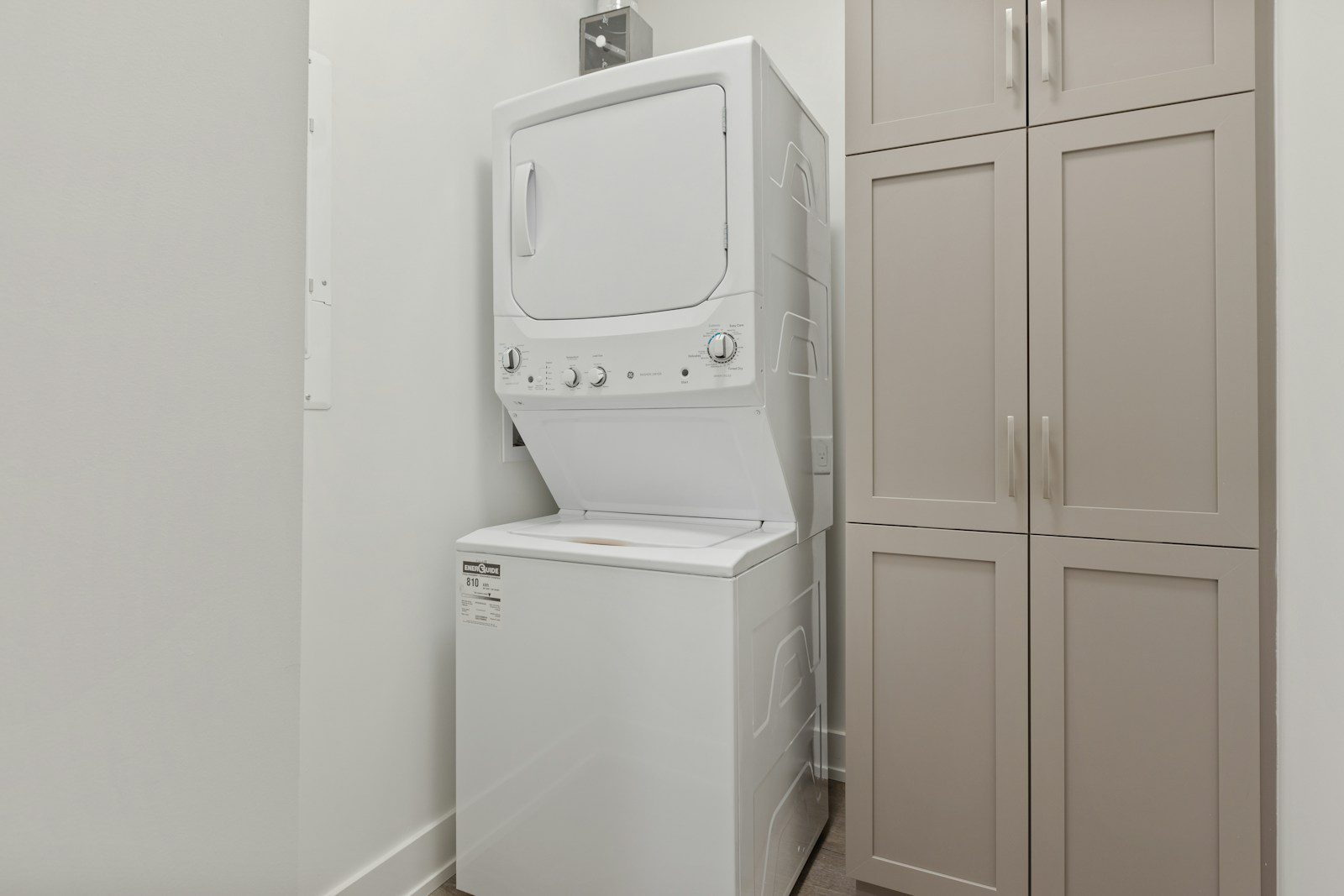
While the clothes dryer is a convenient appliance, it’s not kind to your energy bills. It can use anywhere from 1,800 to 5,000 watts. While air drying is the most energy-efficient solution, it’s not always practical.
However, you can reduce your dryer’s energy usage by cleaning the lint filter after every use and drying full loads rather than several smaller ones. Also, consider using a lower heat setting – it might take a bit longer, but it uses less energy.
The Dishwasher
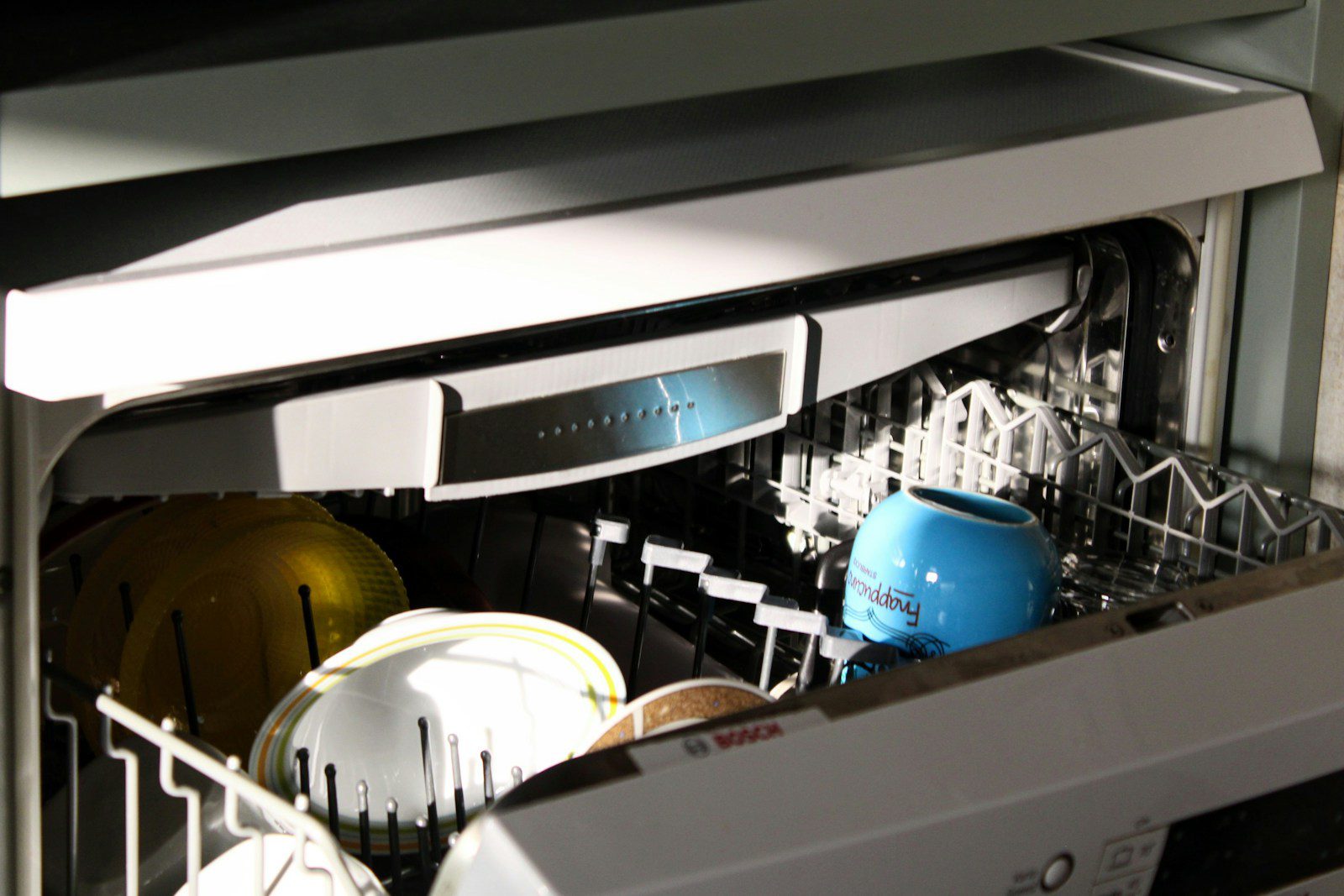
There’s no denying the convenience of a dishwasher, but it can add a significant amount to your energy bill. It uses around 1,200 to 2,400 watts of energy per cycle. However, it’s worth noting that washing dishes by hand can sometimes use more hot water and therefore more energy.
To minimize your dishwasher’s energy use, only run it when it’s fully loaded and avoid using the heat-dry setting. Also, regular maintenance, like cleaning the filter, can help it run more efficiently.
The Oven
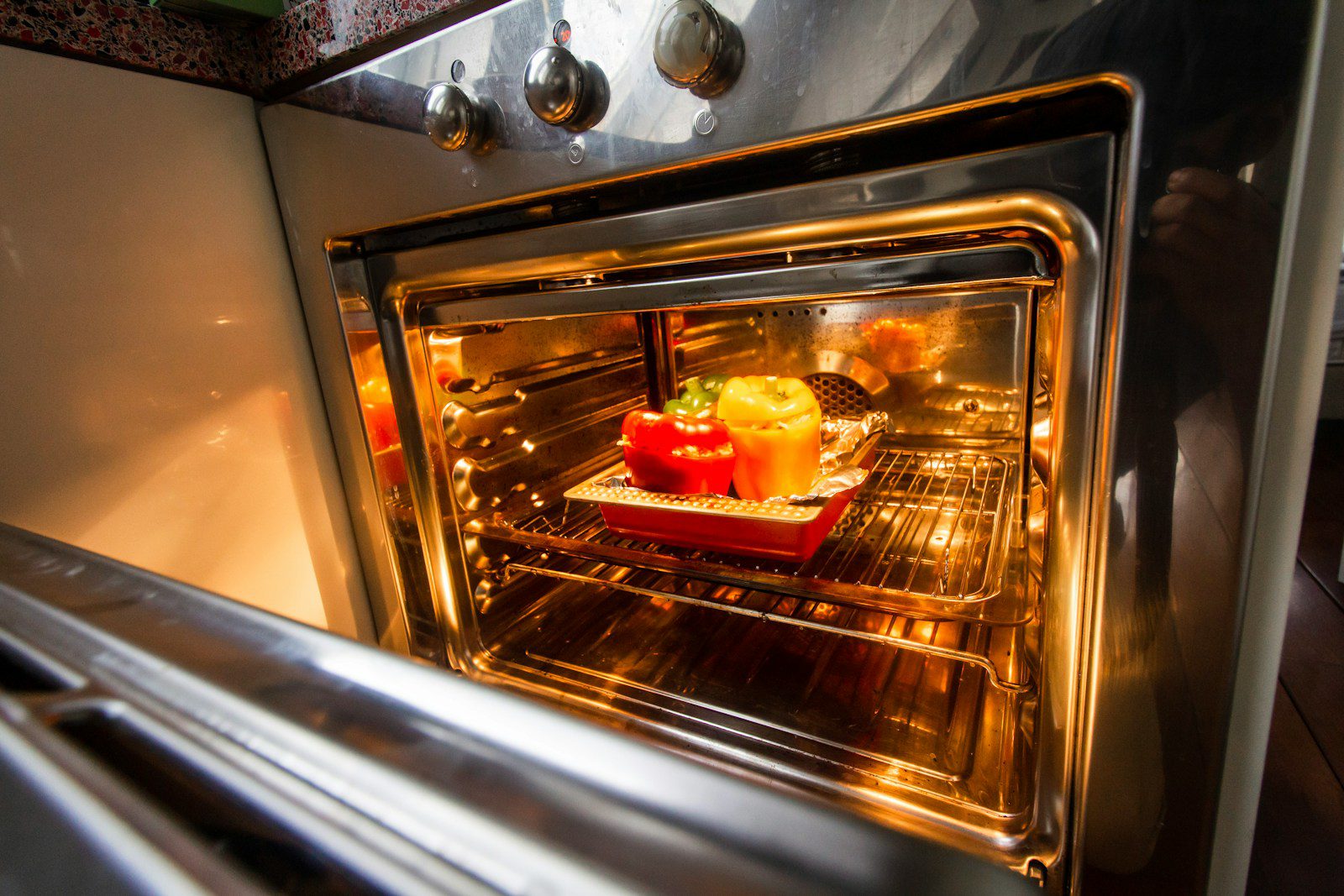
The oven is another big energy guzzler, using anywhere from 1,000 to 5,000 watts. However, the actual energy consumption depends on several factors, including the type of oven (gas or electric), its size, and how often you use it.
One way to reduce your oven’s energy usage is to keep the oven door closed as much as possible – every time you open it, you’re letting out heat and making it work harder. Also, try to cook multiple items at once and use a toaster oven or microwave for smaller meals.
The Electric Furnace
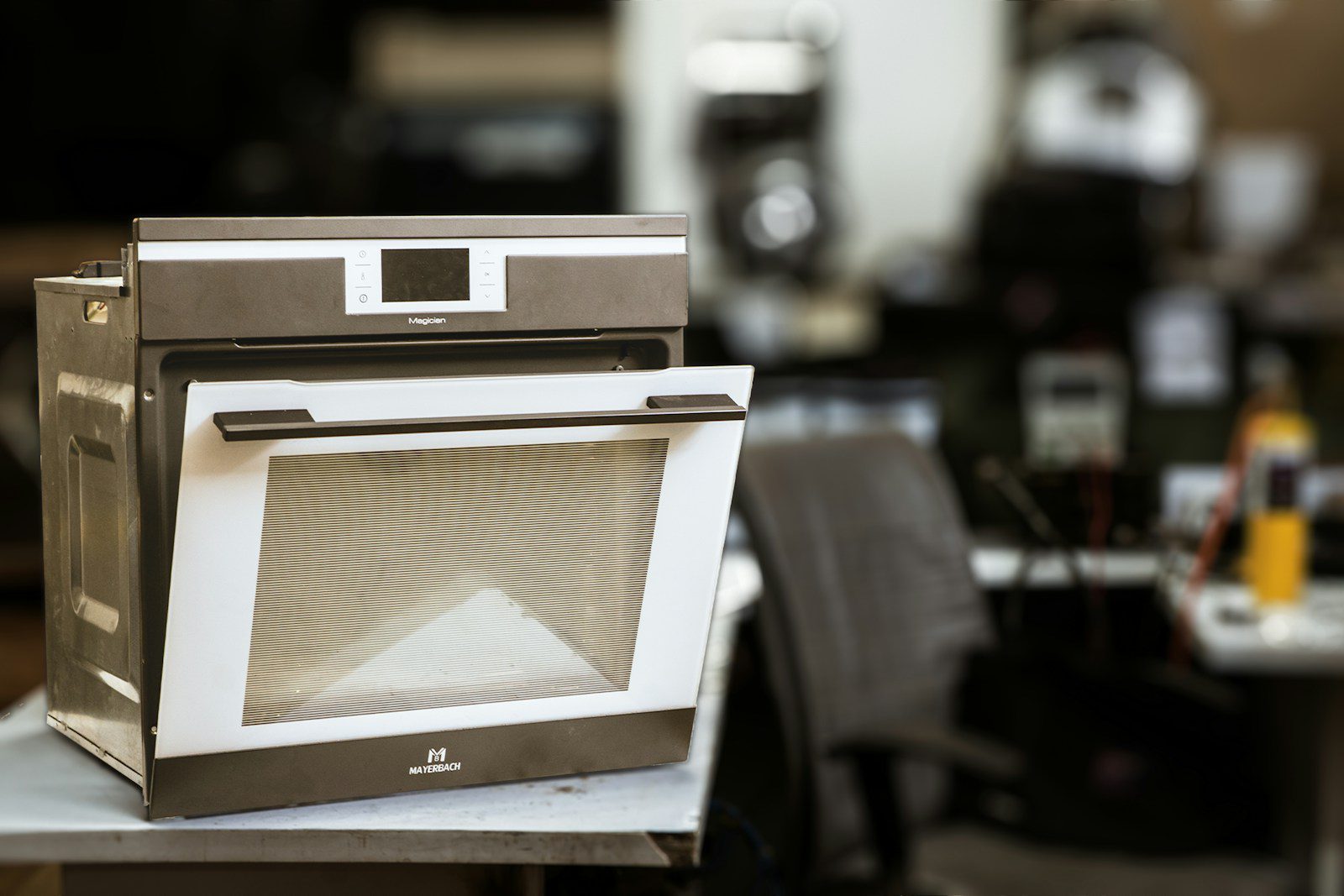
During those chilly months, your electric furnace can be a major contributor to your energy bill. Depending on its size and efficiency, an electric furnace can use between 10,000 and 50,000 watts. This can add a hefty amount to your energy costs, especially during a cold winter.
Regular maintenance can help your furnace run more efficiently, reducing its energy usage. Also, using a programmable thermostat and insulating your home can help lower your heating costs.
The Plasma TV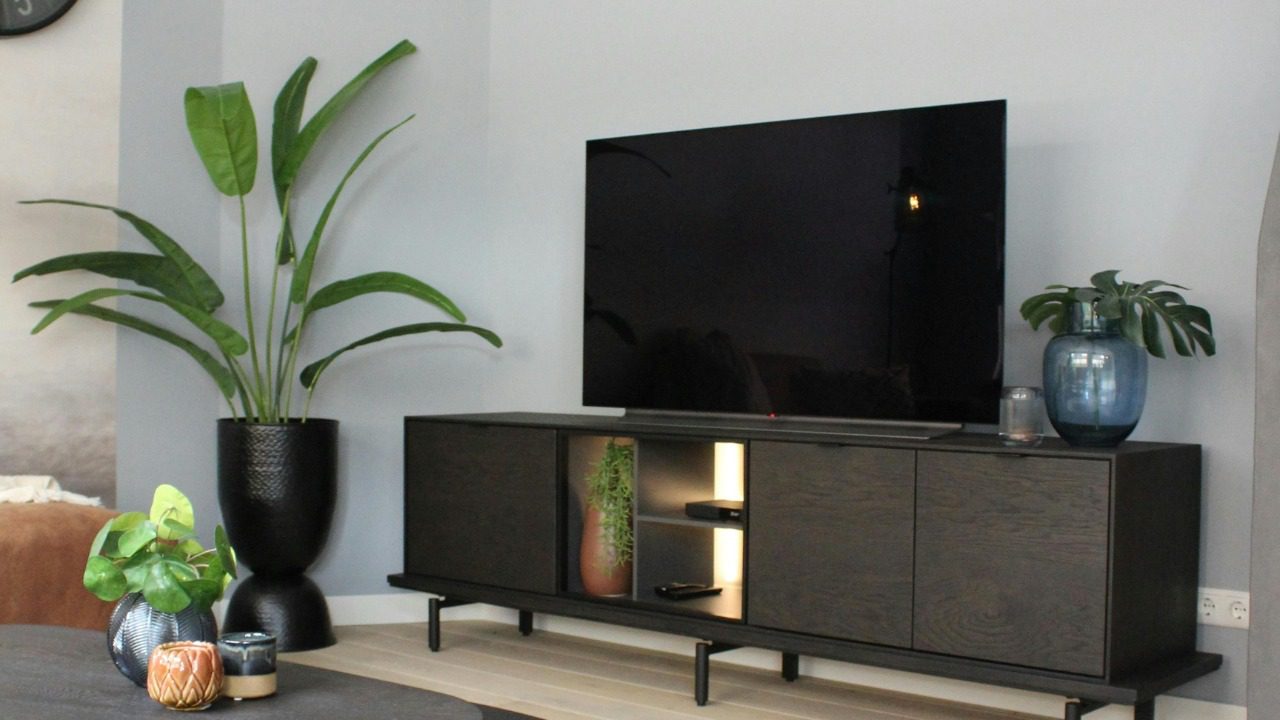
Image Credit: Mendy Van Hoogdalem van Barneveld/PexelsYour plasma TV can use anywhere from 100 to 500 watts, depending on the size and model. While this might not seem like a lot compared to some other appliances, the costs can add up if you’re a big TV watcher. Plus, if it’s on standby mode, it’s still using energy.
Try to reduce your TV’s energy usage by turning it off completely when not in use and consider investing in an energy-efficient model if you’re in the market for a new TV.
The Freezer

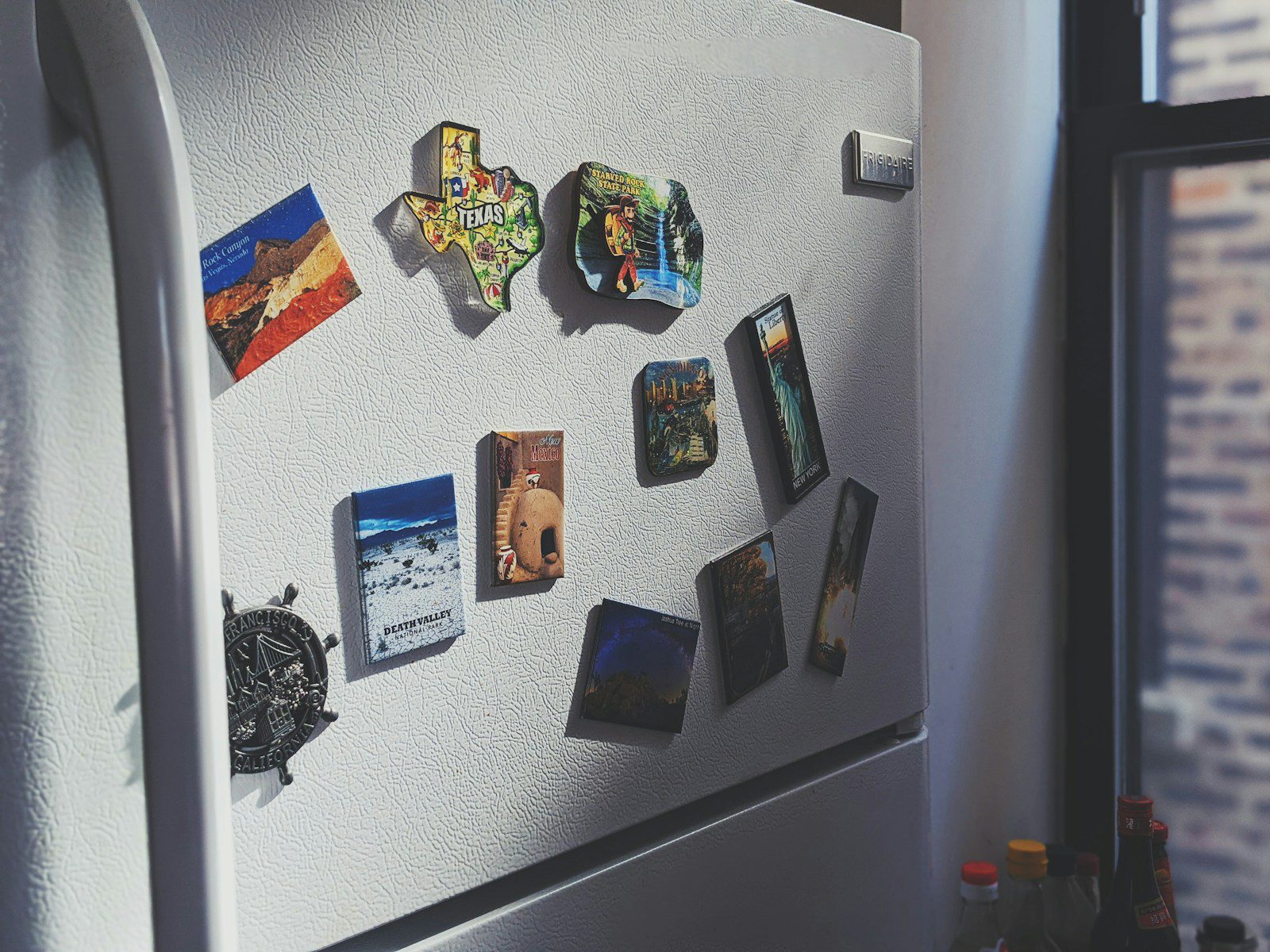
Your freezer is another appliance that’s constantly running, using around 100 to 800 watts on average. Like the refrigerator, older models can be particularly energy-draining.
Regular maintenance can help improve its efficiency. This includes defrosting it regularly and ensuring the door seals are in good condition. Also, try to avoid keeping your freezer too cold – a few degrees can make a significant difference to your energy usage.
The Hot Tub

A hot tub is a luxurious addition to any home, but it can be a real energy guzzler. Depending on its size and how often you use it, a hot tub can use anywhere from 1,500 to 6,000 watts. That’s a lot of energy for something that’s often used for relaxation!
To minimize your hot tub’s energy usage, invest in a good-quality cover to keep the heat in when it’s not in use and maintain the water at a lower temperature.
The Pool Pump

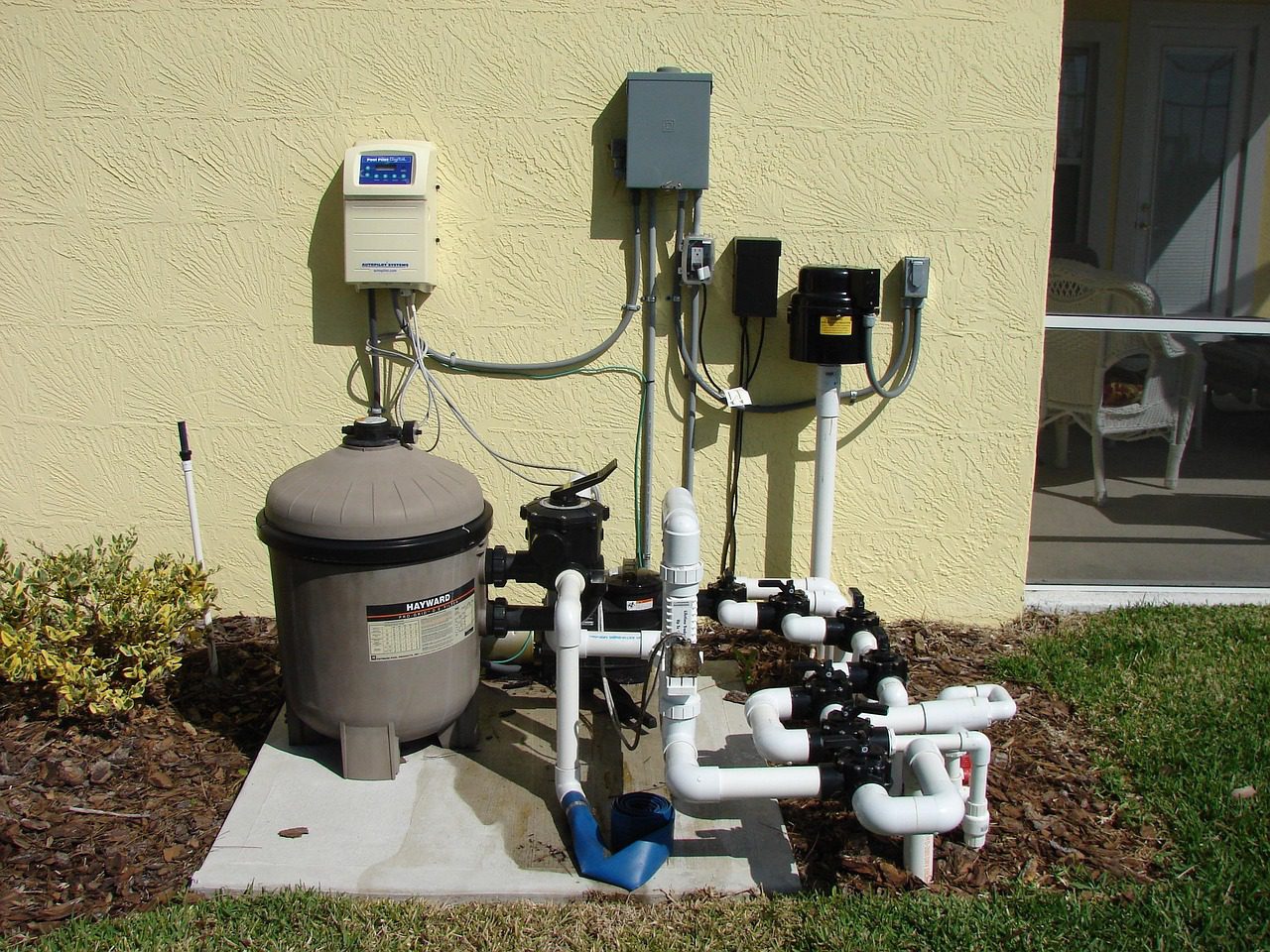
If you have a swimming pool, the pool pump can be another significant contributor to your energy costs. A typical pool pump uses around 500 to 2,000 watts, depending on its size and efficiency. That’s a lot of energy for something that’s often running several hours a day during the summer months.
To minimize your pool pump’s energy usage, consider investing in an energy-efficient model and only run it for as long as necessary to keep your pool clean.
The Washing Machine

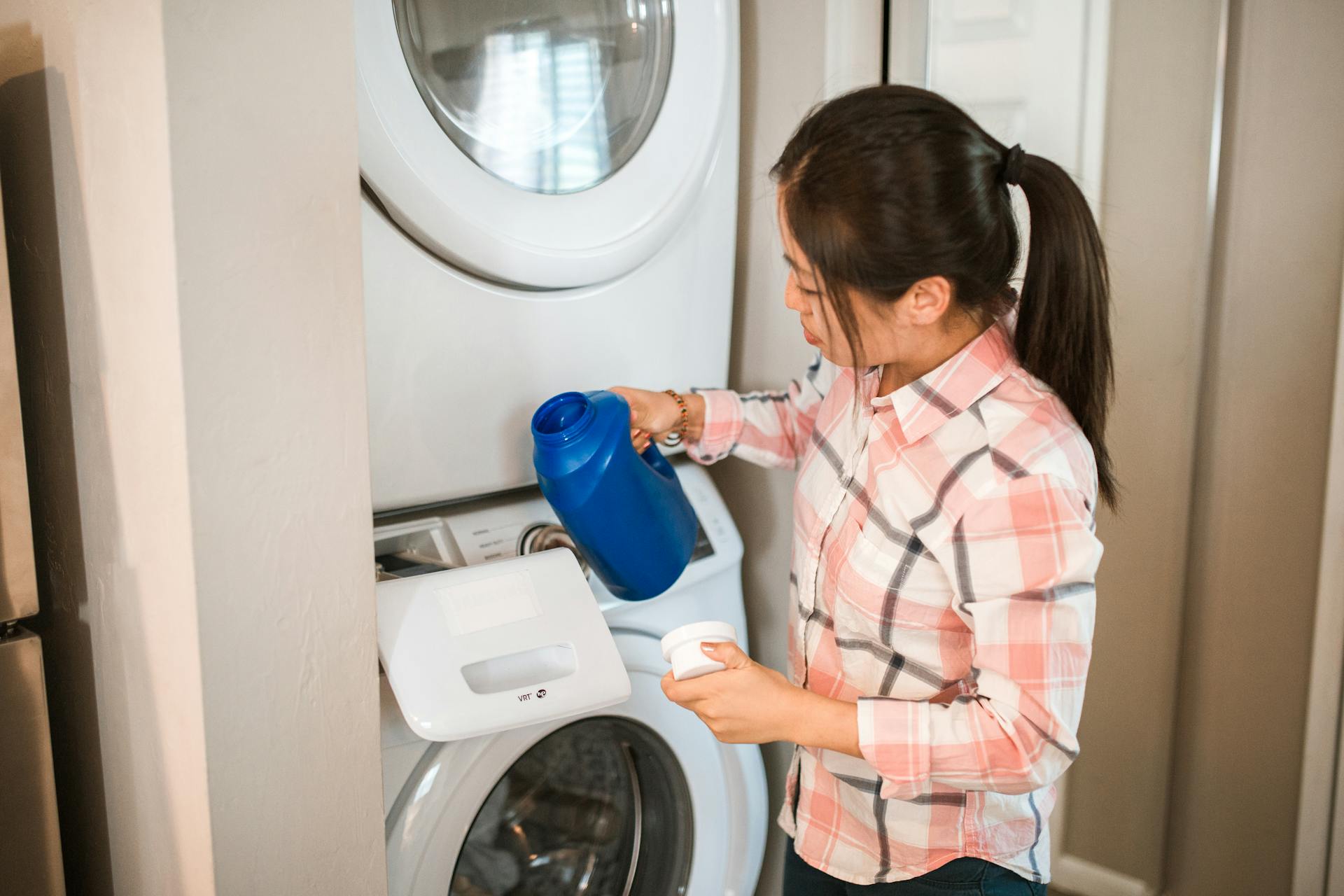
Your washing machine is another major contributor to your energy bill. According to Yahoo Finance, it can use anywhere from 350 to 500 watts per load. However, the majority of the energy is used to heat the water.
Try to minimize its usage by washing full loads and using cold water whenever possible. Also, consider investing in an energy-efficient model to reduce your energy consumption significantly.
The Home Office Equipment

With the rise of remote working, home office equipment has become a necessity for many of us. However, computers, monitors, printers, and other devices can add a significant amount to your energy bill. They can use anywhere from 50 to 300 watts, depending on the device and its usage.
To minimize their energy usage, try to turn off your equipment when not in use and consider investing in energy-efficient models. Also, using power management settings on your computer can help reduce its energy consumption.
By being mindful of how we use these appliances, and making a few changes, we can reduce our energy consumption and save a significant amount on our monthly bills. Remember, every little bit helps – so start making changes today!