


Who doesn’t love a good stroll down memory lane? Let’s reminisce about some household brands that were once the pillars of our day-to-day lives but have since disappeared without a trace.
These brands defined generations and set trends, but with time, they faded into oblivion. The reasons for their downfall range from bad business decisions to being outdone by competition, and even technological advancements.
Here are 13 classic household brands that vanished, leaving behind a legacy and a touch of nostalgia.
The Disappearance of the Iconic Kodak Brand

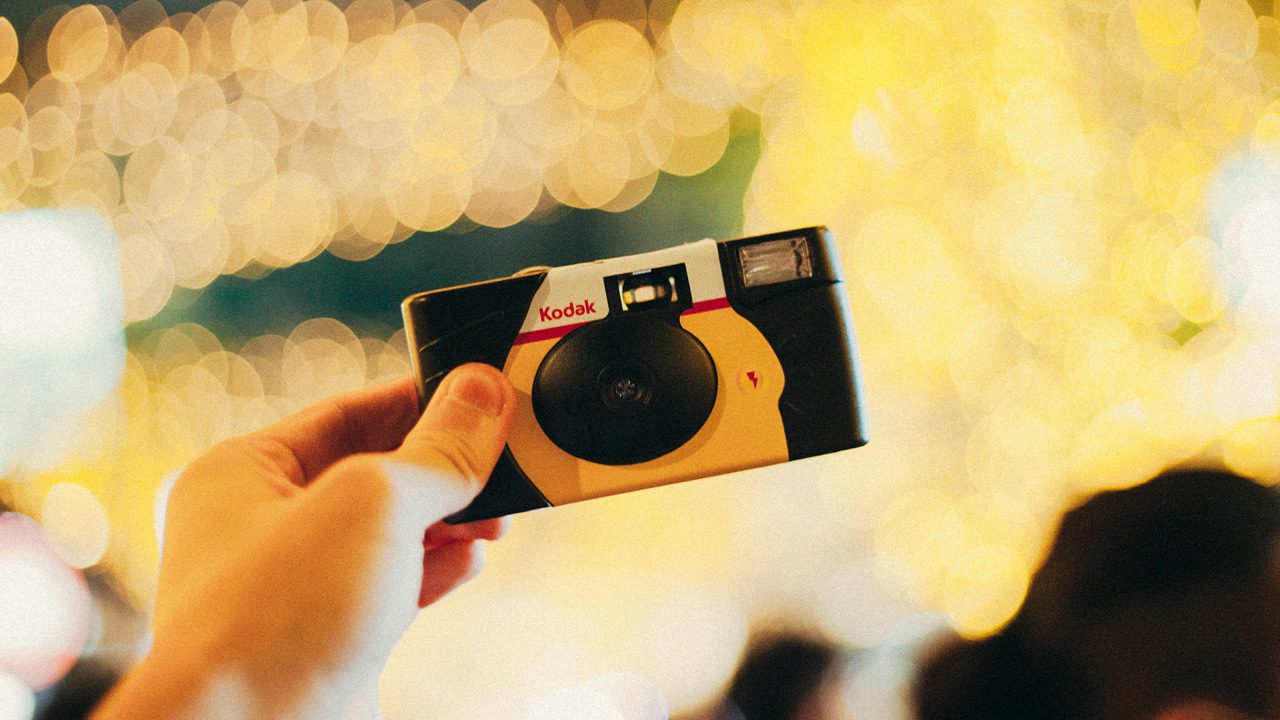
Once the epitome of photography, Kodak lost its glory with the advent of digital photography. The company failed to adapt to the changing technology, and despite inventing the first digital camera, it stuck to its film business for too long. The result? Bankruptcy in 2012, and a legacy that’s remembered more for its failure than its innovation.
Today, Kodak has resurfaced as a tech company providing imaging for businesses. However, the ubiquity and charm of the yellow and red Kodak logo, once synonymous with capturing memories, are long gone.
The Fall of Pan Am in the Airline Industry


Considered the pioneer of modern air travel, Pan Am was the largest international air carrier in the U.S. The airline was renowned for its luxurious flights and iconic blue globe logo. However, financial struggles, heightened by the Lockerbie bombing in 1988, led to its eventual closure in 1991.
The brand tried to make a comeback with a television series in 2011, but it too failed to take off. Pan Am’s demise marks the end of an era in the airline industry, remembered for its glamour and technological innovations.
The Unexpected End of Blockbuster Video


Friday night movie rentals were once incomplete without a visit to Blockbuster Video. The video rental giant had over 9,000 stores worldwide at its peak. However, with the rise of online streaming platforms like Netflix, the company’s business model became obsolete.
Blockbuster filed for bankruptcy in 2010, and by 2014, all corporate-owned stores were closed. As of now, only one independently owned Blockbuster store remains, serving as a nostalgic reminder of the pre-digital era.
The Dissolution of the Famous Polaroid Corporation


Like Kodak, Polaroid was a victim of the digital revolution. Known for its instant film cameras, the company struggled to stay relevant in the digital age. Despite attempts to pivot, including launching digital cameras and televisions, Polaroid filed for bankruptcy twice, in 2001 and 2008.
Now, under new ownership, the brand has made a niche comeback with retro-inspired instant cameras and photo printers. Yet, the original Polaroid Corporation, as we knew it, no longer exists.
The Decline and Fall of Woolworth’s Department Stores

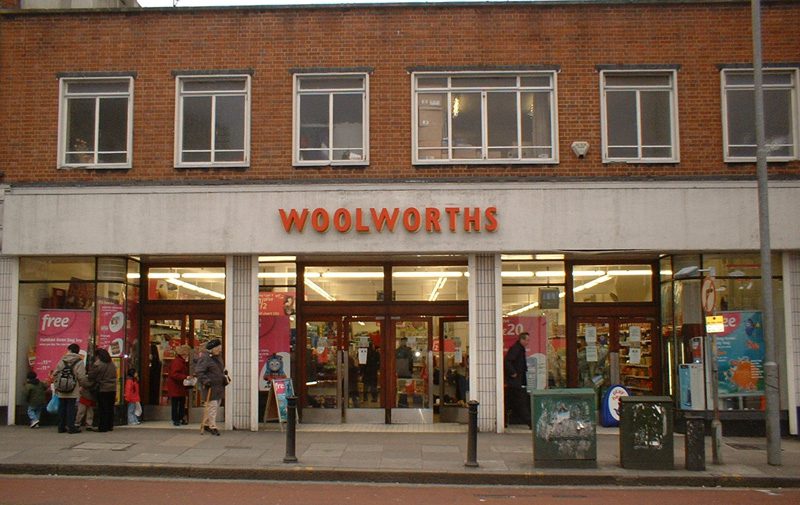
Woolworth’s, once a retail giant, was known for its affordable prices and wide variety. The brand had a significant influence on the retail industry, pioneering the concept of a self-service department store. However, competition from other retailers led to its closure in the 1990s.
Although Woolworth’s stores have disappeared in the U.S., the brand survives in other countries under different owners. Yet, the original Woolworth’s, a symbol of American retail history, is no more.
The Closure of General Foods Corporation

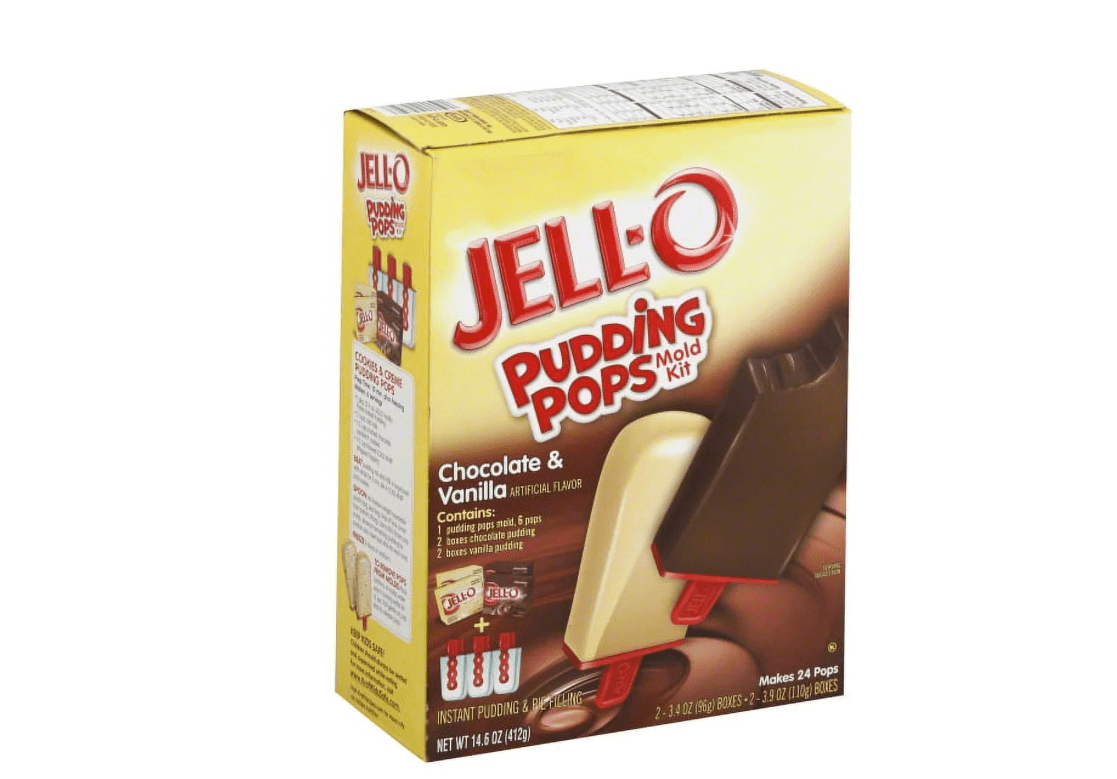
General Foods Corporation was a significant player in the packaged foods industry. Known for brands like Maxwell House and Jell-O, the company was bought by Philip Morris Companies in 1985. It was later merged with Kraft Foods, disappearing as a separate entity.
While its products live on, the General Foods Corporation, which once played an instrumental role in the American food industry, has vanished.
The Downfall of Pontiac, the Classic Car Brand
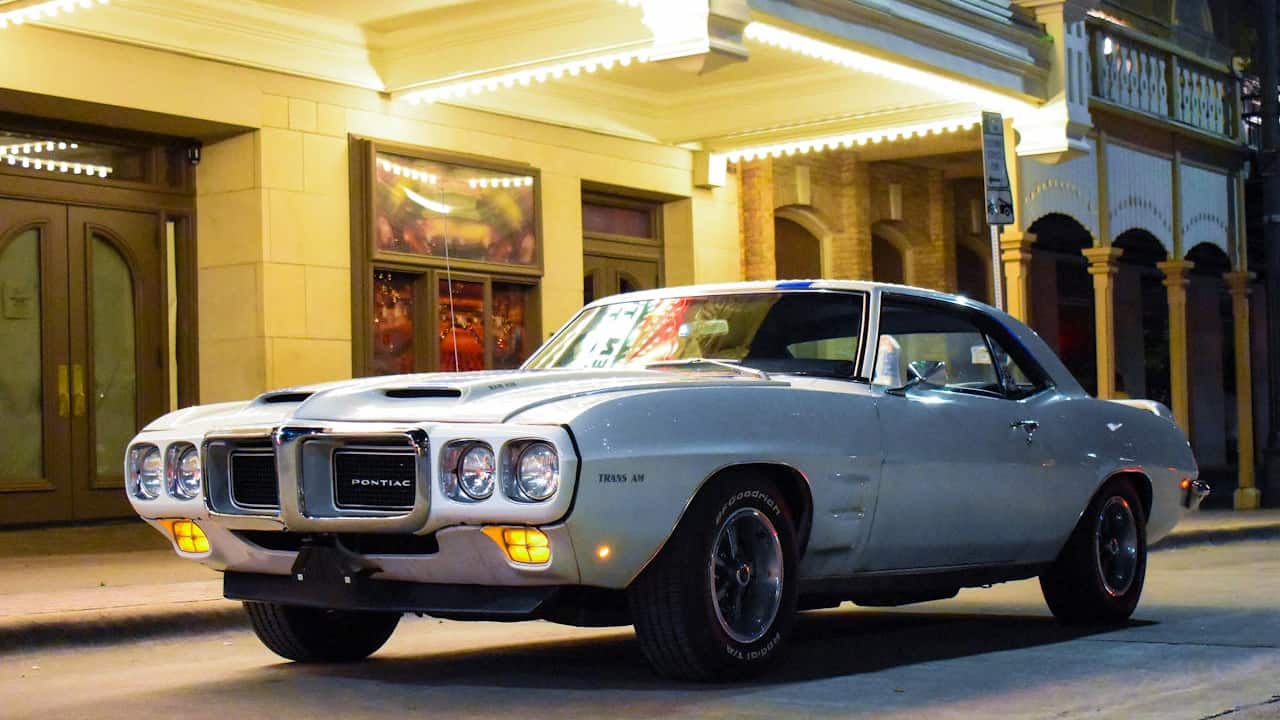
Pontiac, a division of General Motors, was a beloved American car brand known for its high-performance vehicles. However, declining sales and the financial crisis of 2007-08 led to its demise.
Despite rumors of a revival, Pontiac remains a part of history. Its muscle cars, especially the Pontiac GTO and Firebird, continue to be treasured by car enthusiasts.
The Unfortunate End of Compaq Computers

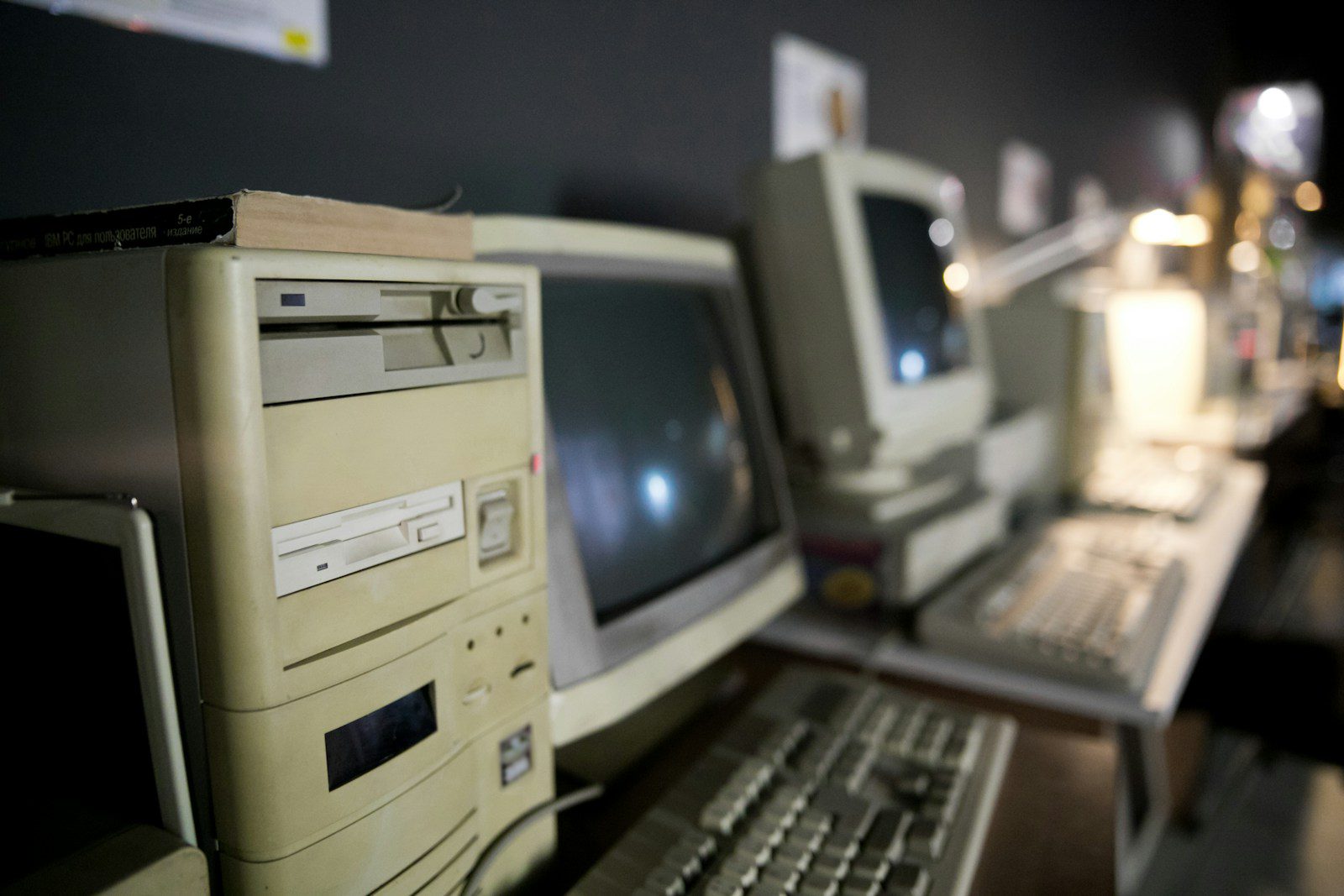
Once a leading name in personal computing, Compaq was known for its affordable PCs. However, fierce competition from brands like Dell, along with management issues, resulted in its acquisition by Hewlett-Packard in 2002.
Despite attempts to keep the brand alive, HP discontinued the Compaq line in 2013. Today, Compaq serves as a case study in business schools on how not to manage a merger.
The Death of the Legendary Toys “R” Us
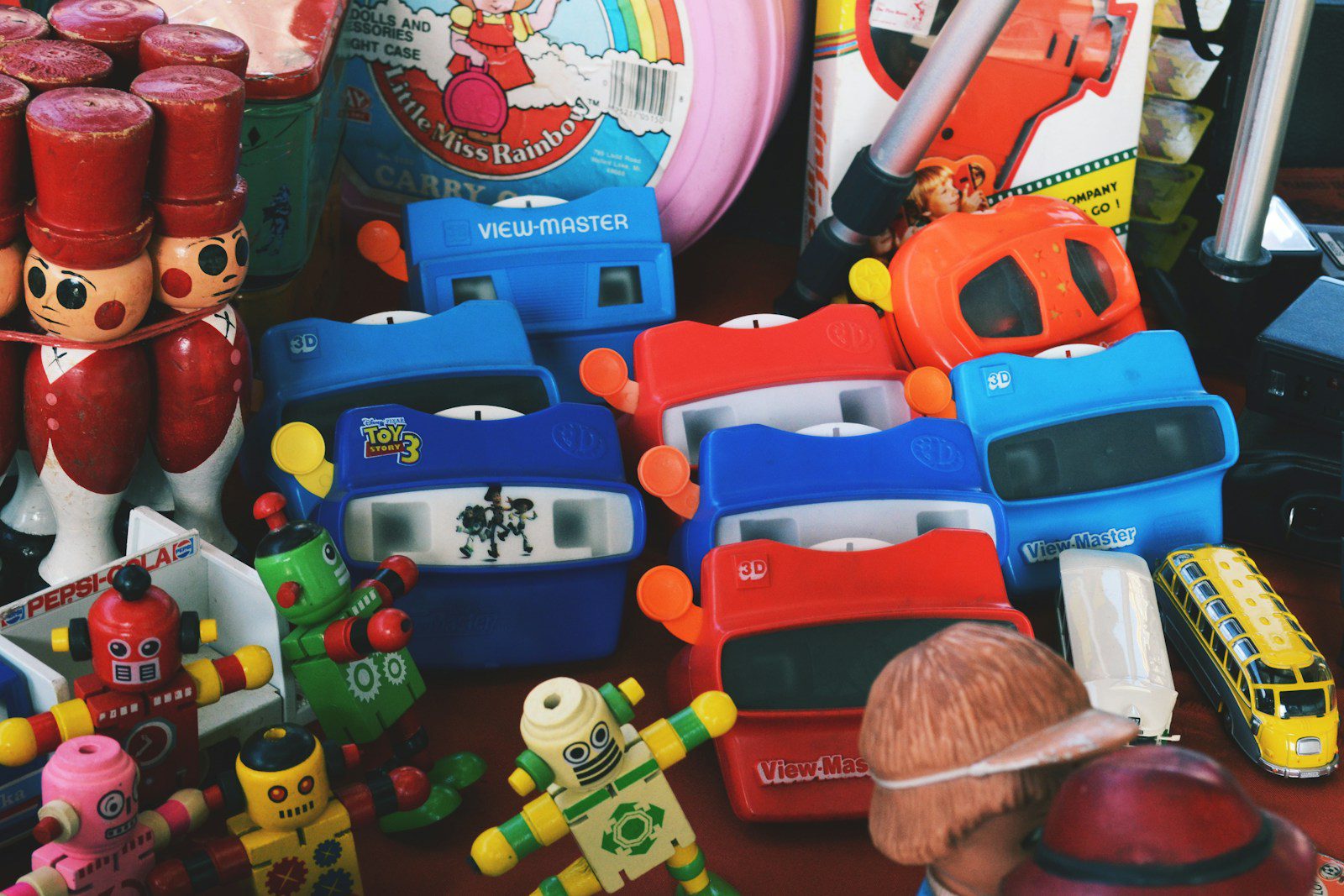
For many of us, Toys “R” Us was a childhood paradise. However, the toy retailer failed to keep up with online competitors and changing consumer preferences. Struggling with debt, it filed for bankruptcy in 2017 and closed its U.S. stores the following year.
While there have been attempts to revive the brand in the U.S., Toys “R” Us exists primarily in Canada and Asia. However, the joy of walking down the aisles of a Toys “R” Us store is a memory many of us hold dear.
The Vanishing of Borders, the Loved Bookstore Chain


Once a popular destination for book lovers, Borders couldn’t survive the digital disruption. With the rise of e-books and online retailers like Amazon, Borders’ large physical stores became a liability. The company declared bankruptcy in 2011 and closed all its stores by the end of that year.
Today, Borders exists only in our memories, a reminder of the joy of browsing through bookshelves and stumbling upon unexpected finds.
The End of Circuit City, the Household Electronics Brand


Circuit City was once the second-largest electronics retailer in the U.S. However, poor business decisions and competition from Best Buy and online retailers led to its downfall. The company filed for bankruptcy in 2008 and closed its stores in 2009.
Attempts to revive the brand online have not been successful. The Circuit City of today is a far cry from the retail giant it once was.
The Disappearance of Hummer in the Auto Industry

Hummer, known for its rugged, military-style vehicles, was a symbol of excess in the auto industry. However, the brand’s gas-guzzling image didn’t bode well in an era of rising fuel prices and environmental consciousness. General Motors discontinued the brand in 2010.
A new electric Hummer was launched in 2020, but the original Hummer, with its audacious design and macho appeal, is a thing of the past.
The Closure of RadioShack, the Go-to Brand for Electronics

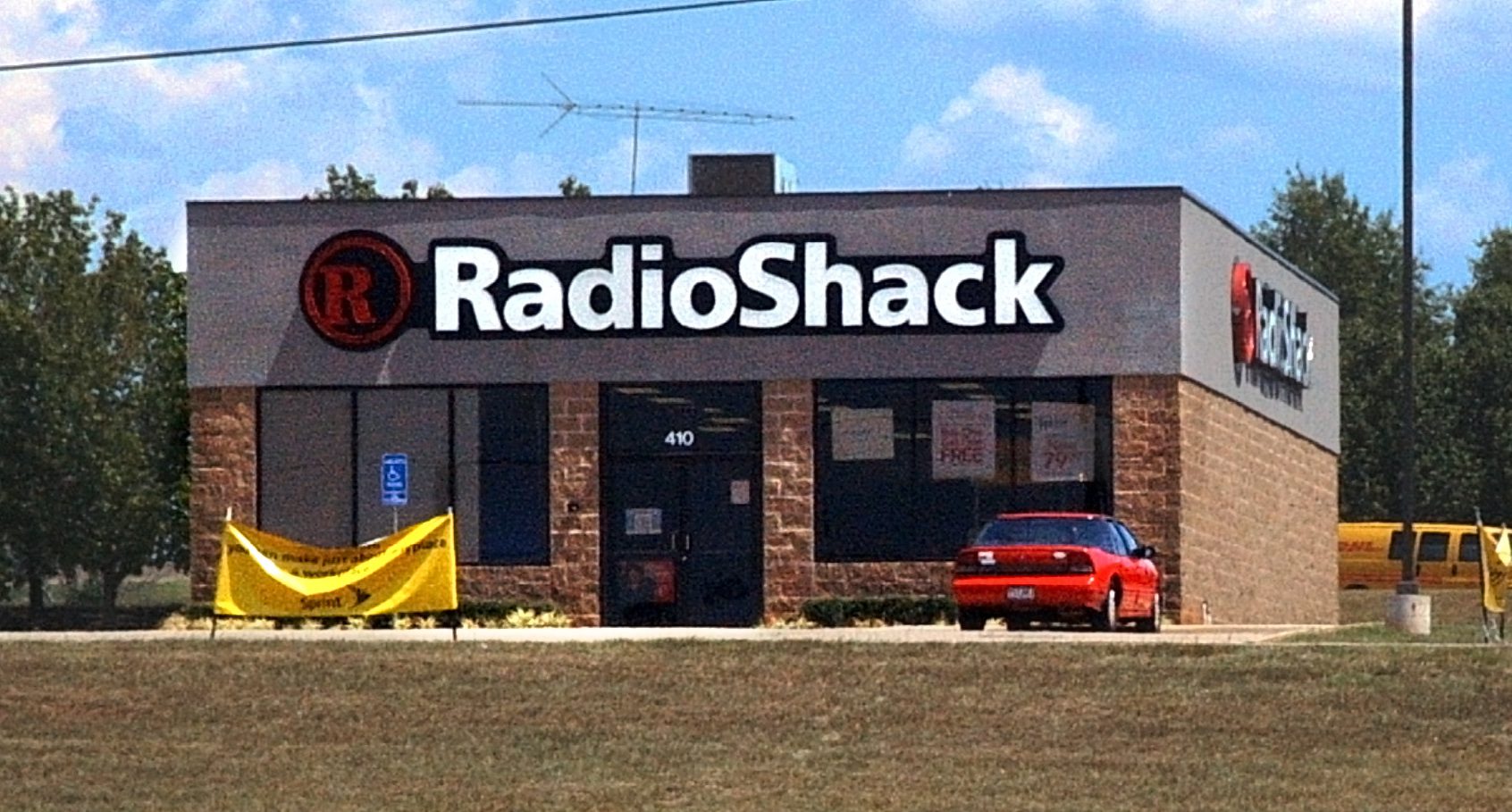
RadioShack, once a go-to destination for consumer electronics, fell victim to online competition and changing consumer habits. Despite numerous attempts to reinvent itself, the company filed for bankruptcy twice, in 2015 and 2017.
While some independently owned RadioShack stores and a web presence remain, the brand’s heyday as a retail powerhouse is over. The demise of RadioShack serves as a warning to other retailers about the perils of failing to adapt to a changing market.