


Cleaning can feel like a never-ending task, and it’s easy to fall into habits that don’t actually save you time or effort. Many common cleaning tips are based on myths that might be slowing you down or making your routine less effective.
Understanding which cleaning methods truly work can help you clean smarter, not harder. By knowing what to avoid, you’ll spend less time on chores and get better results with less frustration.
Myth: More cleaner equals more clean

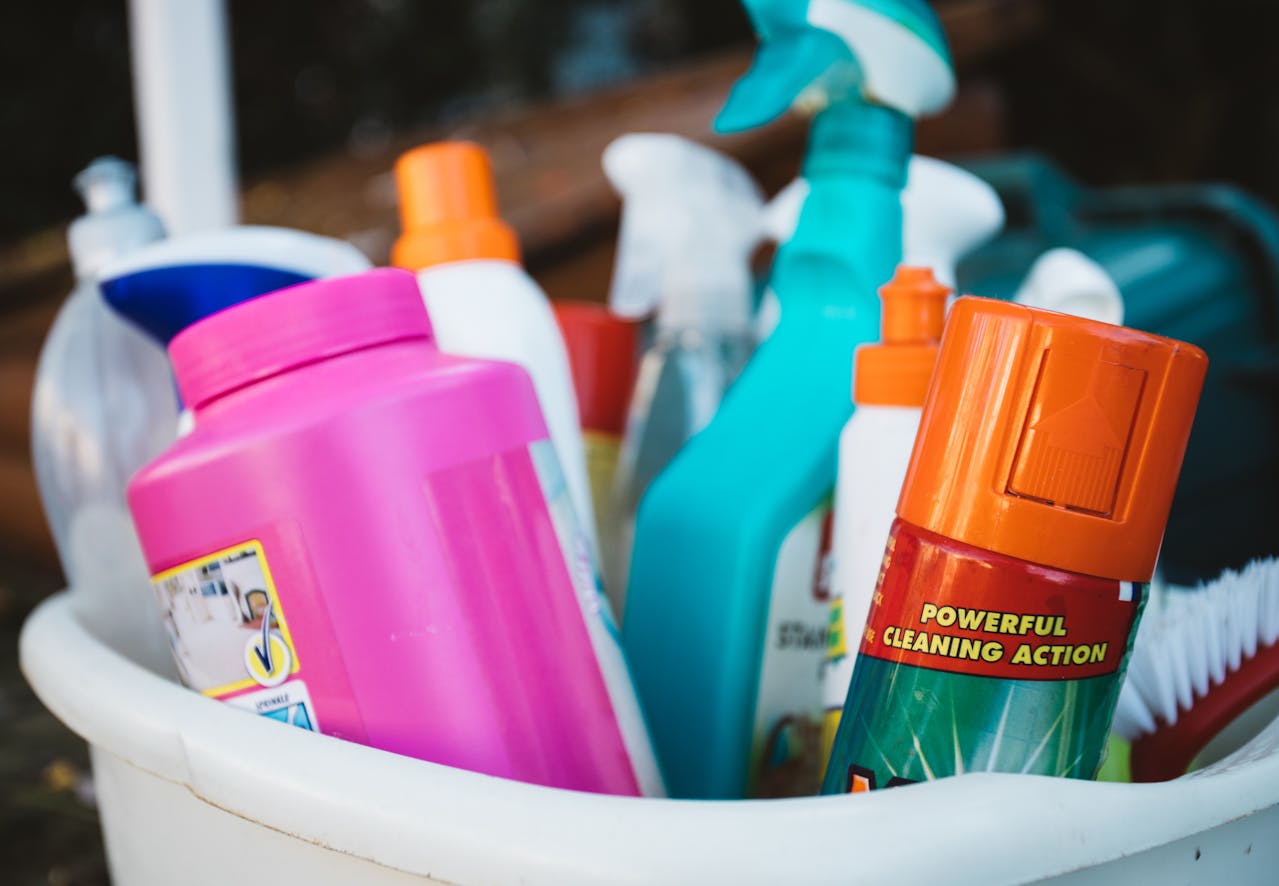
You might think that using more cleaner will get your space cleaner faster. However, using too much can actually leave behind residues that attract dirt. Excess cleaner can make rinsing harder, leading to streaks or buildup.
Stick to the recommended amount on the label. It’s enough to do the job and saves you time and product. More cleaner doesn’t always mean a better clean—it often means more work for you in the long run.
Myth: Vinegar cleans everything


You might think vinegar is a cure-all for cleaning, but it’s not. While vinegar works well on many surfaces like glass and some hard surfaces, it shouldn’t be used on granite or marble.
Using vinegar on these stone surfaces can actually cause damage over time. So, it’s good for some jobs but not everything in your home.
Myth: Lemon juice is a universal cleaner


You might think lemon juice can clean everything because it smells fresh and cuts grease. While lemon juice has some cleaning power due to its acidity, it’s not a catch-all solution.
Using lemon on certain surfaces can cause damage. Avoid using it on stone, wood, or sensitive finishes, as it can wear them down over time.
Stick to using lemon juice for light degreasing tasks or freshening up your kitchen, but rely on other cleaners for tougher or delicate jobs.
Myth: Bleach is the best cleaner for everything


You might think bleach can clean all your surfaces, but that’s not true. Bleach disinfects well but doesn’t remove dirt or grease.
Before using bleach, you should always clean with soap and water to get rid of grime. Using bleach alone often means leftover dirt.
Also, bleach can be harsh and damage some materials. It’s best saved for disinfecting specific areas rather than everyday cleaning tasks.
Myth: Cleaning is only needed when things look dirty

You might think cleaning is only necessary when you see visible dirt or mess. However, germs and dust can build up even if your space looks clean.
Regular cleaning helps keep allergens and bacteria under control before they become a problem. Wiping high-traffic areas daily can prevent buildup and keep your home healthier. Waiting for dirt to show can mean more work and less effective cleaning later on.
Myth: Dusting is a waste of time

You might think dusting doesn’t make much difference, but skipping it allows dust to build up. This can aggravate allergies and make your home feel less fresh.
Regular dusting removes allergens and improves air quality. Just be gentle and use the right tools to avoid spreading dust around.
Myth: Using newspaper cleans windows better


You might think newspaper is the best choice for cleaning windows because it’s been used for a long time. The idea comes from old inks that contained cleaning agents like kerosene.
However, modern newspapers often use different inks that can leave streaks or smudges on your glass and frames.
Today, microfiber cloths are usually a better option. They clean effectively without leaving ink marks or lint behind.
Myth: Cast iron pans can’t be washed with soap


You might have heard that soap will ruin your cast iron pan’s seasoning. This idea comes from older soaps that were harsh and could strip the oil layer.
Today’s dish soaps are much milder. Using a small amount of soap won’t harm your pan or its seasoning if you clean it gently.
So feel free to wash your cast iron with soap when needed. Just avoid soaking it for long, and dry it thoroughly afterward to prevent rust.
Myth: Appliances are self-cleaning

You might think your oven or vacuum cleaner takes care of itself, but that’s not true. Self-cleaning ovens still need occasional manual cleaning to remove stubborn stains.
Vacuum cleaners need their filters and brushes cleaned or replaced regularly to keep working well. Relying too much on self-cleaning features can reduce your appliance’s performance over time.
Myth: Always wash clothes in cold water

You might have heard that cold water is best for every load. While cold water saves energy and is gentle on most fabrics, it’s not always the most effective choice.
Hot water can be better for heavily soiled items, like towels or bedding, by helping remove oils and kill bacteria.
Modern detergents work well in cold water, but some stains and germs respond better to warmer temperatures. You can choose the water temperature based on the type of clothes and how dirty they are.
Myth: Disinfectants work instantly

You might think disinfectants kill germs as soon as you spray or wipe them on a surface. In reality, they need time to work effectively.
Most disinfectants require the surface to stay wet for several minutes—often around five—to properly eliminate bacteria and viruses.
If the surface dries too quickly or you wipe it off immediately, germs can survive. Be patient and follow the instructions on the label to get the best results.
Myth: Cleaning and disinfecting are the same thing


You might think cleaning and disinfecting do the same job, but they don’t. Cleaning removes dirt, grime, and some germs from surfaces. It helps make things look and feel fresh.
Disinfecting goes a step further by killing germs, but it doesn’t remove dirt. If a surface is dirty, disinfectants won’t work properly. So, always clean first, then disinfect to keep your space truly safe.
Myth: One person should do all the cleaning

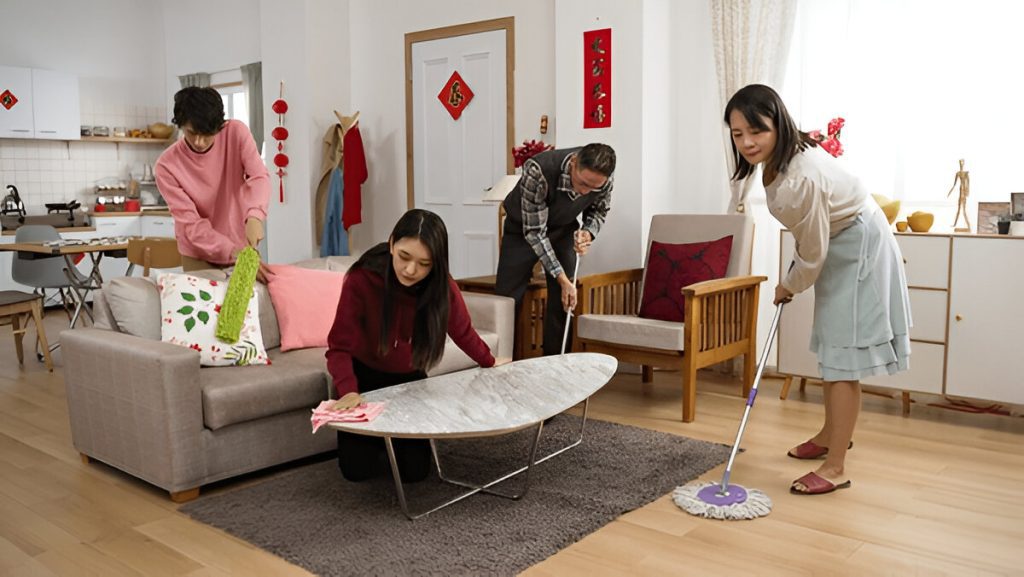
You don’t have to handle all the cleaning alone. Sharing tasks with others helps you finish faster and avoids burnout.
Cleaning is more manageable when everyone pitches in, whether family members, roommates, or coworkers.
Trying to do everything yourself can waste time and energy. Divide chores based on schedules and preferences for better results.
Like what you read? Here’s more by us: