


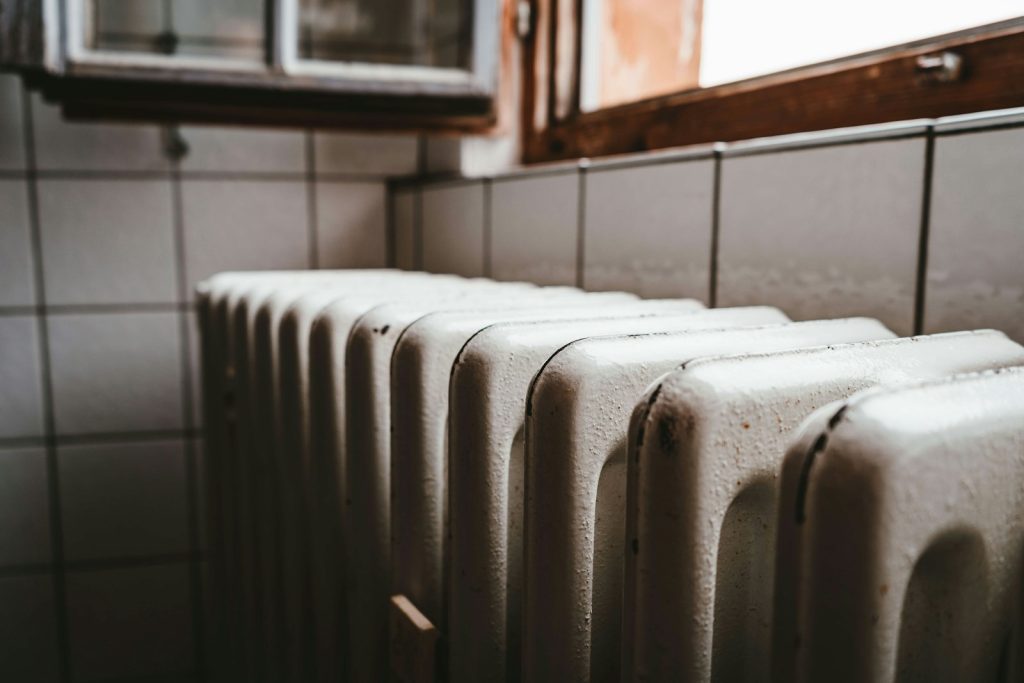
Keeping your home comfortable all year round can be a tricky balance. It’s not just about keeping cool in the summer and warm in the winter. You also want to do so without breaking the bank.
Unfortunately, many of us unknowingly commit errors that drive up our heating and cooling costs. Let’s dive into some of the most common mistakes people make that can cause a spike in their energy bills.
1. Ignoring Regular Maintenance of HVAC Systems

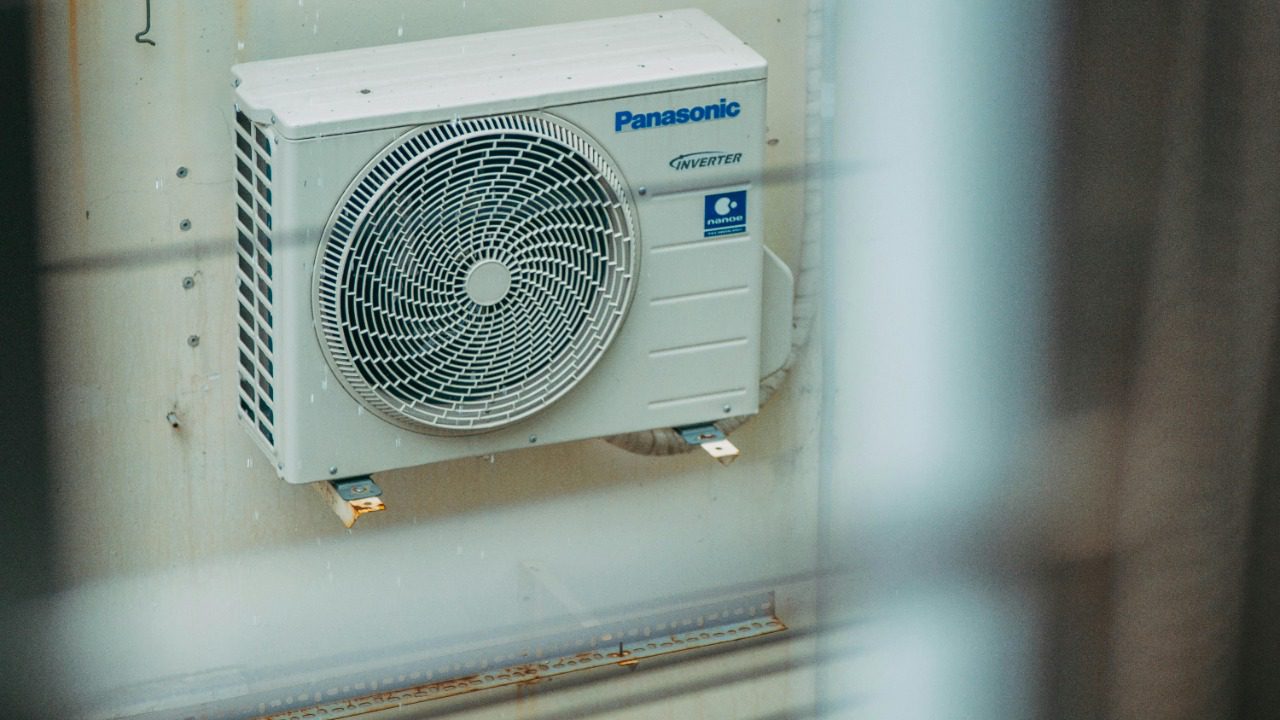
Just like your car, your HVAC system needs regular tune-ups to run efficiently. Skipping maintenance can lead to decreased performance and higher energy costs. Regularly scheduled maintenance can spot minor issues before they become major, costly repairs.
For example, a technician can check your refrigerant levels during routine maintenance. If they’re low, it’s a sign of a leak that can lead to a significant loss of cooling efficiency. Check out this guide for more information.
2. Not Updating Insulation

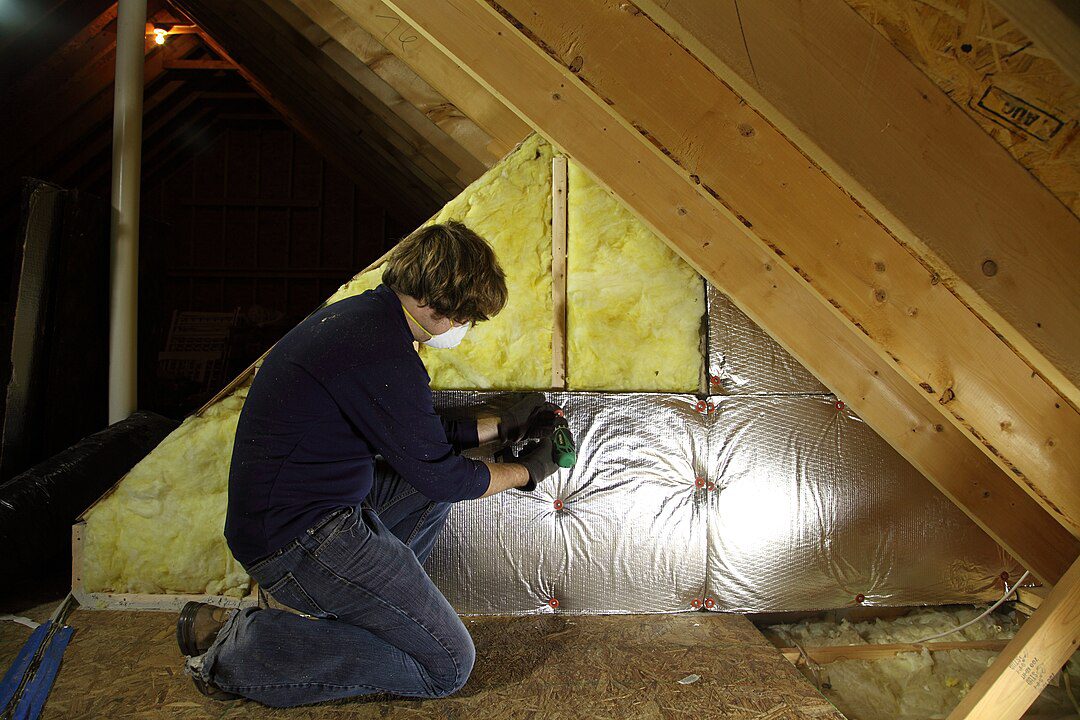
Outdated or insufficient insulation can significantly increase your heating and cooling costs. Heat can escape from your home during the winter months, and during summer, the cool air produced by your HVAC system can leak out. This forces your system to work harder, driving up your energy costs.
Upgrading to high-quality insulation can help keep your home’s temperature more consistent and reduce your energy consumption. Consider having an energy audit to identify areas where your insulation could be improved.
3. Overlooking Window and Door Leaks
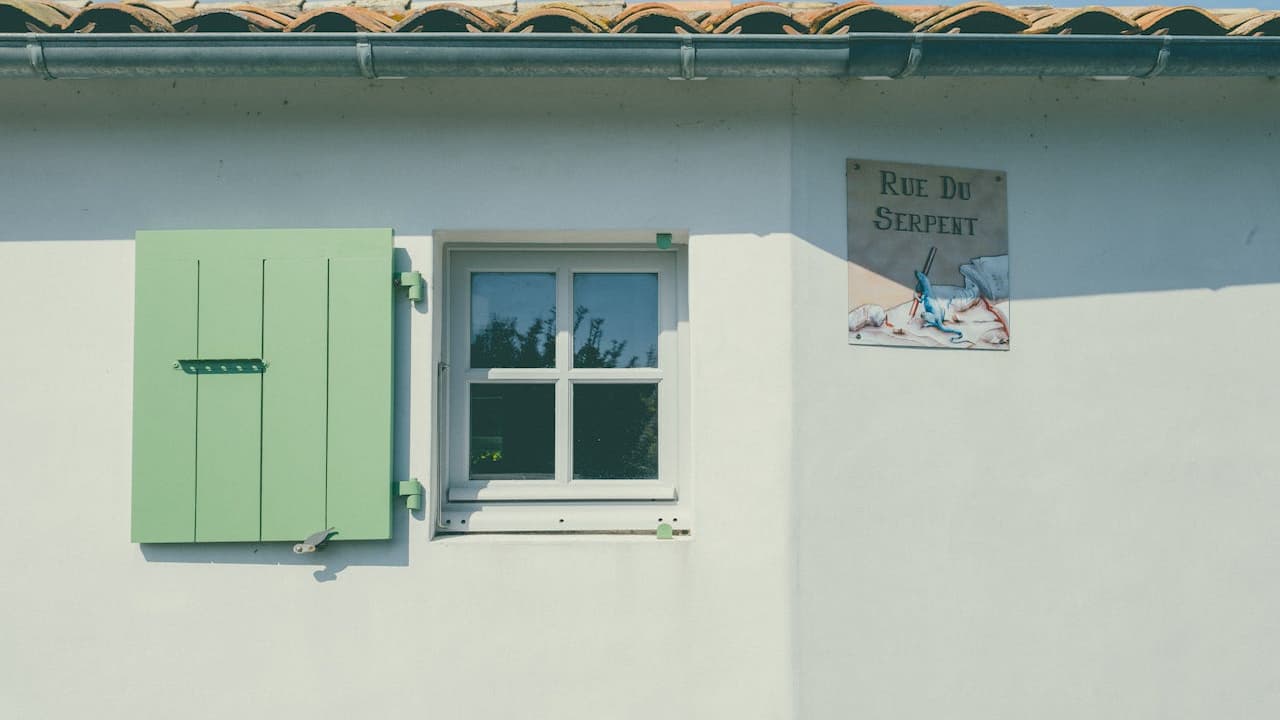
Even the smallest cracks and gaps around windows and doors can let in drafts, causing your heating and cooling system to work harder than necessary. This not only impacts your comfort level but also increases your energy bills.
Sealing these leaks with caulk or weatherstripping can save you up to 20% on heating and cooling costs. It’s a relatively inexpensive and simple DIY project that can make a big difference in your energy consumption.
4. Inefficient Use of Thermostat


Using your thermostat inefficiently can significantly drive up your energy costs. Constantly changing the temperature or setting it too high or low can cause your system to work harder and consume more energy.
Try setting your thermostat to a comfortable, consistent temperature. When you’re away from home, adjust the temperature by a few degrees to save energy. A smart thermostat can do this automatically and help you save even more.
5. Blocking Air Vents with Furniture

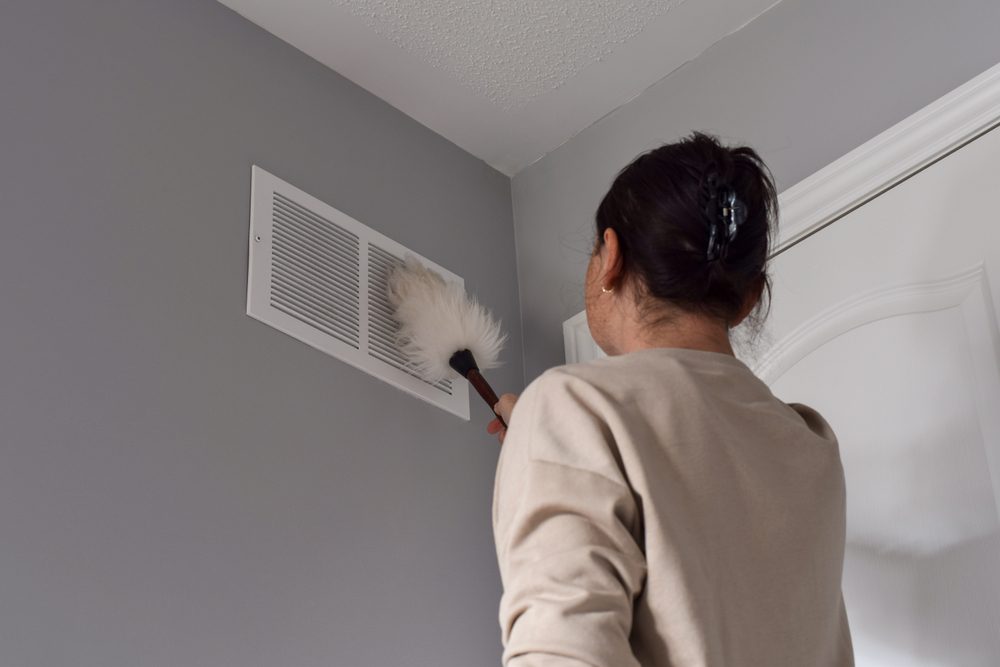
It might seem like a minor issue, but blocking air vents with furniture can disrupt airflow and force your HVAC system to work harder. This can not only increase your energy costs but also reduce the lifespan of your system.
Make sure your air vents are clear of obstructions to ensure efficient airflow. This can help maintain a consistent temperature throughout your home and reduce the strain on your HVAC system.
6. Using Old, Inefficient HVAC Equipment


Old, inefficient HVAC equipment can be a major energy hog. Even if your system seems to be working fine, it may be using more energy than necessary to heat and cool your home.
Investing in energy-efficient equipment can lead to substantial savings over time. While the upfront cost may be higher, the long-term energy savings can more than offset this expense. This article details more about it.
7. Running the System 24/7 Without Breaks

Letting your HVAC system run non-stop can significantly increase your energy costs. It can also lead to unnecessary wear and tear on your system, reducing its lifespan.
Turning off your system when you’re away from home or at night when temperatures are cooler can save energy. Consider using a programmable thermostat to automatically adjust the temperature based on your daily schedule.
8. Overlooking the Benefits of a Programmable Thermostat

A programmable thermostat can be a game-changer for your energy costs. It allows you to set a schedule for your heating and cooling system, so it’s not running when it’s not needed.
For example, you can program it to lower the temperature when you’re away from home or asleep. This not only saves energy but also keeps your home comfortable. Check out this post for more tips.
9. Not Utilizing Natural Sunlight for Heat
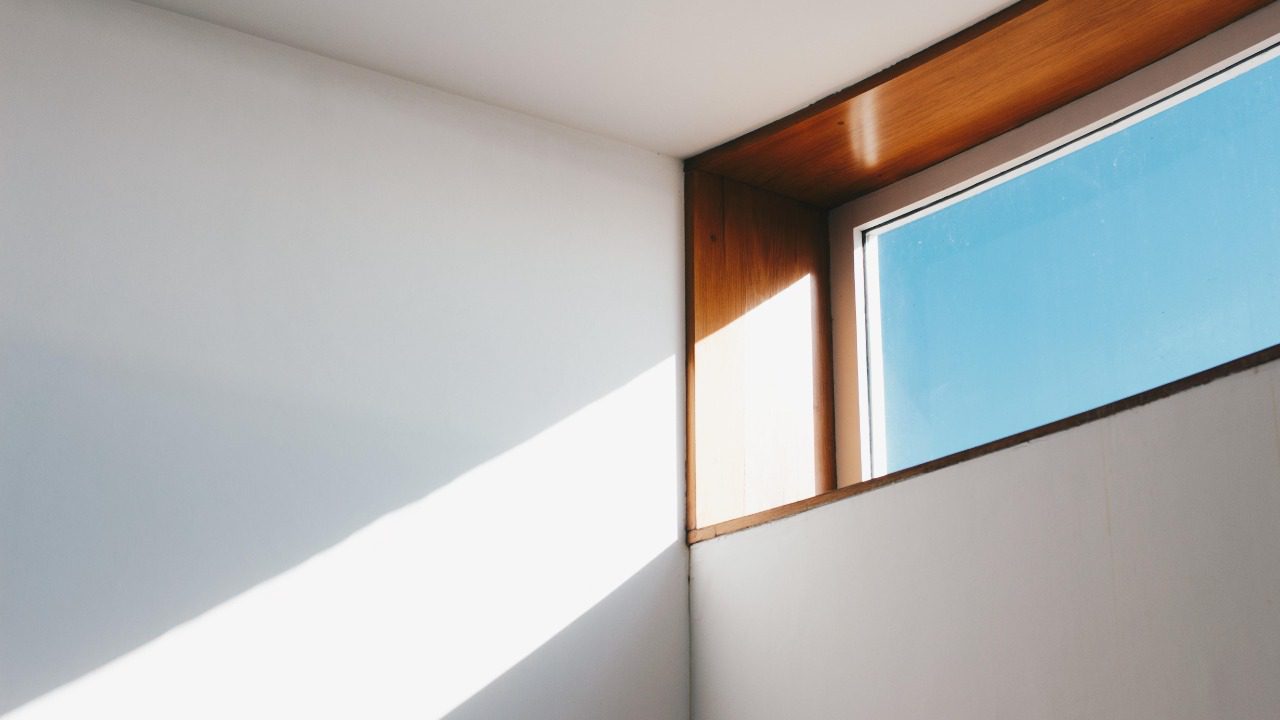
Natural sunlight is a free and efficient source of heat. By not taking advantage of it, you could be missing out on potential energy savings. Opening curtains and blinds on sunny days can help warm your home and reduce your reliance on your heating system.
Conversely, closing curtains and blinds on hot days can help keep your home cooler and reduce the need for air conditioning. It’s a simple strategy but one that can make a noticeable difference in your energy costs.
10. Poorly Sealed and Insulated Ductwork
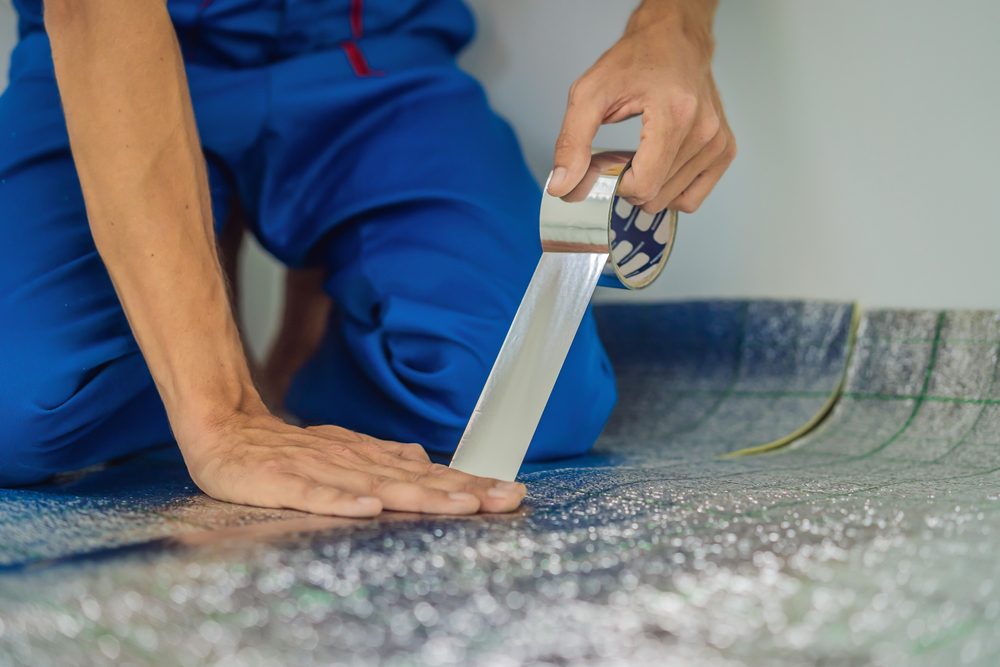
Leaky ductwork can lead to significant energy loss. If the air from your heating and cooling system is escaping through gaps in your ducts, it’s not reaching the rooms in your home. This can lead to uneven temperatures and increased energy costs.
Having your ductwork professionally sealed and insulated can improve the efficiency of your HVAC system and reduce your energy costs. It’s a job best left to professionals, but the energy savings can be well worth the investment.
11. Neglecting to Change Air Filters Regularly

Dirty air filters can restrict airflow and force your HVAC system to work harder. This not only increases your energy costs but can also lead to premature system failure.
Changing your air filters regularly can improve the efficiency of your system and extend its lifespan. It’s a simple and inexpensive task that can save you money in the long run.
12. Inefficient Use of Ceiling Fans

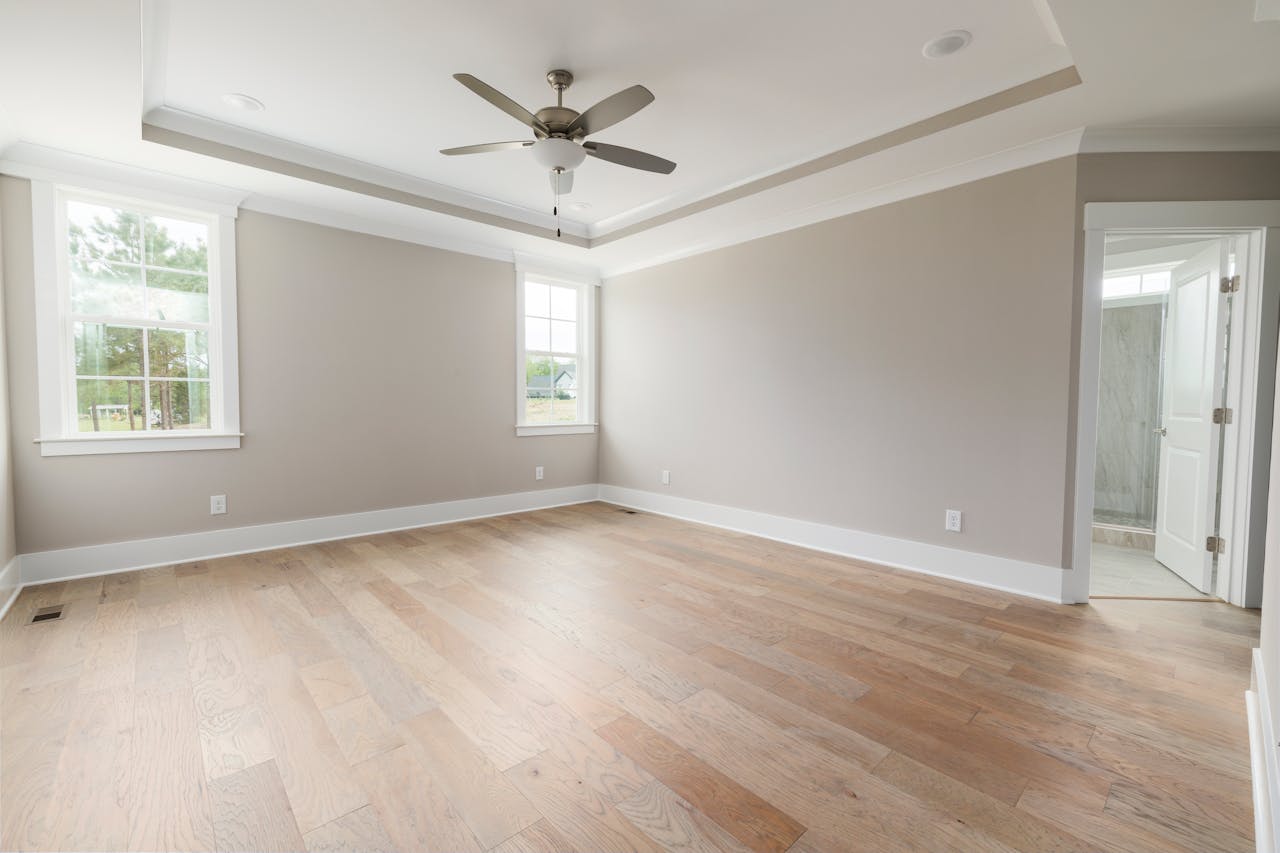
Ceiling fans can help circulate air and make your home feel cooler or warmer, depending on the direction they’re spinning. However, leaving them on when no one’s in the room is a waste of energy.
Remember, ceiling fans cool people, not rooms. So, turn them off when you leave a room. Also, make sure they’re spinning in the right direction for the season (counterclockwise in the summer and clockwise in the winter).
13. Skipping Regular Energy Audits

Regular energy audits can identify areas where you’re wasting energy and provide recommendations for improvements. By skipping these audits, you could be missing out on potential energy savings.
Many utility companies offer free or discounted energy audits. Take advantage of this service to identify and correct energy-wasting habits. For more information, check out this article.