


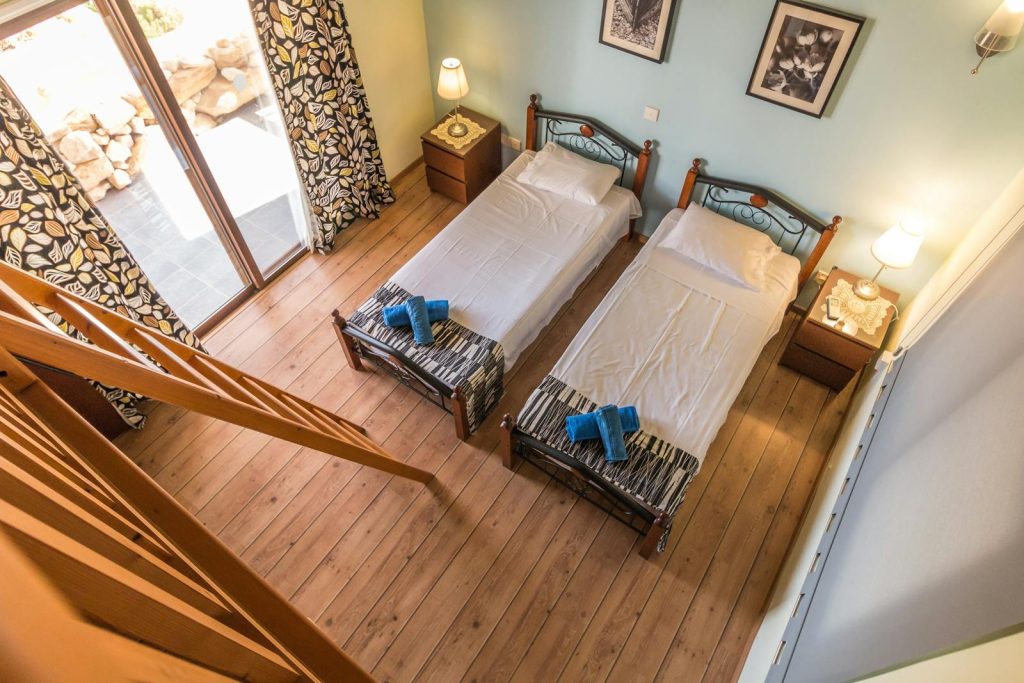
When it comes to living spaces, we all want our homes to feel as spacious and welcoming as possible. However, sometimes certain features or design choices can make our homes feel smaller than they actually are.
By identifying these features, you can make informed decisions when decorating or renovating your home to maximize its perceived size and create a more comfortable living environment. Let’s explore some common features that might be making your home feel smaller than it really is.
1. Lack of Natural Lighting


Natural light is a great enhancer of space. It brightens up rooms and gives them an open, airy feel. When a home lacks sufficient natural light, rooms can feel cramped and closed-off.
If your home has small windows or is positioned in a way that does not allow much daylight in, consider using light-colored curtains or blinds to maximize the available light. Where possible, consider larger window installations or skylights to increase natural light. Here are some budget-friendly ways to increase natural light in your home.
2. Cluttered Spaces and Unorganized Areas

Clutter not only makes a home look messy but also significantly reduces the perceived size of the space. When too many items are crammed into a space, it can feel chaotic and cramped. Regularly decluttering and organizing your belongings can help to create a sense of spaciousness.
Creating designated storage spaces for items can also significantly reduce clutter and make your home feel larger. If you’re struggling with clutter, consider smart storage solutions to help manage your belongings.
3. Dark Wall Colors and Heavy Patterns

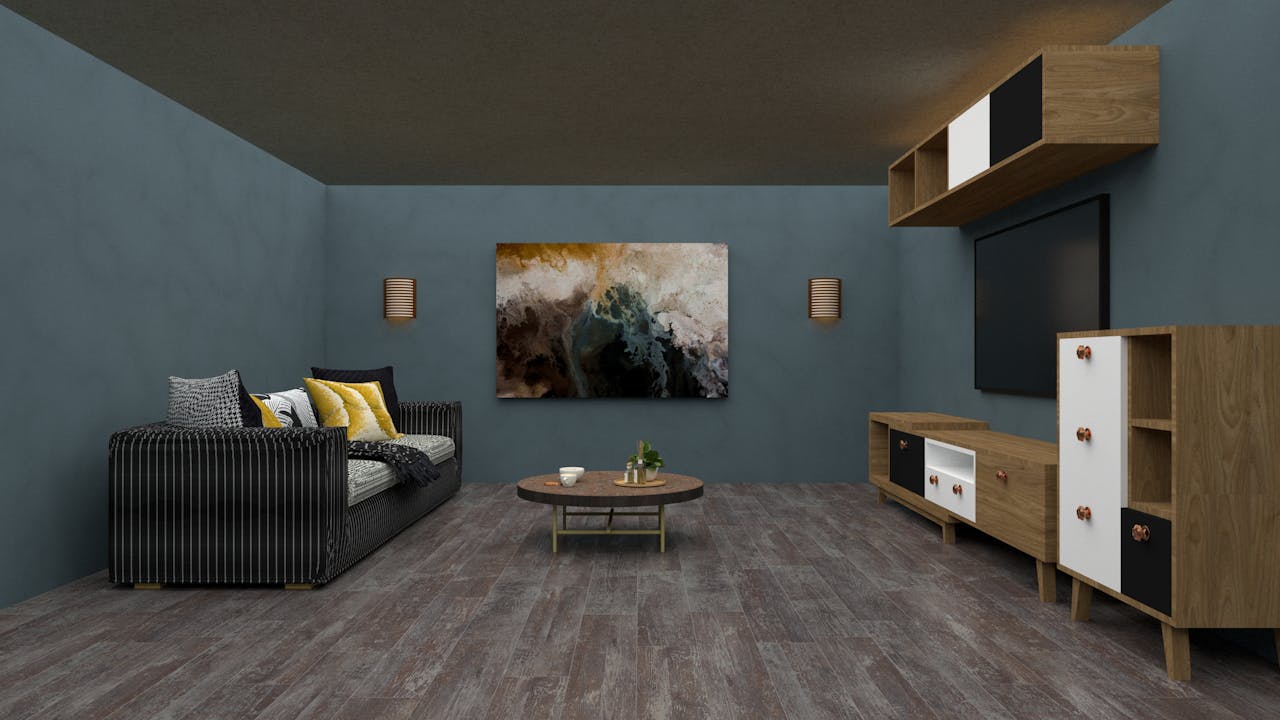
While dark colors and heavy patterns can add character to a room, they can also make a space feel smaller. Dark colors absorb light, making rooms feel cozy but also more confined.
On the other hand, light colors reflect light, making rooms feel open and spacious. If you prefer dark colors, consider using them on accent walls or in small doses to maintain balance.
4. Closed Floor Plans and Small Rooms
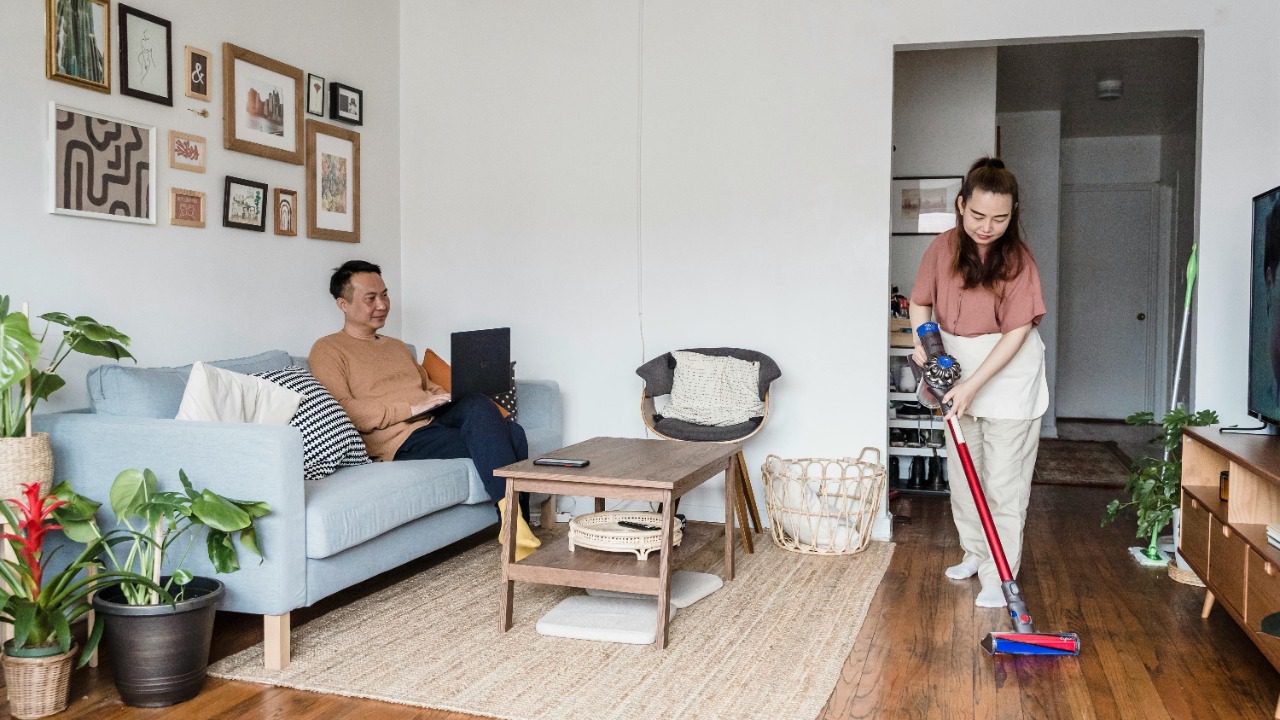
Small, closed-off rooms can make a home feel cramped and segmented. Open floor plans, on the other hand, create a seamless flow from one area to another, making the entire space feel larger.
If your home has a closed floor plan, consider removing unnecessary walls or using half-walls or glass partitions to open up the space. For tips on how to make small rooms feel larger, check out this guide.
5. Excessive Furniture and Large-Scale Pieces
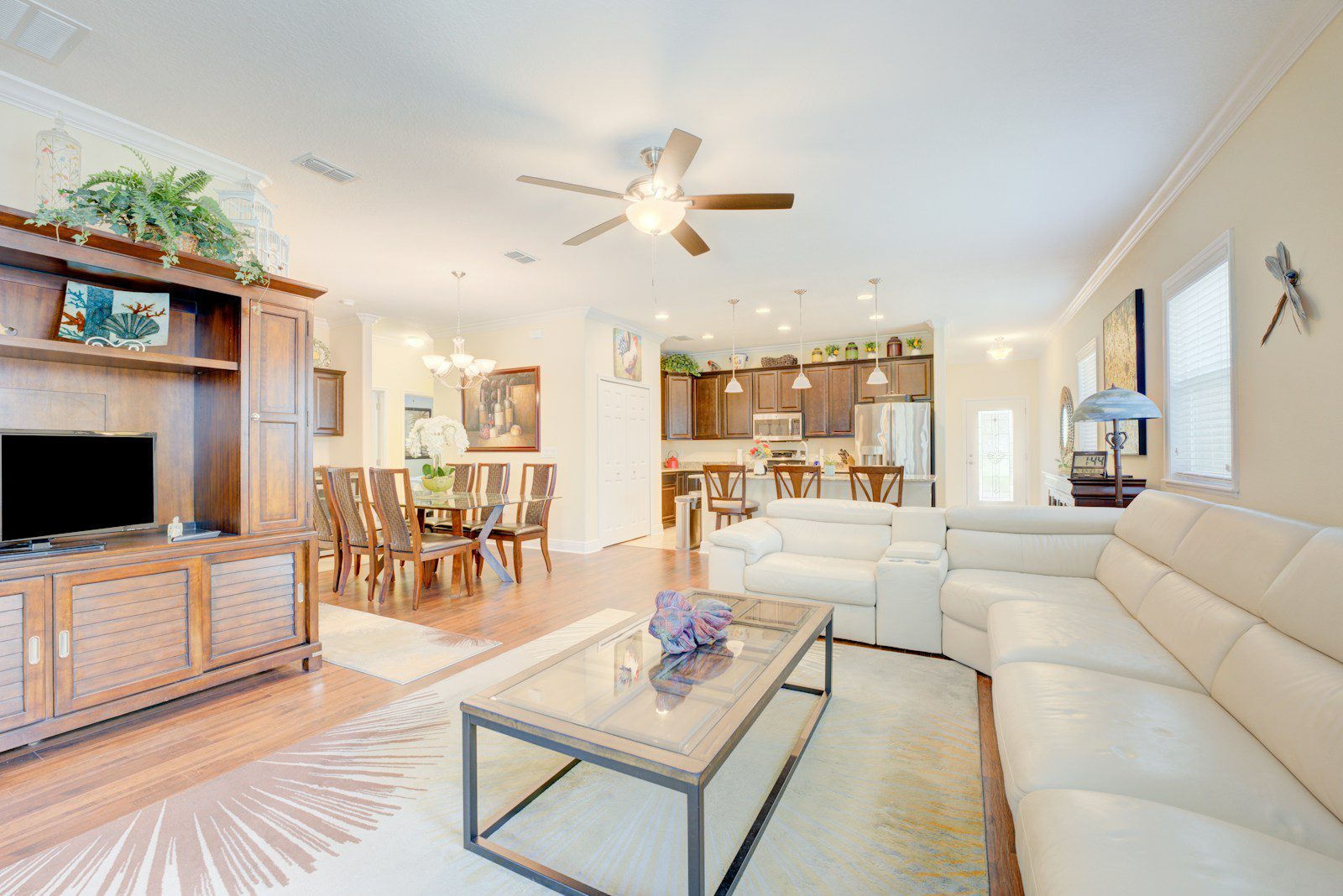
While it’s essential to have enough seating and storage in your home, too much furniture or oversized pieces can quickly make a room feel crowded.
Opt for furniture pieces that are to scale with your space, and consider multifunctional pieces that can serve several purposes. For example, an ottoman that can serve as a coffee table or a sofa bed for guests can save space while still providing functionality.
6. Low Ceiling Heights and Overhead Lighting

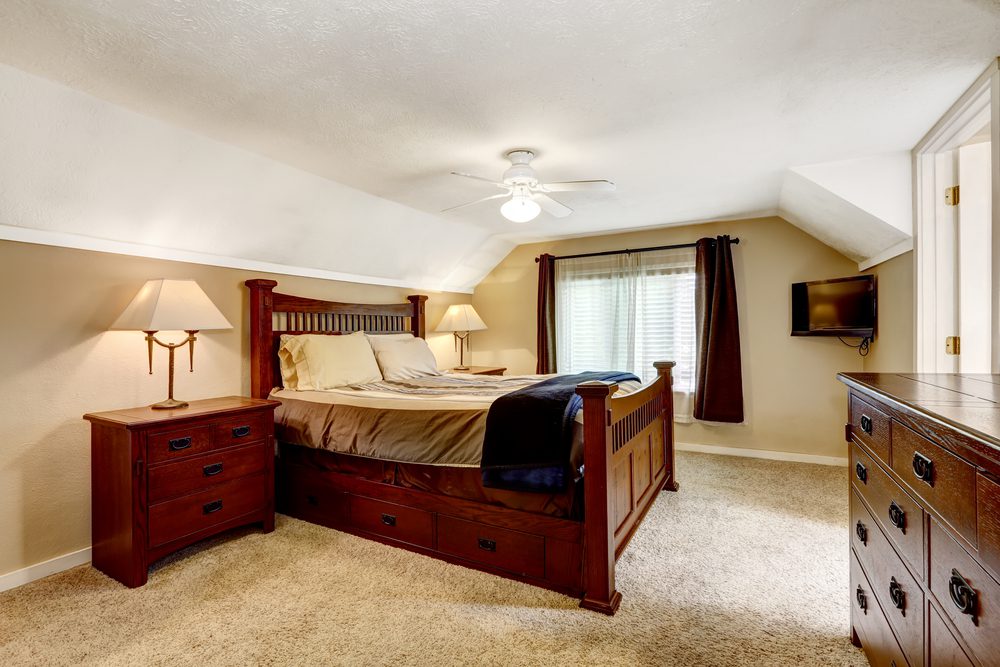
Low ceilings can make a room feel confined and less spacious. Similarly, overhead lighting that is too bright or harsh can create shadows that make a room feel smaller and less inviting.
Consider using wall sconces or table lamps to create a warm, inviting atmosphere. Also, use light-colored paint on ceilings to give the illusion of height.
7. Lack of Mirrors and Reflective Surfaces


Mirrors can visually expand a space by reflecting light and views, making a room feel larger than it is. Reflective surfaces such as glossy paint or shiny finishes on furniture can have a similar effect.
Strategically placing mirrors and utilizing reflective surfaces can significantly enhance the perceived size of your home.
8. Bulky Window Treatments and Curtains

Heavy, bulky window treatments can block light and views, making a room feel smaller. Opt for light, airy curtains or consider blinds or shades that can be fully opened to allow maximum light in.
When closed, these options still provide privacy without making the room feel closed off.
9. Ineffective Use of Vertical Space


When floor space is limited, it’s essential to make use of vertical space. High shelving, wall-mounted storage, and tall furniture pieces can draw the eye upward and make a room feel larger.
Don’t forget about the space above kitchen cabinets or closets – these are perfect areas for display or storage.
10. Overcrowded Wall Décor and Artwork

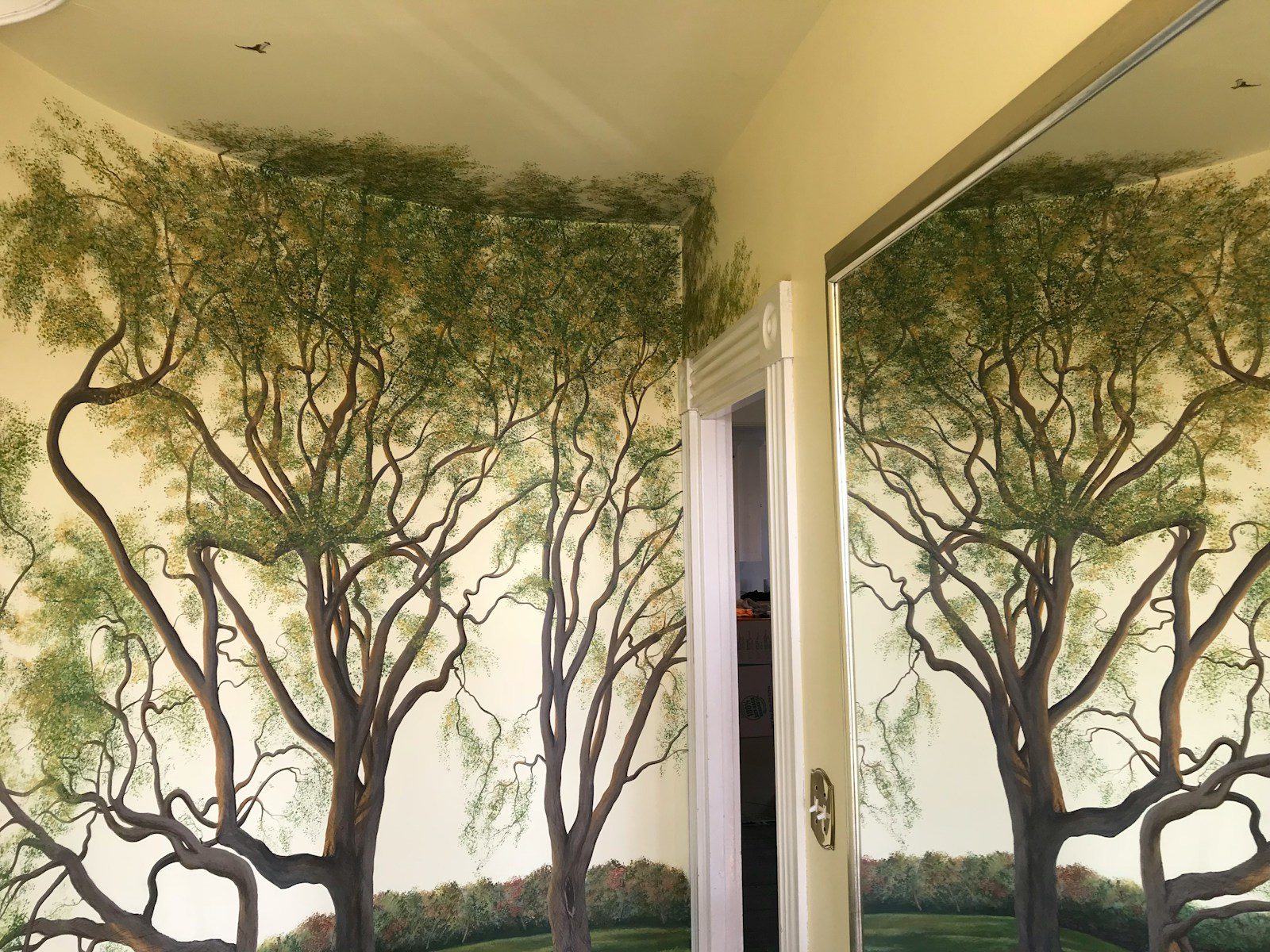
While artwork and wall décor can add character to a room, too much can make a space feel cluttered and smaller. Stick to a few key pieces and ensure they are spaced out and appropriately sized for your walls. A large piece on a small wall, for example, can make the wall feel cramped.
11. Poorly Placed or Misaligned Furniture
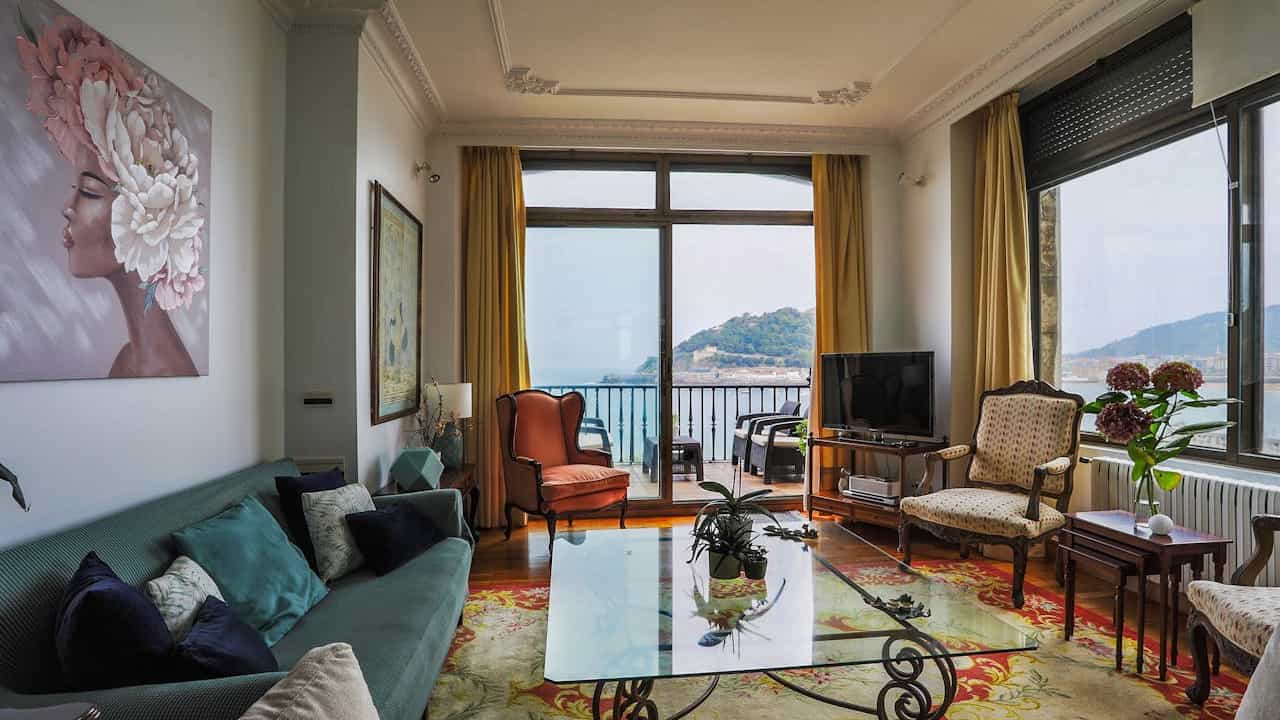
The arrangement of furniture can significantly impact how spacious a room feels. Furniture that is too close together, misaligned, or blocks pathways can make a room feel cramped. Ensure there is enough space to move around comfortably and that furniture is arranged in a way that promotes flow and openness.
12. Lack of Storage Solutions and Built-In Features
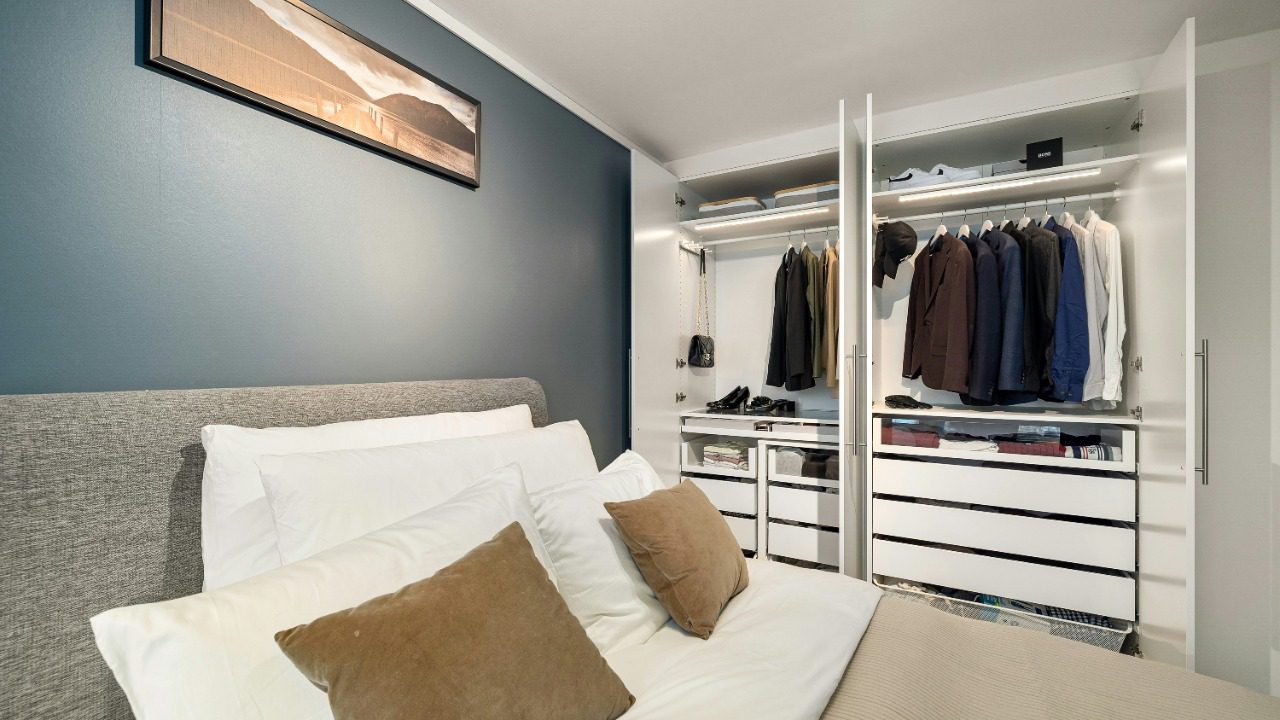
Without adequate storage, items can quickly pile up and make a home feel cluttered and small. Built-in storage solutions such as closets, cabinets, and shelves can provide homes with necessary storage without taking up valuable floor space.
These features not only help to reduce clutter but also can add value to your home. For more advice on creating effective storage, visit this Reddit thread.
13. Excessive Personal Items and Knick-Knacks
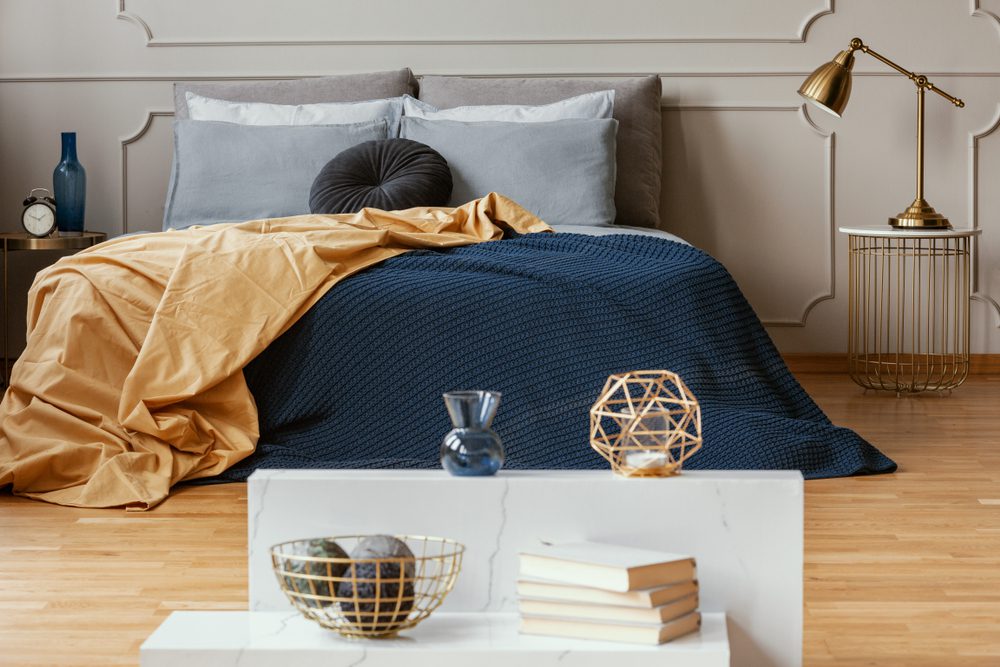
While personal items and knick-knacks can add personality to a home, an excessive amount can create a cluttered, cramped feel. Try to limit the number of personal items on display and consider rotating items seasonally or based on your current interests. This can keep your space fresh and interesting without feeling overcrowded.
By being mindful of these features and making strategic design choices, you can create a home that feels spacious, comfortable, and truly yours. Remember, it’s not about the size of your home, but how you use the space you have. Happy decorating!