

When it comes to home safety, fire hazards are often overlooked. Yet, fires can be devastating, causing loss of life and property. Understanding the potential fire risks in your home and taking preventive measures can significantly reduce the danger and keep your loved ones safe.
Let’s delve into the 13 most common fire risks lurking in every home, and provide you with simple yet effective ways to prevent them.
1. Overloaded Electrical Outlets


Overloading electrical outlets is a common fire risk many of us overlook. Too many appliances drawing power from the same outlet can cause the wiring to overheat and spark a fire. It’s particularly dangerous when high-wattage appliances like heaters, kettles, or hair dryers are involved.
To prevent this, avoid plugging multiple appliances into a single outlet. Keep an eye on the wattage of your devices and ensure you’re not exceeding the outlet’s capacity. Regularly check your outlets for signs of overheating, like scorch marks or a burning smell.
2. Faulty Wiring


Faulty wiring is a major cause of home fires. Old, damaged, or improperly installed wiring can easily spark a fire, often within the walls where it’s not immediately noticeable.
Regular electrical inspections can help detect and fix wiring issues before they become a serious threat. If your lights flicker or your breakers trip often, it’s time to call an electrician. Don’t try to fix electrical issues yourself unless you’re trained to do so.
3. Unattended Cooking
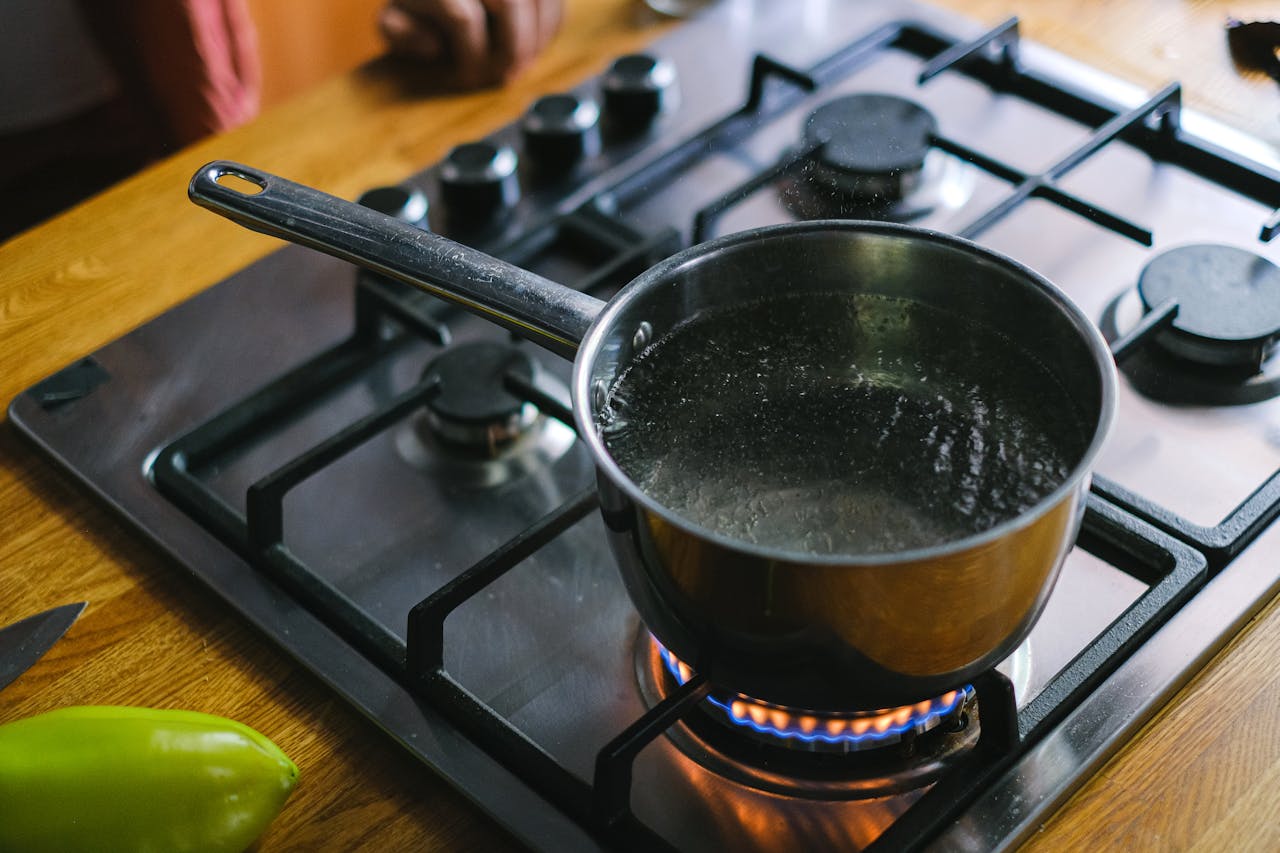
Leaving cooking unattended is the leading cause of home fires. A forgotten pot on the stove can quickly boil dry and catch fire.
To prevent this, never leave your kitchen while cooking, especially when frying, grilling, or broiling. If you must leave, even for a minute, turn off the stove. Keep flammable items like towels and paper away from the stove.
4. Improperly Stored Flammable Liquids


Flammable liquids such as gasoline, paint thinners, and propane can easily ignite if not stored properly. Heat, sparks, or open flames can trigger a fire.
Store flammable liquids outside your home in a cool, well-ventilated area, away from sources of heat or sparks. Keep them in approved containers with tight-fitting lids. Never store these liquids near a heat source or an open flame.
5. Space Heaters


Space heaters are a common source of home fires during the colder months. They can easily ignite curtains, furniture, or other flammable items if placed too close.
To prevent this, keep space heaters at least three feet away from anything that can burn. Always turn them off when leaving the room or going to bed. Choose a model with a tip-over switch, which automatically shuts off the heater if it falls over.
6. Smoking Indoors

Smoking indoors can be a fire risk, especially if the person smokes in bed or leaves burning cigarettes unattended.
To prevent fires, smoke outside whenever possible. Never smoke in bed, and make sure cigarettes are completely extinguished before discarding them. Use deep, sturdy ashtrays, and keep them away from flammable materials.
7. Candles

Candles can create a cozy atmosphere, but they can also cause fires if left unattended or placed near flammable objects.
Always blow out candles before leaving a room or going to sleep. Keep them at least one foot away from anything that can burn. Use sturdy candle holders that won’t tip over easily, and never leave children or pets alone with burning candles.
8. Dryer Vents


Lint buildup in dryer vents can ignite from the heat of the dryer.
Clean the lint filter after each load and check the vent pipe regularly for blockages. Make sure the outdoor vent flap opens when the dryer is on. If it doesn’t, you may have a buildup of lint or debris.
9. Fireplace
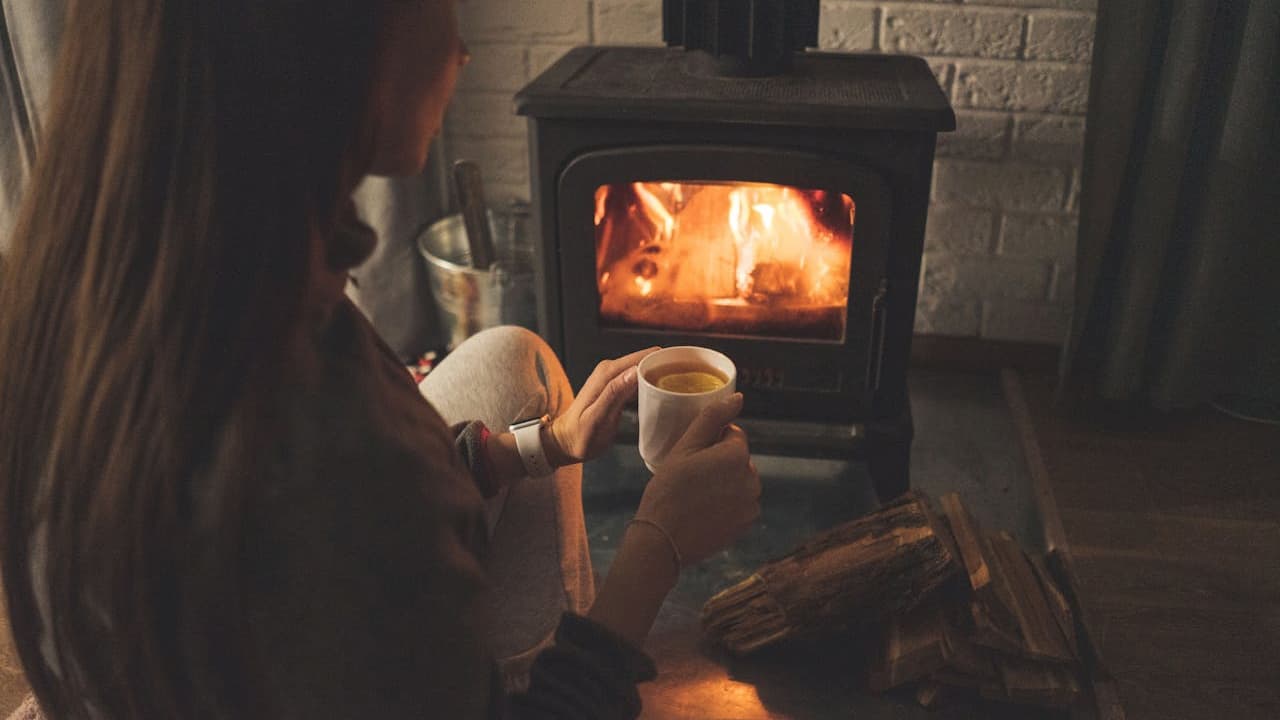
A fireplace can be a great source of warmth and comfort, but it can also be a fire hazard if not properly maintained.
Ensure your fireplace has a sturdy screen to prevent sparks from flying into the room. Keep flammable items at least three feet away from the fireplace. Regularly remove ashes and have your chimney inspected and cleaned annually.
10. Barbecue Grills

Barbecue grills, both charcoal and propane, can pose a fire risk if not used and stored properly.
Keep grills at least 10 feet away from your home and other structures. Never use them indoors or under a canopy. Clean the grill regularly to prevent grease buildup, and check propane tanks for leaks before each use.
11. Christmas Trees

If you celebrate Christmas, a dry Christmas tree can catch fire easily.
Keep your tree well-watered, and place it away from heat sources like fireplaces or vents. Use UL-listed lights, and turn them off when you leave home or go to bed. Dispose of the tree promptly after Christmas, as a dry tree is more flammable.
12. Old Appliances


Old appliances with worn-out wiring can pose a fire risk.
Regularly inspect your appliances for signs of wear and tear. If an appliance frequently trips the circuit breaker, or if it has a frayed cord, it’s time to replace it.
13. Children Playing with Fire
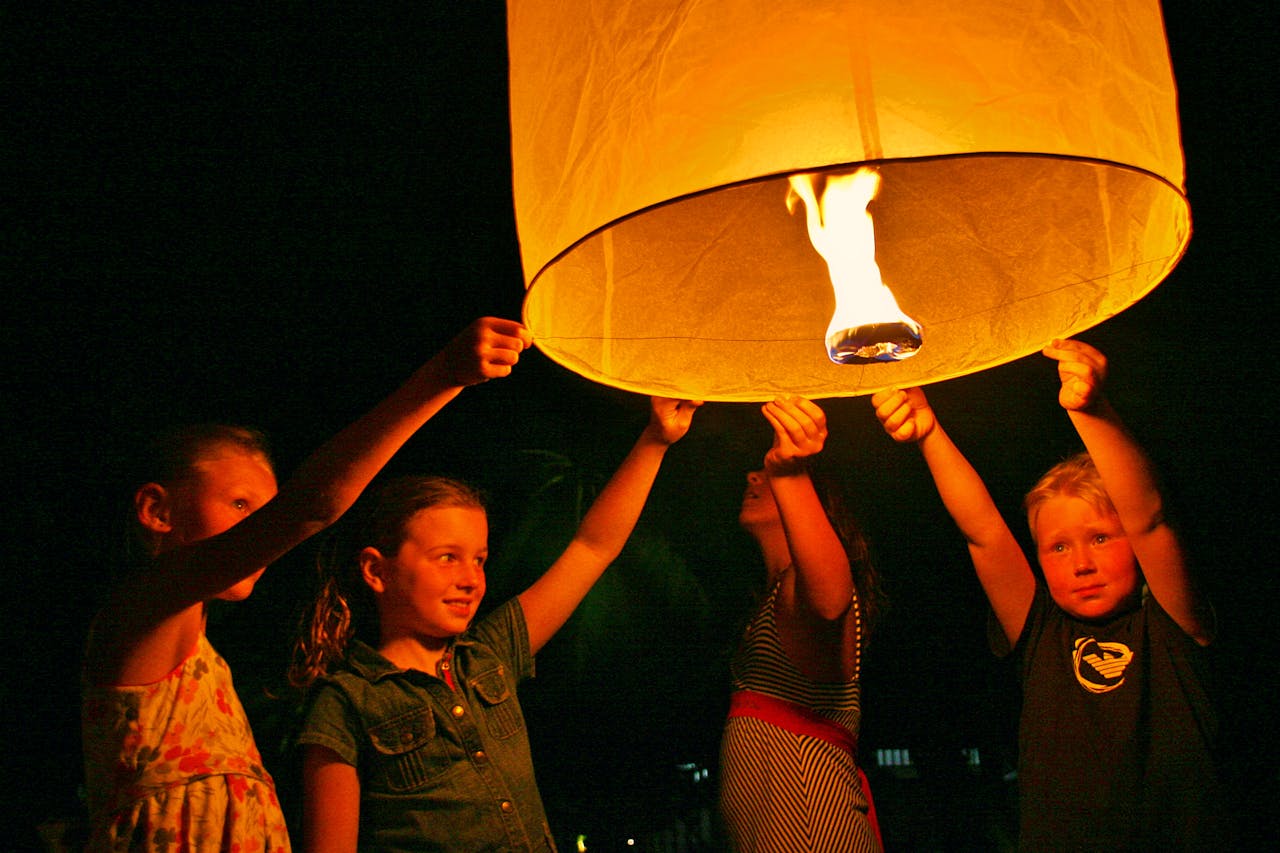
Children playing with matches or lighters can accidentally start a fire.
Keep matches and lighters out of reach of children. Teach them about the dangers of fire, and what to do in case of a fire. It’s important to instill a healthy respect for fire from a young age.
Understanding these fire risks and taking the necessary preventative measures can help make your home a safer place. Remember, it’s always better to be safe than sorry.