


Keeping food fresh in your fridge can sometimes feel tricky, especially when some items spoil faster than you expect. While refrigerators are meant to preserve food, certain foods actually deteriorate quicker in the cold.
Understanding which foods spoil fast in the fridge helps you avoid waste and save money. Knowing how to properly store these items will keep your groceries fresher for longer and reduce frustration when meals don’t last as long as they should.
Strawberries

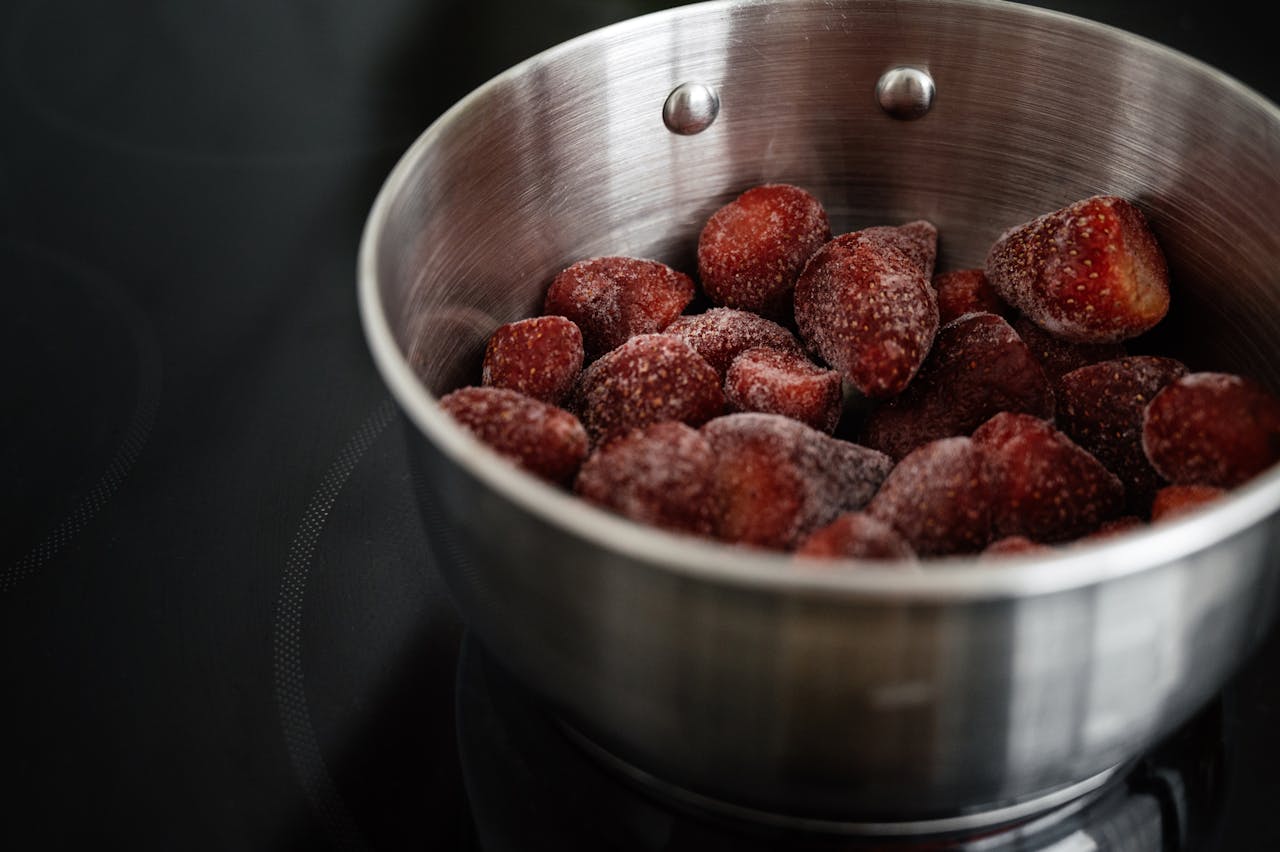
Strawberries spoil quickly in the fridge because they are delicate and absorb moisture easily. To help your strawberries last longer, keep them unwashed and store them in a sealed container lined with paper towels.
Remove any moldy berries right away to prevent spreading. This simple care will keep your strawberries fresher and tastier for several days.
Blueberries


You’ll find blueberries last longer than other berries because of their thicker skins. Typically, they can stay fresh for about one to two weeks in your fridge.
To keep them fresh, store blueberries dry and avoid washing them until you’re ready to eat. Moisture speeds up spoilage. If you want to keep them even longer, freezing is a good option. Frozen blueberries retain most of their nutrients and flavor.
Raspberries
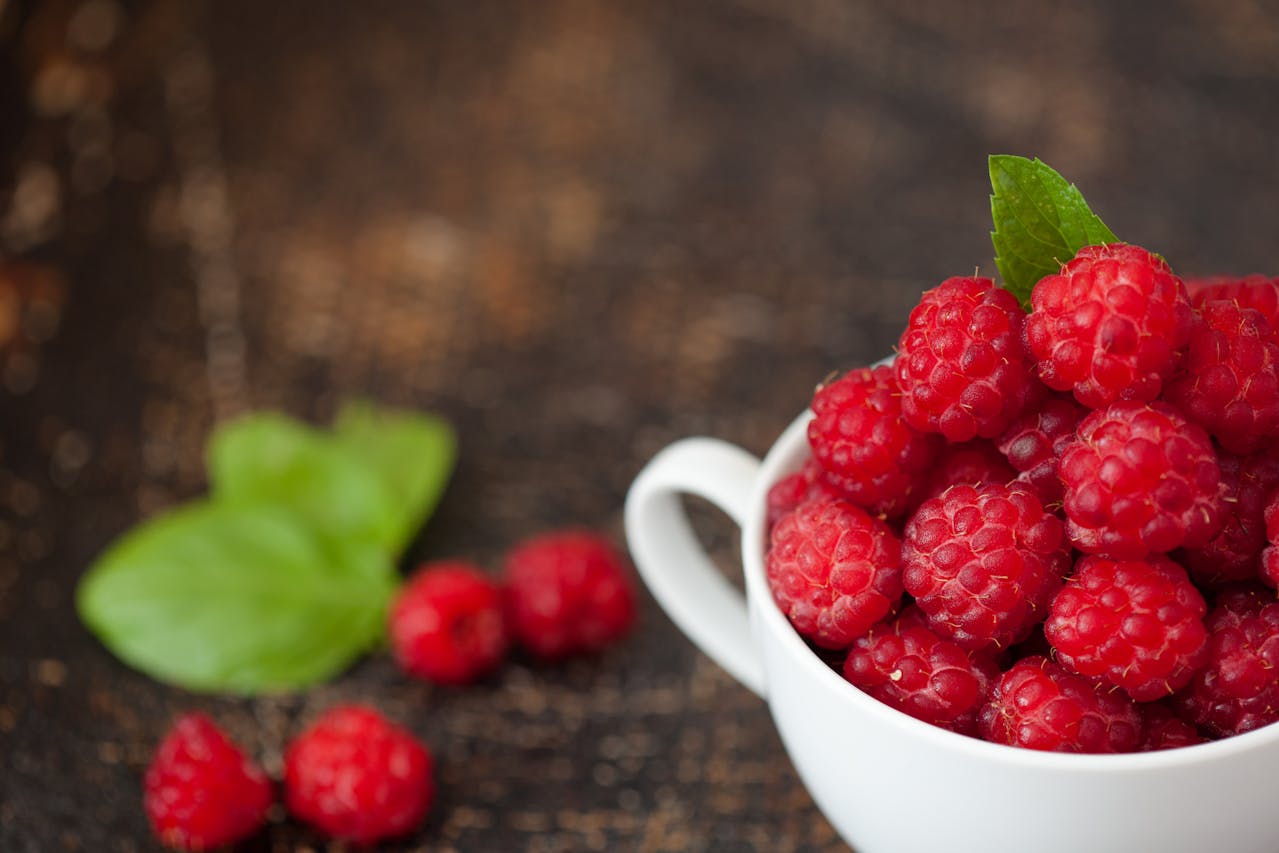
Raspberries are delicious but delicate. They usually last about three to seven days in the fridge. To help keep them fresh, avoid washing until just before eating. Excess moisture speeds up spoilage.
You can try soaking them briefly in a vinegar-water mix, then drying thoroughly before storing. This can reduce mold growth. Store raspberries in a breathable container to prevent trapped moisture and extend their shelf life.
Avocados

If you put your avocados in the fridge too soon, they might ripen unevenly or turn dull. It’s best to keep them on the counter until they’re ripe. Once ripe, you can refrigerate them to slow down spoilage. But before that, cold temperatures can actually make them go bad faster.
To keep your avocados fresh longer, wait for them to soften a bit at room temperature first. This way, you get the best taste and texture.
Kale

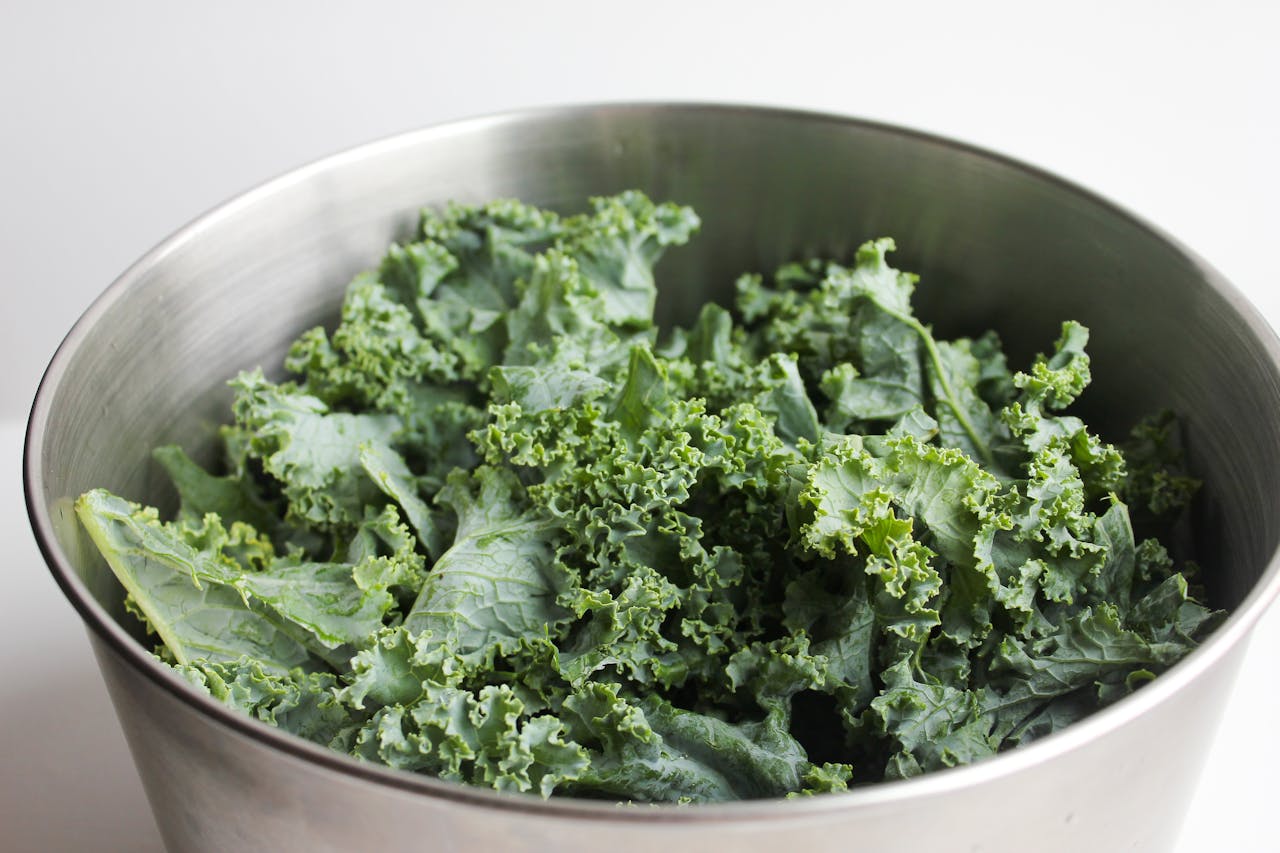
Kale is a healthy leafy green, but it doesn’t last long in the fridge. You’ll usually find it good for about a week if stored properly.
To keep your kale fresh, try storing it in the crisper drawer and wrapping it in a damp paper towel. This helps maintain moisture without making it soggy.
If you can’t use it fast enough, freezing kale is a great option. It keeps the nutrients and lets you have it ready for smoothies or cooking later.
Tomatoes
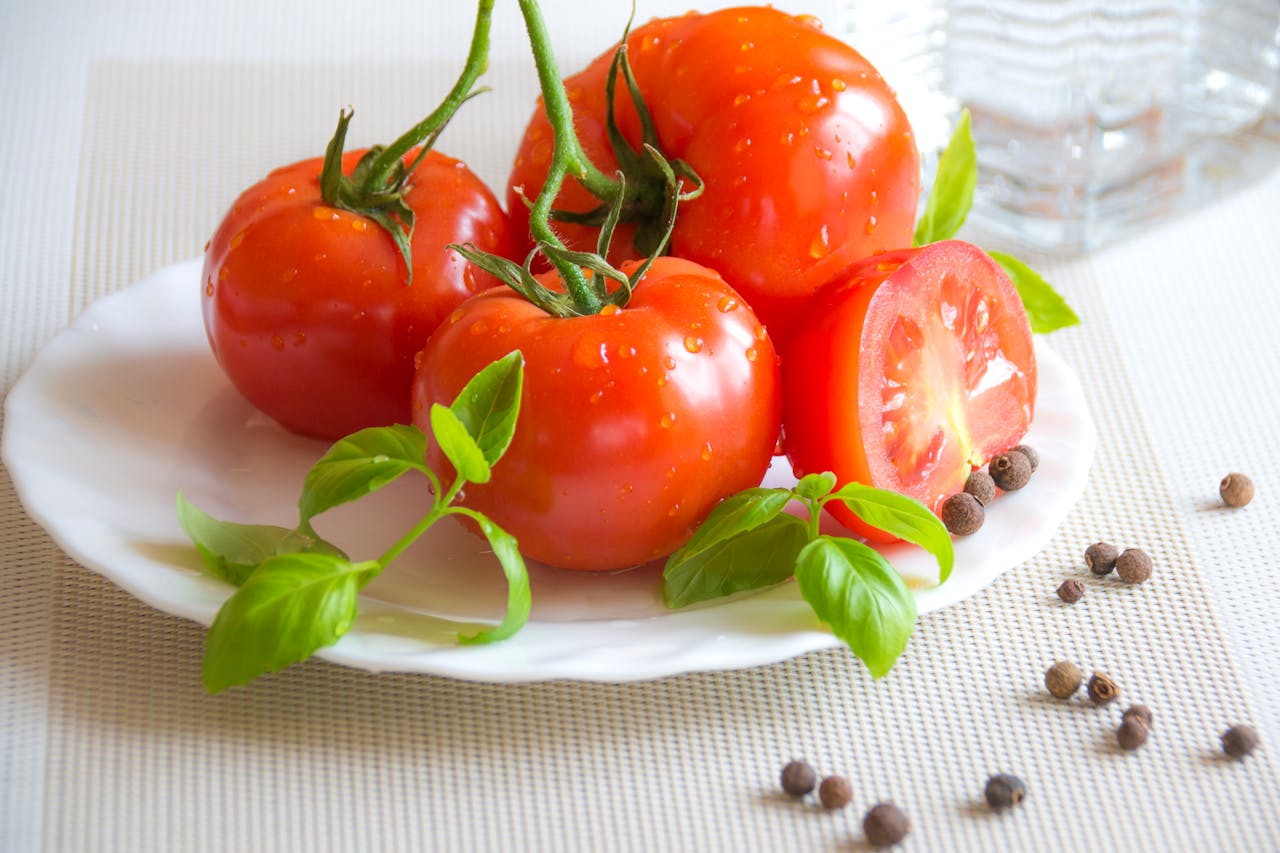
You might think keeping tomatoes in the fridge helps them last longer, but it can actually harm their flavor. Cold temperatures make tomatoes mealy and mushy, changing their texture.
It’s best to store tomatoes at room temperature, away from direct sunlight. This way, they stay firm and tasty for a few more days. If your tomatoes become very ripe, you can refrigerate them to slow spoilage, but try to eat them soon after.
Mushrooms
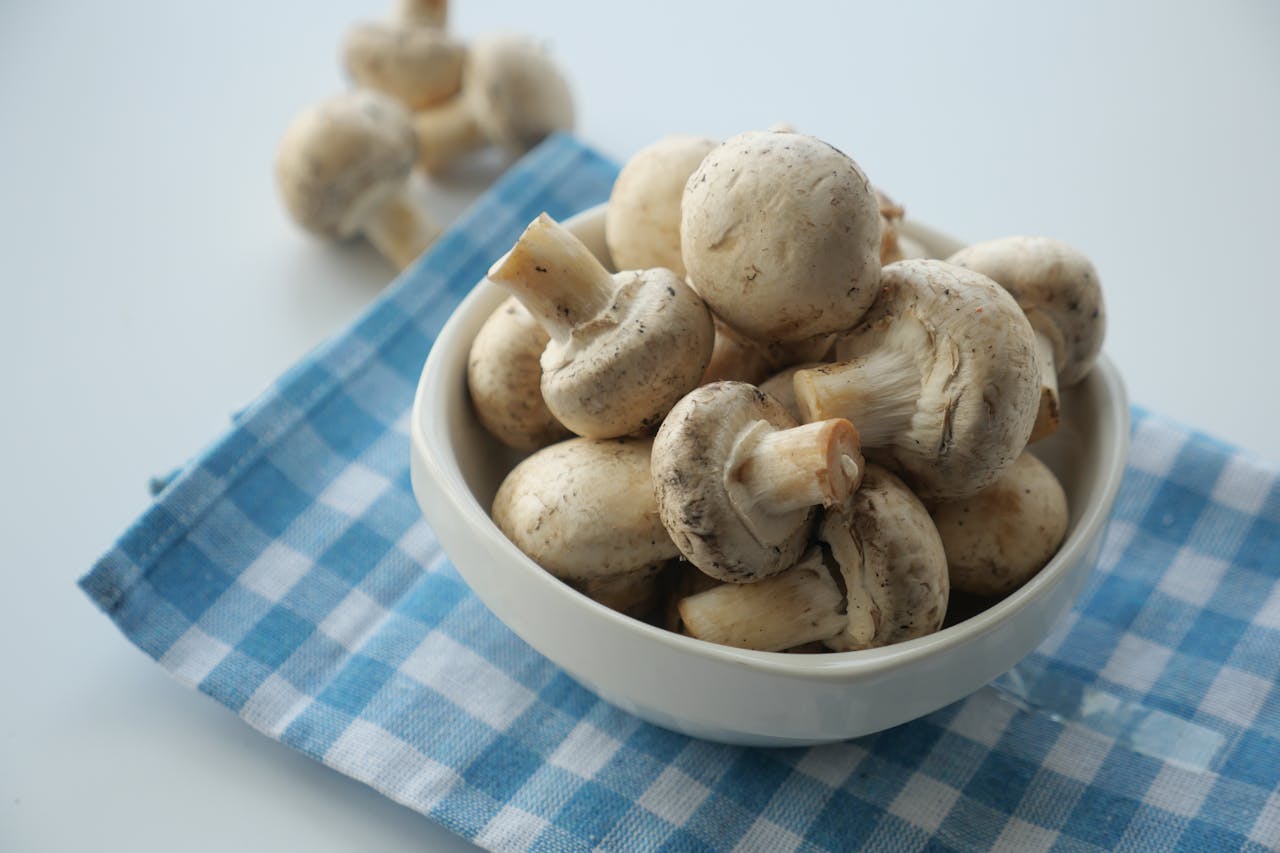
If you keep mushrooms in the fridge, they can spoil faster than you might expect. When sliced, mushrooms spoil more quickly because more surface area is exposed to air and moisture.
To keep them fresh longer, try storing your mushrooms in a paper bag. This helps absorb excess moisture and lets them breathe, extending their freshness for up to 10 days. Avoid plastic bags, which trap moisture and speed up spoilage.
Cooked brown rice

If you’ve cooked brown rice, it’s best to eat it within 3 to 4 days when stored in the fridge. Brown rice spoils faster than white rice because of its natural oils.
Make sure to cool your rice quickly after cooking and store it in an airtight container. This helps keep it fresh and safe to eat. If you don’t plan to eat it soon, freezing cooked brown rice is a good option. It can last up to six months in the freezer.
Hummus

You might be surprised how quickly hummus can spoil once opened. Homemade hummus usually lasts about three to four days in your fridge.
Store-bought hummus can keep longer, roughly six to seven days, thanks to preservatives and pasteurization.
Be sure to check for any off smells or mold before eating, as hummus can become a breeding ground for bacteria if left too long. Keep it refrigerated and sealed tightly to help it last.
Yogurt

Yogurt is a delicious and healthy snack, but it doesn’t last very long once opened. You should try to eat it within about a week after opening to avoid spoilage.
Even unopened yogurt can go past its sell-by date by a couple of weeks if kept cold. Still, always check for any changes in smell, texture, or taste before eating.
If you see mold or notice a sour smell, it’s best to throw it away to keep yourself safe.
Fish fillets

Fish fillets spoil quickly, even when kept in the fridge. You should store them at temperatures close to 0°C (32°F) for best freshness.
Using crushed ice can help keep your fish colder for longer. Try to use your fish within 3 to 4 days to avoid spoilage.
If you keep them for too long, the texture and taste will degrade. Proper storage and quick use are key to enjoying fresh fish.
Leafy greens
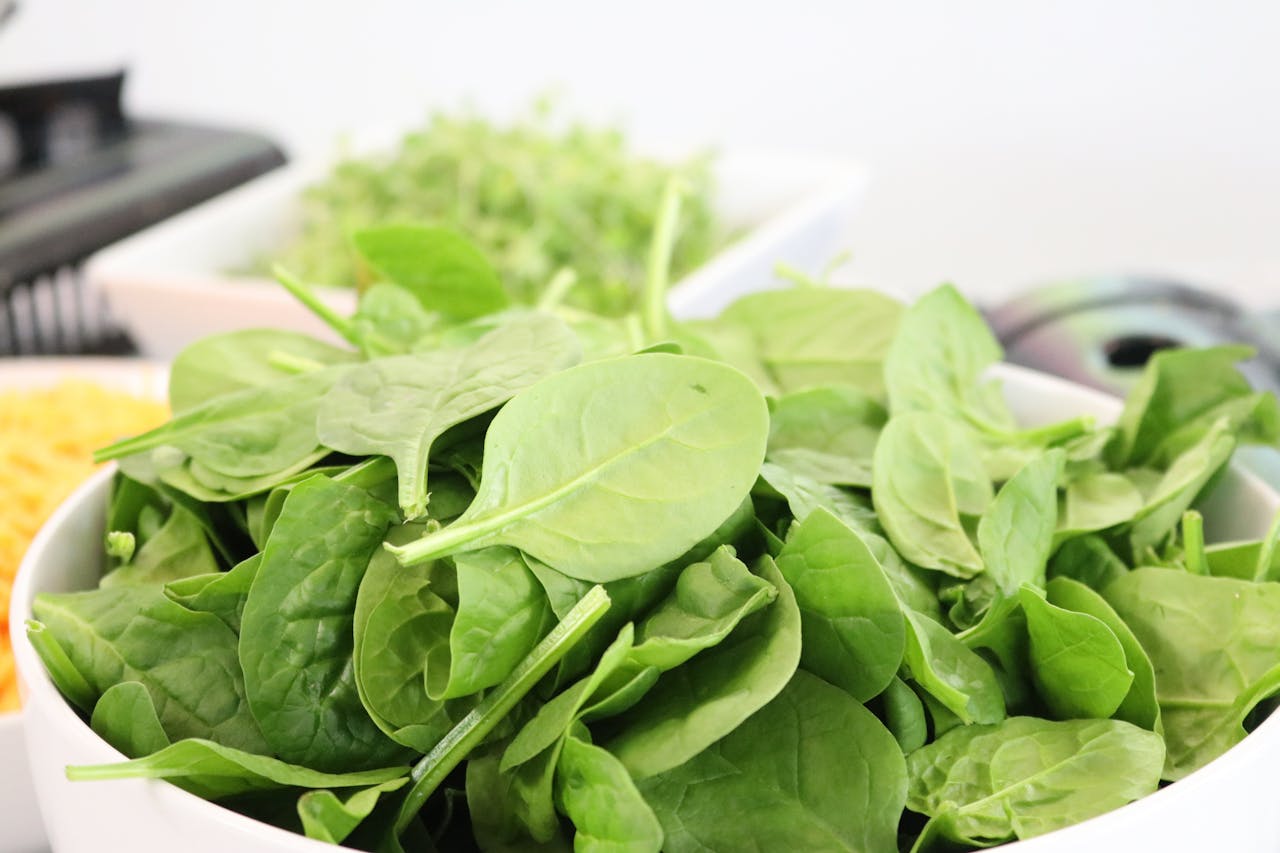
Leafy greens like kale, spinach, and lettuce are healthy but tend to spoil quickly in the fridge. You’ll notice they can wilt or turn slimy within a few days.
Cold temperatures can sometimes cause these greens to lose texture and freshness faster. To keep them longer, try storing them in airtight containers with paper towels to absorb moisture.
Onions

If you store whole onions in the fridge, they can become soggy and spoil faster because of moisture. It’s better to keep them in a cool, dry place with good air circulation.
Once you’ve cut an onion, wrap it tightly and place it in the fridge. Use it within a week to keep it fresh and avoid strong odors.