

Tackling home projects yourself can be rewarding and save money. However, not every task is a smart choice for DIY, especially when safety or costly mistakes are involved.
Knowing which items to avoid handling on your own can prevent accidents and protect your investment. This guide will help you recognize when it’s best to call in a professional instead of risking a DIY approach.
Removing structural walls

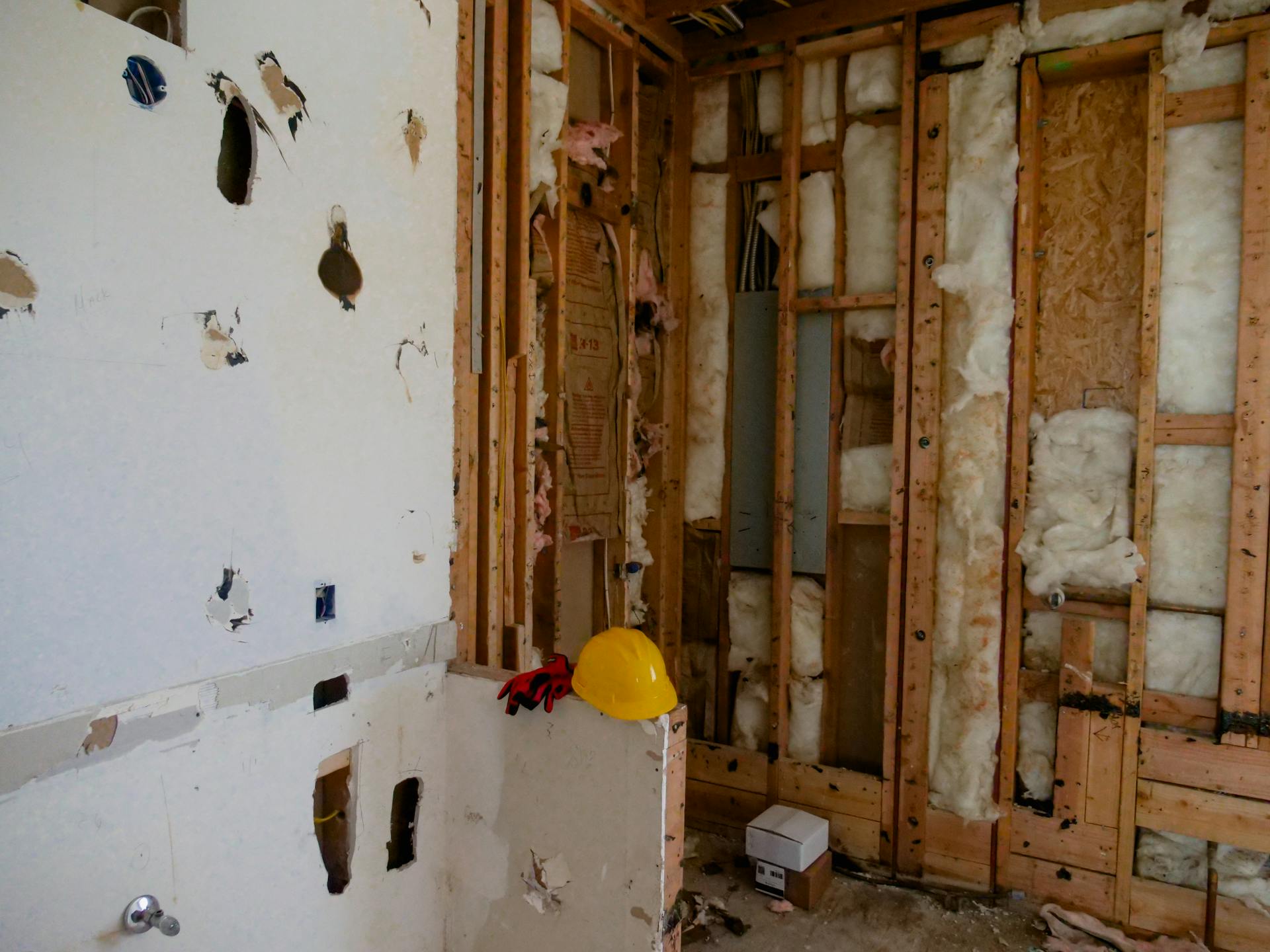
Removing a structural wall is risky and should not be a DIY project. These walls support your home’s weight, and taking one down without proper support can cause serious damage.
You need a professional to assess which walls are load-bearing. They will design the right support beams to keep your home safe.
Trying this yourself could lead to costly repairs or even collapse. Always call a contractor or structural engineer for help.
Electrical rewiring


If you’re thinking about rewiring your home, it’s best to leave this job to a professional. Electrical systems are complex, and mistakes can create serious safety risks.
Trying to move outlets or change wiring on your own can lead to fires or damage that’s costly to fix. A licensed electrician knows how to handle these tasks safely and up to code.
Your home’s wiring affects everything from lighting to appliances, so proper installation matters a lot. It’s not just about saving money—it’s about keeping your home and family safe.
Installing HVAC systems


You should avoid installing HVAC systems yourself. These systems are complex and require precise handling to work safely and efficiently.
Improper installation can lead to safety risks and costly damage. It may also void your warranty, leaving you unprotected.
Hiring a professional ensures your system is installed correctly. This helps keep your home comfortable and your equipment running smoothly.
Major plumbing repairs


When it comes to major plumbing repairs, it’s best to call a professional. Issues like broken pipes, sewer line problems, or replacing water heaters require specific tools and expertise.
Trying to fix these yourself can cause water damage or make the problem worse.
Simple tasks, like changing a showerhead, are okay to try. But anything more complex should be left to experts to save you time and avoid costly mistakes.
Kitchen renovations


When you think about renovating your kitchen, it might seem like a fun DIY project. But the reality is, it involves complex tasks like plumbing, electrical work, and structural changes.
If you overlook any of these, it can cause bigger problems later. Hiring a professional ensures your kitchen is safe, functional, and up to code. This saves you time and stress in the long run.
Bathroom remodels


Bathroom remodels can quickly become complicated and costly if you try to do everything yourself. Plumbing and electrical work require specific skills to ensure safety and code compliance.
It’s best to plan your remodel in detail before starting. This helps avoid costly mistakes and delays.
Also, budgeting carefully and including a contingency fund can keep your project on track without surprises. Leave structural changes and major installations to experienced professionals.
Roof repairs


Roof repairs can be tricky and risky to handle on your own. Climbing on your roof puts you at risk of falls or injury.
Damaged roofs often look like a tempting DIY job to save money, but improper repairs can lead to leaks and bigger problems.
Hiring a professional ensures the job is done safely and correctly, protecting your home from future damage.
Foundation repairs

If you notice cracks, uneven floors, or doors that stick, your foundation might need repair. These issues can get worse quickly, so don’t wait to address them.
Foundation repairs require specialized tools and expertise. Trying to fix them yourself can lead to bigger problems and higher costs.
It’s best to call a professional who knows how to assess and repair your foundation safely and effectively. This ensures your home stays stable and secure.
Asbestos removal


You should never try to remove asbestos yourself. Disturbing it can release harmful fibers into the air, putting your health and family at risk.
Professionals have the right training, equipment, and licenses to handle asbestos safely. They also follow legal rules that protect you and your home.
If you suspect asbestos, avoid touching, drilling, or cutting it. Instead, call a licensed expert to assess and remove it safely.
Gas line work


You should never try to handle gas line work yourself. It requires specialized knowledge and certification to do it safely.
A licensed professional has the right tools and training to spot and fix issues without risking leaks or accidents.
Even small mistakes can lead to dangerous gas leaks. It’s best to leave this to experts for your safety and peace of mind.
Building home additions

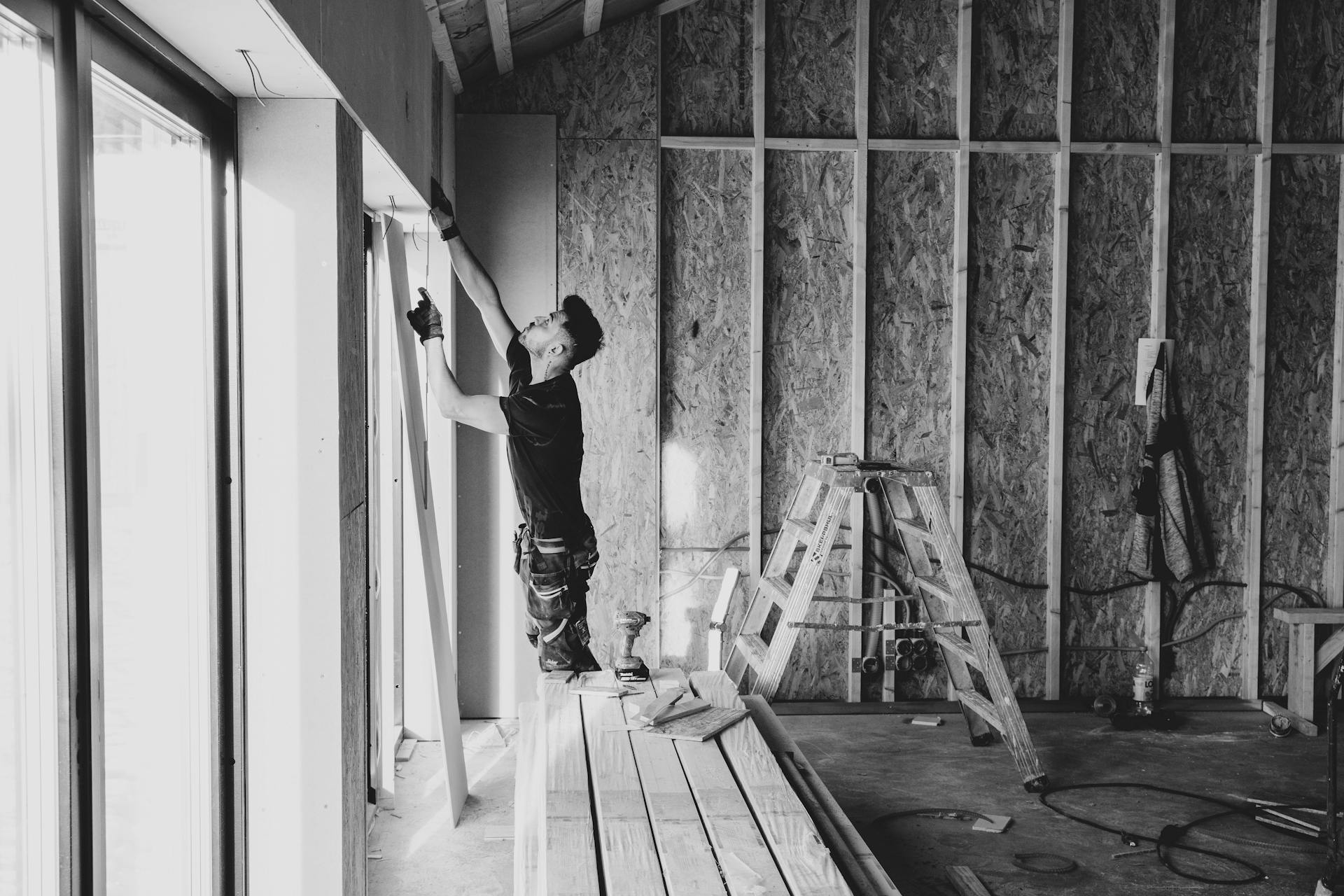
Adding a room or extending your home is a big job. It involves permits, detailed plans, and foundation work that must meet safety codes.
If you try it yourself, you might miss important details or face costly mistakes. Professionals coordinate each step to make sure everything fits together properly.
Hiring experts can save you time and stress. They ensure your addition is both safe and built to last.
Installing solar panels
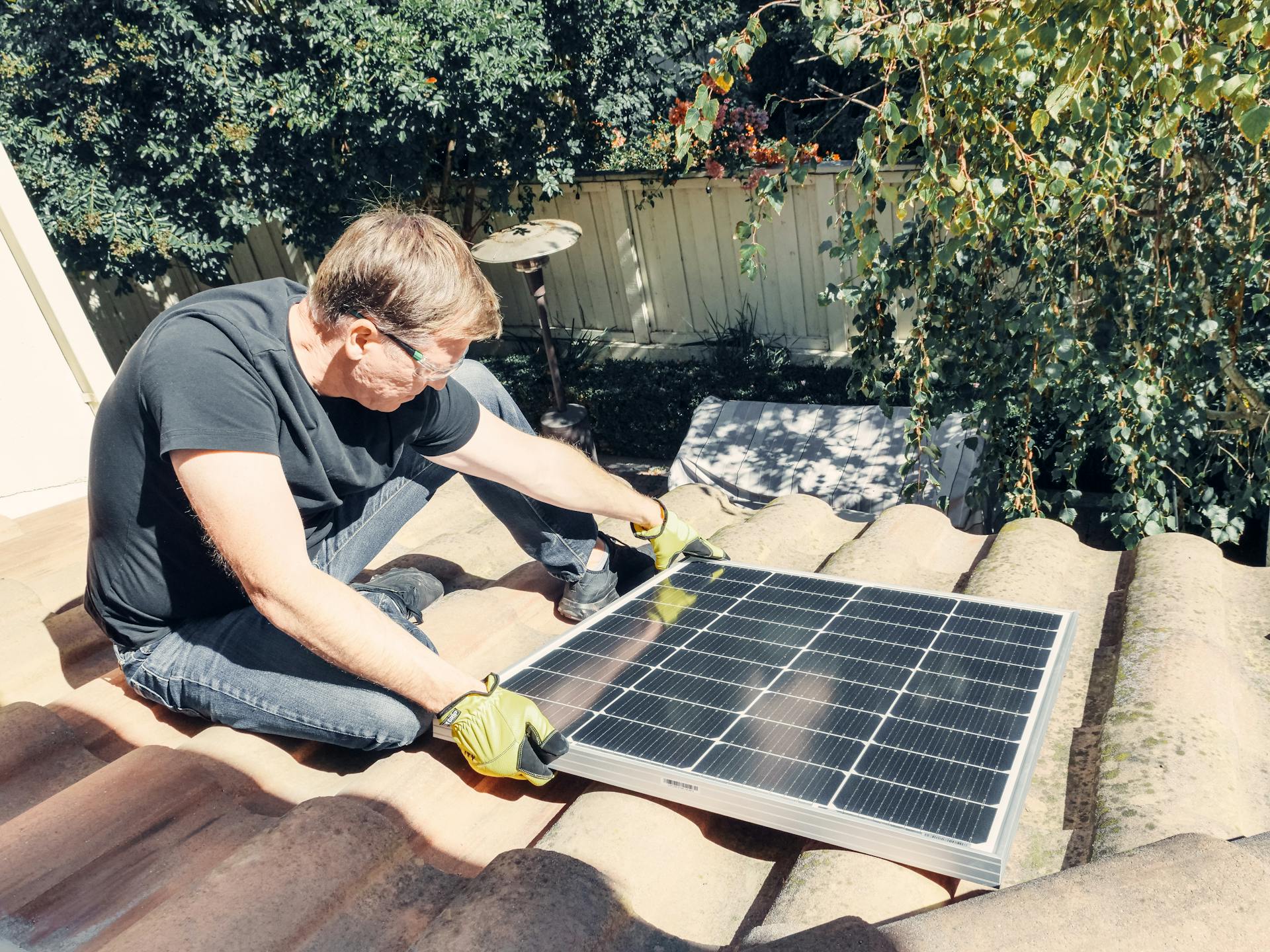
You might be tempted to install solar panels yourself to save money. However, this job requires electrical expertise and knowledge about roof conditions to ensure safety and durability.
Professional installers handle permits, warranties, and maximize your system’s efficiency. They also make sure you qualify for government rebates, which often require certified installation.
If you lack experience, a DIY solar project could lead to costly mistakes or even void incentives. It’s usually best to trust the experts for this one.
Swimming pool construction


Building a swimming pool is a big project that can quickly become overwhelming. You should never underestimate the time, cost, or complexity involved.
Mistakes during construction can lead to costly repairs later. It’s best to hire professionals rather than trying to do it all yourself.
Proper planning and budgeting help avoid surprises. Skipping these steps might cost more time and money than you expect.