


Every generation has its quintessential items that defined their household experiences. For Baby Boomers, those who were born between 1946 and 1964, these items are often nostalgic, bringing back memories of simpler times.
However, as technology advances and trends change, many of these beloved items have fallen out of favor or have been replaced by more modern or efficient versions.
This doesn’t mean they’re forgotten – in fact, they may be hiding in your attic or basement right now! Let’s take a nostalgic trip down memory lane and look at 13 household items Boomers loved that no one uses anymore.
1. Rotary Dial Phones


Remember when making a call involved a little bit more muscle and patience? Rotary dial phones were a common sight in many Boomer households. These telephones were known for their circular dial with numbered holes corresponding to the digits of the phone number.
Rotary phones were replaced by push-button phones in the late 1970s and early 1980s. Today, with the prevalence of smartphones, it’s rare to see a landline, let alone a rotary phone. Despite their obsolescence, they still hold a certain charm and are often used as a vintage decorative piece.
2. Manual Typewriters


Before computers and word processors, manual typewriters were the go-to device for creating documents. Boomers would remember the distinct clackity-clack sound of the keys and the ding of the carriage return.
Now, typewriters have been replaced by computers and laptops, making document creation faster and more efficient. However, typewriters still hold a special place in the hearts of many Boomers and some writers who enjoy the tactile experience of typing on them.
3. Milk Delivery


In the Boomer era, it was standard to have fresh milk delivered right to your doorstep. This was often done by a milkman who would drop off glass bottles of milk in a milk chute or on the porch.
Today, with the convenience of supermarkets and the introduction of long-life milk, this service has largely disappeared. However, in some areas, milk delivery has seen a resurgence as part of a push for sustainable and local food sources.
4. Encyclopedias

Before the age of the internet and Google, encyclopedias were the primary source of information. Families would often have a set proudly displayed on a bookshelf.
With the rise of the internet and online resources, physical encyclopedias have become obsolete. However, they still serve as a reminder of a time when finding information required a bit more effort than a simple click.
5. Record Players

Record players and vinyl were the mainstays of music listening for Boomers. The warm, analog sound of a record player is something that many Boomers remember fondly.
While digital music has largely taken over, vinyl has seen a resurgence in recent years, with many music enthusiasts appreciating the unique sound quality and physicality of records.
6. Slide Projectors


Slide projectors were a common way to view photographs in the Boomer era. Family photo viewing often involved gathering around the projector and watching as the slides were manually changed.
With the advent of digital photography and online photo sharing, slide projectors have fallen out of use. However, they are often used by artists and photographers for their unique aesthetic and nostalgic appeal.
7. Cassette Tapes


Cassette tapes were a popular medium for music in the Boomer era. They allowed people to record and listen to their favorite songs, and even make mixtapes for their friends.
With the rise of CDs, digital music, and streaming services, cassette tapes have largely been phased out. However, like vinyl records, they have seen a resurgence among music enthusiasts for their unique sound and nostalgic appeal.
8. VHS Tapes

VHS tapes were the primary means of recording and watching movies and TV shows in the Boomer era. Families would often have a collection of their favorite films on VHS.
With the rise of DVDs, Blu-ray, and streaming services, VHS tapes have become obsolete. However, they are often collected by film enthusiasts for their nostalgic appeal.
9. Film Cameras

In the Boomer era, taking a photo meant using a film camera. This required a certain level of skill and patience, as you had to wait for the film to be developed to see your photos.
With the rise of digital cameras and smartphones, film cameras have largely fallen out of use. However, they are often used by photographers for their unique aesthetic and the unpredictability of film.
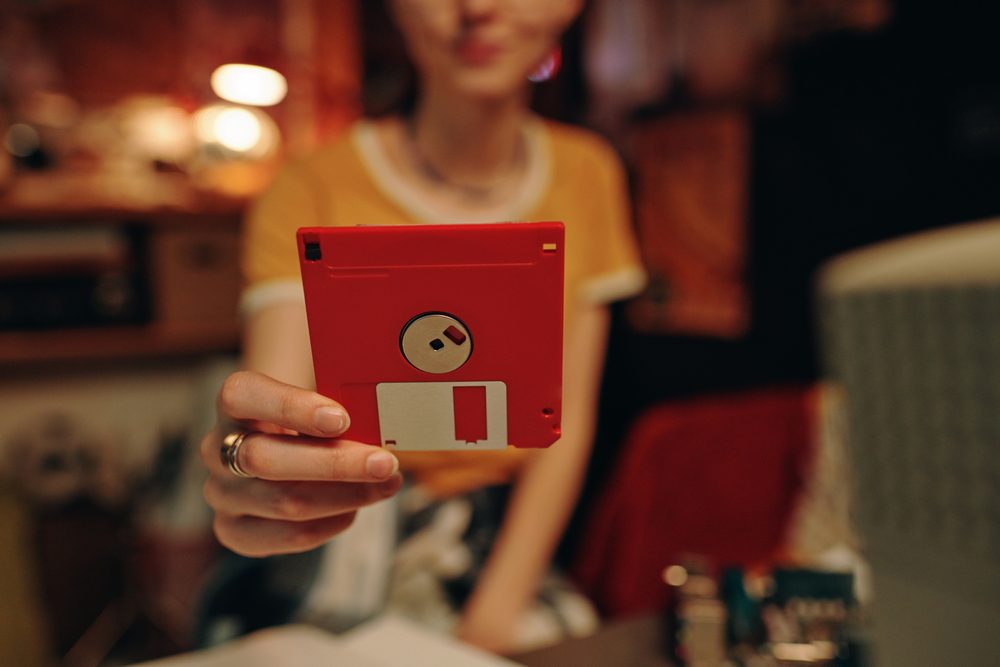
10. Floppy Disks


Floppy disks were the primary means of storing and transferring data in the Boomer era. They were commonly used in both personal computers and in workplaces.
With the rise of CDs, USBs, and cloud storage, floppy disks have become obsolete. However, they are often used as a symbol of the early days of personal computing.
11. Clothesline

In the Boomer era, drying clothes often involved hanging them out on a clothesline. This method of drying is energy-efficient and can help clothes last longer.
With the convenience of dryers, clotheslines have largely fallen out of use in many areas. However, they are often used in places where energy conservation is a priority, or where the climate allows for quick outdoor drying.
12. Ashtrays

With smoking more prevalent in the Boomer era, ashtrays were a common sight in many households and public spaces.
With the decrease in smoking rates and increased awareness of the health risks, ashtrays have become less commonplace. However, they are often used as a vintage decorative item or repurposed for other uses.
13. Analog Clocks


Analog clocks, with their moving hands and ticking sound, were a standard feature in many Boomer households.
With the prevalence of digital clocks and time displays on smartphones and other devices, analog clocks have become less common. However, they are often used as a decorative piece and a way to teach children about time.