

When it comes to organizing your home or planning for the future, not every item you treasure will hold the same value for your children. You might have things stored away that seem important to you but don’t spark the same interest or meaning for the next generation. Understanding what your kids are unlikely to want can help you focus on what truly matters.
Knowing which items your children won’t want you to keep can make it easier to declutter and pass on the right things. This way, you avoid holding onto unnecessary clutter and create space for memories and belongings that have real significance for your family.
Outdated Tech Gadgets


You probably have old gadgets lying around that your kids won’t recognize or want. Devices like Walkmans, floppy disks, or film cameras seem strange to them today.
These items may hold memories for you, but for your children, they often just take up space. Unless something still works or has true value, it’s okay to let it go.
Keeping bulky boomboxes or outdated electronics can clutter your home without adding much benefit. Your kids are more interested in modern, easy-to-use devices.
Old Trapper Keeper Notebooks


You might have a stack of Trapper Keeper notebooks from when you were a kid. These colorful binders were popular for keeping school papers organized.
Your children probably won’t be interested in holding onto them. They see them as outdated and bulky compared to digital options. If you keep these notebooks, try to sort through them with your child. It can be a chance to share memories but also clear clutter.
Silver-Plated Serving Bowls

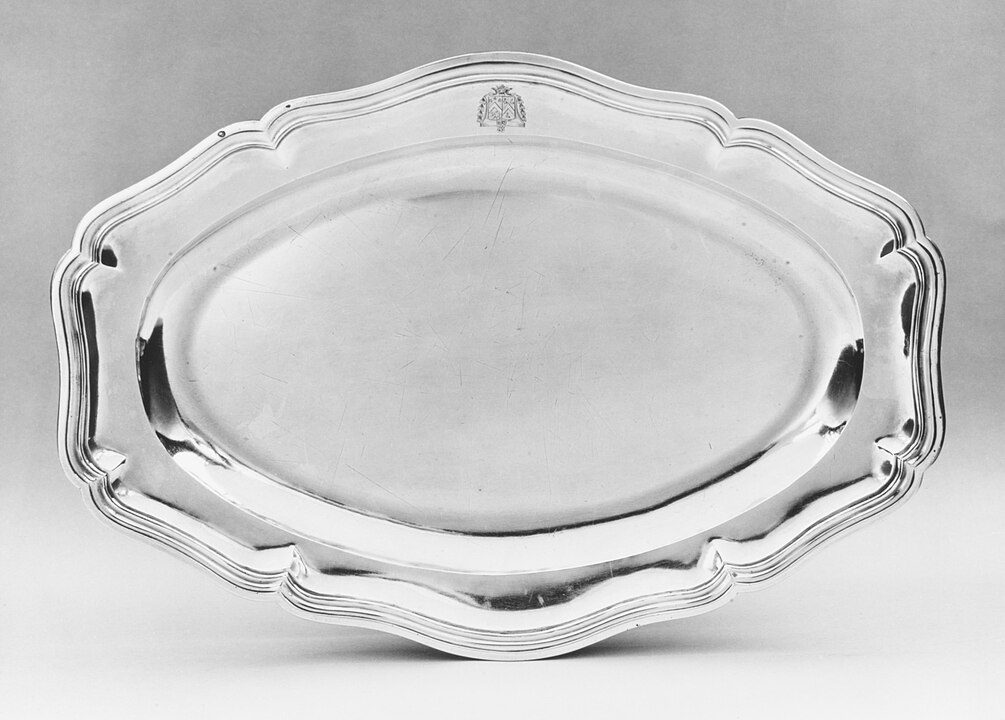
You might treasure your silver-plated serving bowls for their beauty or family history. However, your children often see them as old dishes taking up space.
These bowls can be heavy to handle and require regular polishing, which many younger people don’t want to manage. If you want to keep the memory, consider taking photos before donating or selling them.
Vintage Candy Dishes

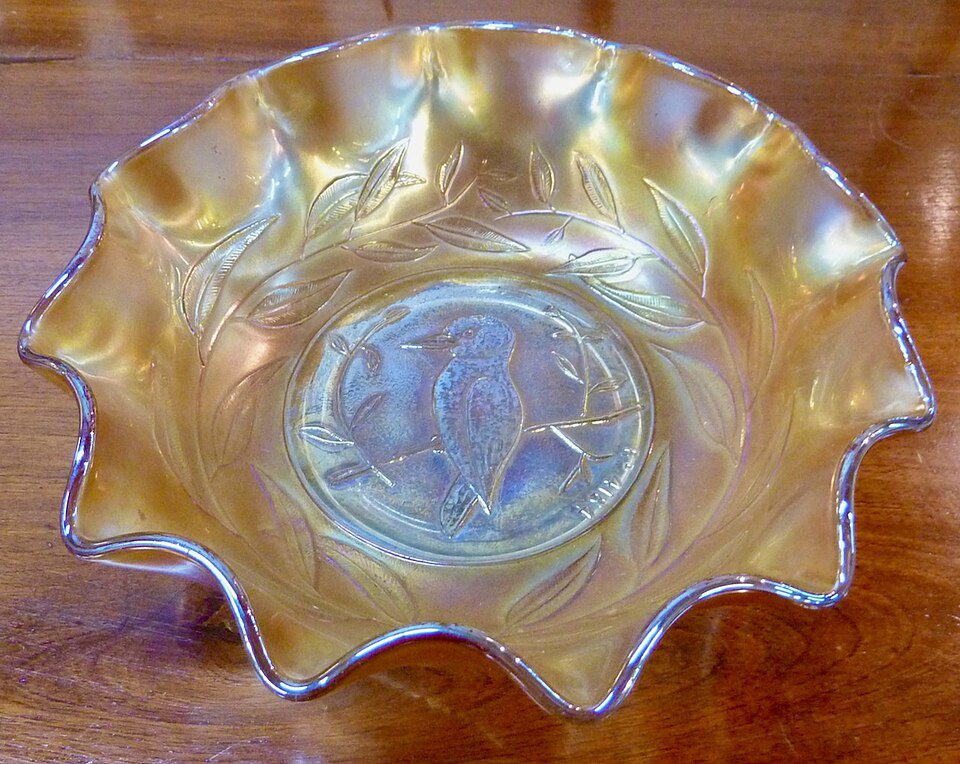
You might treasure vintage candy dishes for their charm or family memories. However, your children may not share the same appreciation. These dishes often require careful handling and storage, which younger generations might find inconvenient.
If you want to keep them in the family, it’s helpful to explain their value and care needs. Otherwise, they could end up forgotten or unused.
1st Generation iPods


You might still have a 1st generation iPod lying around, but your kids probably won’t want it. These devices are outdated and have limited functionality compared to modern gadgets.
If you plan to use it, make sure it’s updated to the latest system available, but browsing or apps might not work well. Your children will likely prefer something newer with better features and faster performance.
Polished Sterling Silver Flatware

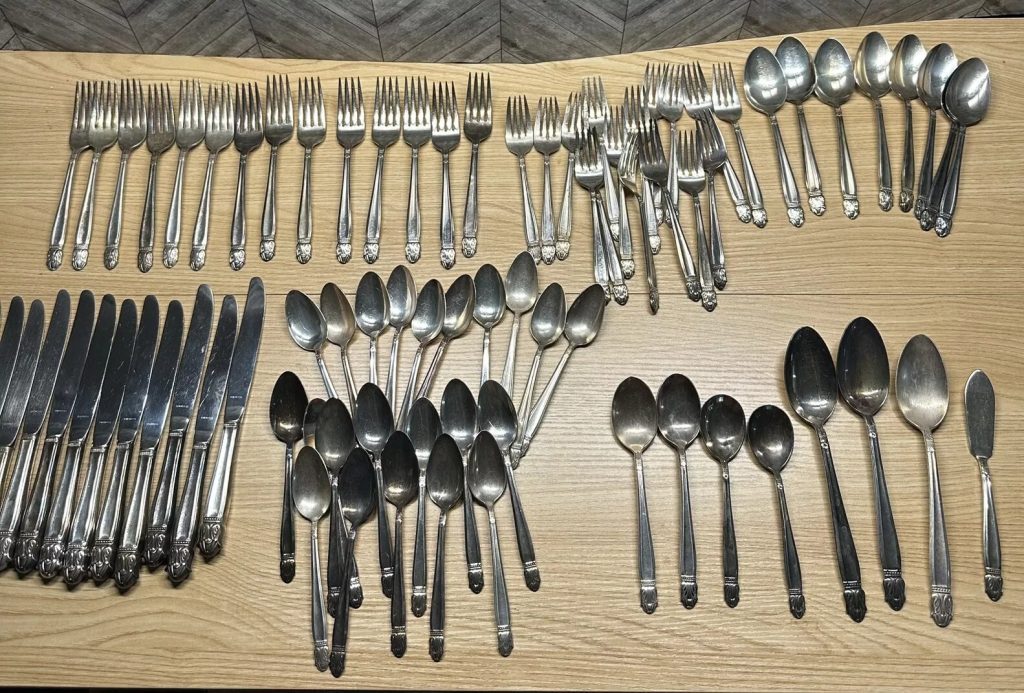
You might have a set of polished sterling silver flatware passed down through generations. While it looks elegant, your children may not see the same value in it.
Sterling silver requires careful hand-washing and drying, which can feel like a chore. Formal dining is less common now, so these sets often go unused.
If you want to keep it, expect to maintain it regularly, or consider selling individual pieces online if you want to lighten your load.
Grandma’s China Sets


You might feel attached to your grandma’s china sets because of the memories they hold. However, many younger people don’t see the value and often prefer more practical, everyday dishes.
If you want to keep the legacy alive, consider using or displaying a few special pieces. Sharing stories about their history can help give them meaning beyond just being dishes.
Heavy Wooden Dining Tables

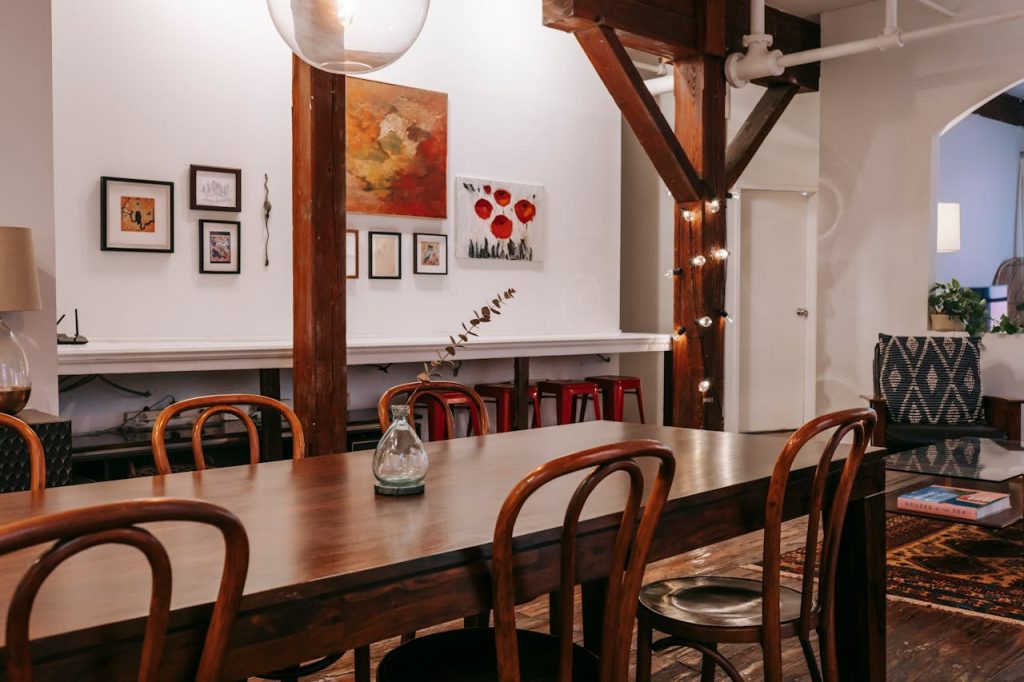
You might think a heavy wooden dining table is a family treasure. But kids often see them as bulky and outdated. These tables can be hard to move or customize to their style.
While sturdy and long-lasting, they may not fit the casual vibe your children prefer. They might want something lighter, more colorful, or easier to clean. So, keeping a heavy wooden table may not mean much to them down the road.
Outmoded VHS Collections
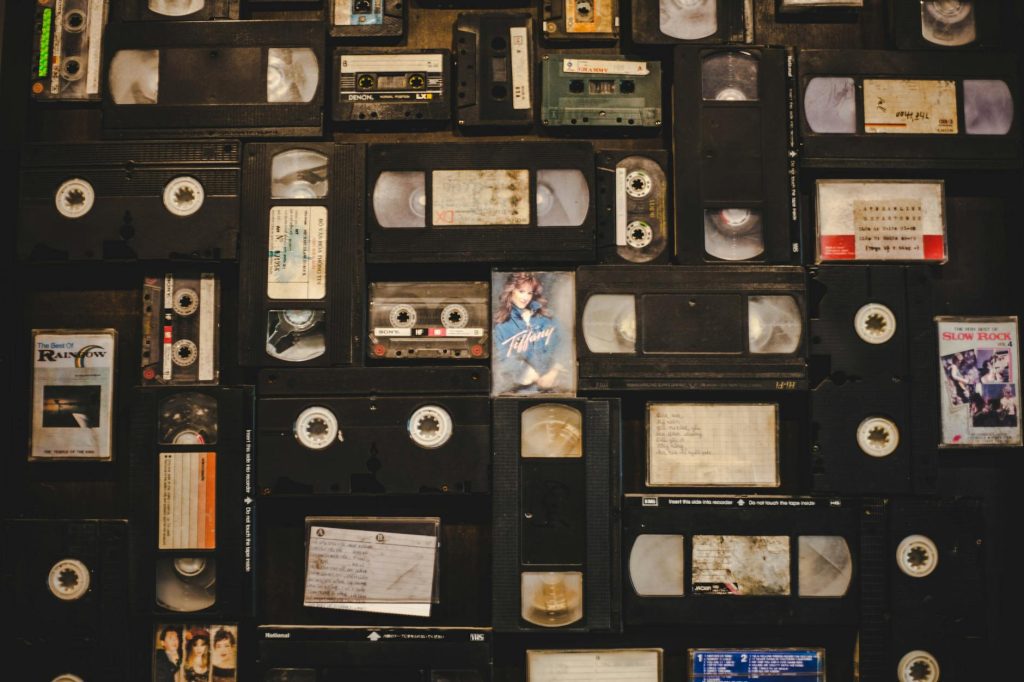
You might still have a box of VHS tapes tucked away, but your children probably won’t see much value in them. Most people no longer use VCRs, making these tapes largely obsolete.
If you want to keep the memories, consider digitizing the tapes. Otherwise, it’s okay to let them go—whether by recycling, donating, or selling to someone who still uses them.
Plastic Lunchboxes from the 90s


You might still have a plastic lunchbox from the 90s tucked away. These boxes often have fun, nostalgic designs but may not meet today’s safety or sustainability standards.
Many are made from smooth plastic that’s easy to clean but not fully leak-proof. The compartments usually keep foods separate, but spills can still happen.
If you want to keep one, consider hand washing it to preserve its condition. However, you might want to think about upgrading to a more durable and eco-friendly option for everyday use.
Floral Tea Services

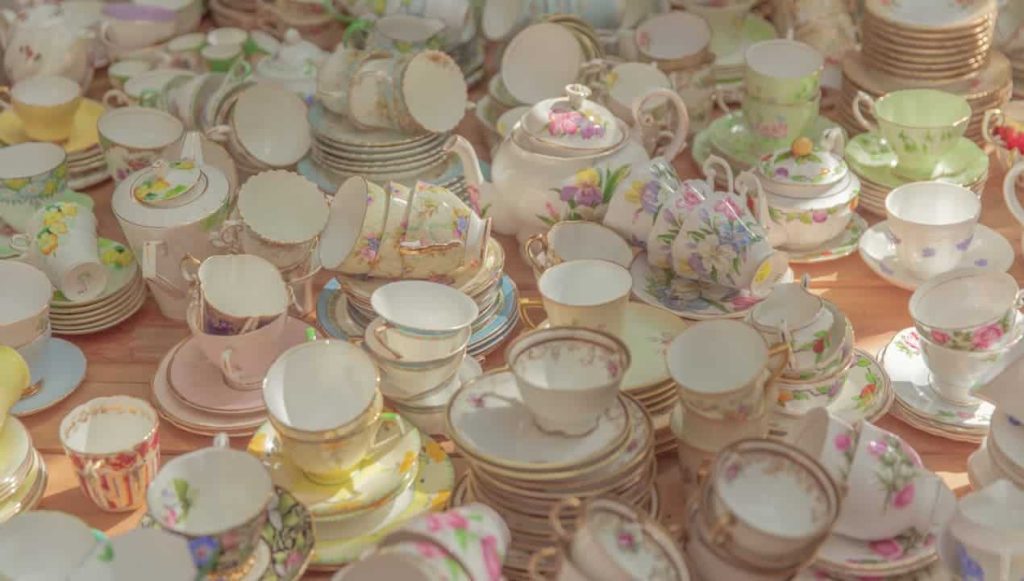
You might treasure your floral tea sets because they remind you of special moments. However, many kids see these as outdated or impractical.
They often prefer simpler, modern items they can actually use. Unless your tea service has real sentimental value or is valuable, it might just add clutter.
Consider passing down one or two meaningful pieces instead of the whole set. This keeps memories alive without overloading your children.
Candelabra with Missing Parts

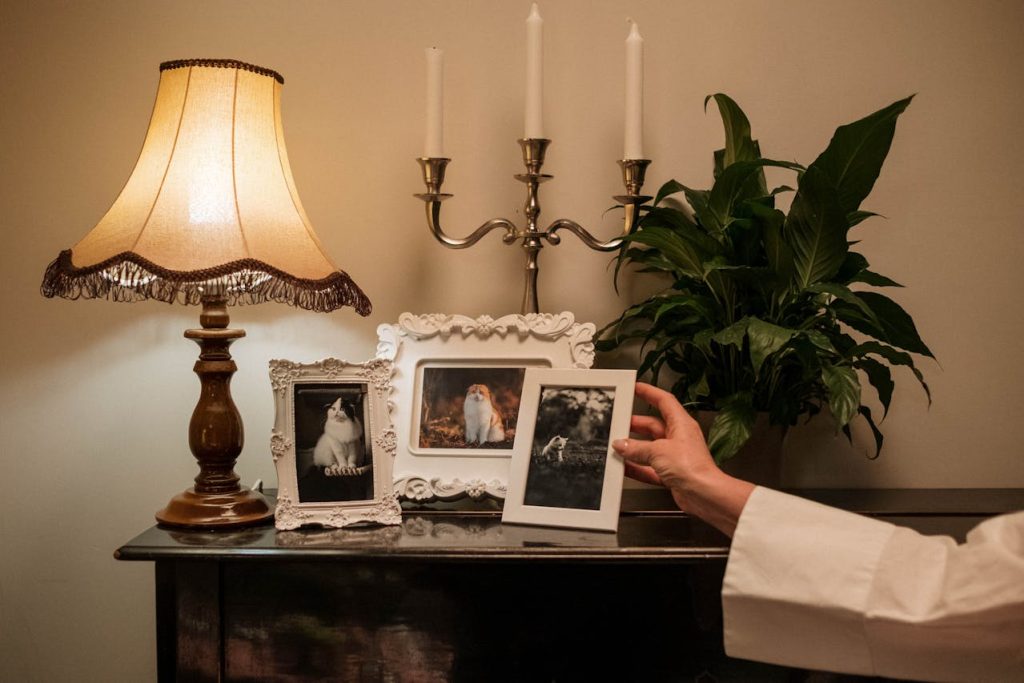
You might have a candelabra with missing parts tucked away. It can feel like a keepsake, but your children often see it as clutter.
If it’s broken or incomplete, they probably won’t want to inherit it. Consider donating or recycling it instead. Keeping only items in good condition makes it easier for your kids to appreciate what you leave behind.
Beaded Curtain Panels
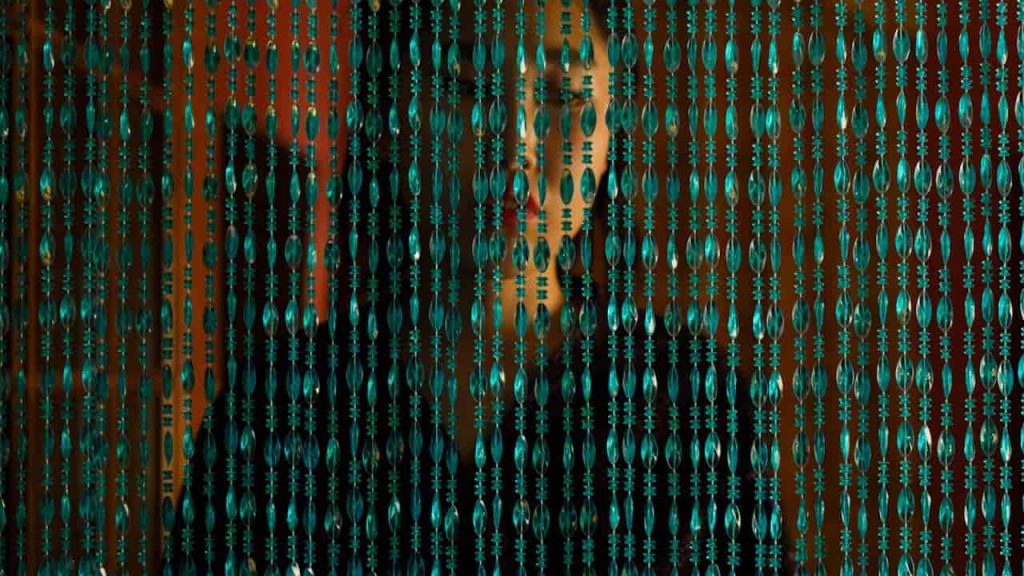
Beaded curtain panels might seem fun at first, but your children may find them annoying. The beads can get tangled or fall off easily, causing a mess.
You might think they’re a creative way to decorate, but kids often don’t like the noise or the difficulty moving through them. It’s best to check with your children before keeping these around.