

Doing laundry might feel like a simple chore, but small mistakes can quietly damage your clothes over time. Many people unknowingly cause wear, fading, and shrinking by following habits that seem harmless.
Understanding the common laundry mistakes you might be making is key to protecting your clothes and extending their life. By learning a few simple changes, you can keep your clothes looking fresh and avoid unnecessary replacements.
Using too much detergent which leaves residue and attracts dirt


When you use too much detergent, it can leave a sticky residue on your clothes. This residue doesn’t always rinse out fully during the wash.
That leftover soap can trap dirt, dust, and even bacteria. Over time, your clothes may look dull and feel stiff because of it.
Using the right amount keeps your clothes cleaner and fresher, so try measuring detergent carefully each time you wash.
Not sorting laundry by color causing color bleeding

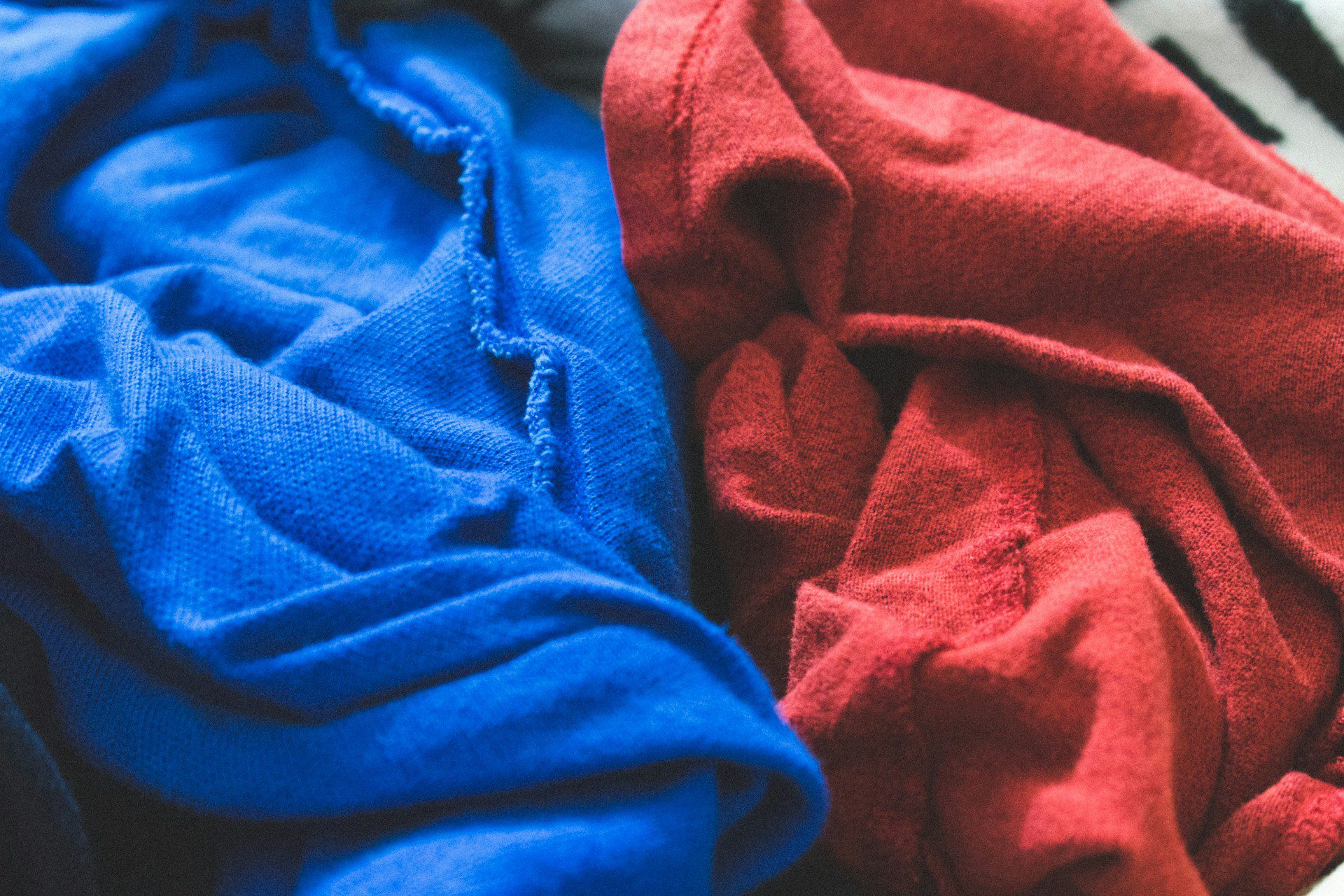
When you skip sorting laundry by color, darker dyes can bleed onto lighter fabrics. This causes your clothes to lose their original shade and look dull or stained.
To protect your clothes, separate whites, lights, and darks before washing. Using cold water can also reduce color transfer.
If colors do bleed, avoid the dryer and rinse the affected items in cold water quickly to minimize damage.
Overloading the washing machine preventing proper cleaning

When you overload your washing machine, your clothes don’t have enough space to move around. This limits the water and detergent from reaching every item, so dirt and grime can stay trapped.
Your washer needs room to agitate properly. Without that, the cleaning process becomes less effective, and your clothes may come out still dirty or with soap residue.
Try leaving some space inside the drum to let your clothes move freely. It helps your washer do a better job every time.
Ignoring care labels leading to shrinking or fading


You might overlook the small care labels on your clothes, but they’re really important. These tags tell you the best water temperature and drying method to use.
If you ignore them, your clothes can shrink or lose color faster. Following these instructions helps keep your favorite pieces looking their best longer. It’s a simple step that saves you from common laundry mistakes.
Drying clothes with elastic bands that can lose stretch


When you dry clothes with elastic bands on high heat, the elastic can become brittle or even melt. This causes your clothes to lose their stretch and fit.
To protect your elastic, use low heat settings or air dry your garments. Air drying is gentle and helps your elastic last longer. Avoid bleach and harsh chemicals that can damage elastic fibers over time.
Leaving items like tissues or coins in pockets


You might forget to check your pockets before washing. Tissues left inside can break apart and stick to your clothes, creating a mess that’s tough to clean.
Coins can damage both your clothing and the washing machine. They might cause tears in fabric or small dents in the washer drum.
Always make it a habit to empty pockets. It protects your clothes and keeps your machine running smoothly.
Skipping pretreatment of stains before washing

If you skip pretreating stains, it can be much harder for detergent to break them down during the wash. Pretreatment loosens stains and helps your detergent work more effectively.
You don’t need fancy products—a simple spray, gel, or even household items like vinegar can help. Taking a few minutes to pretreat can save your clothes from permanent marks.
Washing whites and darks together causing discoloration

Washing whites and darks together can lead to discoloration. Dark dyes may bleed during the wash, making your whites look gray or dull.
To keep your whites bright, it’s best to separate them from dark clothing. This helps avoid dye transfer and keeps your clothes looking fresh longer.
Even a small amount of bleeding can affect your whites, so sorting laundry carefully saves you from unwanted stains.
Using chlorine bleach on colored clothes

Using chlorine bleach on colored clothes is risky. It can cause fading, discoloration, or even holes if not used carefully.
Always check the care label before adding bleach. If it warns against bleach, skip it or choose a color-safe alternative.
If you must use chlorine bleach, dilute it well and apply sparingly. Test on a hidden area first to avoid damaging your favorite clothes.
Neglecting to check pockets for damaging objects

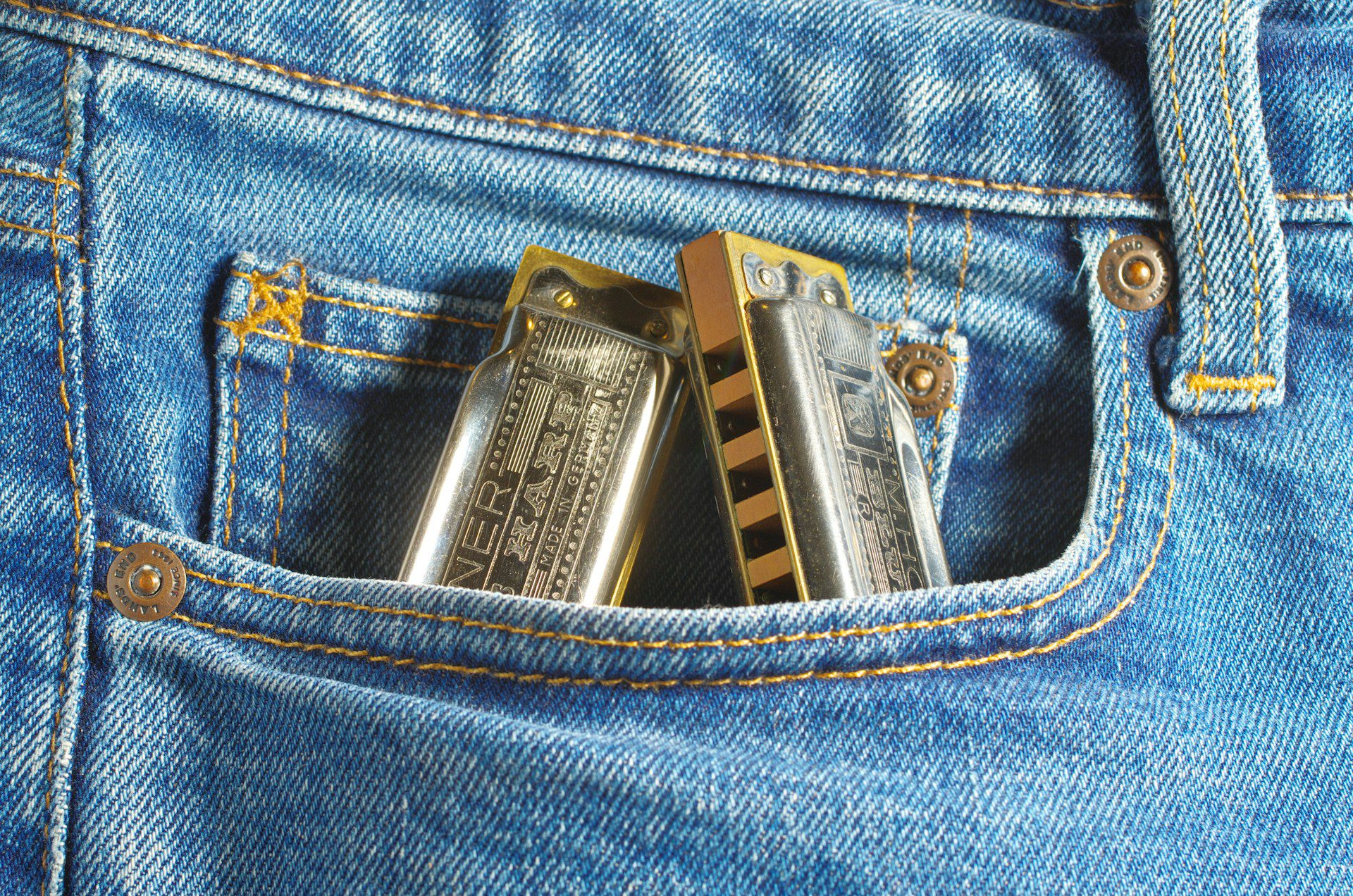
You might forget to check pockets before washing, but small items like coins, pens, or tissues can cause damage. Coins might scratch your clothes or the washer drum. Pens can leak ink and ruin fabric.
Tissues and other debris can stick to clothes, making a mess inside the machine. Taking a moment to empty all pockets helps protect both your laundry and your washer. It’s an easy step that saves you time and trouble later.
Using high heat for all fabrics causing damage

Using high heat on every fabric might seem convenient, but it can actually harm your clothes. Heat can cause shrinking, fading, and weaken fibers over time.
Delicate materials and elastic fabrics are especially vulnerable. High temperatures can melt elastic or make fabrics lose their stretch.
To protect your clothes, try using low heat or air-drying instead. This helps your favorite items last longer and keeps them looking better.
Not separating delicates from heavy items

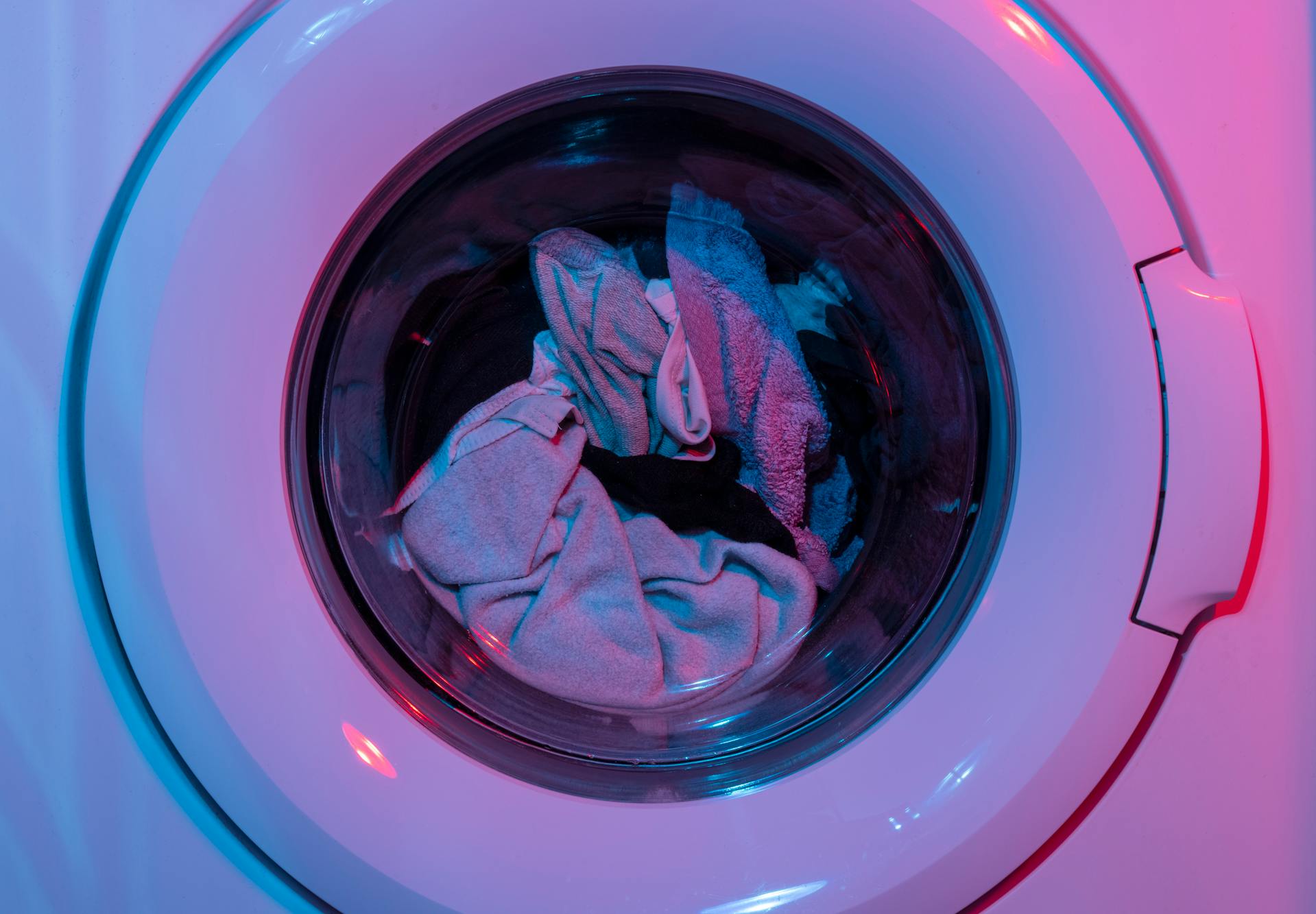
You should always wash delicate fabrics separately from heavy items like towels or denim. The rough texture of heavier clothes can cause snags, tears, or wear on softer materials.
Mixing these can weaken your delicate clothes over time. To keep your favorite pieces looking good, take a moment to sort by fabric type before washing. This simple step helps protect them.
Relying on cheap detergent without enzymes
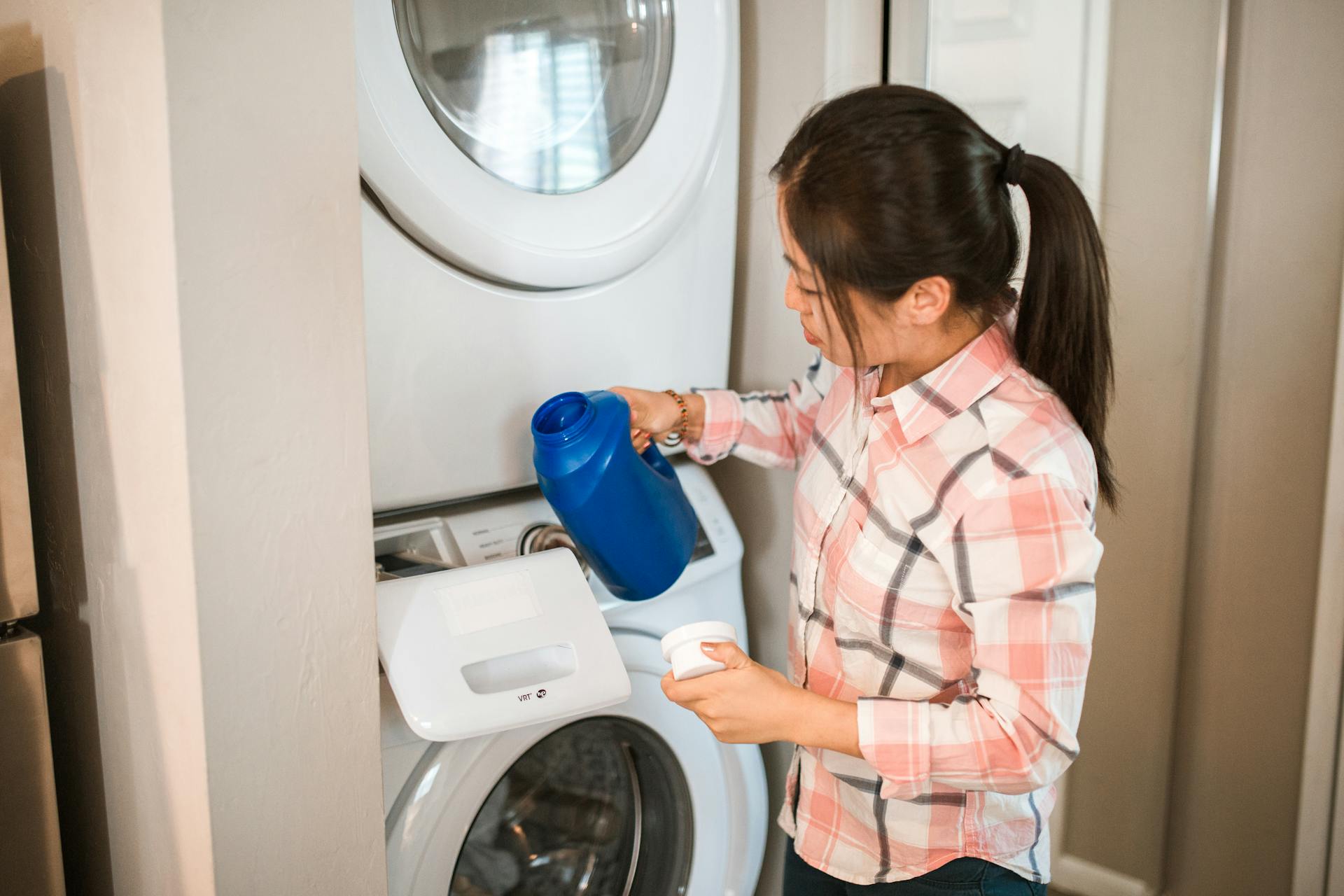
If you use inexpensive detergent without enzymes, your clothes might not get as clean as you expect. Enzymes help break down stains like sweat, food, and dirt, making them easier to remove.
Without these enzymes, you may need to scrub stains harder or wash clothes more often, which can wear fabric out faster. Choosing a detergent with enzymes can save you time and keep your clothes looking fresher longer.