


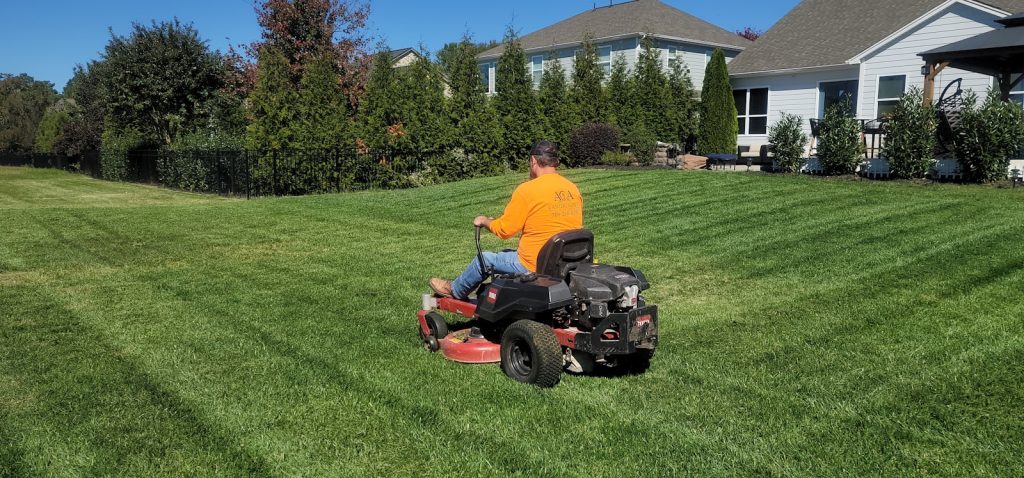
There’s no denying the charm of a well-maintained lawn. It’s one of the first things people notice when they approach your home, and it can make or break their first impressions.
However, achieving that lush, green perfect lawn isn’t as simple as it seems. It requires a meticulous approach and an understanding of what your lawn needs to thrive.
Here are 13 lawn care mistakes that you might be making, all of which can drastically reduce your home’s curb appeal.
1. Overwatering Your Lawn

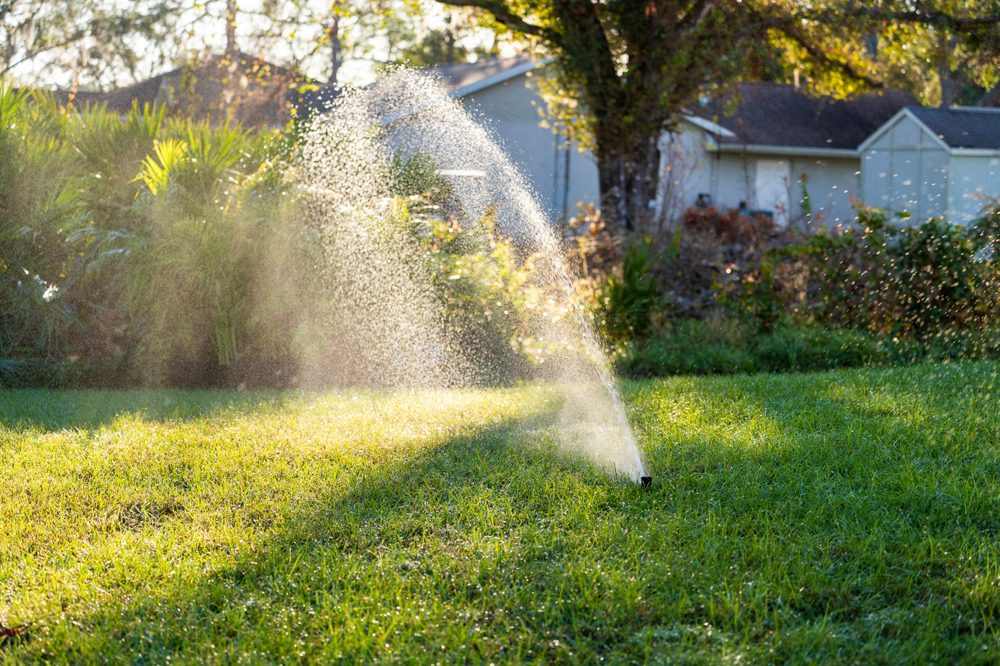
Water is essential for a healthy lawn, but too much can cause more harm than good. Overwatering leads to shallow root growth, making your grass vulnerable to drought and diseases. Instead, water deeply but infrequently, allowing the soil to dry between each watering. This encourages roots to grow deeper, resulting in a more drought-tolerant lawn.
Also, consider the time of day. Watering in the morning reduces evaporation, ensuring maximum water absorption. Watering in the evening can lead to excess moisture overnight, creating a conducive environment for fungal growth.
2. Neglecting Regular Mowing


Letting your grass grow too long before mowing it can shock the grass and lead to yellowing. Each mowing session should only remove about one-third of the grass blade. This helps maintain a healthy grass height and promotes thicker growth, which in turn improves your lawn’s overall appearance.
Do keep your mower blades sharp. Dull blades tear the grass rather than cutting it cleanly, leading to frayed grass edges that turn brown and make your lawn look unkempt.
3. Ignoring Soil pH Levels

Soil pH levels play a crucial role in nutrient availability to your grass. Ignoring soil pH can lead to nutrient deficiencies, resulting in a lackluster lawn. Regular soil testing is recommended to identify and correct any pH imbalances.
A balanced pH allows for optimal nutrient absorption, promoting healthier, greener grass. Lime can be used to raise soil pH (making it less acidic), while sulfur can lower it (making it more acidic).
4. Incorrect Use of Fertilizers
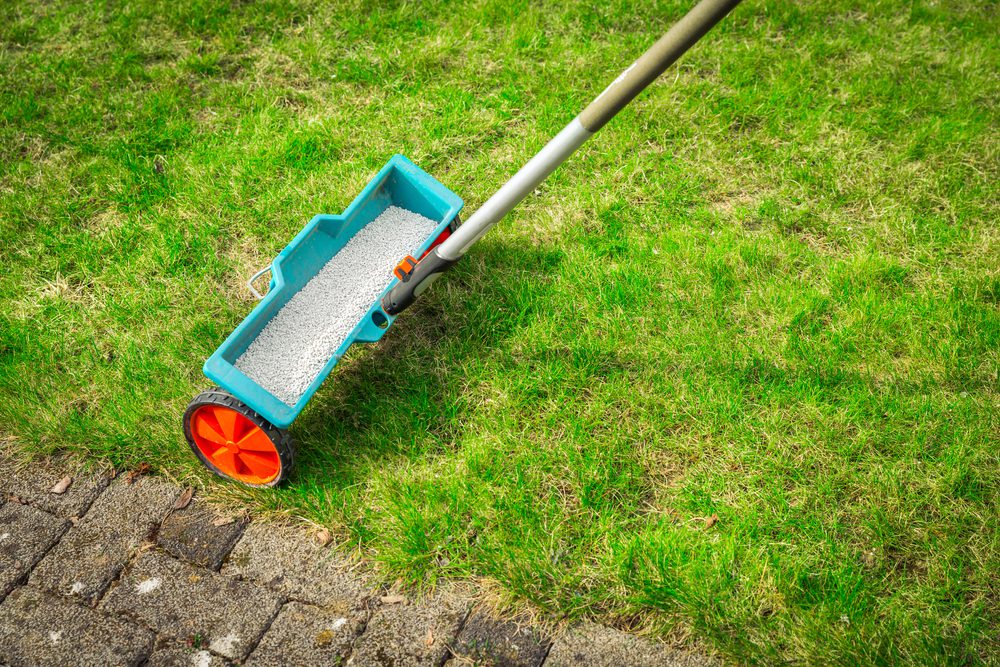
Fertilizers are meant to supplement your lawn’s nutrient needs, but incorrect use can do more harm than good. Over-fertilizing, for instance, can lead to rapid, weak growth and increased susceptibility to diseases. It’s essential to follow the manufacturer’s instructions and apply the right amount at the right time.
Also, remember that different grass types have different nutrient requirements. What works for one may not work for another. Do your research to understand your lawn’s specific needs.
5. Overlooking Pest Control
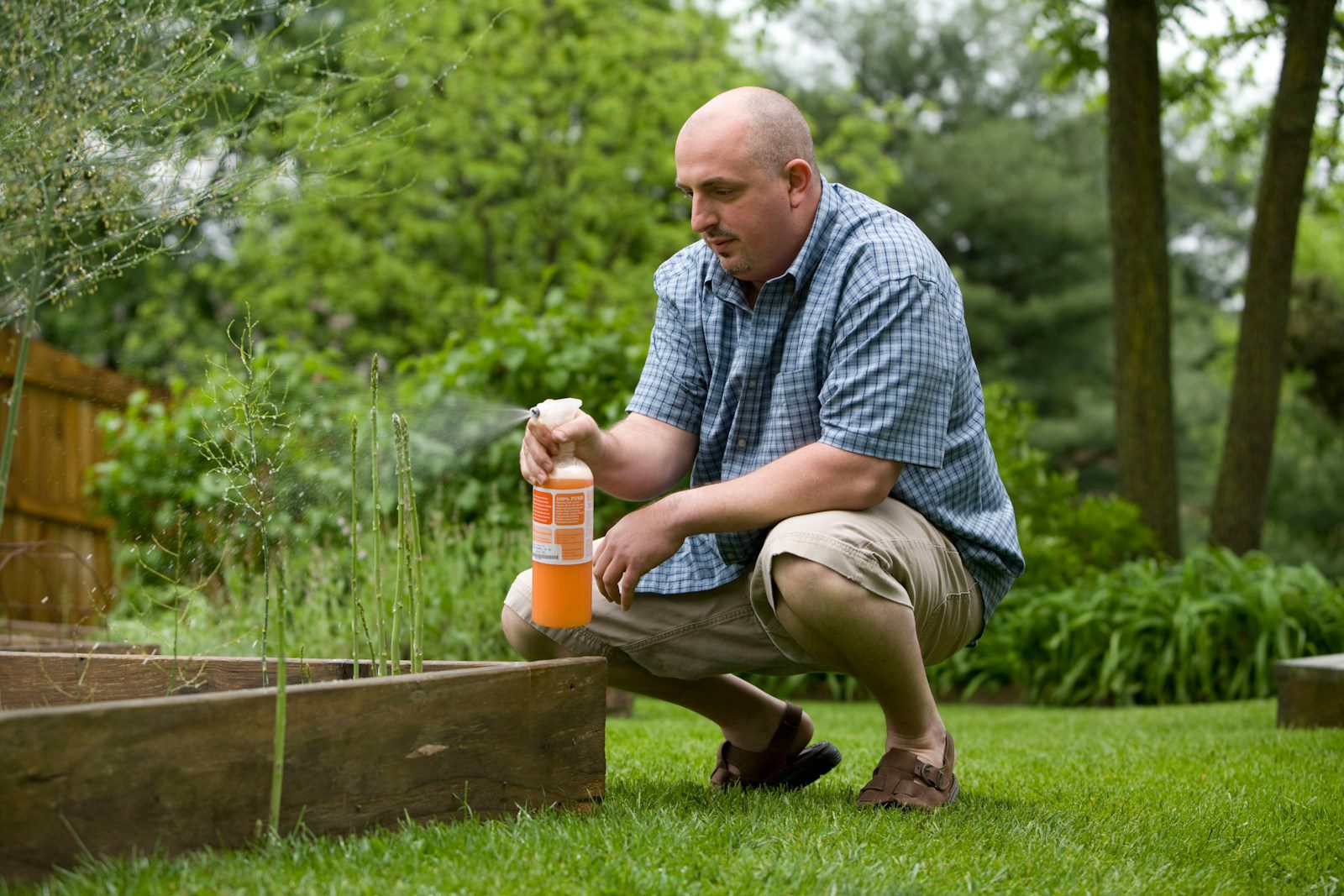
Pests can wreak havoc on your lawn, causing significant damage before you even notice their presence. Regular pest control is essential to keep these unwanted guests at bay. Natural methods, such as introducing beneficial insects or using plant-based insecticides, are usually safer and just as effective.
Don’t forget about larger pests like moles and rabbits. These can be deterred with physical barriers or repellents. In severe cases, you may need to seek professional help.
6. Not Aerating Your Lawn

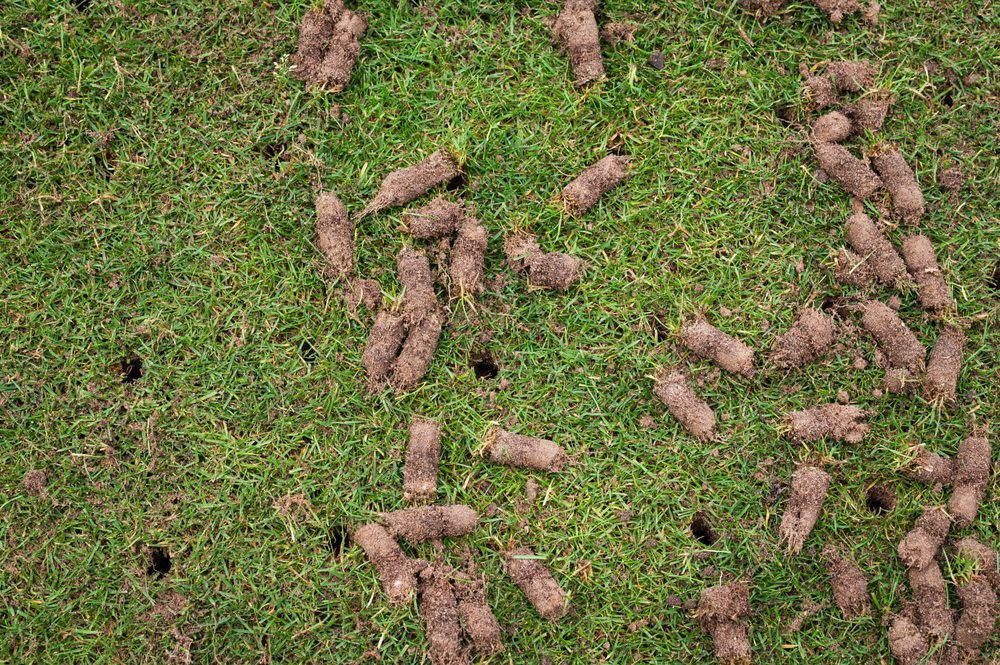
Aeration involves creating small holes in the soil to allow air, water, and nutrients to reach the grass roots more easily. This can significantly improve your lawn’s health and appearance. However, many homeowners overlook this important task.
Not aerating your lawn can lead to soil compaction, which hinders root growth and reduces water infiltration. Regular aeration, particularly in high-traffic areas, can help prevent these issues.
7. Improper Pruning of Plants and Trees

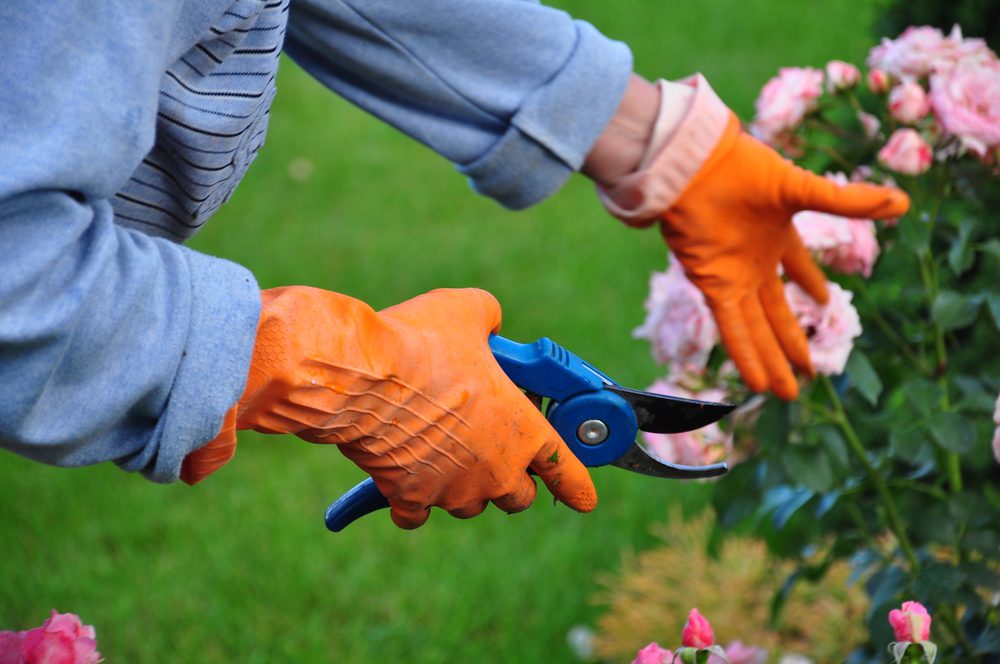
Improper pruning can harm your plants and trees, affecting the overall look of your landscape. It’s important to understand the right pruning techniques and the best time to prune different plants. For example, flowering plants are often best pruned after they’ve bloomed to avoid cutting off next year’s flowers.
Also, consider the plant’s natural shape when pruning. Over-pruning or shaping plants into unnatural forms can stress the plant and make your landscape look over-manicured. Check out this guide for more tips on how to properly landscape around trees.
8. Leaving Grass Clippings on the Lawn
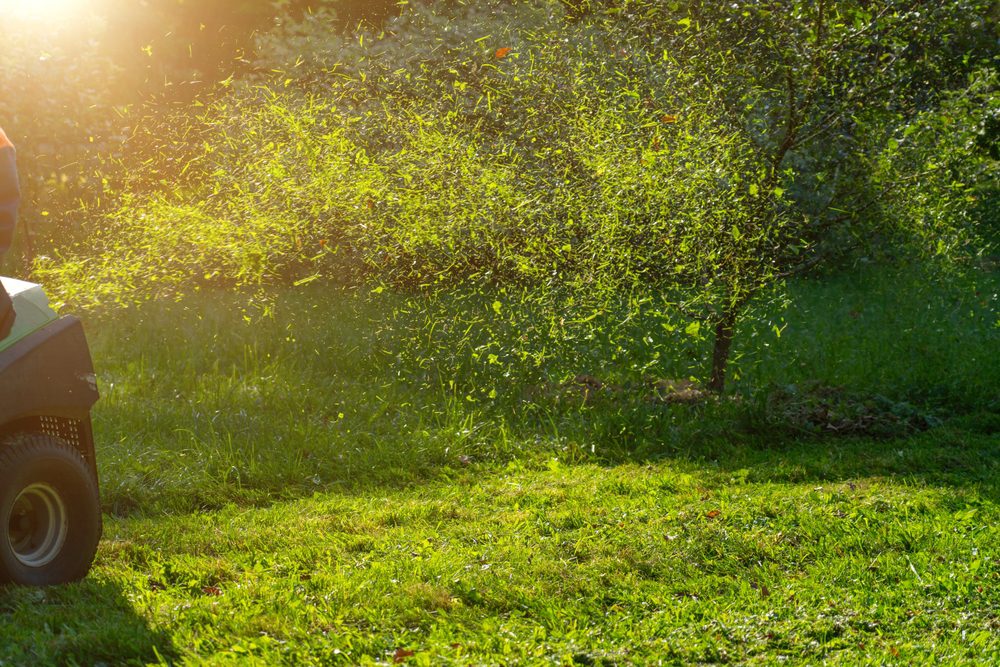
While it’s true that grass clippings can act as a natural fertilizer, leaving too many on the lawn can create a layer of thatch that prevents water and nutrients from reaching the soil. Rather than leaving them all behind, consider using a mulching mower that cuts the clippings into small pieces, which decompose more quickly and return nutrients to the soil without building up thatch.
If you do end up with a thick layer of thatch, you may need to dethatch your lawn. This process involves removing the thatch layer to allow water and nutrients to penetrate the soil more easily.
9. Using the Wrong Mower Settings
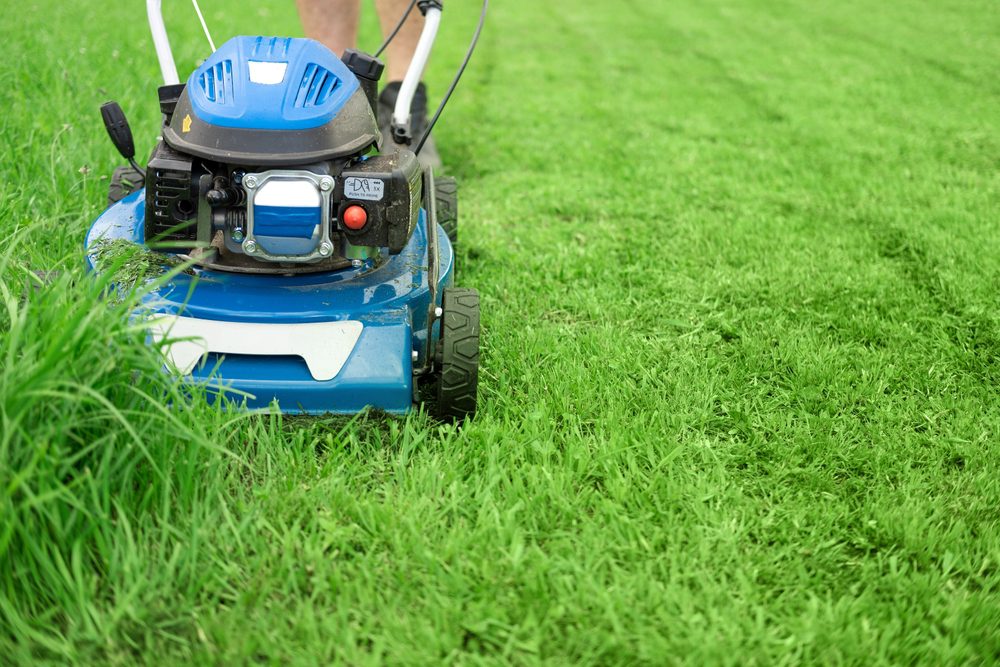
Using the wrong mower settings can lead to uneven cutting and damage to your grass. Set your mower blade to the right height for your grass type. Cutting too short can stress the grass and leave it vulnerable to diseases and pests.
Also, consider the grass’s growth rate. Fast-growing grass may require a lower mower setting, while slow-growing types may do better with a higher setting. Find more about common landscape design mistakes here.
10. Planting the Wrong Types of Grass or Plants
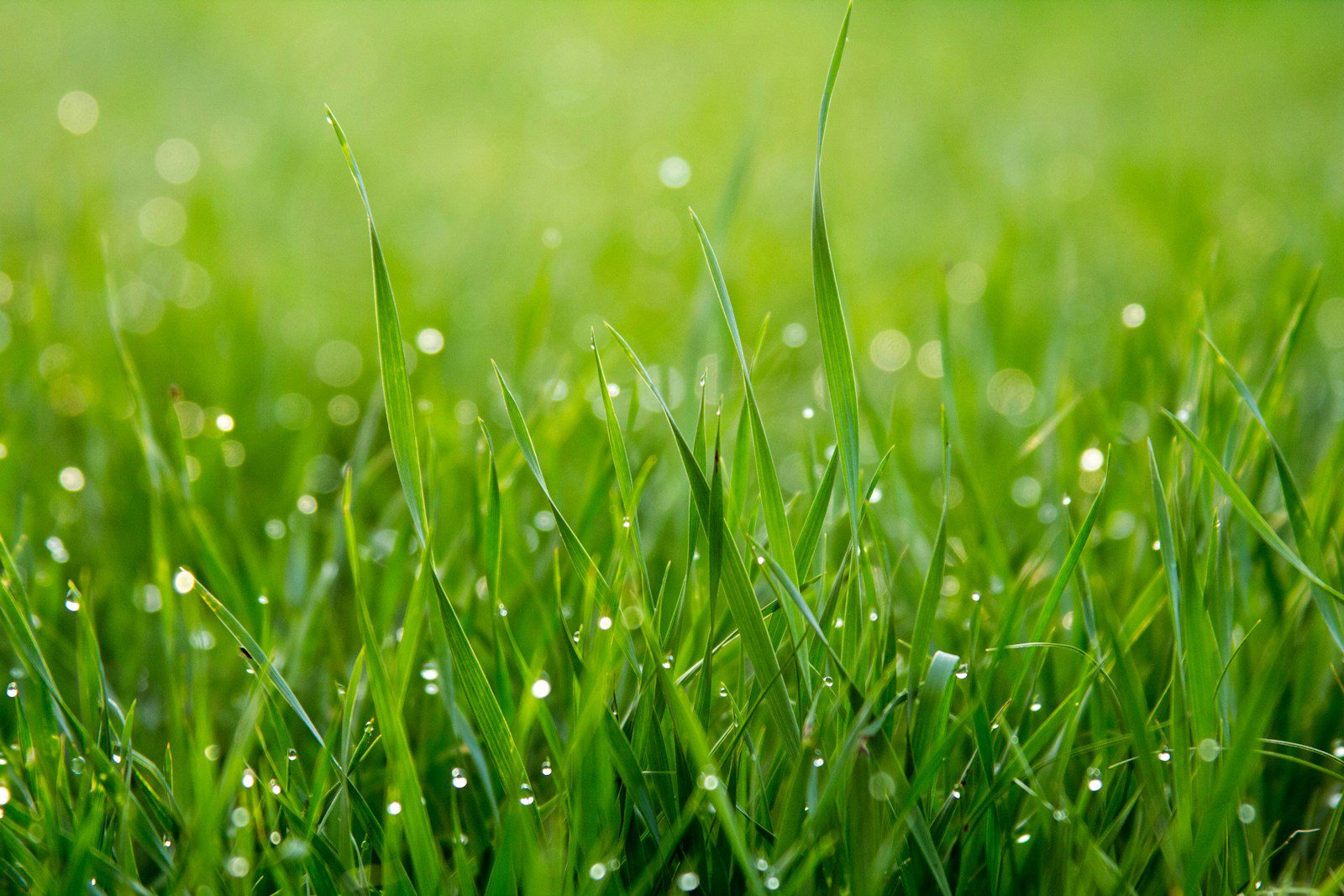
Not all plants are suitable for all climates or soil types. Planting the wrong types can lead to poor growth and an unattractive lawn. It’s important to do your research and choose plants that are well-suited to your specific conditions.
Consider factors like sunlight, temperature, and water requirements. You can find a list of grass alternatives here if you’re considering a more low-maintenance option.
11. Not Investing in Professional Landscaping When Needed
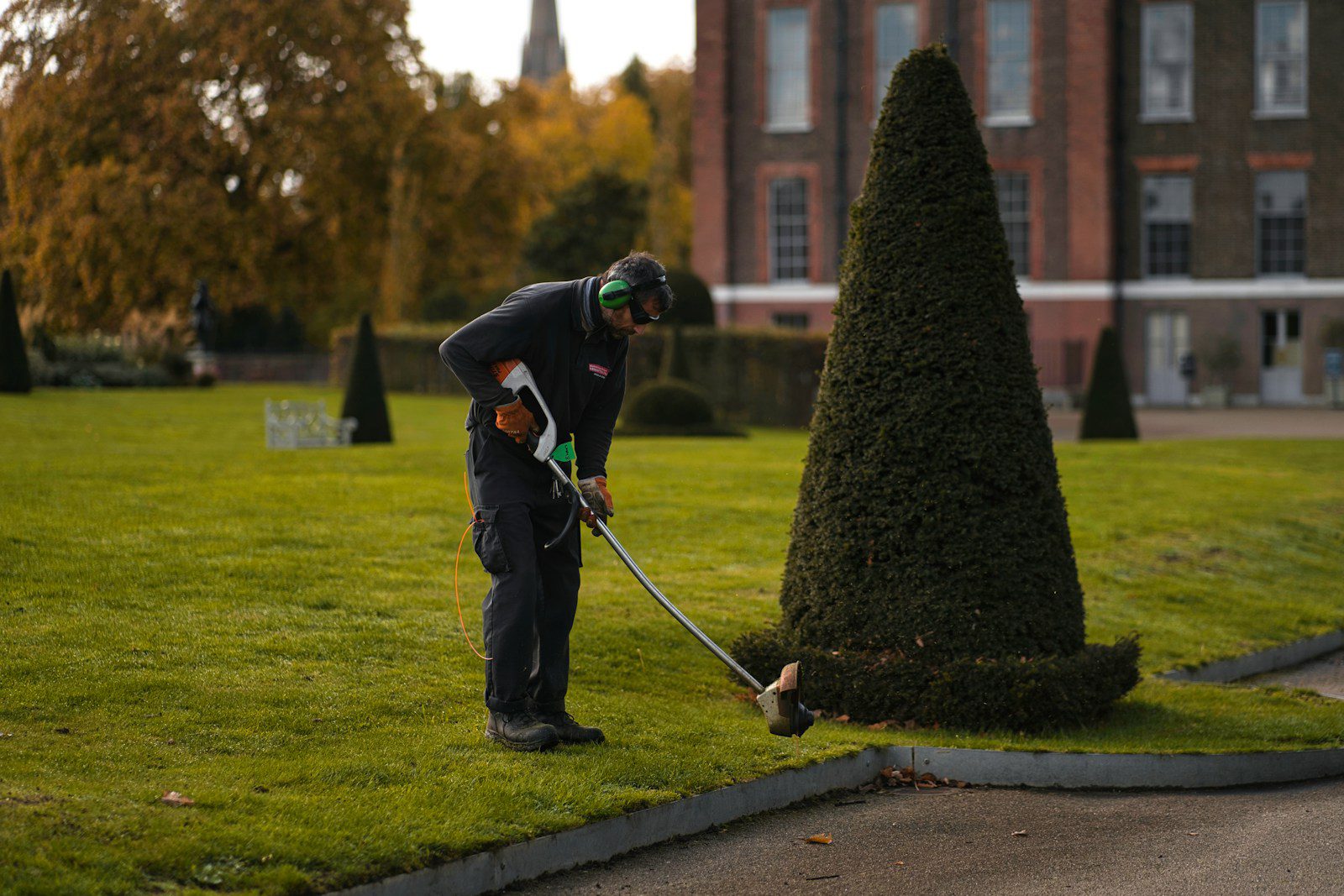
While DIY lawn care can be rewarding, there are times when professional help is needed. Professionals have the knowledge and equipment to deal with complex issues that can be difficult to handle on your own. Not investing in professional landscaping when necessary can lead to further problems down the line.
If you’re dealing with persistent pests, diseases, or other issues that you can’t seem to resolve, it may be time to call in the pros. They can diagnose the issue and provide effective solutions, saving you time and effort in the long run.
12. Neglecting Seasonal Lawn Care
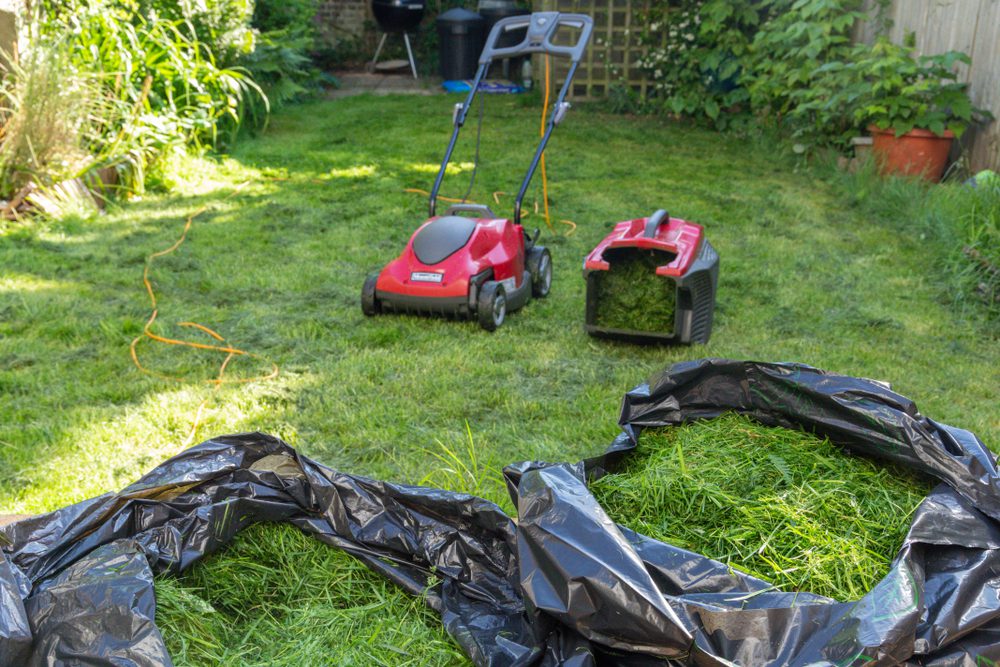
Every season comes with its own set of lawn care tasks, and neglecting these can harm your lawn’s health. Spring is a time for seeding and fertilizing, summer calls for regular watering and mowing, fall is ideal for aerating and dethatching, and winter requires proper preparation to protect your lawn from the cold.
Staying on top of these tasks ensures that your lawn gets what it needs throughout the year. Check out this outdoor maintenance calendar to help you keep track of what needs to be done and when.
13. Overcrowding Plants and Shrubs
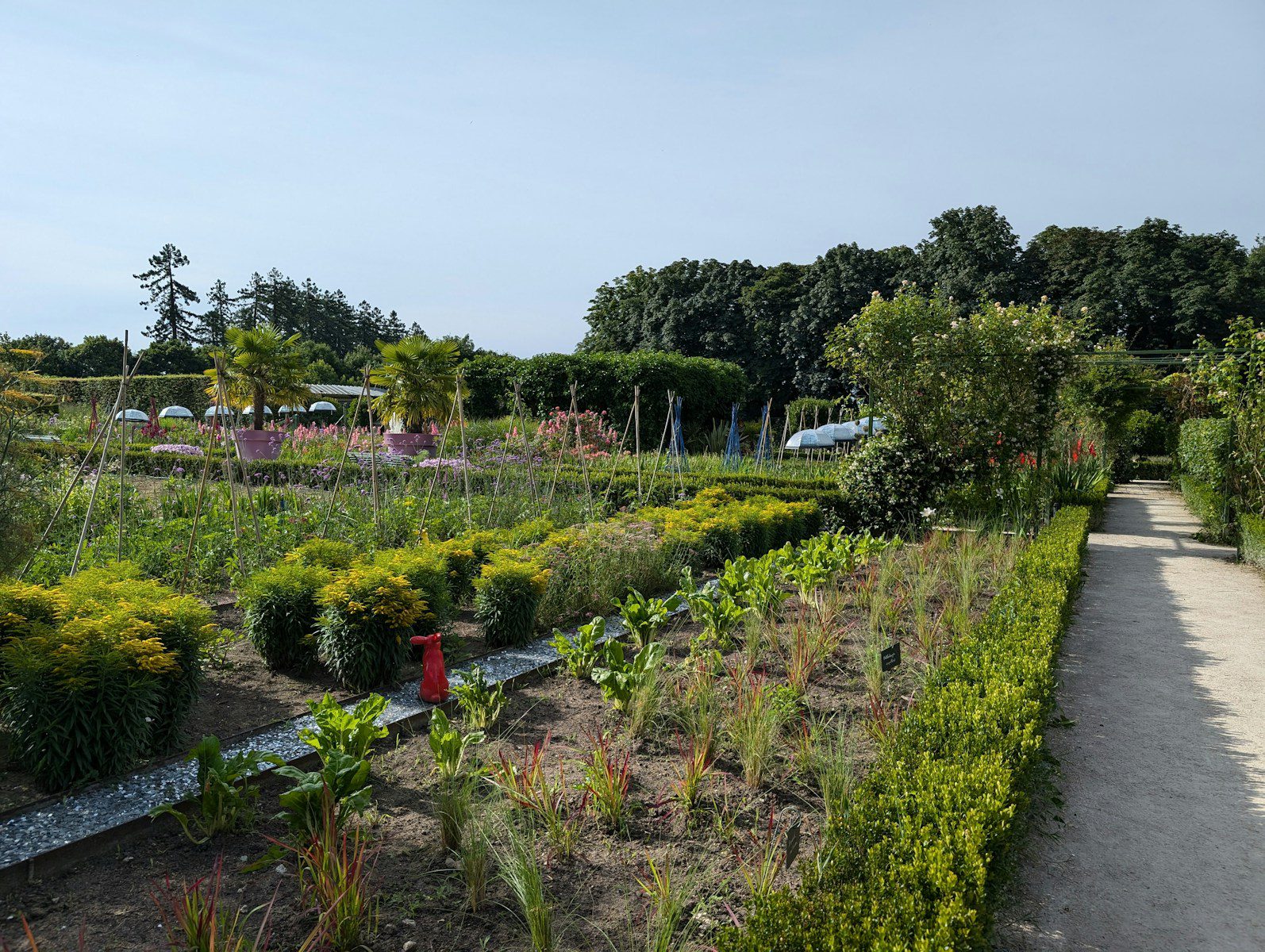
Overcrowding plants and shrubs can lead to competition for resources and increase the risk of disease spread. It also makes your landscape look cluttered, reducing its aesthetic appeal. It’s better to give your plants plenty of space to grow and breathe.
When planting, consider the mature size of the plant, not just its size at the time of planting. This ensures that each plant has enough space to grow without overcrowding its neighbors. For more tips on avoiding front yard curb appeal hazards, visit this site.