


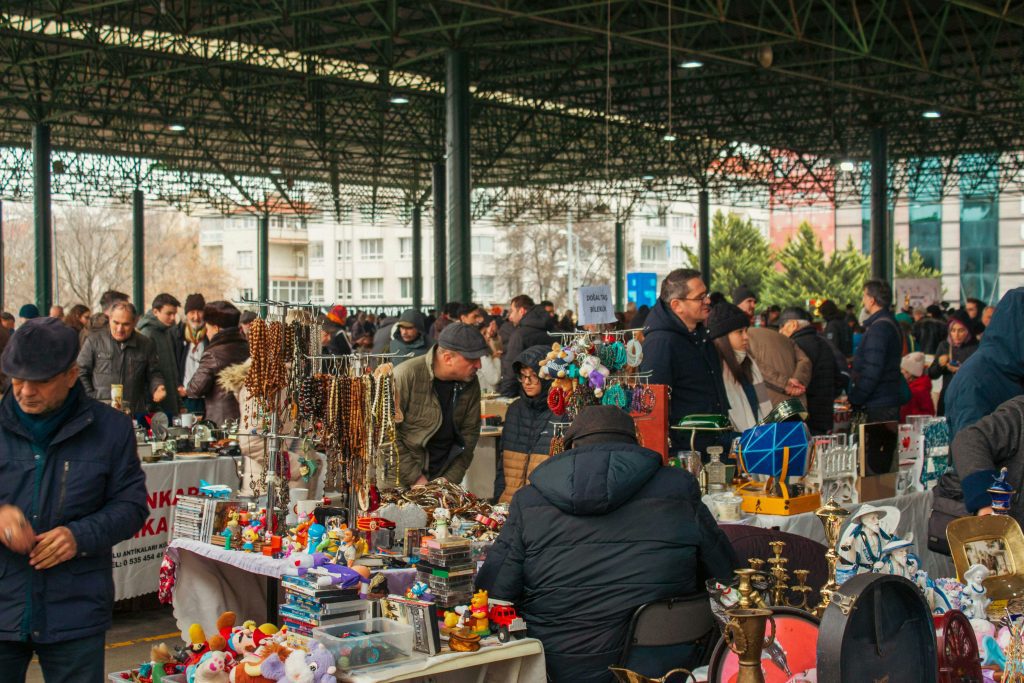
Selling antiques online can be a great way to reach more buyers and find the right homes for your items. However, the process comes with unique challenges that can easily lead to mistakes, especially if you’re new to online selling or antiques in general.
Understanding the common pitfalls can help you avoid costly errors and improve your sales experience. By paying attention to details like honest descriptions, research, and presentation, you increase your chances of a successful sale that satisfies both you and your buyers.
Ignoring the condition and presentation of antiques

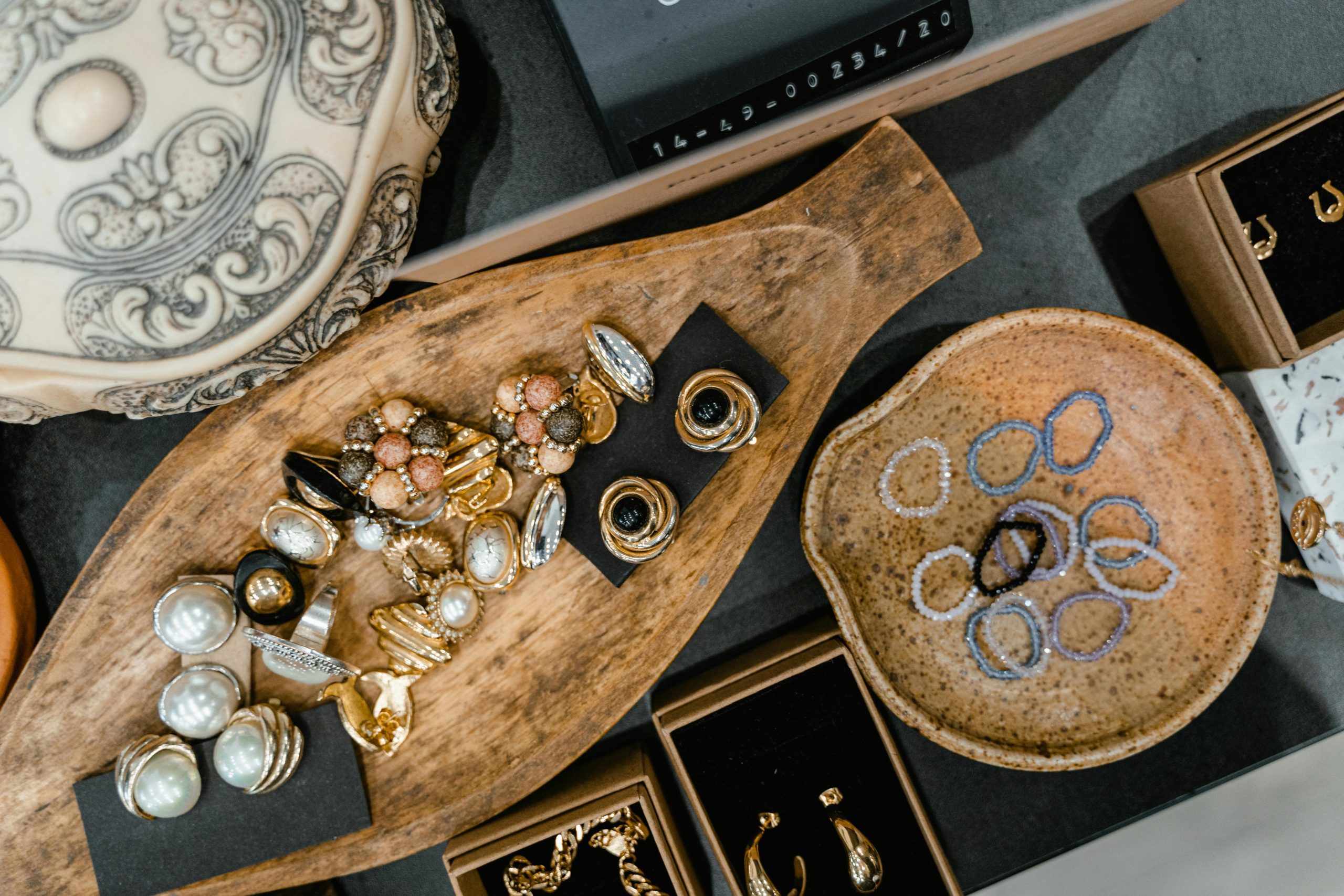
You might underestimate how much condition affects the sale of your antiques. Buyers want clear details about any wear, damage, or repairs.
Presentation matters too. Well-lit photos from multiple angles help show off your items and build trust with buyers.
Taking the time to clean and stage your antiques carefully can make a big difference. It shows you care and adds value.
Failing to authenticate items before listing


You might think your antique’s history is enough, but without proper authentication, buyers may hesitate. A verified certificate of authenticity helps prove your item’s value and builds trust.
Skipping authentication can lead to disputes or returns if buyers doubt the item’s legitimacy. It’s worth the time to get it verified before listing.
Even platforms with authenticity guarantees can make mistakes. So, having your own proof makes your listing stronger and more reliable.
Using poor quality photos that don’t highlight details

Suzy Hazelwood/ pexels
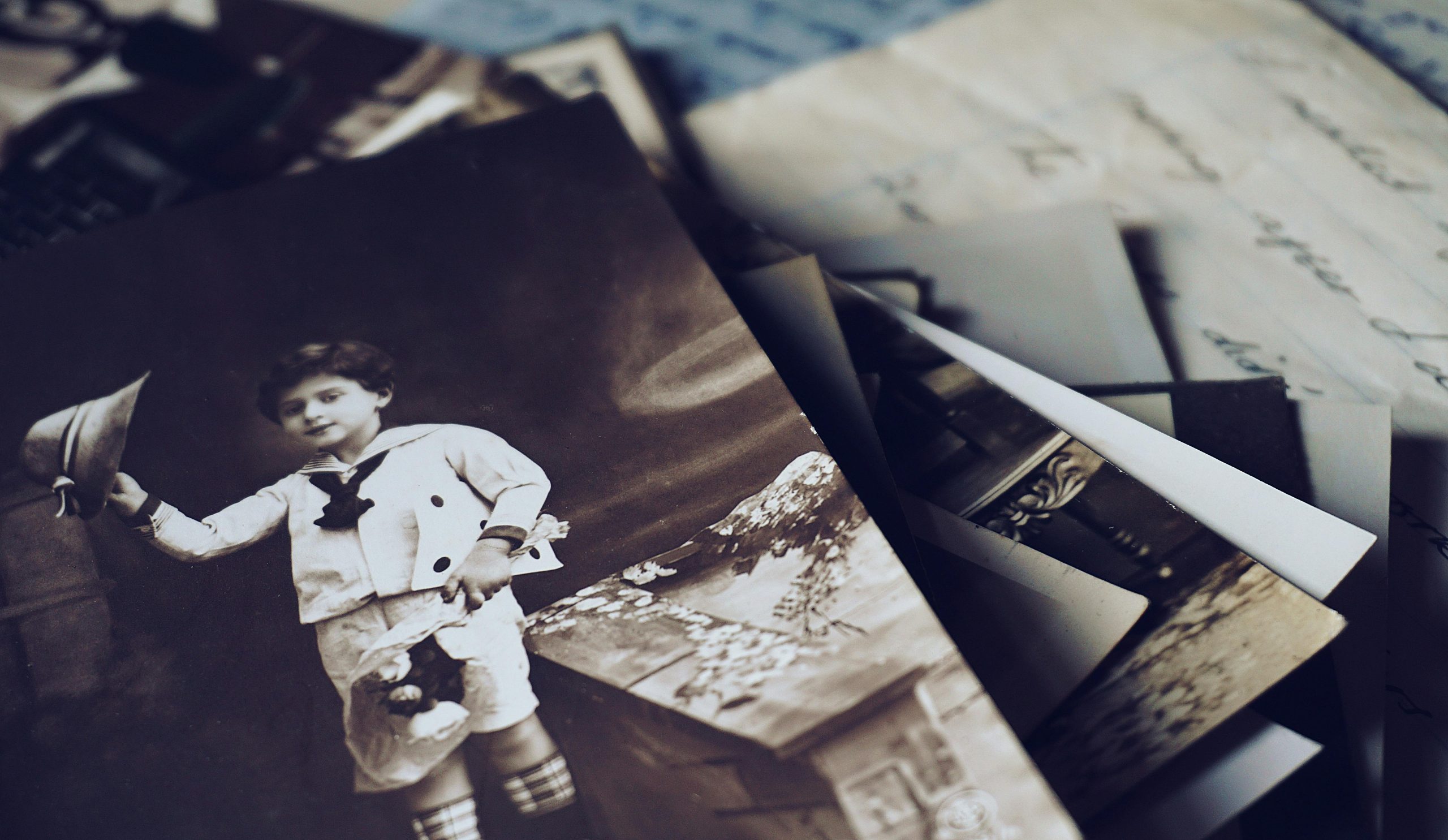
When you sell antiques online, your photos are what grab attention first. If your pictures are blurry or poorly lit, buyers might skip over your item without a second thought.
Clear, well-lit images help show off the unique features and condition of your antiques. Try to use natural light and focus on important details.
Taking multiple angles can also give buyers a better feel for the item. Good photos build trust and make your listing stand out.
Setting unrealistic prices without market research


You might feel attached to your antiques and want to price them high. However, without researching similar items, you risk setting prices too far from what buyers expect.
Checking marketplaces for comparable antiques helps you understand the going rates. This ensures your price is fair and improves your chances of a sale.
If your price is too high, potential buyers may skip your listing. Too low, and you might miss out on what your item is worth.
Avoiding fixed price listings and relying on auctions only

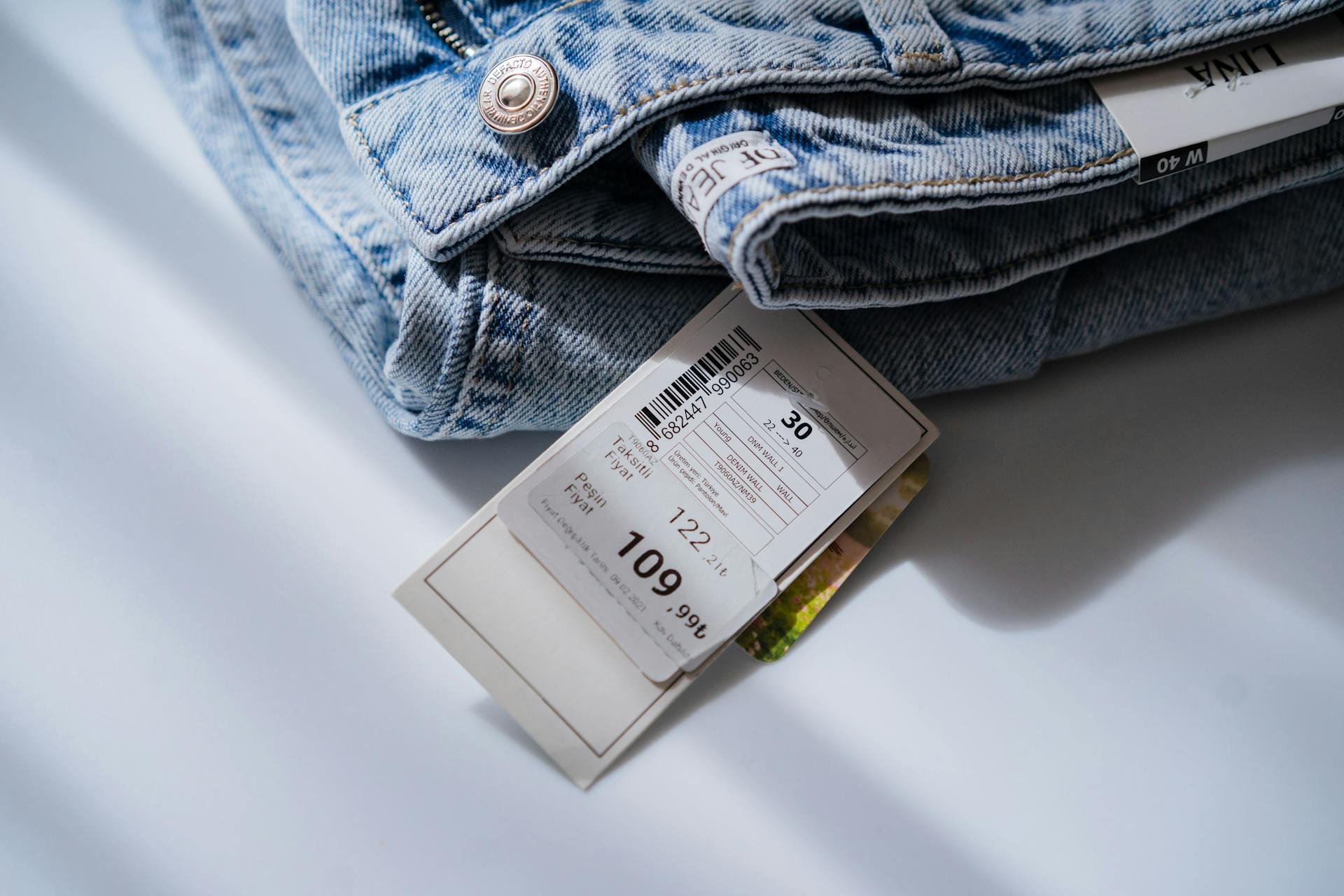
You might think fixed price listings offer stability, but they can limit buyer interest. Auctions create excitement and encourage competitive bidding.
Starting bids should be low enough to attract bidders, avoiding high entry points that scare buyers away. Auctions also help you discover the true market value of your antiques.
Relying solely on auctions means you won’t miss out on spontaneous offers and the chance to sell faster than with fixed prices. Keep experimenting with both to see what works best for your items.
Not requiring immediate payment on listings


If you don’t require immediate payment, you risk delays and buyers backing out. It can be frustrating when a winning bidder doesn’t pay on time, especially for valuable antiques.
Setting immediate payment ensures you get paid as soon as someone wins or buys your item. This can help you avoid waiting and simplifies the selling process.
Remember, this option usually works only with fixed-price listings or auctions that have a Buy It Now feature. Make sure to enable it when possible.
Including the ‘Best Offer’ option which can invite lowball offers

When you add the “Best Offer” option, you allow buyers to negotiate on your price. This can encourage more interest but also opens the door to lowball offers.
You can set a minimum price below which offers are automatically declined. This helps filter out unrealistic bids without turning off potential buyers.
Be prepared to review and respond to offers carefully. Sometimes a polite counteroffer can lead to a fair sale.
Overlooking the importance of detailed, honest descriptions


When you sell antiques online, clear and honest descriptions are crucial. Buyers rely on your words to understand the item’s authenticity and condition.
Include all relevant details, such as measurements, materials, and any flaws. Avoid vague language to build trust and avoid disputes later.
Good descriptions help your items stand out and may result in better offers. Taking the time to be thorough shows respect for your buyers and your antiques.
Not utilizing multiple social media platforms for promotion

If you rely on just one social media platform, you limit your reach. Different audiences prefer different platforms, so spreading your content across several can help you connect with more potential buyers.
Using multiple platforms also lets you tailor your posts to fit each audience’s style. This increases the chances that your antiques will catch the right eyes and generate interest.
Skipping proper packaging leading to damaged items

When you skip proper packaging, your antiques are more likely to get damaged during shipping. Fragile items need extra padding and sturdy boxes to stay safe.
Using the right materials protects your pieces from bumps and drops. Don’t just toss an antique in a box without wrapping it carefully.
Taking time to package well helps you avoid unhappy buyers and costly returns. Your careful packaging shows you value the item and the customer.
Neglecting to research shipping costs and policies

You might underestimate how much shipping antiques can cost. These items often need special packaging to avoid damage, which can add up quickly.
Not checking the shipping policies of online platforms can lead to unexpected fees or delays. Knowing who is responsible for shipping costs keeps your sales smooth.
Make sure you inform buyers about shipping timeframes and any insurance options. Clear communication helps build trust and avoid surprises.
Buying items made solely for collectors with no real value

You might come across antiques that are made just for collectors but hold little actual value. These items often appeal because they look interesting or rare.
However, they usually won’t sell for much since they lack genuine historical or artistic significance.
Before buying, research if the piece has real demand or just sentimental worth. This can save you from overpaying for something hard to resell.
Not sharing the story or provenance behind the item

When you sell antiques, sharing the story or provenance can add real value. Buyers often want to know where the item came from and its history.
Telling the story builds trust and can make your piece stand out in a busy market. Without it, your item might seem less authentic or interesting.
Including details about previous owners, origin, or how it was used can connect buyers to the item emotionally. This can increase their willingness to pay a fair price.