



Step into a home owned by a member of the “Baby Boomer” generation and you may find yourself transported back in time. These homes, often referred to as “Boomer Homes,” are a snapshot of a different era in home design, where certain trends and styles were favored. But times have changed and what was once considered chic might not hold the same appeal for today’s modern homebuyers. Let’s take a journey through 13 outdated habits buyers often associate with “Boomer Homes”.
1. Overwhelmingly Traditional Interior Design

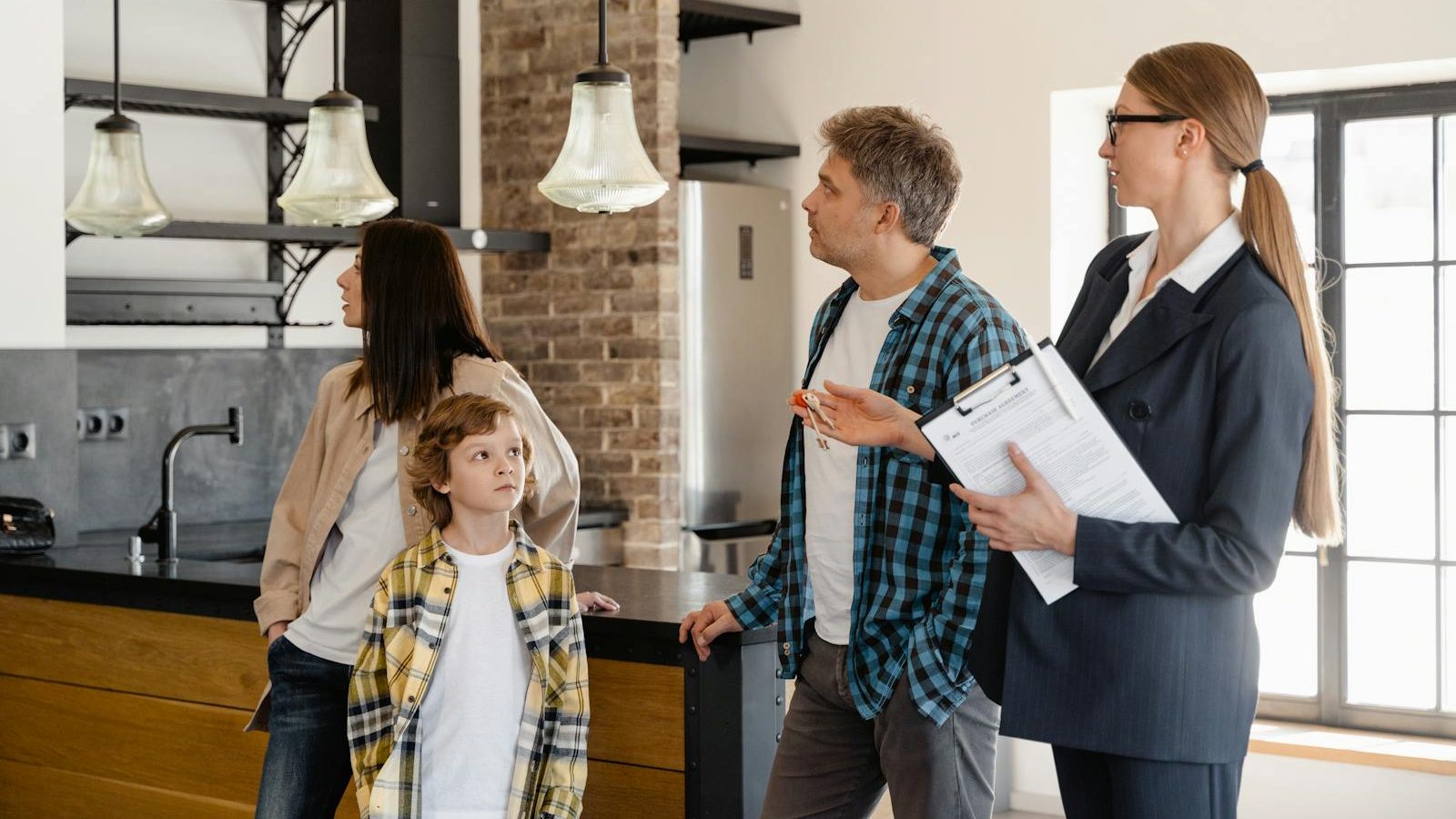
Many Boomer Homes are characterized by traditional interior design styles. This could mean dark wood furniture, ornate detailing, and a general sense of formality. While there’s certainly a market for this style, many modern buyers prefer a more relaxed, contemporary aesthetic. For example, the Scandinavian design trend favors simplicity, functionality, and minimalism, which can feel like a breath of fresh air in comparison.
2. Rooms Designated for Single Purposes


The modern homebuyer tends to favor flexibility. The concept of having a single room for a single purpose, such as a formal living room only used for special occasions, is less appealing today. Instead, people want spaces that can easily transform to suit their needs. An office that can turn into a guest room, or a dining room that can double as a study area, is much more appealing to today’s homebuyers.
3. Heavy and Bulky Furniture


Furniture in Boomer Homes often tends to be large, heavy, and difficult to move. Think grandiose dining tables and oversized sofas. However, today’s buyers prefer furniture that is sleek, functional, and easy to rearrange. This shift in preference can be attributed to the rise in smaller living spaces and the need for more versatile furniture pieces.
4. Wall-to-Wall Carpeting

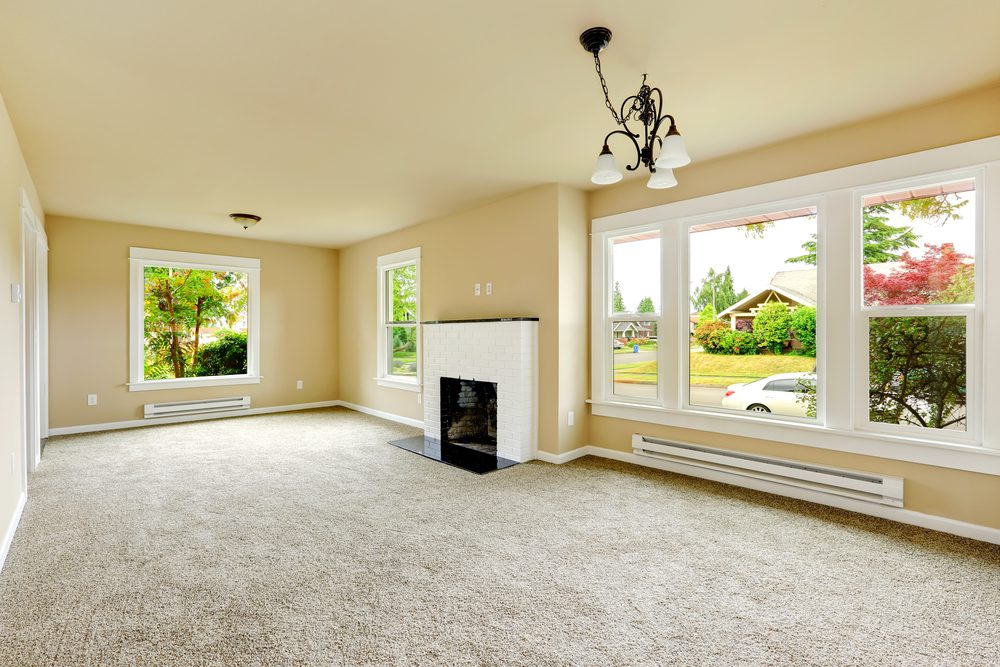
While wall-to-wall carpeting was all the rage in the 70s and 80s, it’s now seen as outdated and difficult to maintain. Many homebuyers today prefer hardwood floors for their timeless appeal and ease of cleaning. Plus, with the rise of eco-conscious living, sustainable flooring options like bamboo or cork are becoming increasingly popular.
5. Floral Wallpaper and Borders

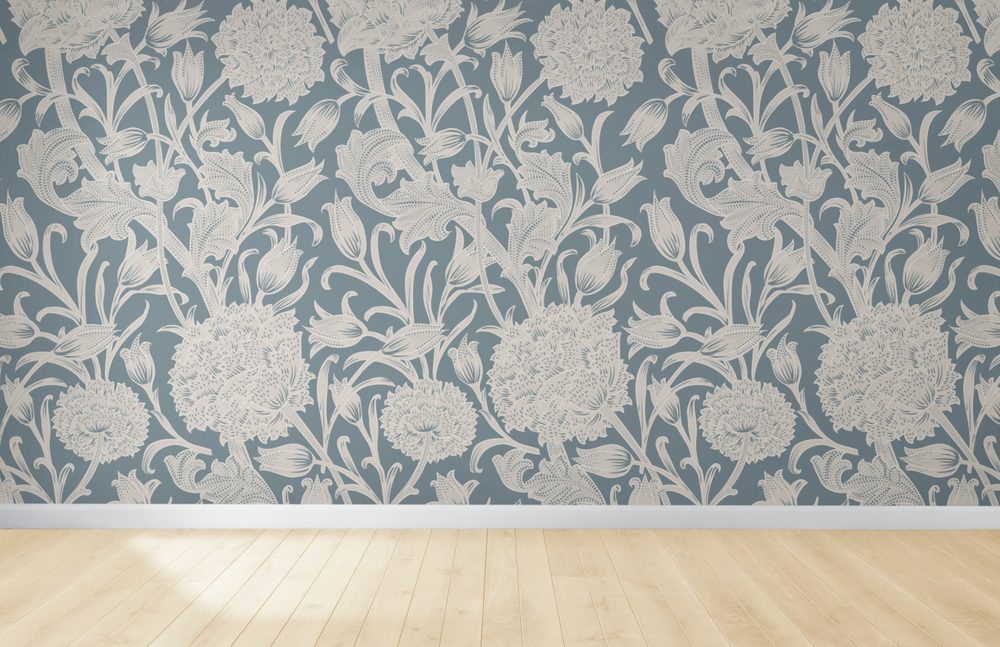
Floral wallpaper and borders might stir up a sense of nostalgia, but they’re often seen as outdated by today’s standards. Modern design trends lean more towards neutral, textured walls or bold, graphic prints. And with the popularity of DIY home improvement shows, many buyers are looking for a blank canvas they can make their own.
6. Formal Dining Rooms

Formal dining rooms are another common feature of Boomer Homes. While they can add a touch of elegance, many modern families prefer a more casual dining experience. Open concept dining areas that flow into the kitchen or living room are now in vogue. It’s all about creating a space that encourages interaction and connection.
7. Closed-off Kitchens


The kitchen has evolved from a purely functional space to the heart of the home. In many Boomer Homes, kitchens are often small and closed off from the rest of the house. However, today’s homebuyers prefer kitchens that are open and integrated with the rest of the living area. An open kitchen allows for easy entertaining and creates a more communal and social atmosphere.
8. Large, Bulky Entertainment Centers

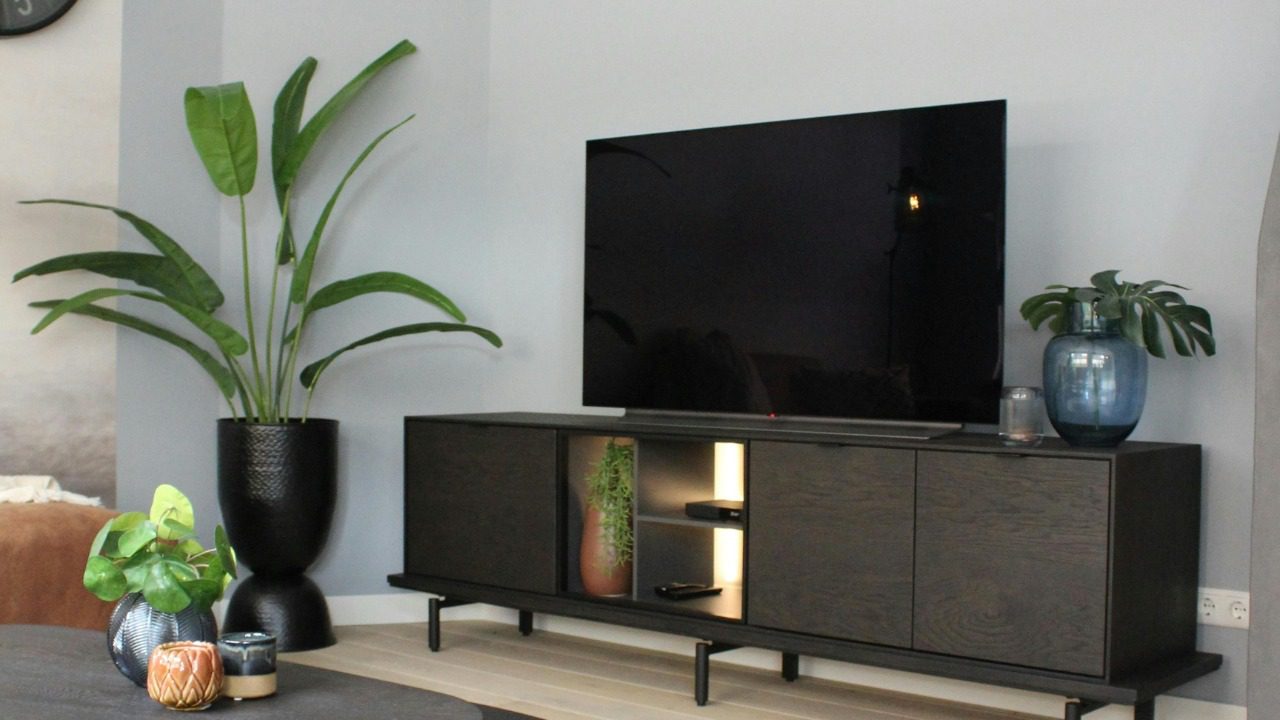
Remember those massive entertainment centers that used to house the family TV, stereo, and DVD collection? While they were a staple in many Boomer Homes, they’re now seen as outdated and cumbersome. With the advent of flat-screen TVs and digital media, the need for such large pieces of furniture has diminished. Instead, buyers are looking for clever storage solutions that can hide away clutter without taking up too much space.
9. Outdated Bathroom Styles and Fixtures

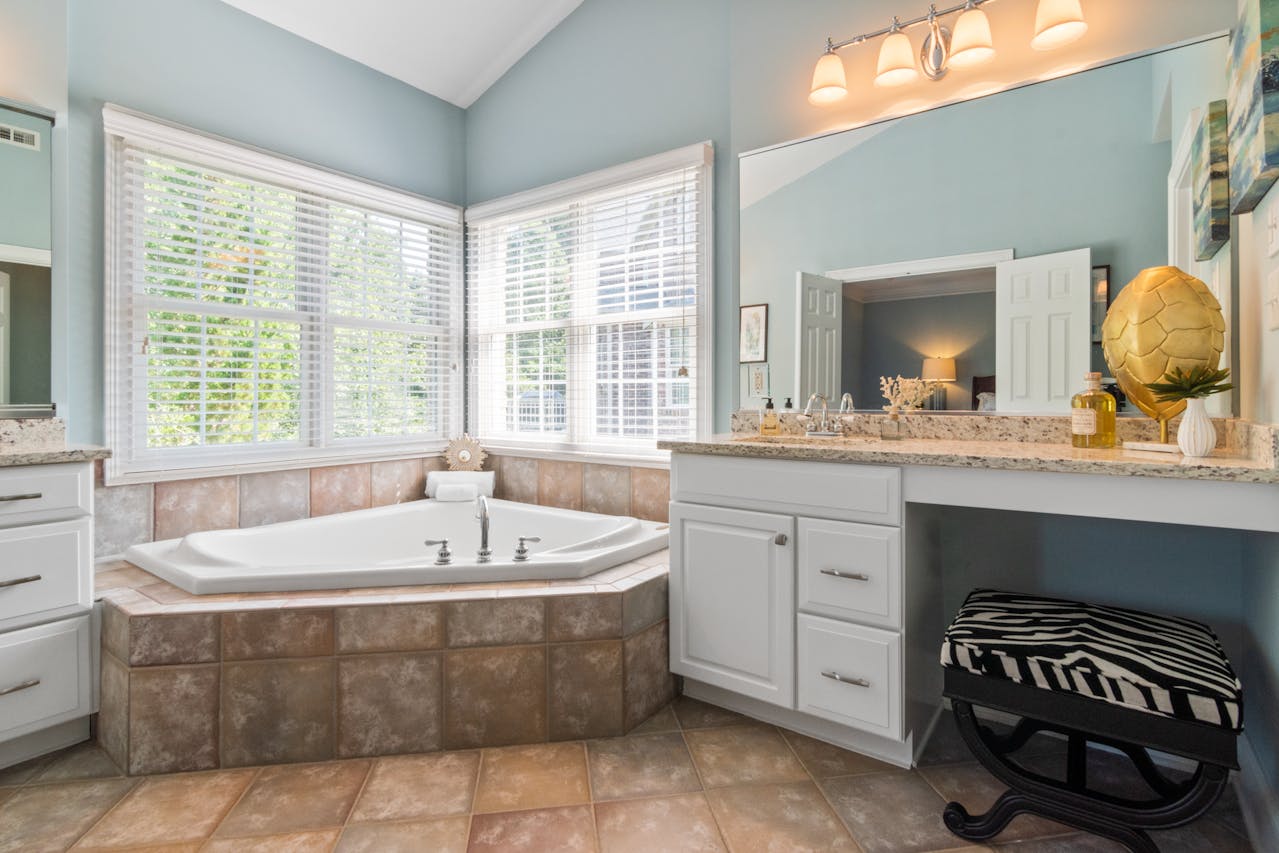
Peachy pink tiles, floral print curtains, and brass fixtures might bring back fond memories, but they can also date a home. Many homebuyers today are looking for modern bathrooms with sleek fixtures, neutral colors, and spa-like features. The bathroom has become a sanctuary of sorts, and outdated styles just don’t fit the bill.
10. Lack of Open Floor Plans

Open floor plans are highly sought after in today’s real estate market. They make a home feel larger, more inviting, and are great for entertaining. Unfortunately, many Boomer Homes were designed with a more compartmentalized layout. While this was once considered desirable for providing privacy, it can make a home feel cramped and closed off to today’s buyers.
11. Minimal Natural Light and Outdoor Connection

Natural light and a connection to the outdoors is another feature modern homebuyers are looking for. Many Boomer Homes were designed with small windows that provide minimal natural light. Today, however, large windows, skylights, and sliding doors that provide a seamless transition to outdoor spaces are favored for their ability to make a space feel open and airy.
12. Cluttered Spaces and Excessive Decor

Boomer Homes are often filled with personal collections, knickknacks, and excessive decor. While these items may have sentimental value, they can make a space feel cluttered and overwhelming. Modern design trends favor a more minimalist approach, with a focus on clean lines and decluttered spaces. This doesn’t mean you can’t have personal touches, but the key is to keep it simple and balanced.
13. Modernizing “Boomer Homes” for Today’s Market
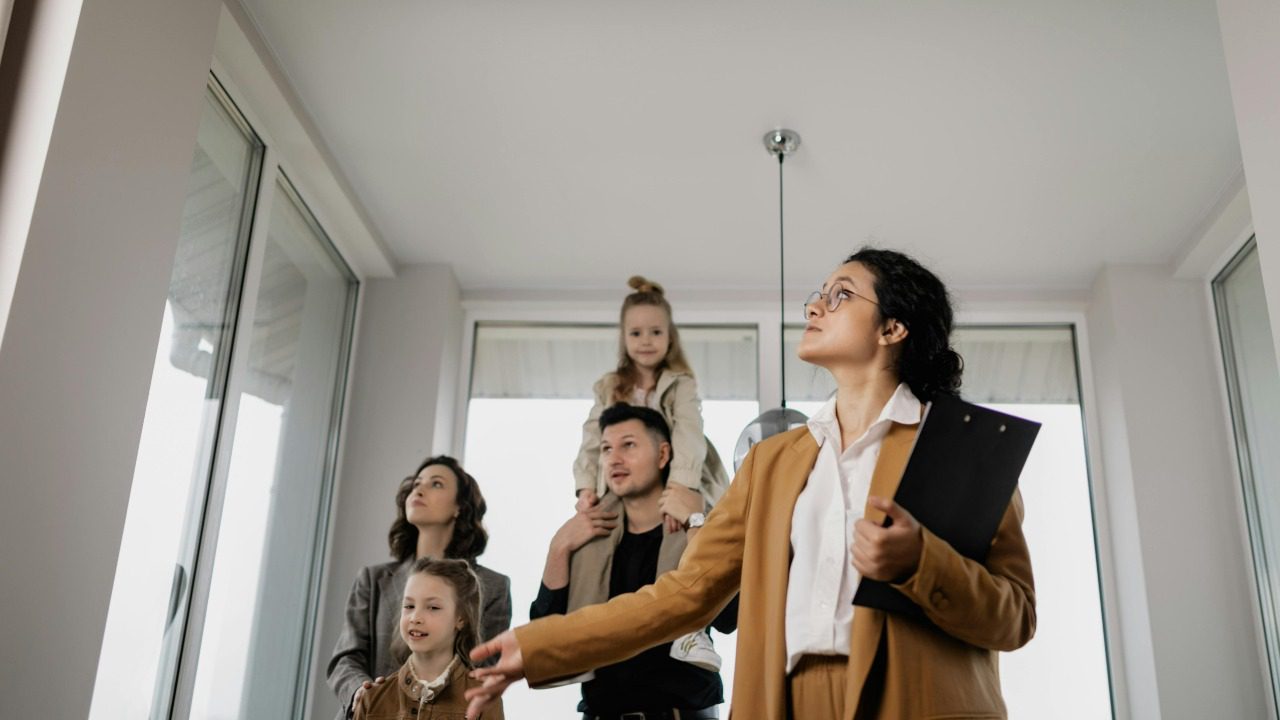
Despite these outdated habits, Boomer Homes have a lot of potential. With a few updates and a shift in design perspective, these homes can be transformed to fit the modern market. It’s all about understanding what today’s homebuyers want and finding creative ways to meet those needs. After all, every home, no matter its age, has a story to tell. It’s just about helping it speak to the right audience.
For more insights, check out these articles about Boomer home buying trends, the influence of the Boomer generation on the housing market, and the sociology of Boomer Homes.