


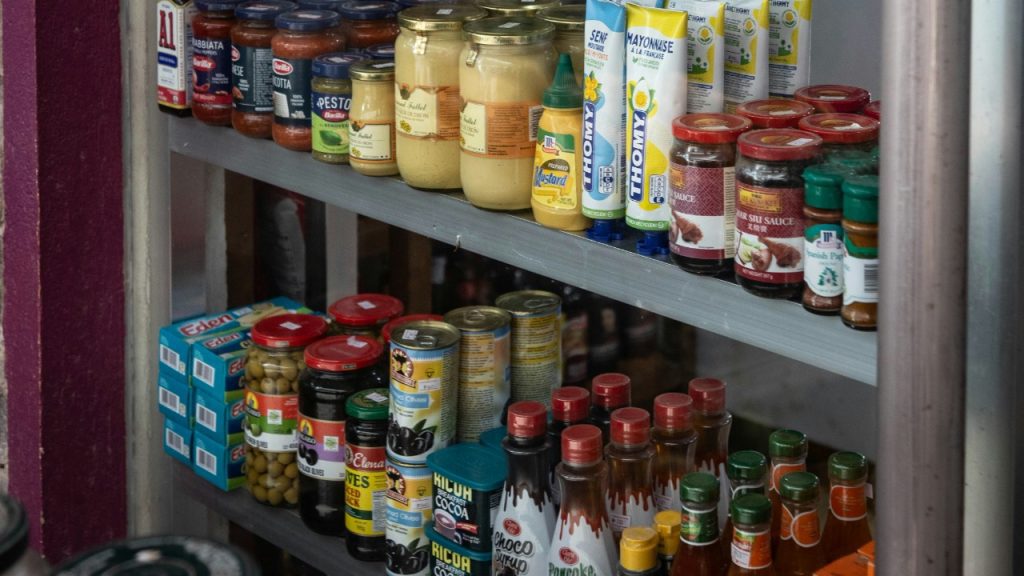
With the cost of living on the rise, savvy shoppers are always on the lookout for ways to save a few pennies. One way to keep your grocery bill in check is by stocking up on pantry staples before their prices skyrocket.
To help you make the most informed decisions, we’ve scoured a wealth of data, trend reports, and market research to compile a list of 13 pantry items that are poised for a price hike. So, without further ado, let’s dive into the list and see how you can keep your pantry—and your wallet—well-stocked.
1. Olive Oil


Olive oil, a staple in many kitchens, is expected to see a significant price increase due to several factors. The first is a decrease in olive production in major producing countries like Spain, Italy, and Greece caused by climate change. According to a recent study, adverse weather conditions have led to a drop in production levels, inevitably causing prices to rise.
Furthermore, political instability and the global pandemic have disrupted the supply chain, leading to increased transportation costs. To save money, consider buying olive oil in bulk or switching to alternatives like canola or sunflower oil. However, keep in mind that each oil has its own unique flavor and health benefits, so choose the one that best suits your needs.
2. Coffee

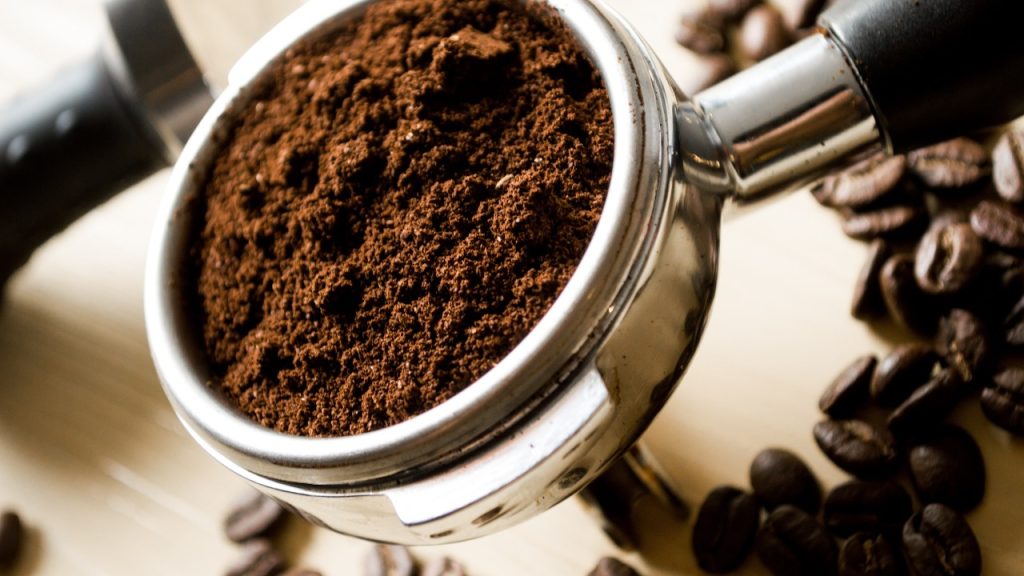
Coffee prices are on the rise for a number of reasons. First, Brazil, the world’s largest coffee producer, has been hit by severe weather conditions, including drought and frost, damaging crops and driving up prices. Additionally, shipping costs have soared as a result of the pandemic, further pushing up the cost of coffee.
To beat the price hike, consider buying coffee in bulk, purchasing beans and grinding them at home, or even exploring less expensive coffee brands. Remember, you don’t have to sacrifice quality for cost. There are plenty of affordable coffee brands that still deliver a delicious cup of joe.
3. Honey

Honey, a natural sweetener and pantry staple, is also expected to become more expensive due to a decline in bee populations. According to a report by CREAF, the decline in bee populations due to climate change and pesticide use is drastically reducing honey production, leading to higher prices.
To navigate this price increase, consider buying honey in larger quantities or switching to alternative sweeteners like maple syrup or agave nectar. However, remember that each sweetener has its own unique taste and nutritional profile, so choose the one that best fits your dietary needs and flavor preferences.
4. Pasta
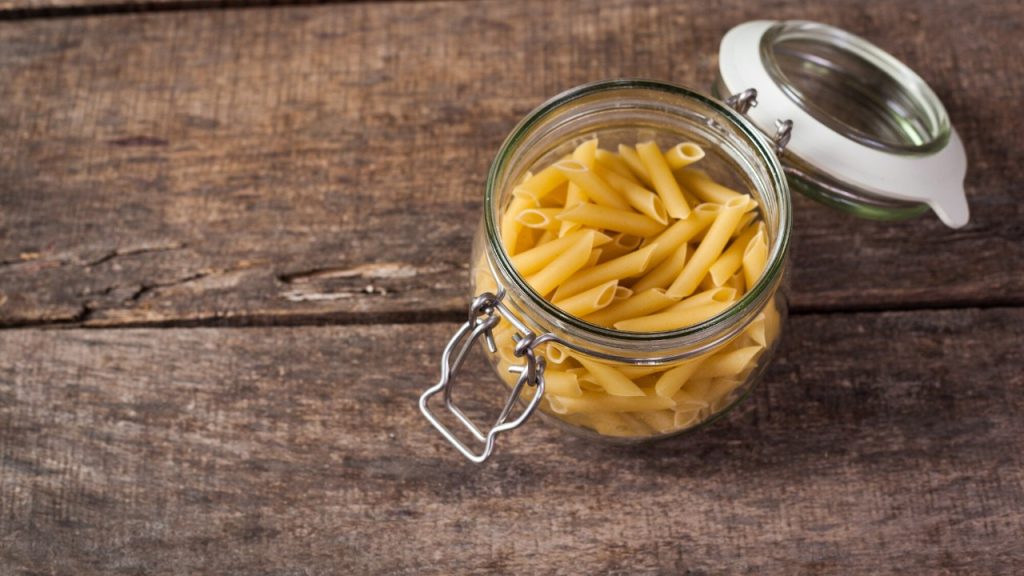
Pasta, a versatile and much-loved food item, is set to become more expensive due to increasing wheat prices. Global wheat production has been affected by adverse weather conditions, with countries like Canada and Russia—major wheat exporters—experiencing droughts that have decimated their crops.
To counteract this, consider buying pasta in larger quantities when it’s on sale or explore alternatives like rice or potatoes. You could also try making your own pasta at home—it’s easier than you might think and can be a fun and rewarding activity!
5. Rice


Rice is a staple food for more than half of the world’s population. However, it’s set to become more expensive due to rising production costs and increasing demand. According to the Food and Agriculture Organization of the United Nations, rice prices have been steadily increasing since 2020.
To beat the price increase, consider buying rice in bulk or switching to alternative grains like quinoa, barley, or couscous. However, remember that each grain has its own unique texture and nutritional profile, so choose the one that best suits your dietary needs and taste preferences.
6. Canned Tuna
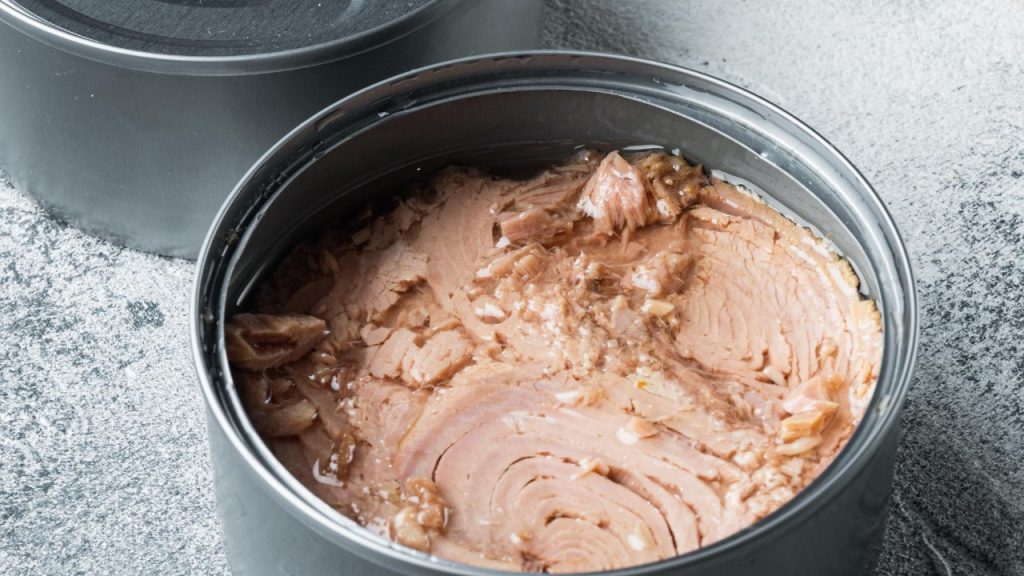
Canned tuna is a versatile pantry staple that’s perfect for quick and easy meals. However, it’s set to become more expensive due to overfishing and increasing production costs. Overfishing has led to a decrease in tuna populations, while production costs have risen due to higher fuel and labor costs.
To combat this, consider buying canned tuna in bulk when it’s on sale or switching to other canned fish like salmon or sardines. You could also consider plant-based alternatives like chickpeas, which can make a great tuna substitute in salads and sandwiches when mashed and mixed with mayo and other seasonings.
7. Peanut Butter

Peanut butter is a beloved spread that’s set to become more expensive due to increasing peanut prices. Drought conditions in key peanut-growing regions have led to lower crop yields, driving up the cost of peanuts.
To navigate this price hike, consider buying peanut butter in larger quantities or switching to alternative nut butters like almond or cashew. However, bear in mind that these alternatives are often more expensive than peanut butter, so it might be worth comparing prices before making a switch.
8. Chocolate


Chocolate lovers, brace yourselves. Your favorite treat is set to become more expensive due to increasing cocoa prices. Climate change has affected cocoa production in West Africa, which produces over 70% of the world’s cocoa.
To prepare for this, consider buying chocolate in bulk when it’s on sale or switching to other sweet treats. You could also consider dark chocolate, which typically contains more cocoa and less sugar, making it a healthier (and potentially more cost-effective) choice.
9. Flour

Flour, a basic ingredient in many recipes, is also set to become more expensive due to the aforementioned rise in wheat prices. Fluctuating weather conditions have affected wheat crops worldwide, causing prices to surge.
To counteract this, consider buying flour in larger quantities when it’s on sale or switching to alternative flours like oat or almond. However, remember that each type of flour has its own unique properties and is suited to different types of recipes, so choose the one that best fits your baking needs.
10. Canned Vegetables

Canned vegetables are a convenient and long-lasting pantry staple. However, they’re set to become more expensive due to increasing production and transportation costs. The global pandemic has disrupted supply chains, leading to higher costs for manufacturers.
To navigate this price increase, consider buying canned vegetables in bulk or switching to frozen vegetables, which can be just as nutritious and often more affordable. You could also consider growing your own vegetables—it’s cheaper, healthier, and more sustainable!
11. Sugar

Sugar, a common ingredient in baking and cooking, is set to become more expensive due to increasing production costs and changing trade policies. According to a report by Deccan Chronicle, production costs have surged due to higher fuel and labor costs.
To prepare for this, consider buying sugar in larger quantities or switching to alternative sweeteners like honey, maple syrup, or artificial sweeteners. However, remember that each sweetener has its own unique taste and nutritional profile, so choose the one that best fits your dietary needs and flavor preferences.
12. Canned Beans

Canned beans are a nutritious and versatile pantry staple. However, they’re set to become more expensive due to increasing production and transportation costs. The global pandemic has disrupted supply chains, leading to higher costs for manufacturers.
To navigate this price increase, consider buying canned beans in bulk or switching to dried beans, which are often cheaper and have a longer shelf life. You could also consider adding more lentils to your diet, which are a great source of protein and fiber and are typically cheaper than beans.
13. Spices
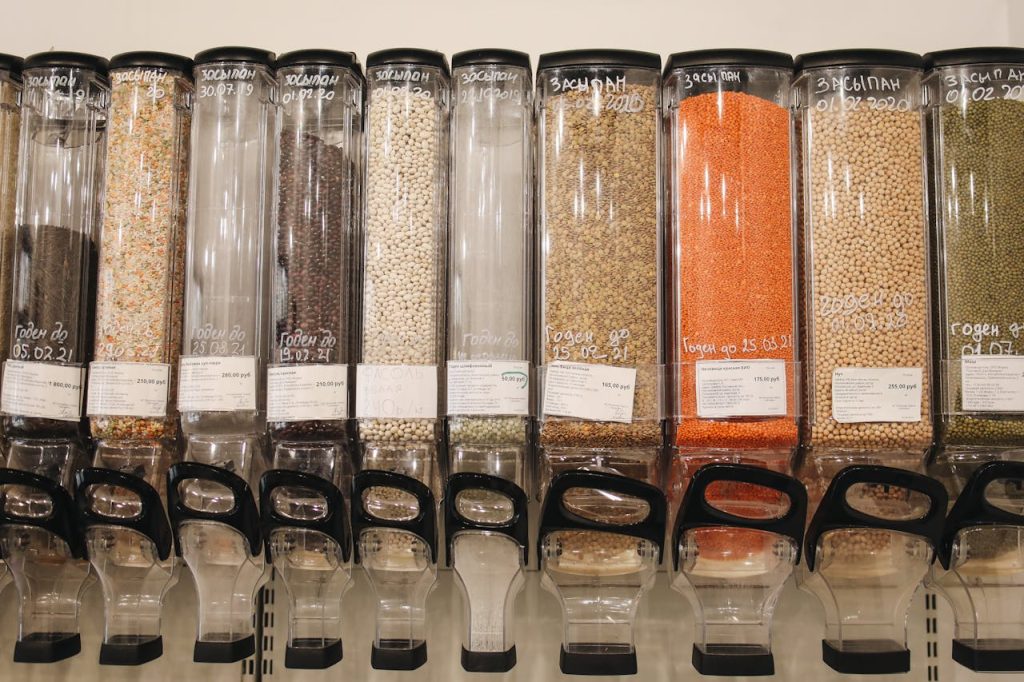
Spices are essential for adding flavor to your meals. However, they’re set to become more expensive due to increasing production costs and changing trade policies. Climate change has also affected spice production, with drought conditions leading to lower crop yields.
To prepare for this, consider buying spices in larger quantities or growing your own herbs like basil, thyme, or rosemary. You could also consider exploring less popular but equally flavorful spices that might be cheaper. Remember, variety is the spice of life!
Remember, being prepared and making informed choices can help you navigate price hikes and keep your pantry stocked without breaking the bank. Happy shopping!