

The school experience of the 1960s was shaped by a distinct set of rules that defined daily life for students. You might be surprised to learn that these regulations reflected the social norms and expectations of the time, influencing everything from dress codes to behavior in class.
13 School Rules Everyone Followed in the ‘60s


Many of these rules seem outdated by today’s standards, yet they played a significant role in how students interacted and learned. As you explore this article, you’ll discover the fascinating ways school rules evolved and how they contrasted sharply with modern practices.
Strict dress codes for girls – no pants allowed

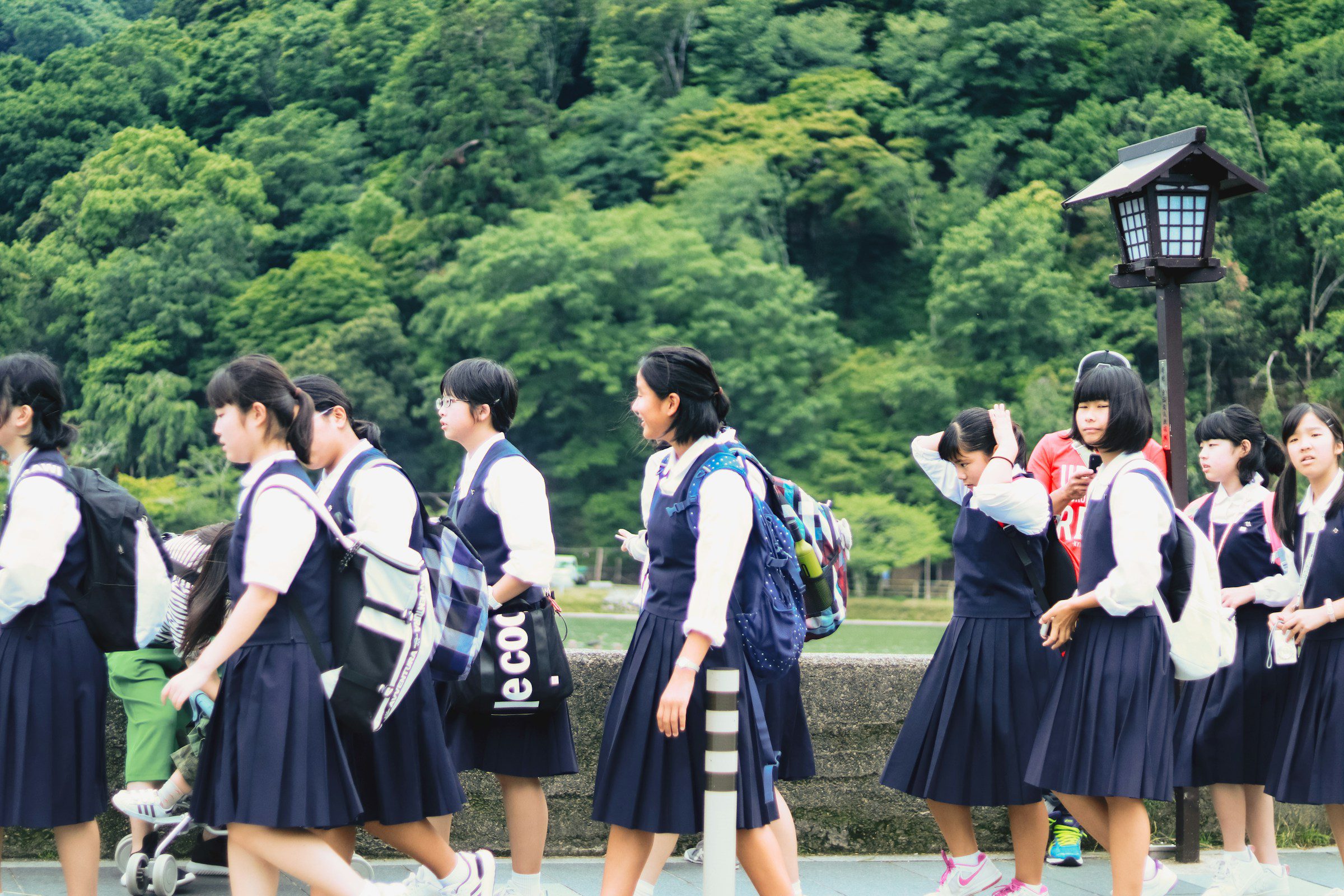
In the ‘60s, many schools enforced strict dress codes for girls. You couldn’t wear pants, as dresses and skirts were mandatory. This rule applied even during cold weather, which would sometimes lead to discomfort.
You likely remember the importance placed on appearance, with a focus on modesty. The dress code shaped daily routines and freedoms in a significant way.
Boys’ hair had to be kept short


In the ‘60s, boys often faced strict rules regarding their hair length. Schools enforced policies requiring you to keep your hair cut short.
Long hair was seen as a sign of rebellion against societal norms, and many students felt pressure to conform to these expectations. Maintaining a short hairstyle was a way to fit in and avoid trouble at school.
Corporal Punishment Was Standard Practice


In the ’60s, corporal punishment was a common disciplinary method in schools. If a student misbehaved, they could face physical discipline from teachers. This could include paddling or other forms of physical correction, often seen as a way to maintain order and promote respect. Many kids accepted it as a normal part of school life back then.
No Chewing Gum in School


You might remember a strict rule from the ‘60s: no chewing gum allowed in school. This policy aimed to keep classrooms tidy and minimize distractions.
In many schools, gum was seen as a rebellious act. Teachers often enforced this rule firmly, ensuring that everyone stayed focused on their lessons.
Daily attendance was mandatory

In the ‘60s, daily attendance was a strict requirement for students. You had to show up at school regularly to keep up with your classes and participation. Missing school often led to consequences, as education was seen as essential for your development and future opportunities. Being present was not just encouraged; it was expected.
Boys could not wear blue jeans


In the 1960s, schools had strict dress codes. You might remember that boys were often prohibited from wearing blue jeans.
Formal attire was the norm, with chinos or slacks being acceptable. Many schools believed jeans were too casual for the classroom environment. This rule shaped the way students dressed during that era.
Girls’ skirts had to be a certain length

In the ’60s, school dress codes were quite strict, especially for girls. You had to ensure your skirt met specific length requirements. Skirts often had to fall below the knee, which many found limiting.
Some schools enforced these rules rigorously, leading to creative solutions like skorts. It was important to adhere to these guidelines to avoid any issues with school authorities.
Smoking Areas Existed for Students


In the ’60s, many high schools had designated smoking areas for students. You could find a lounge or an outside space where kids gathered to smoke between classes. It was a different time, and students often felt it was just a normal part of their school experience.
Physical education was gender-segregated


In the ‘60s, physical education often meant separate classes for boys and girls. You would find that boys focused on team sports like football and basketball, while girls typically engaged in activities such as gymnastics and dance.
This segregation aimed to address perceived differences in athletic ability. As a student, you likely experienced the unique dynamics of these gender-specific classes.
No talking in class without raising a hand


In the ’60s, classroom rules were strict, and one key rule was no talking unless you raised your hand. You had to wait for the teacher to call on you before sharing your thoughts. This encouraged respect for authority and made sure everyone had a chance to participate without interruptions. It created an environment where listening was just as important as speaking.
Teachers maintained strict classroom control

In the ’60s, teachers had a firm grip on classroom behavior. Classroom management was often enforced through strict rules and consequences.
Many educators were known to use physical discipline, keeping order and respect at the forefront of their teaching. This emphasis on discipline shaped a learning environment that was different from today’s more relaxed approaches.
Single-gender classrooms were common

In the 1960s, many schools operated on single-gender principles. You might have attended classes with only boys or only girls, creating a different learning environment. This approach was based on the belief that it helped reduce distractions and stereotypes in the classroom.
Such settings were especially prevalent in private schools. In fact, about 62 percent of non-religious independent schools were single-sex during that time.
Homework assignments were mandatory

In the ‘60s, homework was a key part of your education. Teachers assigned tasks that you had to complete outside of school hours. These assignments often included reading, writing, and problem-solving activities.
Completing homework was essential for keeping up with your studies and preparing for tests. It helped reinforce what you learned in class.