You might think your home is clean, but sometimes dirt and grime hide in places you don’t notice. It’s easy to overlook areas that collect dust, bacteria, or stains, even when you tidy regularly.
Knowing the signs that reveal a filthy home can help you keep your space truly healthy and fresh. This article will guide you through common clues that your “clean” home might need a deeper look.
Lingering bad odors despite recent cleaning

If your home still smells bad after cleaning, hidden sources might be the cause. Check under sinks for leaks or mold, which can create unpleasant odors even if the surface looks clean.
Garbage disposals and kitchen drains often trap food scraps, allowing odor-causing bacteria to grow. Regularly cleaning these areas can help reduce smells.
Pets, damp spots, or forgotten messes can also contribute to lingering odors. Sometimes, the smell comes from places you don’t usually clean, so a deeper inspection may be needed.
Sticky residue on kitchen countertops
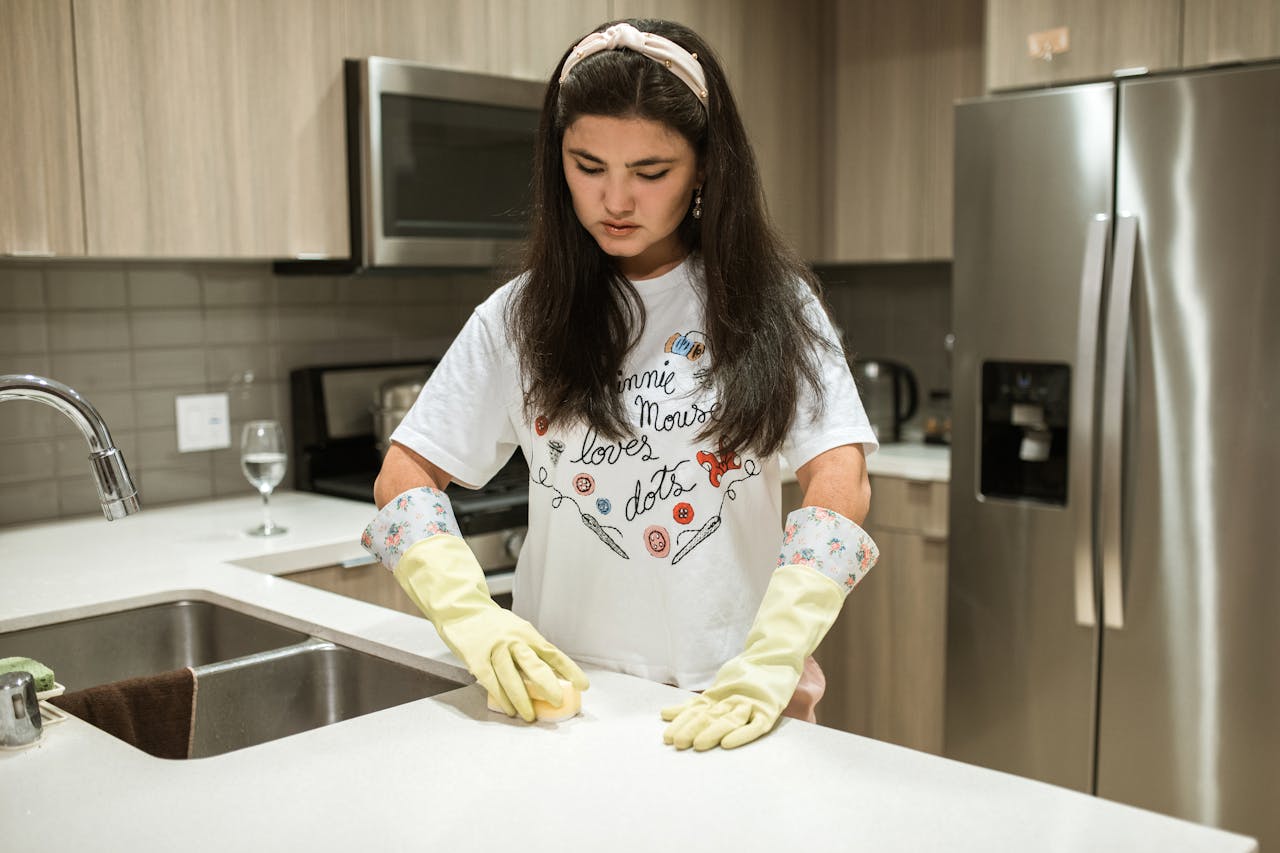
If your kitchen countertops feel sticky even after cleaning, it might be from accumulated grime or leftover cleaning products. This sticky layer can trap dirt and bacteria, making your surface less sanitary than it seems.
Try wiping a small area with a damp cloth to remove dust first. Then use a gentle dish soap solution to break down any stubborn residue. Avoid harsh scrubbing to protect your countertop’s finish.
Visible grime buildup around sink edges
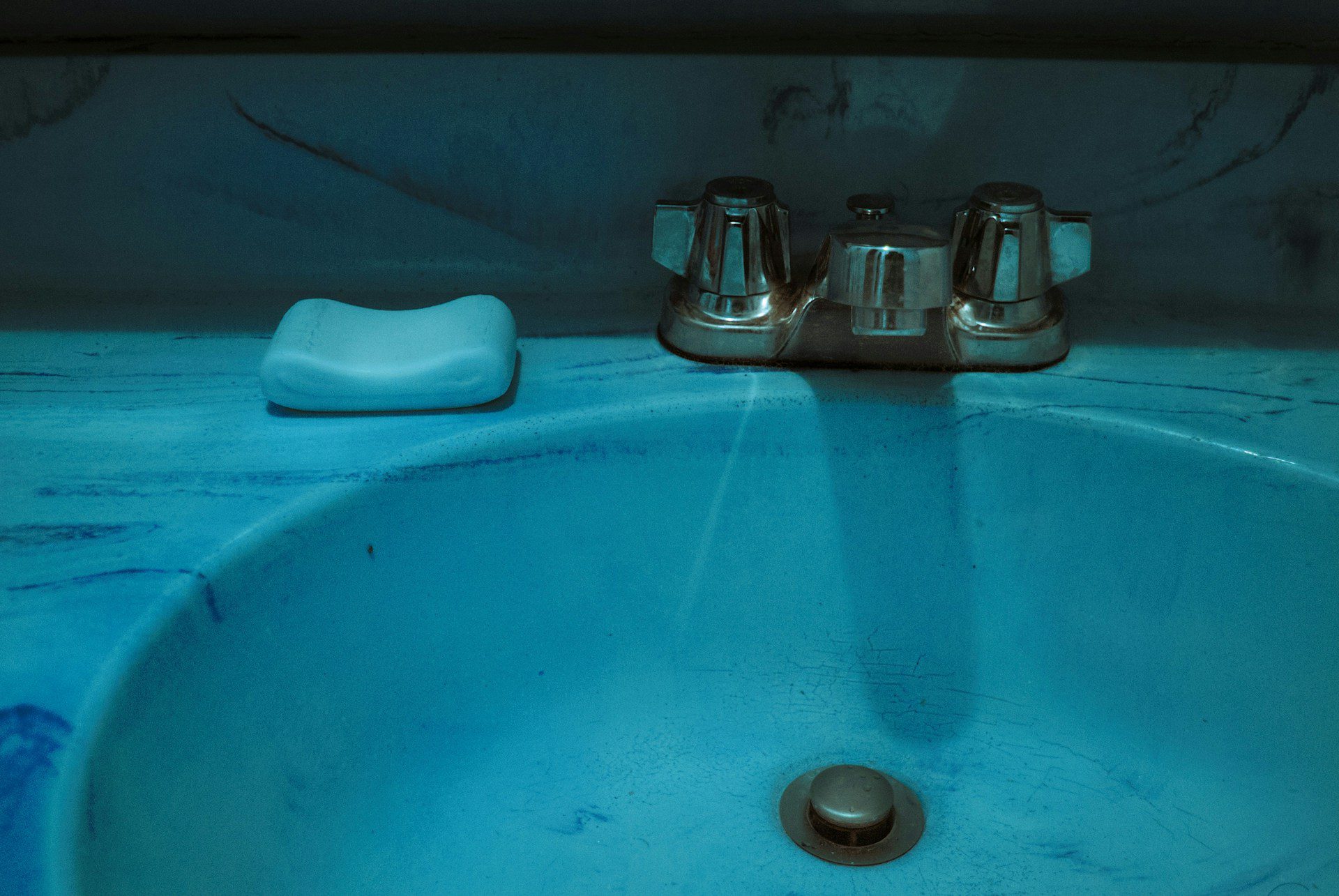
If you notice dark or sticky residue around your sink edges, it’s a clear sign dirt and soap scum have been left to accumulate.
This area often traps moisture, making it a perfect spot for grime to develop without regular cleaning.
Pay close attention to the edges where the sink meets the countertop—these spots can look clean at a glance but hide buildup that needs scrubbing.
Unclean toilet seat with stains
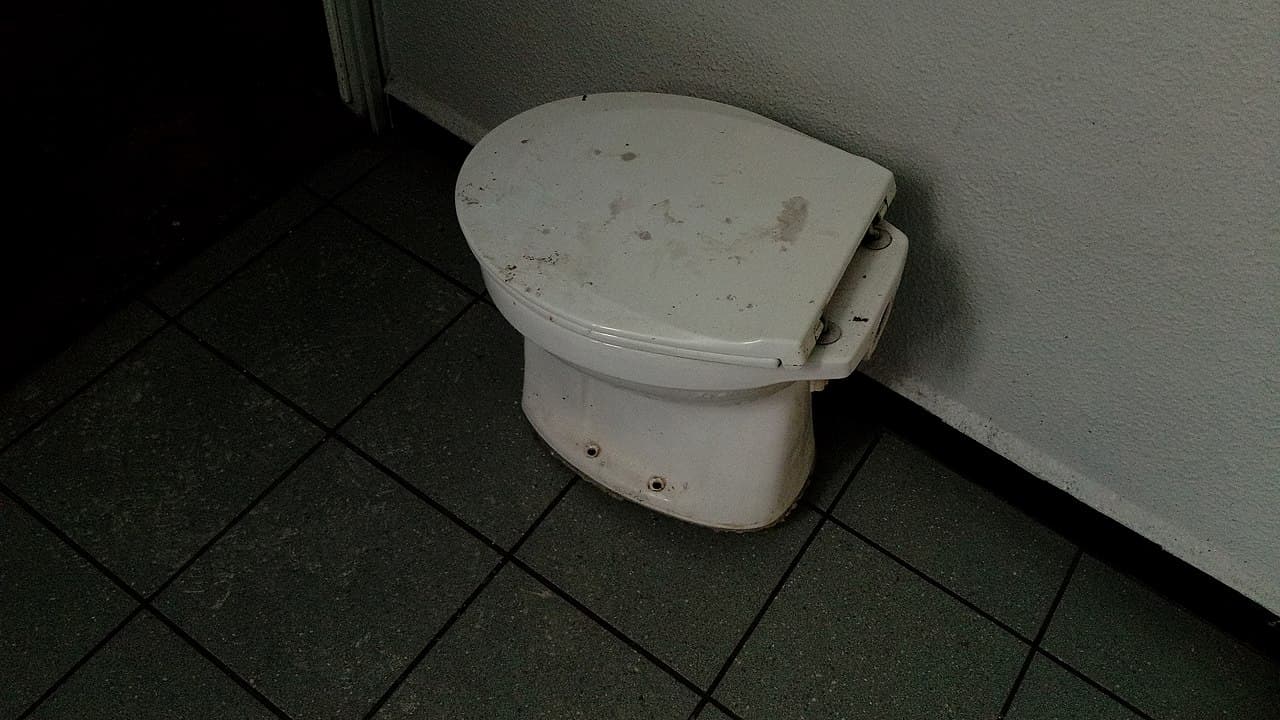
You might think your toilet seat looks clean, but stains tell a different story. Even small marks or rings can mean bacteria buildup.
If you notice discoloration or dried spots, your toilet needs more than a quick wipe. Cleaning around the seat, hinges, and edges helps prevent germs.
Using a disinfectant regularly keeps the seat sanitary. Don’t forget to check for hidden stains that can make your bathroom less fresh than you realize.
Bathtub ring marks that won’t scrub off

If your bathtub has stubborn ring stains that won’t come off, it might mean it hasn’t been cleaned regularly. These marks often come from soap scum, body oils, and minerals in water.
You can try scrubbing gently with a paste made from common powder cleansers. Using an eraser sponge on tough spots can also help lift stains without harsh scrubbing.
When rings persist, it’s a sign your bathroom needs a deeper, more consistent clean.
Dust layer on seldom-moved furniture

If you notice a thin layer of dust on furniture you rarely use, it’s a sign your cleaning might be missing spots. Dust tends to settle quietly on surfaces that don’t get moved or wiped often.
Regular dusting of these areas helps prevent buildup and keeps your home feeling fresh. Try to include these hidden spots in your cleaning routine to avoid unseen dirt accumulating over time.
Trash cans with lingering smells

If your trash cans have lingering smells, it’s a sign they need more than just emptying. Often, leftover spills or trapped moisture create odors that regular trash removal can’t fix.
Check inside your cans for stuck-on grime or standing water. Cleaning with soap and water, or sometimes a bio-enzymatic cleaner, can help break down odors.
Be sure to wash lids and handles too, since those spots often trap bacteria and smells you might miss. Regular cleaning keeps your trash cans fresh and your home feeling cleaner.
Forgotten moldy food in the fridge
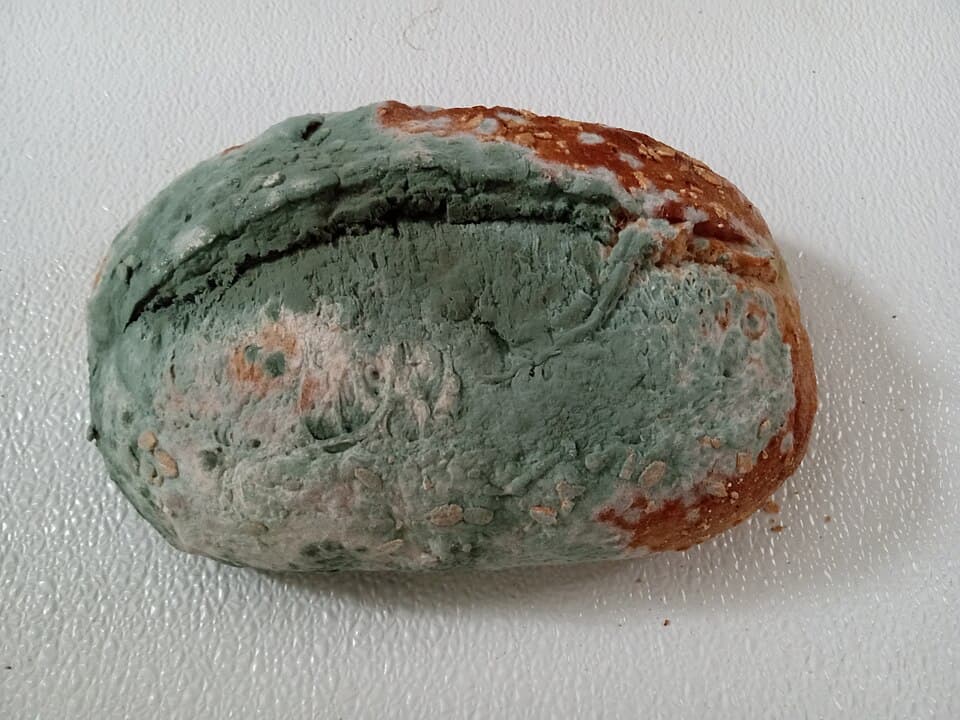
If you find old food growing mold in your fridge, it’s a clear sign your kitchen needs more attention. Mold can spread quickly and affect the freshness of other foods.
Make sure to check your fridge regularly and toss anything past its prime. Cleaning spills and wiping shelves helps keep mold from returning.
Using natural cleaners like hydrogen peroxide can effectively remove mold without harsh chemicals. This simple habit keeps your fridge healthier and your food safer.
Crumbs and spills inside drawers

You might not think to check inside your drawers, but crumbs and spills can easily hide there. Food particles, dust, and small debris often collect unnoticed, making drawers surprisingly dirty.
If you open a drawer and find sticky spots or bits of leftover food, it’s a sign the space needs attention. Regularly wiping down inside drawers helps keep your whole home cleaner.
Dirty light switches and door handles

You probably touch light switches and door handles dozens of times a day. These spots easily collect dirt, oils, and germs without you noticing.
If these areas look grimy or feel sticky, it’s a good sign they need cleaning. Wiping them regularly with a microfiber cloth can keep them looking fresh.
Cleaning these small surfaces often makes your home feel cleaner overall, even if they don’t stand out at first glance.
Clogged and grimy bathroom drains

If your bathroom drain is slow or smells bad, it might be clogged with hair and soap buildup. These clogs trap grime that you can’t see but definitely affects cleanliness.
You can prevent buildup by using a drain catcher. Regularly removing hair and debris stops grime from forming and keeps water flowing freely.
Sometimes, grime hides beneath buildup, so a deep clean with a drain-safe cleaner is a good idea. This keeps your bathroom truly fresh, not just looking clean.
Clothes piling up despite tidying

If you find clean clothes piling up even after you put in effort to tidy, it might be a sign your home isn’t as clean as it seems. You might wash and fold, but not consistently put clothes away.
This can create hidden clutter and make your space feel messy over time. Small habits like this sometimes indicate tasks take longer than expected, which can slow your overall cleaning routine.
Unwashed dishes in the sink

If you notice a pile of dirty dishes in your sink, it’s a sign your kitchen might not be as clean as it seems. Leaving dishes unwashed can attract pests and cause unpleasant odors.
You might think a few dishes won’t hurt, but over time this can create buildup of food residue and bacteria. Washing dishes regularly keeps your space fresh and more hygienic.