

You might think your collection has value, but sometimes it’s just a pile of stuff taking up space. Many people hold onto things out of habit or sentiment, even when those items no longer serve a purpose or bring joy.
Knowing the signs that your “collection” might actually be worthless junk helps you decide what to keep and what to let go. This article will help you recognize when it’s time to stop holding on and start decluttering for good.
Items with faded or damaged labels


If your collection has items with faded or damaged labels, it can lower their value. Labels often provide important information about the item’s authenticity and origin.
Without clear labels, it’s harder for buyers or appraisers to verify what you have. This can make your collection less desirable or even worthless, especially if the label is key to identifying rare pieces.
Items stuck in plastic holders with no signs of use

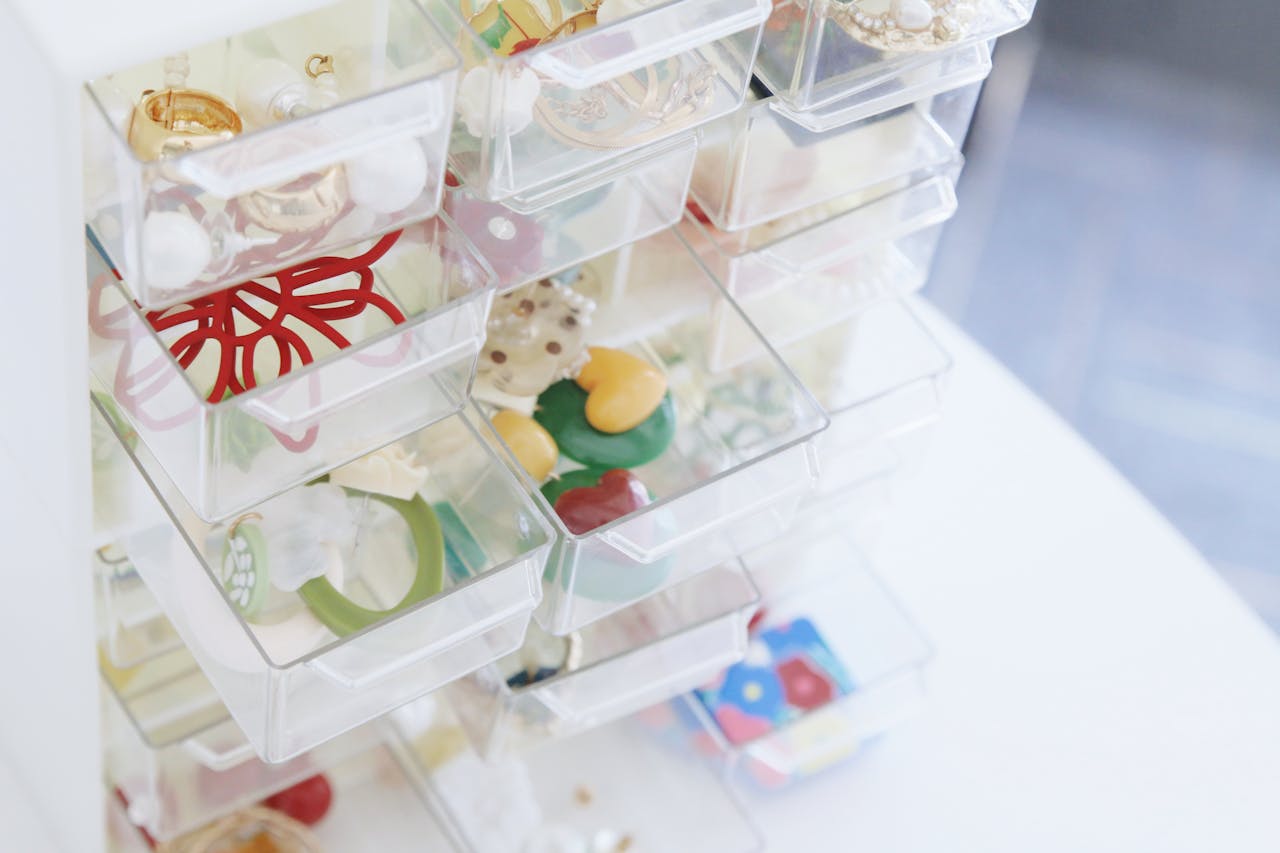
You might have items carefully sealed in plastic holders, but they show no evidence of ever being opened or used. While preserving condition is important for collectors, these pieces can sometimes lose their value if they never get enjoyed.
If you never interact with these items, ask yourself why you keep them. Sometimes, it’s better to use or share your collection rather than let it gather dust in plastic.
Cards from the ‘Junk Wax Era’ with no grading


If your collection includes cards from the Junk Wax Era but hasn’t been graded, they likely hold little value. This period saw mass production of cards, making most of them common and easy to find.
Without grading, it’s hard to prove the condition or authenticity of these cards. That usually means they won’t attract serious buyers or add much worth to your collection.
Incomplete collections missing key pieces


If your collection is missing important items, it can lose much of its value. Often, key pieces are what make a collection interesting or complete.
You might think the parts you have are enough, but serious collectors usually look for whole sets. Without those missing pieces, your collection may only have sentimental value.
Checking what’s essential for your type of collection can help you decide if it’s worth continuing to invest in.
Comic books with no rare issues or first prints

If your collection doesn’t include rare issues or first prints, its value might be very low. Most comics are reprints or common editions, which collectors usually don’t seek out.
You might have fun reading them, but financially, they often won’t attract much interest. Without standout issues, your collection is more about personal enjoyment than investment.
Old sports cards with no provenance


If your sports cards lack clear history or proof of authenticity, their value may be very limited. Collectors often look for verified origins, like receipts or certificates, to trust the card’s legitimacy.
Without provenance, it’s harder to confirm if your cards are rare or genuine. This can keep their worth closer to sentimental value rather than market value.
Even cards from popular eras may not be worth much if you can’t prove where they came from. Keeping track of your collection’s background helps maintain its potential value.
Toys kept in boxes but never displayed


If your toys live mostly in boxes and rarely see the light of day, they might not be serving their purpose as a collection. Collecting is often about enjoyment, sharing, or showcasing, not just storage.
When your items never leave the box, it can be a sign they’re more about clutter than value. If you don’t connect with them visually or emotionally, consider if keeping them boxed is worth the space.
Duplicates of the same low-value item


You might have multiple copies of the same item that don’t add any extra value to your collection. Holding on to several low-value duplicates can quickly turn your space into clutter.
Instead of keeping every single one, consider choosing just a few favorites. This way, you free up room and keep your collection meaningful.
Memorabilia with no official authentication
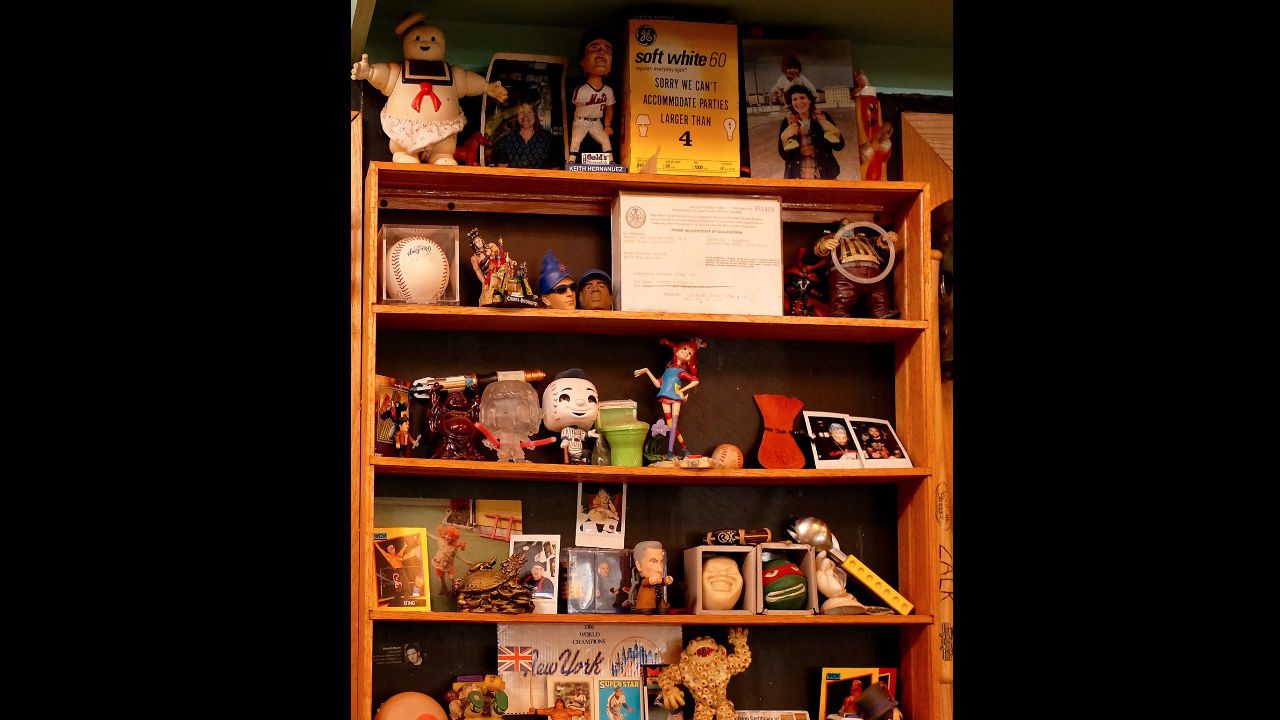
If your memorabilia lacks official authentication, its value is often uncertain. Without verification from trusted experts, buyers may doubt its legitimacy.
You should look for certificates or verification from reputable groups. These help prove your item’s authenticity and can boost its worth.
Keep in mind, handwritten notes or personal stories alone don’t confirm authenticity. Getting your memorabilia properly authenticated adds confidence for both you and potential buyers.
Magazines from short-lived runs with no demand
If your collection includes magazines


that only lasted a few issues, they often don’t hold value. These publications usually lack a strong audience or lasting interest.
You might find these magazines are tough to sell or trade because few people want them. Holding onto them could just take up space without any payoff.
Focus on magazines with a known following or special editions if you want to keep something more worthwhile. Otherwise, short-lived runs tend to be forgotten quickly.
Random trinkets with no sentimental value

If your collection is mostly random trinkets that hold no personal meaning, it might just be clutter. These items don’t tell a story or connect to any memory of yours.
You might find yourself keeping things because you thought they might be useful someday. But if they don’t spark joy or remind you of something important, they probably aren’t worth holding onto.
Mass-produced souvenirs without uniqueness

If your collection is full of mass-produced souvenirs, it likely lacks value. These items are made in large quantities and don’t have anything special that sets them apart.
You might have a shelf covered with generic keychains or mugs from different places. While they may have sentimental value, they are not rare or unique.
Collectors usually look for items that are distinctive or have a story. Without that, your souvenirs are just common keepsakes.
Books never read or referenced

If your collection has many books that you haven’t read or referenced in years, it might just be taking up space. Books are meant to be enjoyed or used, not just stacked randomly.
Holding onto them because you “might” read them someday can turn a collection into clutter. It’s okay to let go of titles that no longer fit your interests or needs. Keeping only the books you actually engage with keeps your collection meaningful.