

When you start decluttering, it’s easy to focus on what to get rid of. But not everything should be tossed or donated. Knowing which items hold value can help you keep what truly matters and avoid throwing away things that might serve you well.
Decluttering specialists identify specific items that are worth keeping because of their usefulness, sentimental importance, or potential value. Understanding what those are can make your decluttering process more effective and less stressful.
Important birth certificates

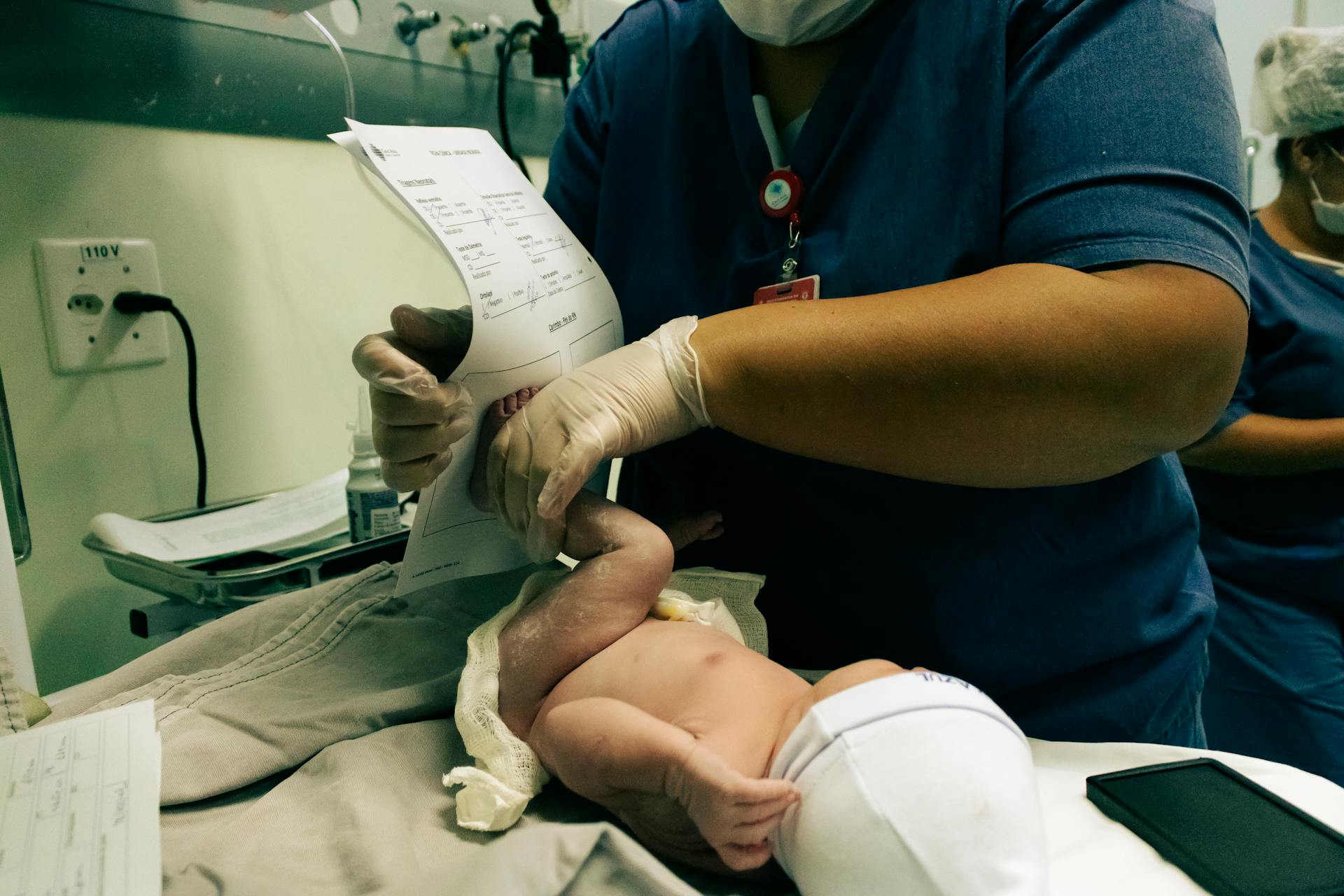
You should never throw away your birth certificates. These documents serve as proof of your identity and are often required for legal and official purposes.
Keep certificates for every family member in a safe, easy-to-find place. Losing them can create unnecessary hassle when applying for passports, licenses, or government benefits.
Even if you think you won’t need them soon, holding on to birth certificates is a smart choice. They remain valuable throughout your life.
Handwritten letters from loved ones


You might be tempted to toss old letters during decluttering, but they carry a unique emotional value. These notes capture personal moments and voices from your past that digital messages can’t replace.
If you worry about space, consider scanning them to keep a digital copy. Storing handwritten letters in a special box lets you preserve memories while staying organized.
Family photo albums


Your family photo albums hold more than just pictures; they preserve moments and stories from your past. Specialists encourage keeping albums that carry meaningful memories.
It’s okay to be selective. You don’t have to keep every album, but those that connect you to important people or events are valuable.
If space becomes an issue, consider digitizing some photos. This way, you hold onto memories without the physical clutter.
Irreplaceable antiques


You should hold onto antiques that carry personal or historical value. These items often cannot be replaced once lost or damaged.
Make sure to store them carefully to avoid damage from overcrowding or environmental factors like dampness or heat. Proper care will help preserve their worth and meaning.
Even if antiques don’t have a monetary value, their sentimental importance often makes them too valuable to discard.
Emergency contact lists
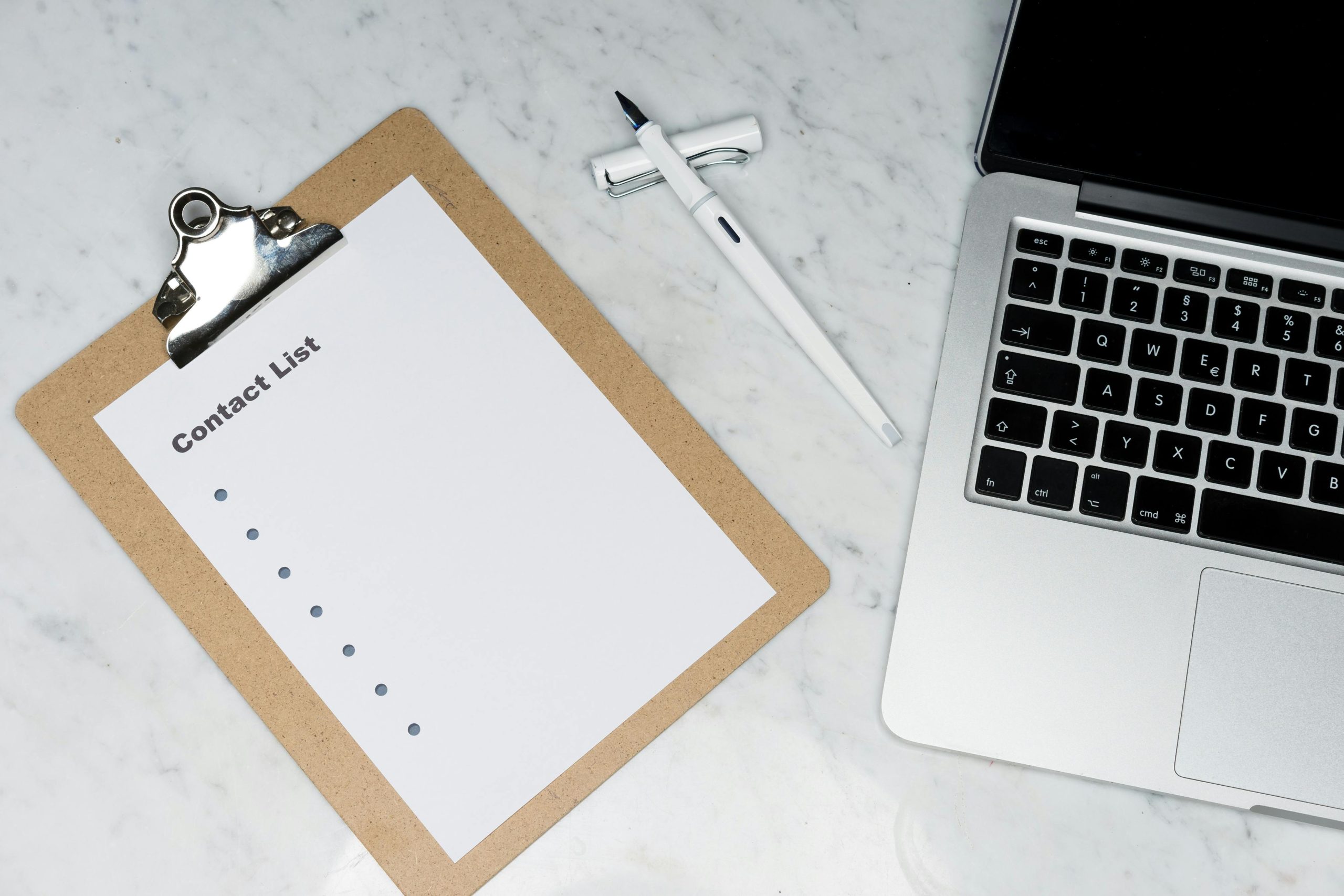
You should keep your emergency contact lists easily accessible. These lists include important phone numbers for family, doctors, and local services.
In urgent situations, having this information on hand can save you valuable time. Update your list regularly to ensure all details are current.
Keep a physical copy where you can find it quickly, like on the fridge or in a bedside drawer. This small step adds peace of mind during unexpected events.
Heirloom jewelry


When decluttering, you might want to pause before discarding heirloom jewelry. These pieces often carry sentimental value that goes beyond their material worth.
If an item is broken, consider whether you would wear it or if it holds family memories. Keeping a few special pieces can help preserve your connection to loved ones.
Heirloom jewelry can also inspire future styles or become a treasured gift for someone else in your family.
Warranties and receipts for major purchases


Keep warranties and receipts for big-ticket items like electronics or appliances. These documents can save you money if you need repairs or replacements.
Store them in a dedicated folder or digitally, so you can find them easily. Don’t toss them until the warranty expires or you no longer own the item.
Children’s artwork

Your child’s artwork holds more than just paint and paper. It captures memories and moments in their growth and creativity.
While it’s easy to feel overwhelmed by the volume, keeping a curated selection helps preserve these memories without clutter. Consider using a dedicated bin or digital archive to save what truly matters.
Letting go of some pieces doesn’t mean losing the value of your child’s effort. It makes space for new creations and memories.
Sentimental souvenirs from travels


Your travel souvenirs often hold memories that go beyond their physical form. Items like postcards, ticket stubs, or small keepsakes remind you of moments and experiences.
While some travel mementos might feel ordinary, their sentimental value can make them important to keep. Decluttering specialists suggest holding on to those pieces that truly connect you to special trips.
Let go of things that don’t spark meaningful memories. Focus on what helps you recall the joy and discovery of your travels.
Personal journals


Your personal journals hold more than just words. They capture your thoughts, experiences, and growth over time.
Even if you don’t revisit them often, they can remind you of where you’ve been and who you are. Decluttering specialists suggest keeping journals that have meaningful reflections or memories.
If a journal feels empty or unimportant, it’s easier to decide whether to keep or let it go.
Original copies of legal documents

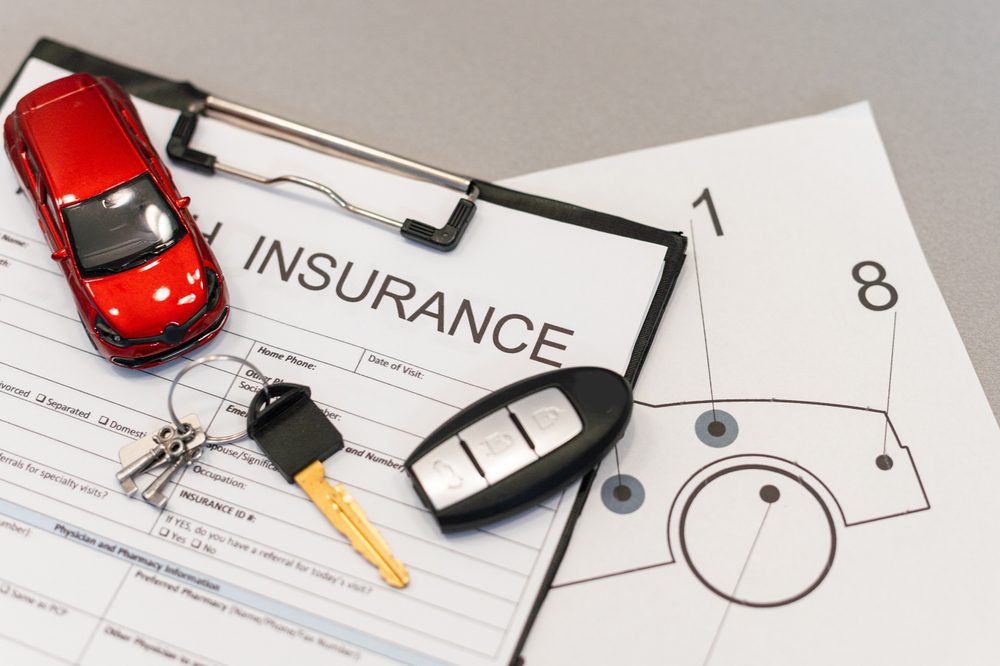
You should always keep original legal documents like birth certificates, marriage licenses, and wills. These papers are often required for official purposes and can’t easily be replaced.
Filing them safely, such as in a fireproof safe, helps protect you from loss or damage. Avoid discarding or decluttering these items, no matter how old they seem.
Medical records
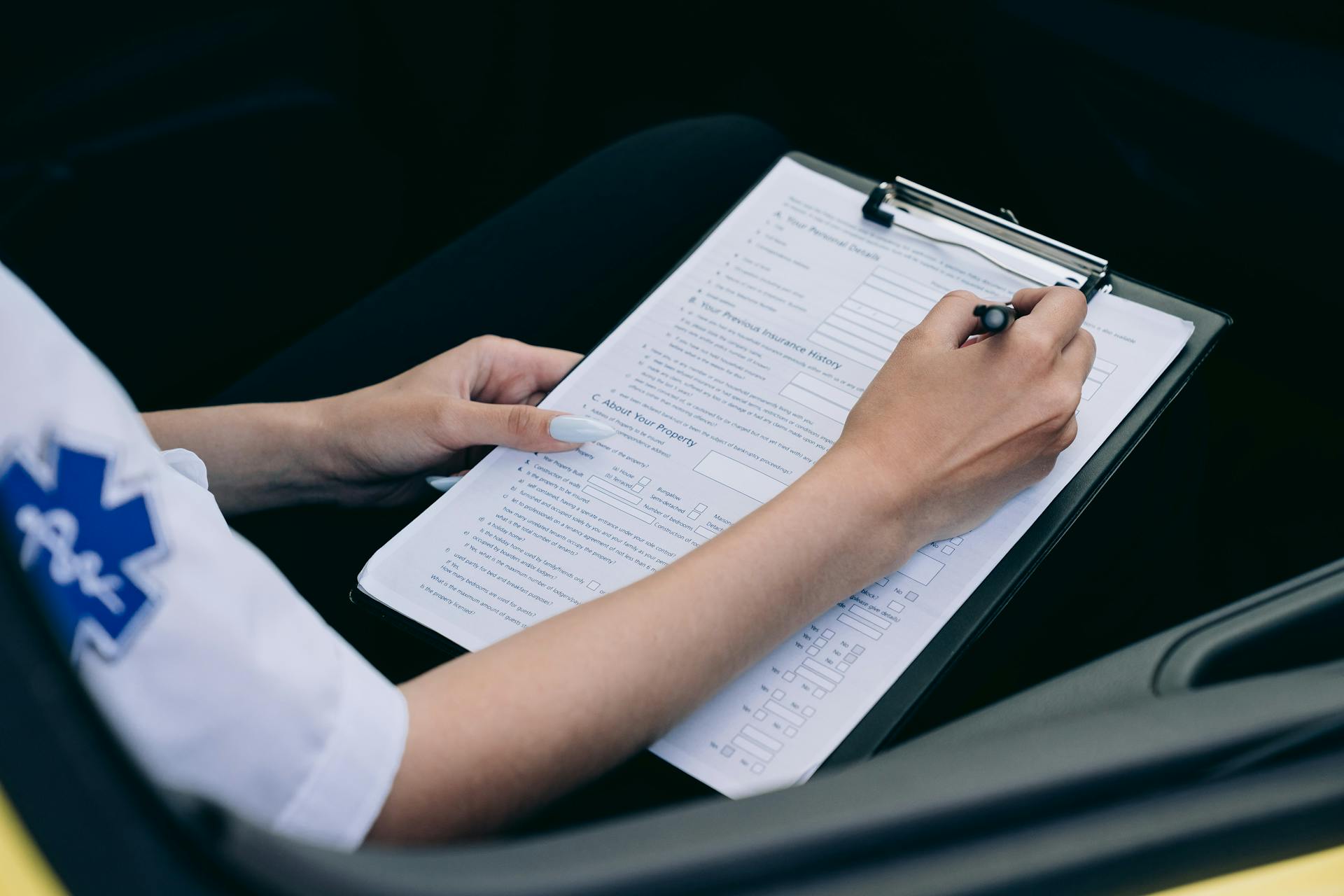
You should keep important medical records like hospital discharge papers and test results. These documents can be useful for future doctor visits or insurance claims.
Even if you feel healthy now, having a history of treatments and diagnoses helps track your health over time. Organize these papers clearly so you can find them easily when needed.
Grandparent’s recipe books

Your grandparent’s recipe books hold more than just instructions. They often contain handwritten notes and special tweaks passed down through generations.
These books connect you to your family’s history and food traditions. Even if you rarely use them, they can be a comforting reminder of shared meals and memories.
Keeping them helps preserve those unique recipes that might not exist anywhere else online or in modern cookbooks.