

Many of us have fond memories of how grandma carefully used everything in her home, making the most out of what she had. From saving small leftovers to finding creative ways to avoid waste, she showed a thoughtful approach to everyday items that helped stretch resources and reduce unnecessary spending.
You can benefit from adopting some of these habits too, learning what your grandma never wasted can help you save money and use resources more wisely. These practical tips aren’t just about frugality—they can add value to your daily life while helping the environment.
Tin cans turned into plant pots

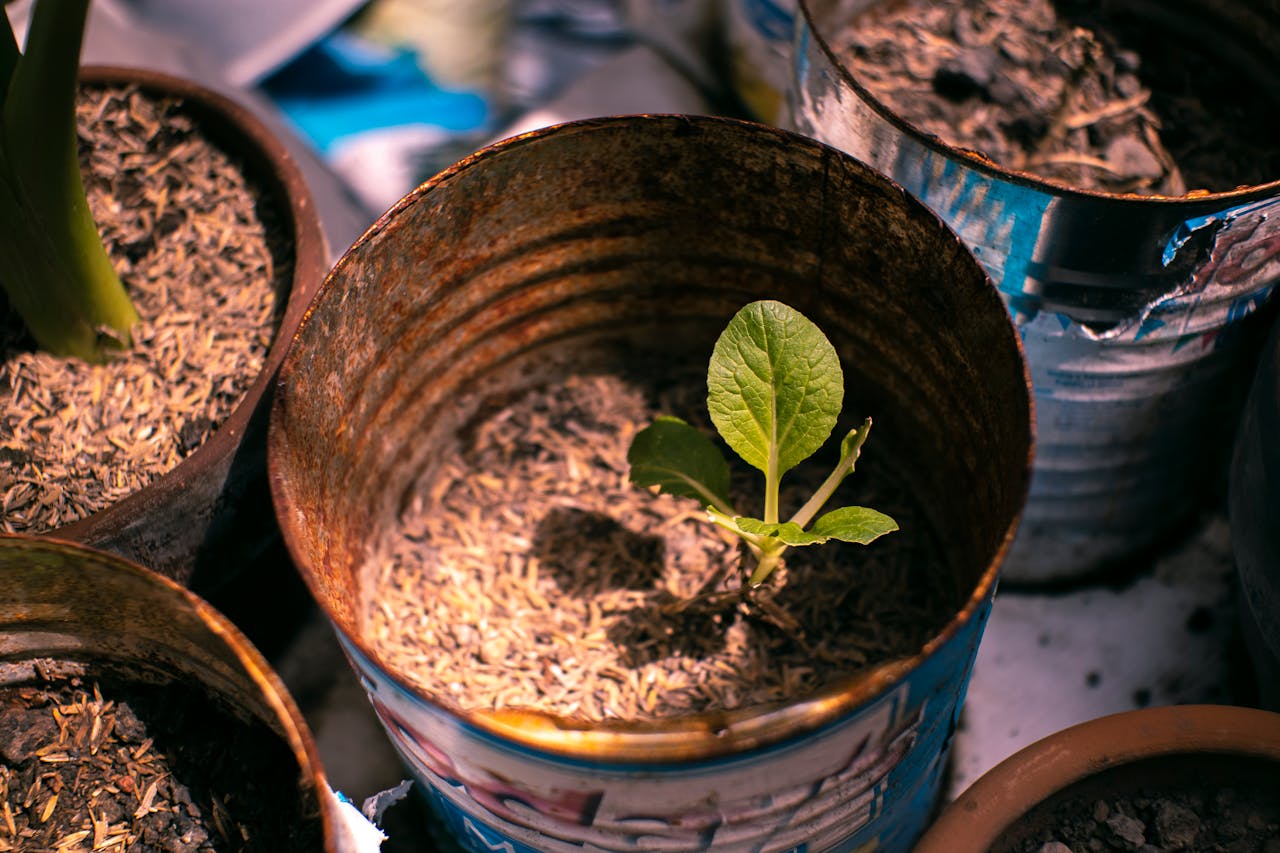
You can easily transform empty tin cans into simple plant pots. Just clean them well and add some drainage holes at the bottom.
These upcycled pots are perfect for starting seedlings or small herbs in your kitchen or garden. Plus, they reduce waste by giving new life to items you might otherwise throw away.
Many people even decorate their tin can planters to add a personal touch. If you want some ideas, check out creative ways to make tin can plant pots.
Fabric scraps for quilting or patching clothes


You can save fabric scraps and use them to create quilts or patch worn clothes. This reduces waste and adds a personal touch to your projects.
Grandma never threw away small pieces of fabric because she knew they could always be useful. You might find fun ways to combine scraps into colorful quilts or fix your favorite clothes.
Using scraps this way honors thrifty habits and keeps materials out of the trash, making your sewing more sustainable and creative.
Leftover cooking oil reused for frying

You can reuse leftover cooking oil safely if you take some simple precautions. Make sure to strain out any food particles to avoid off flavors.
Avoid reusing oil that’s dark or smells rancid. Also, oils used for frying heavily battered or breaded foods break down faster and shouldn’t be reused as much.
Keep the oil stored in a cool, dark place and use it within a few days. Reusing oil too many times can release harmful compounds, so use it wisely.
Glass jars saved for storage


You might notice how grandma always kept glass jars after using their contents. These jars made perfect containers for storing leftovers, dry goods, or homemade sauces.
Keeping glass jars is practical because they’re sturdy and reusable. They help reduce waste while keeping your pantry organized.
Next time you finish a jar, consider cleaning it and giving it a second life for storage. This simple habit can save you money and cut down on plastic use.
Old newspapers repurposed as cleaning rags

You can use old newspapers for cleaning instead of throwing them away. They are perfect for wiping windows and mirrors because they leave less lint than cloth.
Using newspapers for cleaning helps you reduce waste and save money on paper towels. Keep a pile handy for quick cleanups around the house. This simple swap is both practical and eco-friendly.
Worn-out clothes used as dust cloths


When your old clothes get worn out, don’t toss them right away. You can cut them into pieces and use them as dust cloths around the house.
These cloths are great for cleaning surfaces without wasting new rags. Your grandma knew how to make the most of every fabric, saving money and reducing waste.
Using worn-out clothes this way keeps them useful longer and helps you avoid buying disposable dust wipes. It’s a simple, practical way to reuse what you already have.
Stale bread made into croutons or breadcrumbs

You don’t need to toss stale bread. Instead, turn it into croutons by cutting it into cubes, seasoning, and baking until crispy.
If you prefer, dry the bread completely and pulse it in a food processor to make breadcrumbs. These are perfect for meatloaf, breading, or topping casseroles. Using stale bread this way reduces waste and adds texture to your meals.
Eggshells crushed for garden fertilizer


You can crush eggshells and add them to your garden soil. They provide calcium, which many plants need to grow strong. Before using, make sure to rinse the shells to prevent any odors or pests from being attracted.
Keep in mind, eggshells alone won’t replace a full fertilizer, but they are a simple way to boost your soil’s calcium levels. Learn more about using eggshells in your garden here.
Used tea leaves spread in the garden
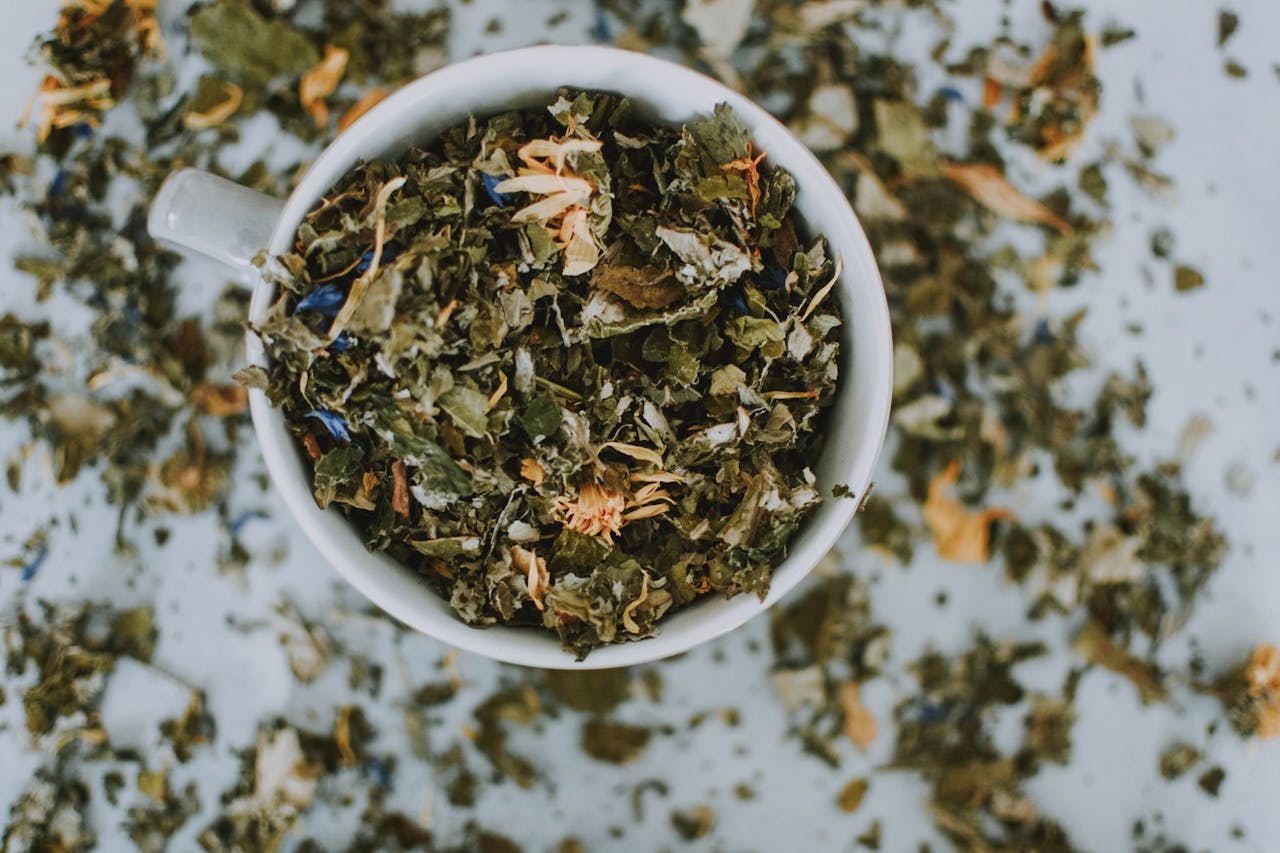
You can spread used tea leaves in your garden to help certain plants. They add a small amount of nutrients and improve soil texture over time.
Tea leaves work well for plants like spider plants, succulents, and aloe vera. Avoid using too many, as some plants don’t respond well to them. If you want to try this tip passed down by grandmas, sprinkle leaves lightly and mix them into the soil.
Scraps of wood saved for small repairs

You might find it useful to keep small pieces of scrap wood around. Grandma never threw them away because they worked perfectly for quick fixes. These little wood scraps can fill cracks, support a loose shelf, or patch small holes.
Having them on hand saves you time and money. You don’t always need to buy new materials when a tiny repair is needed.
Buttons kept from old garments


You might be surprised how often buttons from old clothes were saved. Instead of throwing them away, they were carefully removed and stored for future use.
When a shirt lost a button, you had a replacement ready without running to the store. You can do the same by keeping buttons from garments you no longer wear.
Saving buttons also lets you add a vintage touch to new sewing projects. This simple habit helps you make the most of what you already have, just like your grandparents did.
Vintage china sets preserved carefully


You might have vintage china sets passed down through your family. These pieces are often treasured and used sparingly to mark special occasions.
Using them regularly, like some still do, can keep their beauty alive instead of hiding them away. Caring for your china with gentle washing helps preserve it for future generations.
Handwritten recipes passed down


You might have a treasure right in your kitchen: your grandma’s handwritten recipes. These notes carry her personal touch, memories, and sometimes secret tips that you won’t find in cookbooks.
Using them connects you to family traditions and helps you preserve flavors that were special to her. Don’t overlook their value, even if some details like measurements seem vague.